-
Architects: Integrated Field
- Area: 125 m²
- Year: 2017
-
Manufacturers: Li Feng, Lighting & Equipment, PHKA Studio
-
Professionals: IF (Integrated Field Co.

.jpg?1519348289)


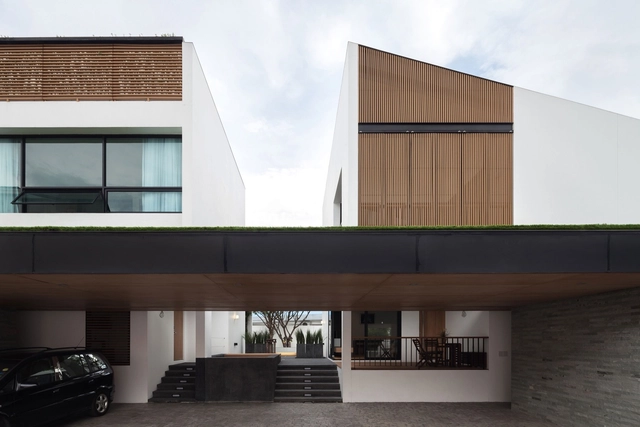
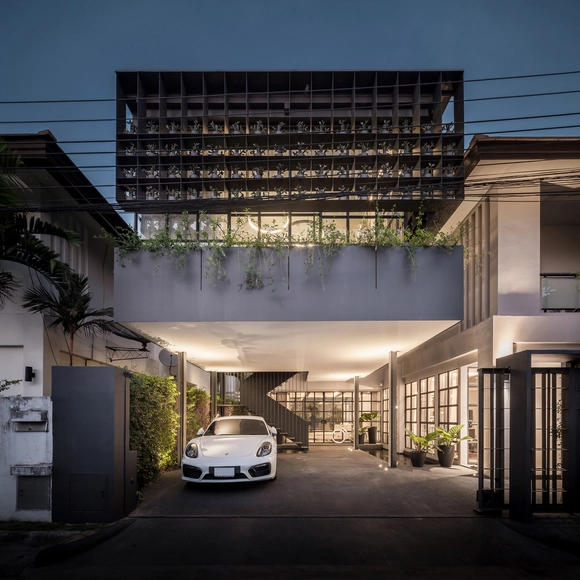
The inclusion of cars in photographs of architecture is an interesting tool that can help the viewer to understand the scale of a building. The addition of an automobile to a scene can not only help to transmit a notion of the size of the photographed elements, it can also be used to generate interesting compositional relationships to benefit the photograph as a whole. Below, we've highlighted a selection of 10 images from prominent photographers such as Rafael Gamo, Michael Sinclair and Bruno Candiotto which make effective use of this technique.
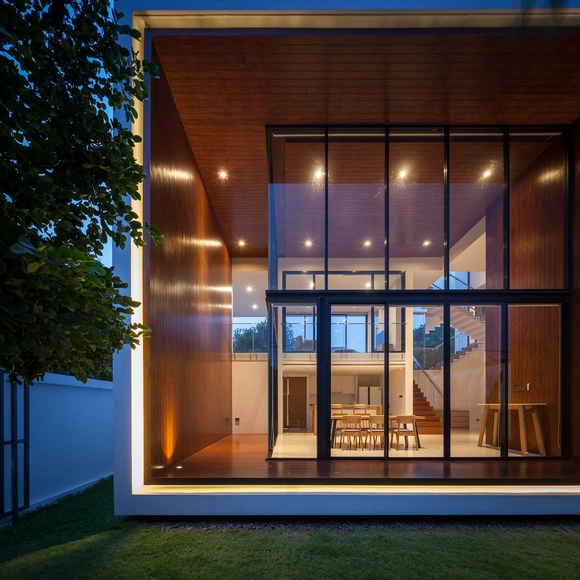
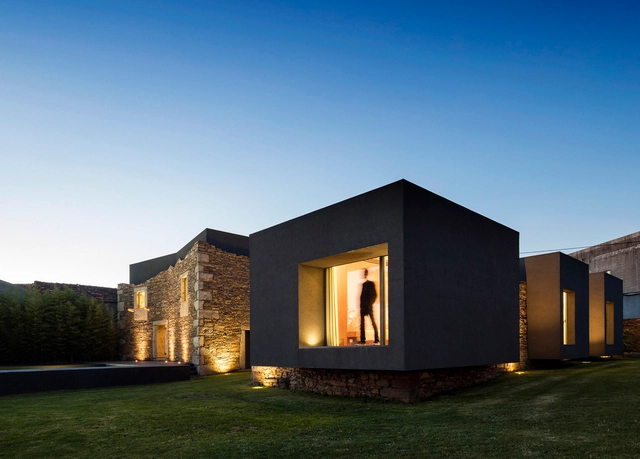
With Halloween just around the corner, this week we have prepared a special edition of Photos of the Week featuring nighttime images. Undoubtedly, this effect is among the most spectacular and difficult to achieve in architecture photography. Working in the absence of light is not a simple task for photographers, but by playing with the artificial lights in buildings (and, usually, some dramatic HDR effects) it is possible to achieve adequate exposure for incredible results. Below is a selection of 15 images from prominent photographers such as Ketsiree Wongwan, Laurian Ghinitoiu and Philippe Ruault.


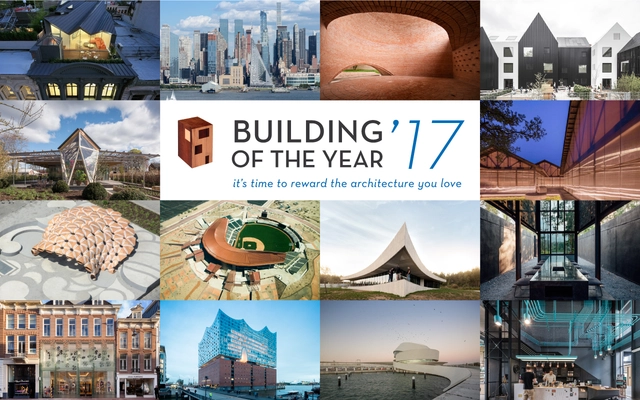
After two weeks of nominations and voting, last week we announced the 16 winners of the 2017 Building of the Year Awards. In addition to providing inspiration, information, and tools for architecture lovers from around the world, ArchDaily seeks to offer a platform for the many diverse and global voices in the architecture community. In this year's Building of the Year Awards that range of voices was once again on display, with 75,000 voters from around the world offering their selections to ultimately select 16 winners from over 3,000 published projects.
Behind each of those projects are years of research, design, and labor. In the spirit of the world's most democratic architecture award, we share the stories behind the 16 buildings that won over our global readership with their urban interventions, humanitarianism, playfulness, and grandeur.
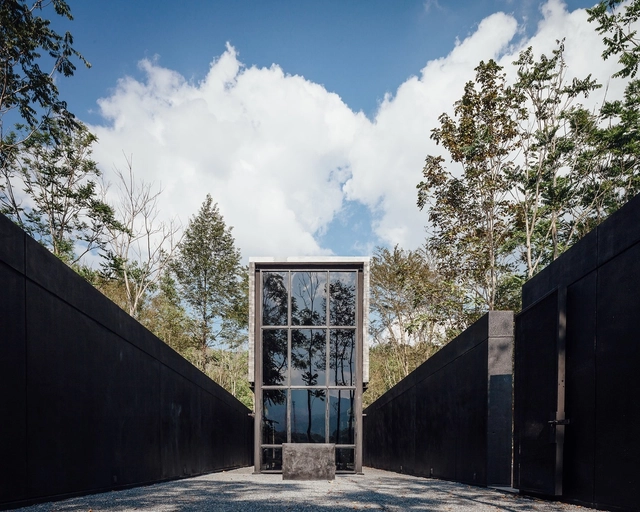
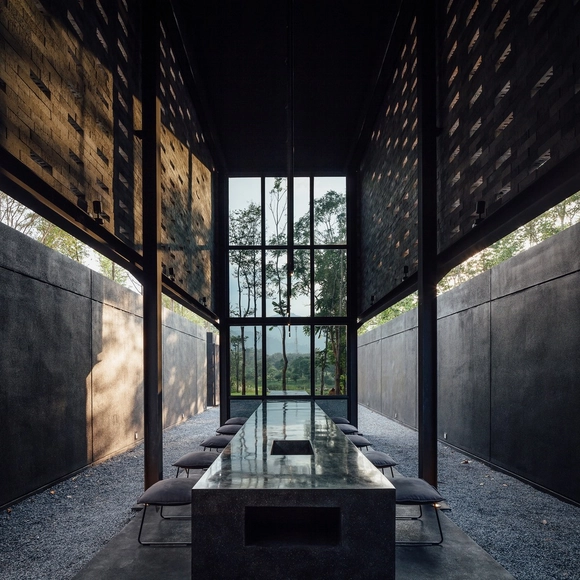
One of the ways that architecture must be integrated into its natural context is by maintaining the sensory experience of the place itself. This can be achieved by assigning value to a site's spatial qualities, textures, and even by generating contrasts, to enhance and differentiate existing elements from man-made ones.
This month we want to highlight Secondfloor Architects, who turn their focus towards the interior of their project and invite us to experience the natural environment as something that is above architecture. They do this not only by designing a building that is settled in the plot, but also by creating a central element which relates to the verticality of the existing trees, while the building's horizontal elements offer a powerfully contrasting material expression.


.jpg?1519348441&format=webp&width=230&height=230&crop=true)
.jpg?1519348676&format=webp&width=230&height=230&crop=true)
.jpg?1519348130&format=webp&width=230&height=230&crop=true)
.jpg?1519348208&format=webp&width=230&height=230&crop=true)
.jpg?1519348650)