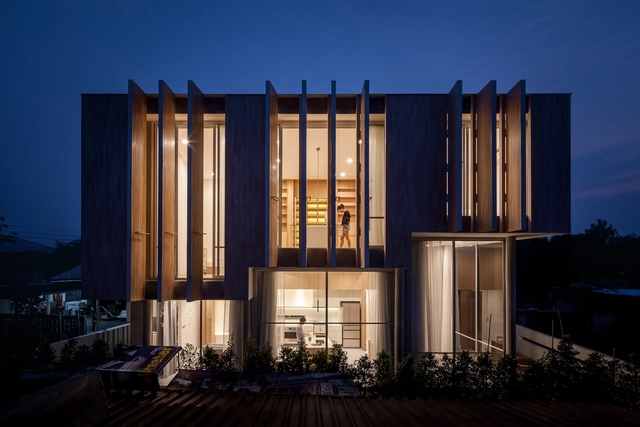
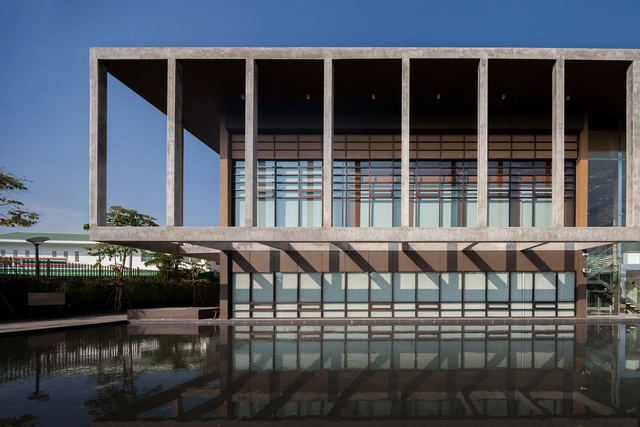
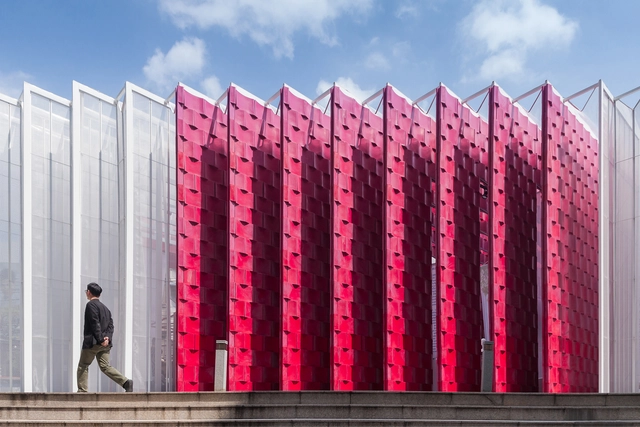
With a mission to provide tools and inspiration to improve the quality of life in our built environment, ArchDaily curators constantly track and share with our audience the best "built projects" in the world. In order to celebrate these achievements and thank our readers for actively participating in our community, we selected the 50 best architectural works published during 2019.
Countries that are part of the so-called “global south” have undergone many transformations in their cities and urban contexts in recent years due to the economic and social challenges they face. Urban growth, sustainable development, quality of life and health in emerging cities, and the development of their own cultural identity have been some of the issues that local architecture had to incorporate.
Young architects have understood the importance of making an architecture that is deeply rooted in their own territory while giving this architecture a clear local identity. By generating new typologies and using their own resources and materials, they have presented innovative, site-specific, and, above all, solutions with a new fresh focus towards what represents them as creators of this architecture.
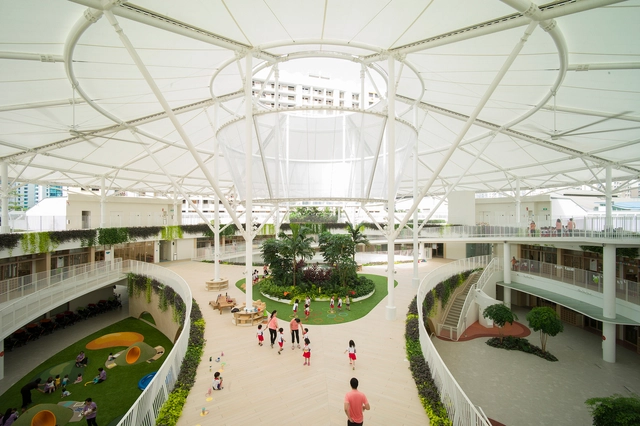
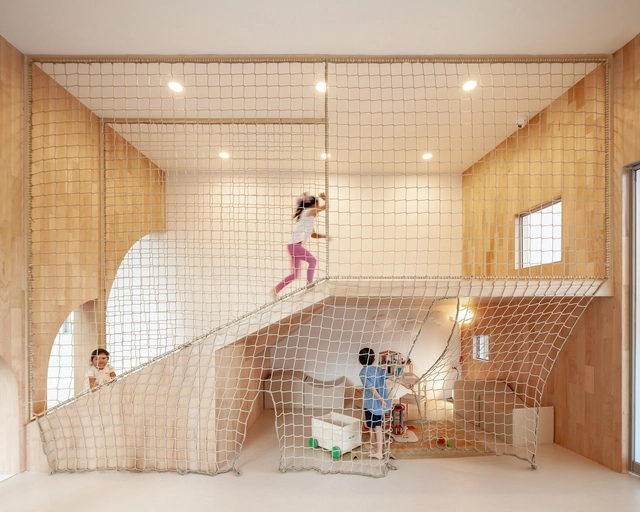
The most important part of children's education happens in the playground, instead of in the classroom. Despite this, many times we find huge empty school playgrounds.
Due to its importance and meaning, many schools and educational institutions have broken traditional paradigms and have opted to explore new possibilities. We have selected innovative examples, in which, through the use of specially designed equipment, strident colors and a variety of textures, they allow recreation areas to promote exchange, learning, and discovery.
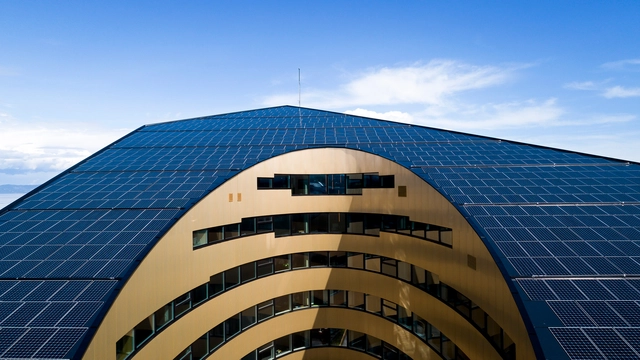
Once restricted to space stations and satellites, photovoltaics are now gaining popularity and becoming an increasingly viable option. Every day, the sun releases an enormous amount of energy, far more than the entire population consumes. Being that the sun is a sustainable, renewable, and inexhaustible source for generating electricity, not using it seems almost counter-intuitive, especially considering the social and environmental impacts of other forms of energy generation. But the technology to create electricity from the sun is by no means simple and still has some limitations, the most significant being price. The following article attempts to explain some basic concepts about this process, and to highlight important considerations for designing a solar energy system.
Manufacturers: AutoDesk, AERO Solar and Automation, AGC, Adobe Systems Incorporated, Bangkok Vinyl Profile, +8Full Link International, Grand Home Mart, Namheng Concrete (1992), Ratchada marble, SK Steel and Concrete work, SMP Wood industries, SMPC, Schüco-8
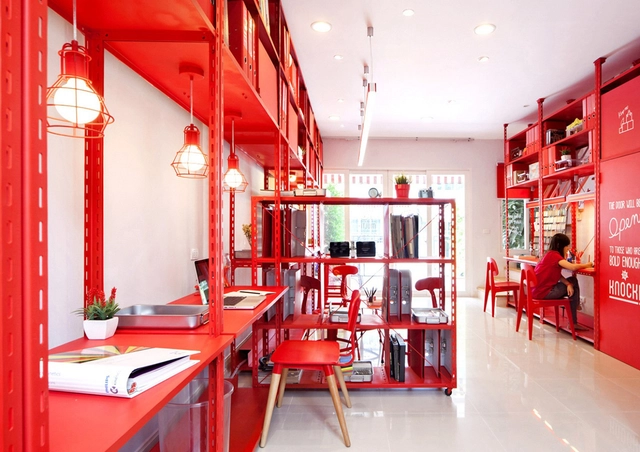
The functional distribution plays a fundamental role in the contemporary design of offices and places for work. The study of the architecture plan shows an interesting form of approach; not only allows for proper logistics and circulation but find efficient variations and innovations that will enable better workspaces that adapt to the current needs.
We have selected more than 50 plans of projects that will inspire you, recognizing the different ways in which architects have faced the challenge to design offices, in all different scale ranges.
As mentioned in our previous article on retail stores under 100 square meters, the spatial distribution of commercial spaces is a determinant for its success. Not only does it address adequate logistics and the circulation of customers, but the variations and innovations that will enable a more efficient and original space.
Below, we've selected projects from our site, with their plan and section, that can help inspire your next project.
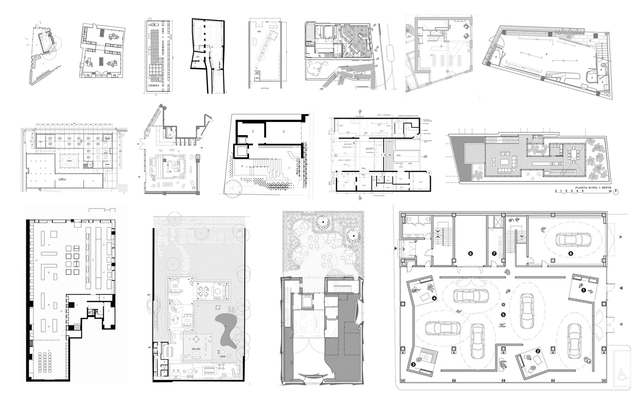
Designing commercial spaces has historically been a challenge. In these environments, spatial distribution plays a fundamental role, even more so if we have a few extra square meters. With this being said, the study of these spaces in plan and section can be a great starting point. It not only allows us to analyze the logistics and circulation of customers but also helps us find efficient variations and innovations that will enable your store to stand out from the others.
Below, we've selected a series of 25 examples in plan and section that can help you understand how different architects faced the challenge.










.jpg?1547067834&format=webp&width=640&height=580)
.jpg?1547067999&format=webp&width=230&height=230&crop=true)
.jpg?1547067916&format=webp&width=230&height=230&crop=true)
.jpg?1547067748&format=webp&width=230&height=230&crop=true)
.jpg?1547068109&format=webp&width=230&height=230&crop=true)
.jpg?1547067834)