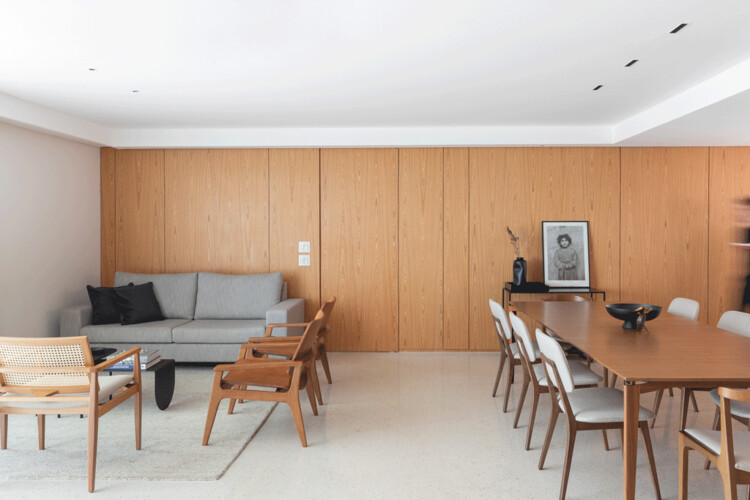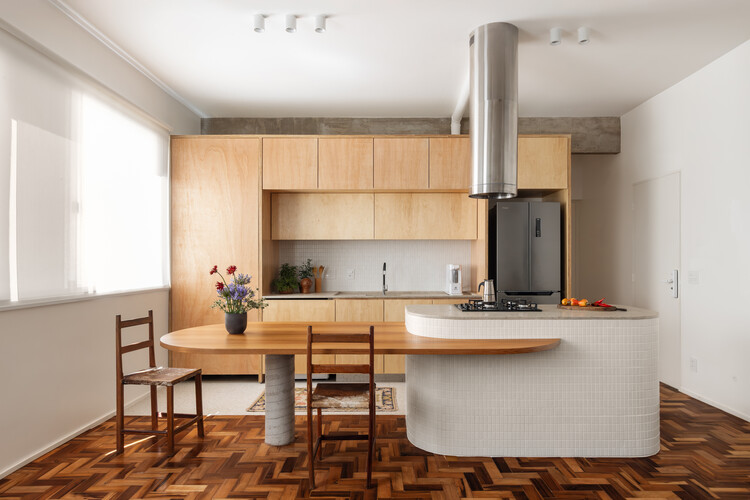
-
Architects: CODA Arquitetura
- Area: 65 m²
- Year: 2025
-
Manufacturers: Atelier Passarelli, Elisa Stehling Home, Lamas Design, Marcenaria Baraúna

Over the past two weeks, the ArchDaily Brasil community has nominated more than 14,000 projects, resulting in 15 finalists representing some of the most iconic architectural works published over the last year. Now in its 10th edition, the Obra do Ano Award recognizes the best of architecture in Portuguese-speaking countries, chosen by the readers themselves. The finalists offer a snapshot of the current state of architecture, spanning residential, urban, cultural, and other programs.
Representing Brazil and Portugal, the 15 projects reflect the needs of their specific contexts through creative solutions proposed by local architects. From interior renovations to large-scale urban interventions, and from single-family homes to community projects, the selection is diverse, yet united by a common thread: recognition from the public, who seek to see their own aspirations represented.
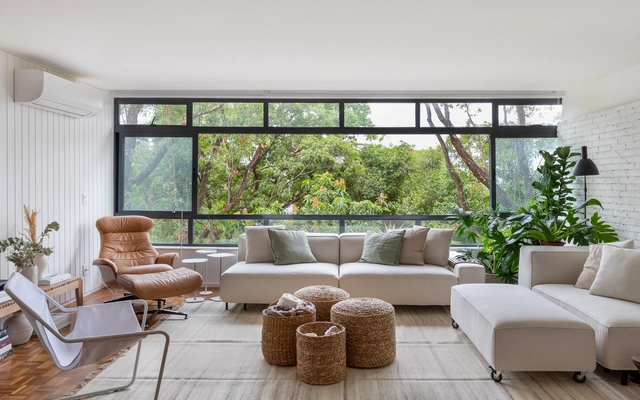


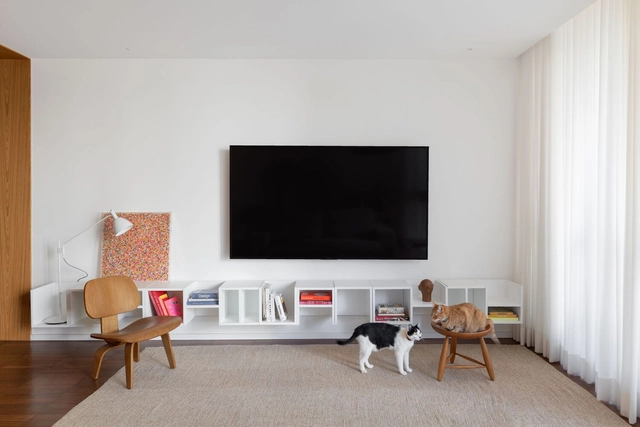
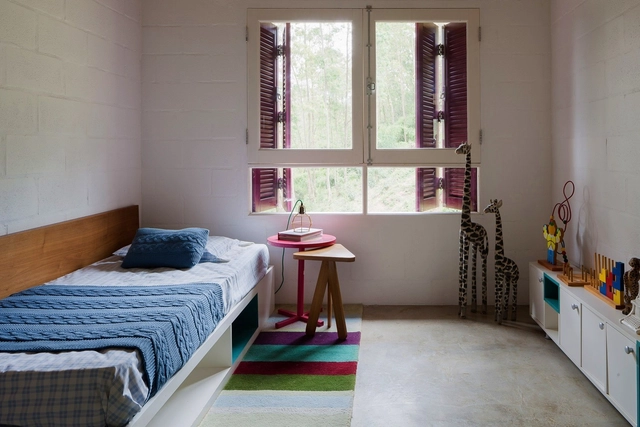
Many factors influence people's well-being, but few have power as great as the quality of sleep. Adults spend, on average, a third of their day (and their life) sleeping. In the case of young children, this proportion is even higher. According to a study published by the WHO in 2019, babies (4 to 11 months) should sleep between 12 and 16 hours/day; and children up to 4 years old should sleep between 10 and 13 hours/day.
Quality sleep acts directly on the child's brain development, especially during his first and second childhood (from birth to 12 years old). During the rest period, the body releases the hormones necessary for growth and learning, and this is directly related to physical, motor, emotional, and cognitive development. It is also known that the environment where one sleeps interferes with the quality of that sleep, and some important aspects must be considered when designing sleeping spaces for children and babies.