

-
Architects: BLOCO Arquitetos
- Year: 2022
Beyond the wide variety of landscape, environmental, economic, social, and cultural particularities that distinguish each region of Latin America, the renovation of interior spaces that make up domestic life generally focuses on achieving the greatest possible integration of environments along with providing flexibility, spaciousness, and better conditions for ventilation and natural lighting. Seeking to revalue unused spaces and/or give them a second life, renovations aim to transform the ways of living through strategies capable of involving the restoration of materials, the preservation of structures, the maintenance of installations, and more.

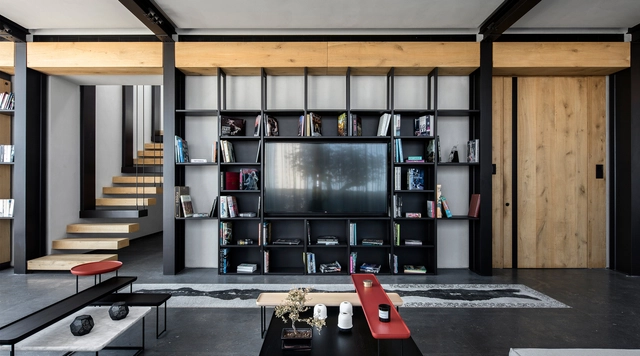
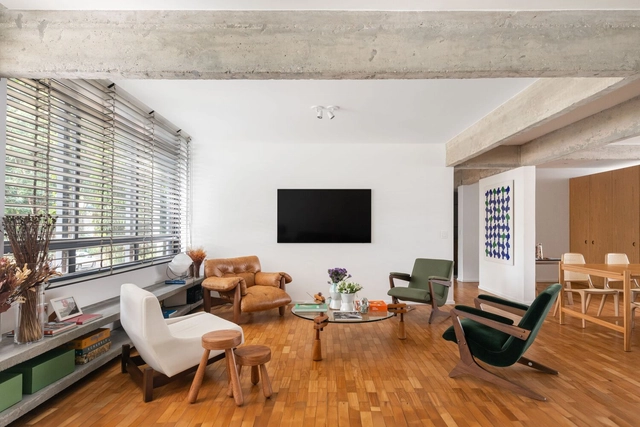
There are a series of multiple factors to take into account when deciding where to place a TV, including —but not limited to— the dimensions of both the furniture and the TV, image resolution, height, design, and so on.
In this article, we share some recommendations to achieve the comfort and well-being of the users avoiding possible problems of visual fatigue or unfortunate body postures.
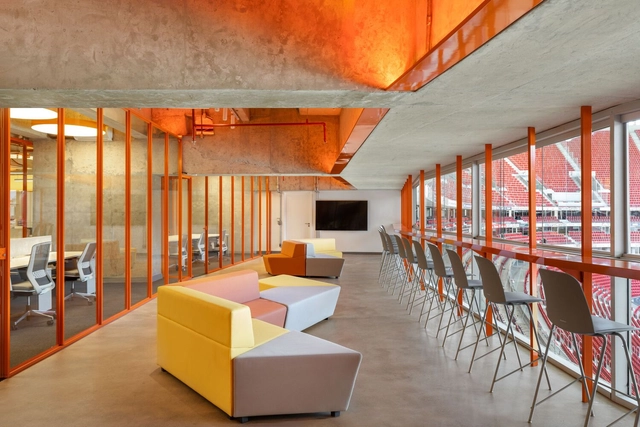
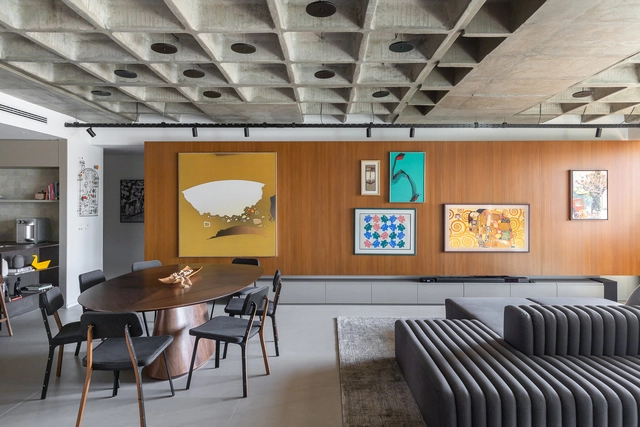
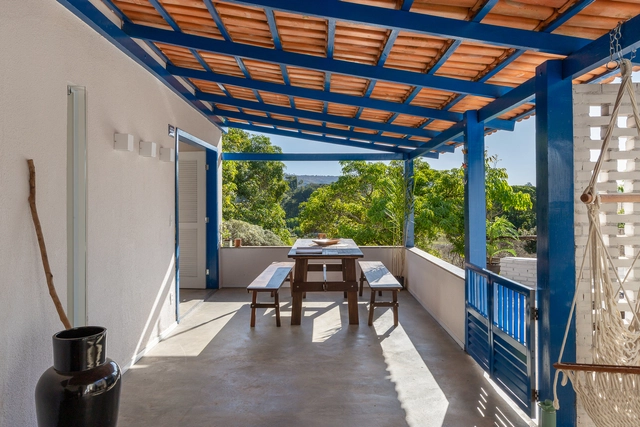
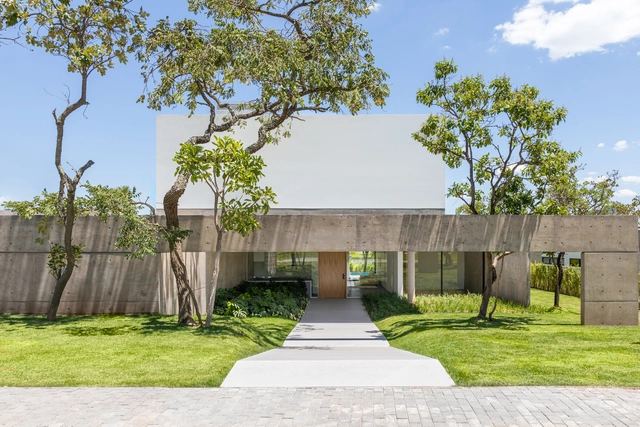
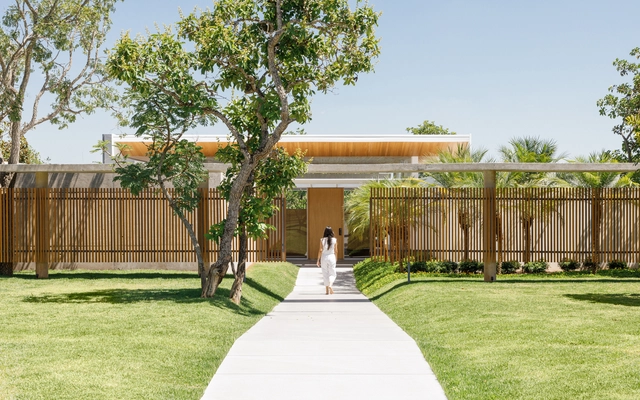
Brazil is one of the largest countries in the world, covering an area that goes from the Equator to beyond the Tropic of Capricorn, presenting a wide variety of climates and vegetation, which implies in the diverse natural landscape, flora and fauna for which the country is known. Residential architecture, when considered from its location, must adapt to the conditions of the surroundings, transforming its design according to the climate and morphology. We have gathered below a selection of Brazilian houses that respond to the natural environment in which they are located.
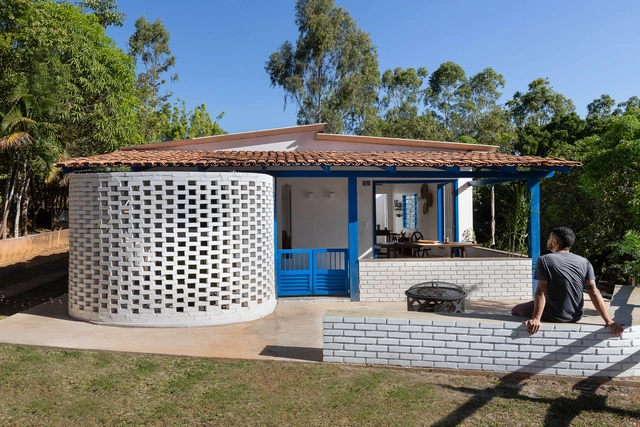

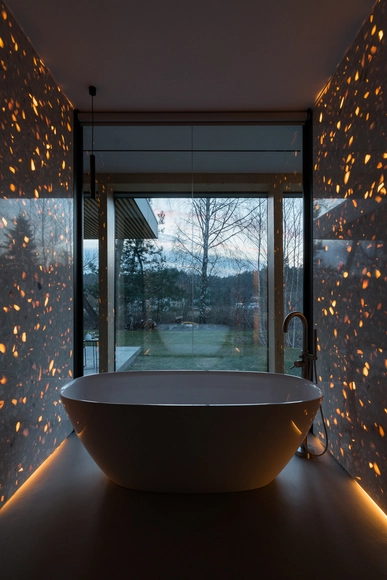
If, on the one hand, bathrooms have a certain rigidity when we think about the layout and their spatial arrangement, it is in the floor and wall coverings that this logic is inverted. With the wide variety of models and patterns available on the market, ceramic tiles and porcelain tiles are often used to give quality and identity to space. At the same time, the ease of access to ceramic and porcelain tiles, as well as their ease of installation, end up conditioning our choices, making it difficult to think of other finishing possibilities for these areas.
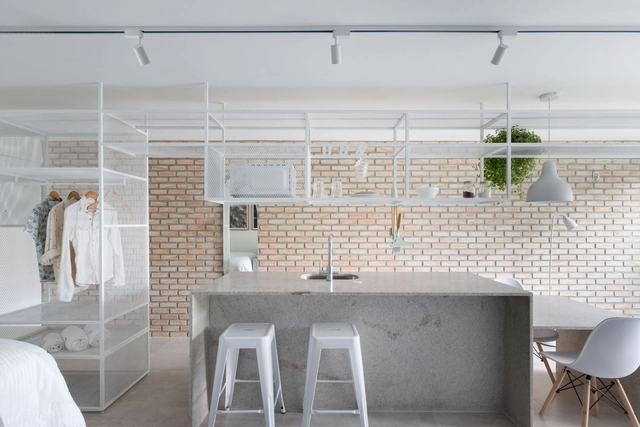
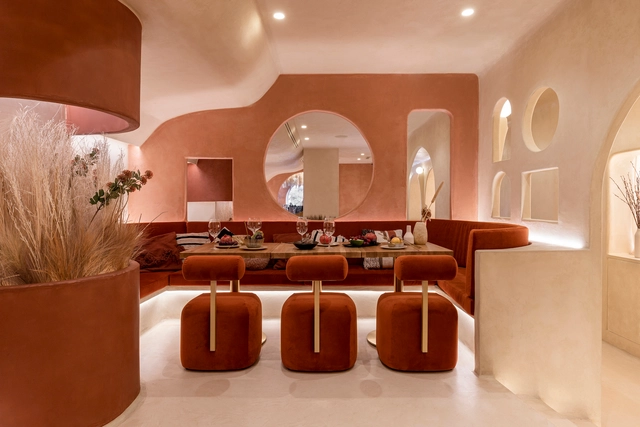
"The details are not the details. They make the design." – Charles Eames. Creating attractive spaces that anticipate the needs of users relies on several factors: scale, circulation, functionality, and comfort. However, the past few decades have proved that the visual appeal of a project is also greatly important, and can make or break the interior space. In this interior focus, we will explore the aesthetic side of interior design, looking at popular styles across the world and how architects and designers use elements such as color, furniture, accessories, and finishes to define their spatial identity.

Wooden floors bring warmth, personality and style to any interior space, whether old or new. Rustic and elegant, wood also has excellent thermal properties, a pleasant temperature to the touch, and can even improve the acoustics of a space by absorbing sound waves. They are also highly durable and resistant to daily use. It is therefore no surprise that they are one of the favorite and most coveted materials for residential interiors. Wooden flooring is also very visually appealing, with a huge amount of variations possible in its design. Pieces can vary greatly depending on which part of the trunk they come from, even if they are from the same manufacturer and tree species. Colors and designs also vary according to different tree species, from light yellows to dark browns, with infinite possibilities. In addition, it is possible to create various types of patterns when laying the floor, according to the dimensions of the pieces used and the desired effect for the space. See below a selection of wooden floors in Architonic catalog.