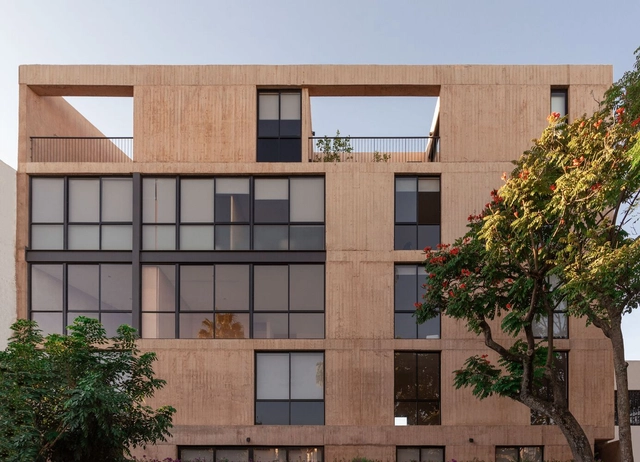
Juan Manuel McGrath

BROWSE ALL FROM THIS PHOTOGRAPHER HERE
↓
Subscriber Access

2025 Building of the Year: The award for the best architecture by ArchDaily en Español

In 2025, we celebrate the sixteenth edition of our Obra del Año award, the ultimate recognition in the architectural world across Latin America and Spain, where the winners are chosen by our readers. Starting today, Tuesday, March 18, you and our entire readership will be responsible for determining which projects completed during 2024 inspired us and now faithfully represent the identity of our local contexts.

Over the next three weeks, the collective intelligence of our readers will filter through hundreds of projects built in Spanish-speaking countries—Argentina, Bolivia, Chile, Colombia, Costa Rica, Cuba, Ecuador, El Salvador, Spain, Guatemala, Honduras, Mexico, Nicaragua, Panama, Paraguay, Peru, Puerto Rico, the Dominican Republic, Venezuela, and Uruguay.
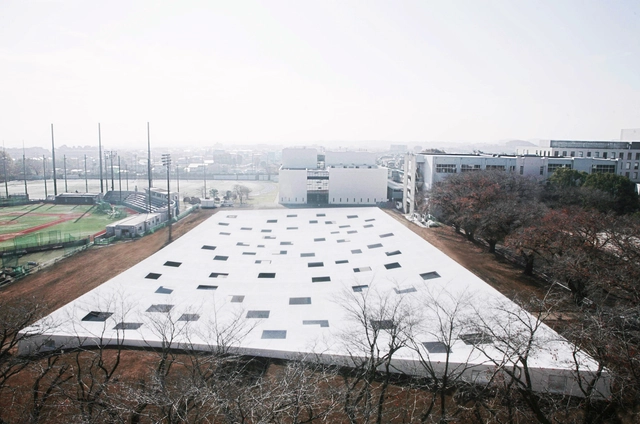
Tatiana Bilbao, Alison Brooks, Michel Rojkind and Jun'ya Ishigami Among Architects Elevated to AIA Honorary Fellowship

The American Institute of Architects (AIA), a professional organization dedicated to supporting architects and advancing the field of architecture, has announced the elevation of 93 architects to its College of Fellows. This recognition is awarded to individuals who have made significant contributions to the profession and society. This year's class includes 83 AIA member-architects and 10 international architects granted Honorary Fellowship. The newly elevated Fellows will be recognized at the AIA Conference on Architecture & Design 2025 (AIA25) in Boston.

Tatiana Bilbao, Alison Brooks, Michel Rojkind and Jun'ya Ishigami Among Architects Elevated to AIA Honorary Fellowship - More Images+ 5

Among the Honorary Fellows are Tatiana Bilbao (Mexico), Alison Brooks (United Kingdom), Jun'ya Ishigami (Japan), Kain Bon Albert Chan (China), Hu Li (China), Lyndon Uykim Neri (China), Michel Rojkind (Mexico), Masaharu Rokushika (Japan), Brinda Somaya (India), and Kerstin Thompson (Australia), recognized for their contributions to the global architectural landscape.

Subscriber Access

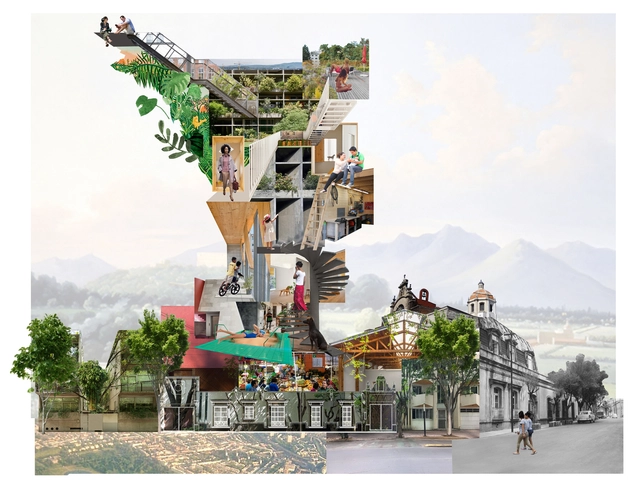
"Life Changes Every Second, But Architecture Never Changes": In Conversation with Tatiana Bilbao

These days, it is common to hear multiple voices addressing the diverse issues of contemporary architecture. The topics are numerous, ranging from sustainability and inclusion to social justice and the crisis in land use. At first glance, there is no common ground where all these concepts can coexist transversally. However, if we look back, we can see that beyond the formal architectural concepts, the true purpose of architecture (probably) lies in the people and the lives that develop within it.

Thus, many would argue that life is likely more important than architecture, which could open up a broad debate. What is certain is that currently, narratives and voices are emerging and consolidating, aimed at renewing architectural tools and languages. This transformation seeks to turn the built environment into a space that promotes a more equitable and optimistic future for all. One of these voices is that of Tatiana Bilbao, recognized for her process-centered approach where life and human interactions play a crucial role in defining habitats.

Subscriber Access

Materials That Define the Contemporary Mexican Architectural Aesthetic

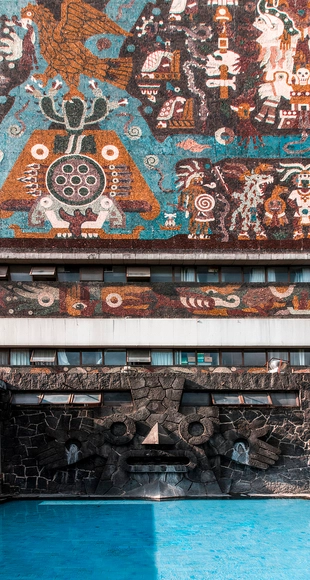
From the pre-Columbian period of the Americas –during which cultures such as the Olmec, Maya, Purepecha, and Mexica (Aztec) thrived– to the modern era where architecture has been influenced by social movements and even natural disasters, Mexican architecture showcases a valuable architectural expression, with its own unique voice and distinctive characteristics. Nobel Literature Laureate Octavio Paz argued that architecture is an incorruptible witness to history. Likewise, the materials used to shape it have acted as protagonists of that history, enduring in many cases over time and evolving thanks to the generations of architects who have contributed to it, from different perspectives.

To trace a timeline, it is possible to take as a starting point pre-Hispanic architecture, which exhibited a diversity of nuances due to Mexico's vast territorial extension. This allowed diverse cultures to find their niche and develop their characteristic architectural styles. Subsequently, the era of Spanish colonization, which itself drew influence from Islamic architecture, represented a noteworthy turning point in architectural development. This phase endured until the advent of Mexican Independence in the 19th century. In turn, this marked the initiation of social and cultural movements, both during and after the Mexican Revolution in the early 20th century.

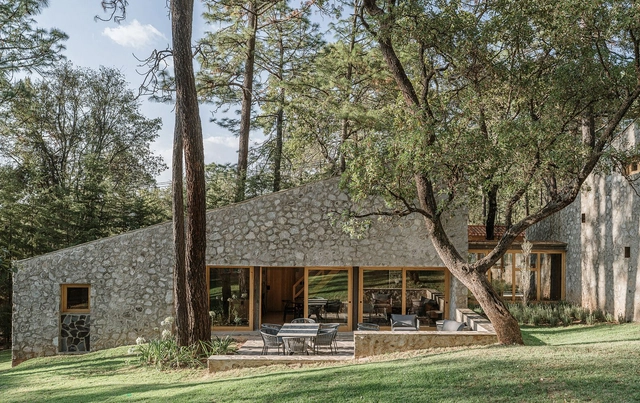
Petraia House / ARGDL

Petraia House / ARGDL - More Images+ 23

•
Tapalpa, Mexico
  • Architects: ARGDL
  • Area Area of this architecture project Area:  265 m²
  • Year Completion year of this architecture project Year:  2023

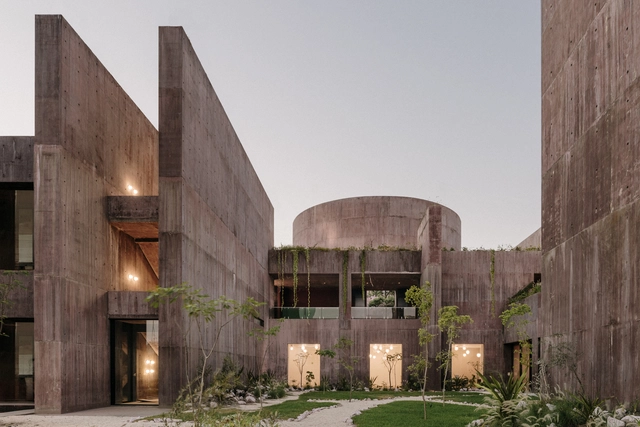
Cortés Sea Research Center / Tatiana Bilbao

Cortés Sea Research Center / Tatiana Bilbao - More Images+ 25

•
Mazatlán, Mexico
  • Architects: Tatiana Bilbao
  • Area Area of this architecture project Area:  13000 m²
  • Year Completion year of this architecture project Year:  2023

Luna 1807 Building / Roldán Arquitectos

Luna 1807 Building / Roldán Arquitectos - More Images+ 26

•
Guadalajara, Mexico
  • Area Area of this architecture project Area:  11948 ft²
  • Year Completion year of this architecture project Year:  2022
  • Manufacturers Brands with products used in this architecture project
    Manufacturers:  Cumulo Macetas, Icon Stone, Lagar Cocinas Funcionales, Mabe, Stanza, +3