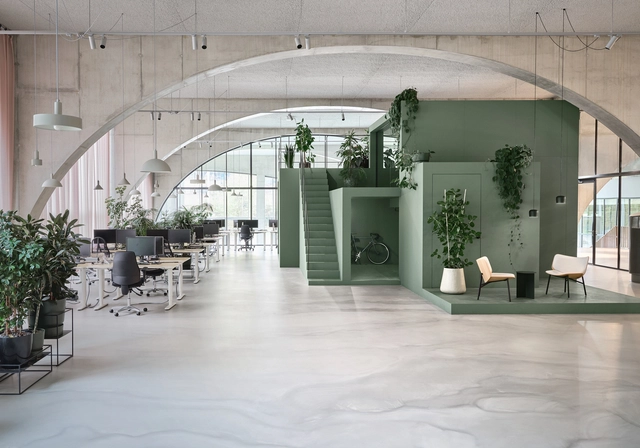
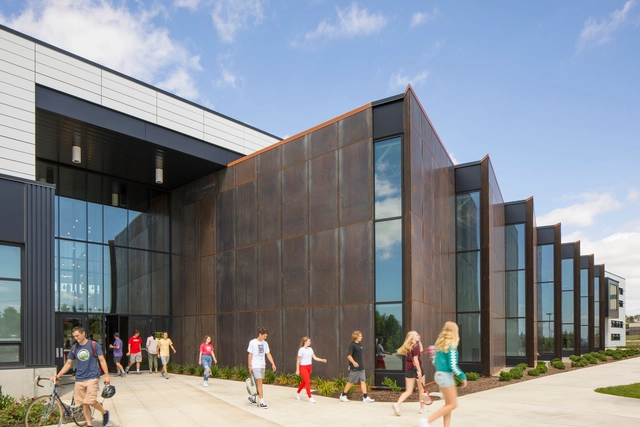
Material intelligence refers to how materials perform, adapt, and interact with ecological and cultural systems. It considers how stone, steel, or timber respond to intertangled forces, how those materials are sourced and assembled, and how they persist after demolition. Designers are centering material intelligence in constructing our cities in a generation of environmental uncertainty and strained supply chains.
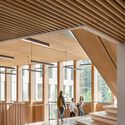
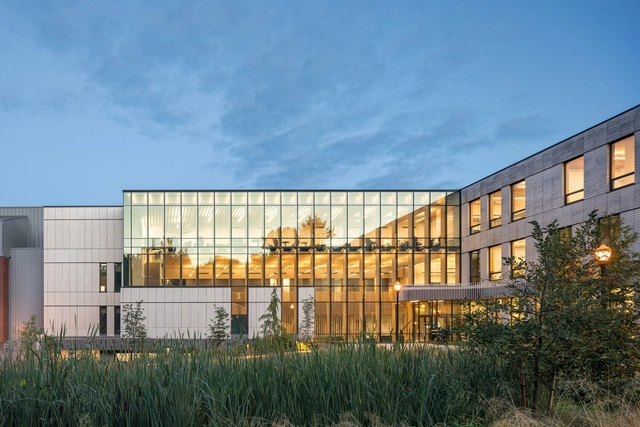
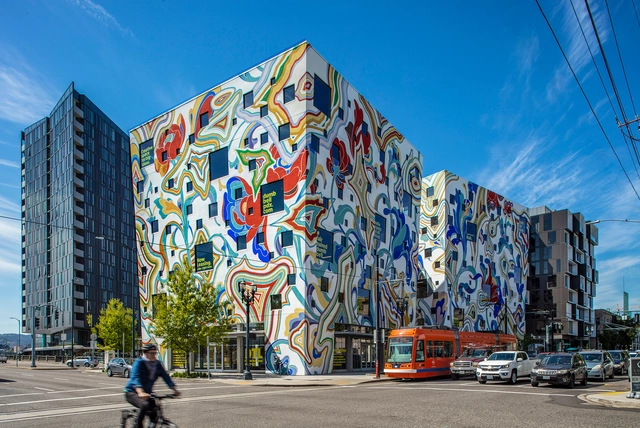
The facade of a building often serves as a reflection of both the urban fabric it is set in, as well as what lies behind it. Beyond aesthetics, facades hold important functional, cultural, and sustainable significance, especially in relation to the interior design. Although natural light, views, and spatial organization are influenced by the facade, architects have been prioritizing the relationship between the building's envelope and the quality of the interior, keeping in mind current cultural, economical, and environmental changes influencing the way people design their living space. So responding to these ever-changing needs and habits, along with the focus on overall wellbeing, architects offset the facade and ceiling - and in some particular cases, floors - to create interiors within interiors; secondary envelopes that protect the interior space from the outside environment.
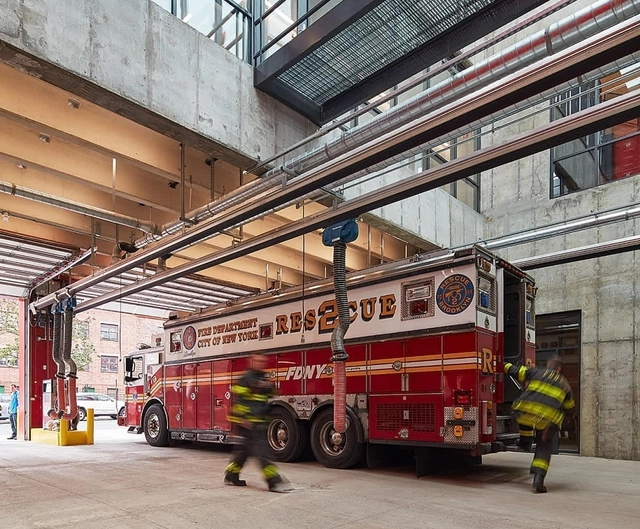
Architects are charged with protecting the public’s health, safety, and well-being. When buildings fail, whether through increased loads, poor design, or natural disasters, that charge also falls to those capable and willing to aid people in need. Firefighters regularly experience architecture’s collapse, often risking life and limb to save occupants and individuals they do not know. Yet firefighters and emergency personnel also have their own buildings they call home, rare typologies where recreational, domestic, and professional activities collide.
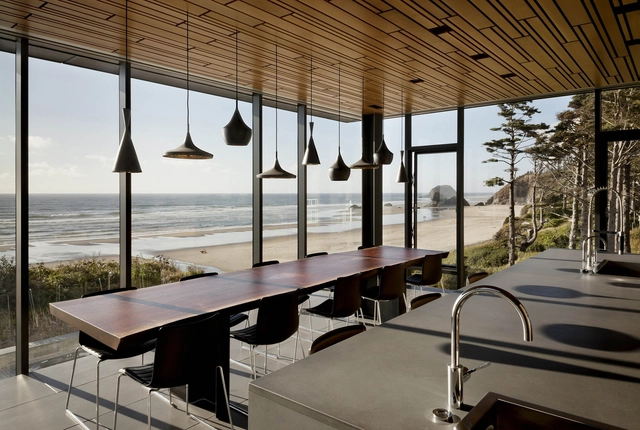
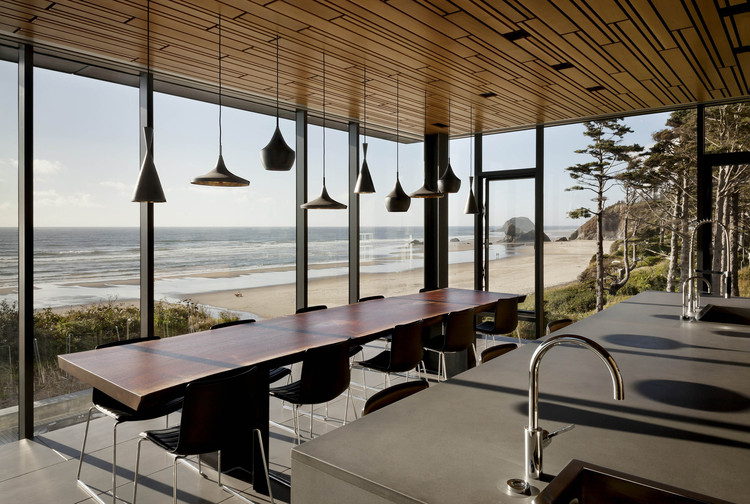
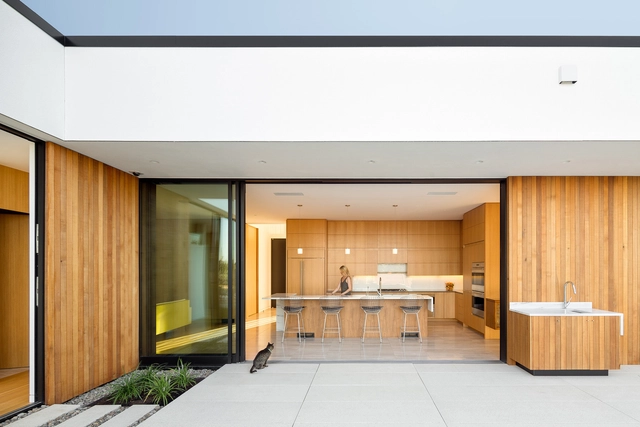
Oregon holds some the most varied geography and private developments in the United States. Home to diverse landscapes and architecture, the state is defined by the Cascade mountain range, windswept coastlines, dense forests, and a high desert environment to the east. These varied geographies have shaped the state’s construction techniques and residential design. At the heart of these building efforts are timber and glass homes found throughout the state.



















.jpg?1449027615&format=webp&width=640&height=580)
.jpg?1449027197&format=webp&width=230&height=230&crop=true)
.jpg?1449027346&format=webp&width=230&height=230&crop=true)
.jpg?1449027364&format=webp&width=230&height=230&crop=true)
.jpg?1449027547&format=webp&width=230&height=230&crop=true)
.jpg?1449027615)






.jpg?1413934920)
.jpg?1413934905&format=webp&width=230&height=230&crop=true)
.jpg?1413934911&format=webp&width=230&height=230&crop=true)
.jpg?1413934928&format=webp&width=230&height=230&crop=true)
.jpg?1413934936&format=webp&width=230&height=230&crop=true)