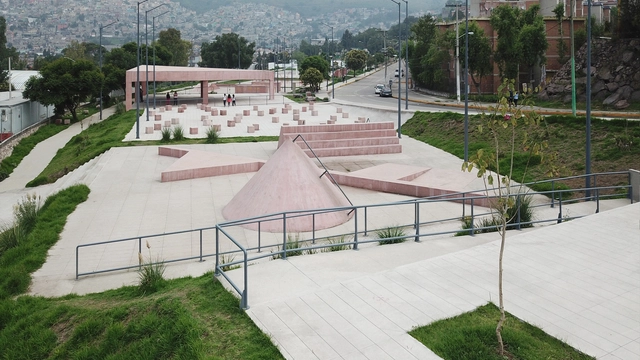
Veracruz is a state located in eastern México, bordered by the states of Tamaulipas, Tabasco, Chiapas, Oaxaca, Puebla, Hidalgo, and San Luis Potosí, and facing the Gulf of Mexico. Covering an area of 71,820 km², it is the country's third most populous state.
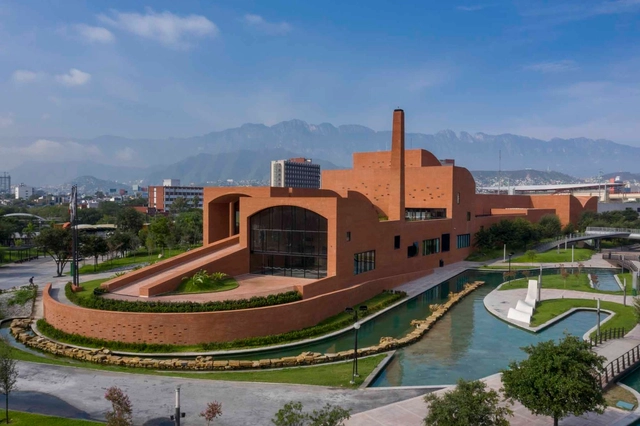
As part of an initiative to document the history of Monterrey, Nuevo León, Mexico, REGIOPOLIS emerged as a documentary video series narrated from the perspective of the city's creators, aiming to leave an architectural record of the Monterrey metropolis. Each episode showcases some of the most significant works that laid the foundation for its urban fabric, exploring the historic and emblematic architecture built to this day.
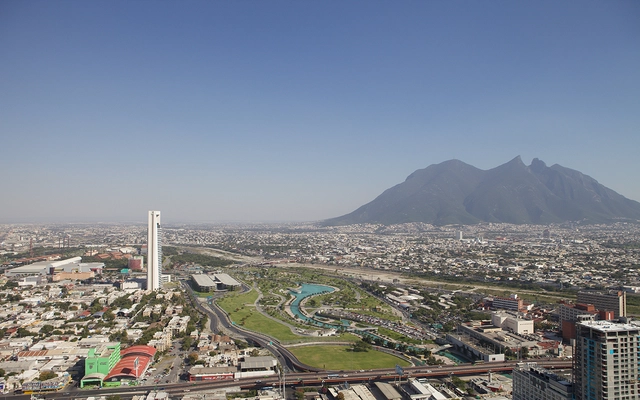
As one of Mexico's most prominent cities and business hubs, Monterrey is situated within the territory of Nuevo León, a state in the country's Northeast region that borders Texas, defining a significant portion of the US-Mexico border. Covering just over 451.30 square kilometers with an average elevation of 500 meters above sea level, the municipality is bordered to the north by San Nicolás de los Garza and General Escobedo; to the south by San Pedro Garza García and Santiago; to the east by Guadalupe, Juárez, and Cadereyta; and to the west by Santa Catarina and García.
The call for entries for the Third Edition of the Oscar Niemeyer Award for Latin American Architecture, presented by the Network of Architecture Biennials of Latin America, has successfully concluded. A total of 101 works from 12 Latin American countries are participating, with Mexico represented by 30 high-quality and diverse projects—all clear examples of outstanding contemporary architectural production.
The state of Puebla is located in the central highlands of Mexico, bordering the states of Tlaxcala, Hidalgo, Veracruz, Oaxaca, Guerrero, Morelos, and the State of Mexico. Covering an area of 34,251 km², it is one of the country's most densely populated states. Its capital is Puebla de Zaragoza, and it is one of the leading landlocked states for tourism, featuring 9 "Pueblos Mágicos" (Magical Towns) and 3 UNESCO World Heritage Sites.
The government-mandated lockdowns in response to the COVID-19 pandemic—and, in some cases, the fear of going outside—have recently underscored the value of domestic space, transforming it into the stage for the most evident and characteristic human actions and reactions within a capitalist and patriarchal system.
External factors shaping the built environment play a decisive role in building configuration, particularly with respect to facades. These factors can encompass physical phenomena, such as wind pressure or seismic activity, as well as climatological aspects, including precipitation, solar radiation, and temperature changes.
Consequently, facades have evolved to adapt to the design conditions they face, driving the integration of lightweight building envelopes. In this context, the exterior wall solutions by Panel Rey stand out. These systems are used as exterior cladding, incorporating various substrates, profiles, and other components. Together, these provide the facade with lightness and strength.
https://www.archdaily.com/1078830/building-with-lightweight-systems-solutions-for-facade-wallsEnrique Tovar
Architects and engineers have launched a call for free technical assistance in the design, renovation, or construction of social housing—already established by a 2008 law—to "be more than a law; to become a State Policy, as part of the social right to housing guaranteed by the Constitution."
The appeal was made at the opening of the Seminar on Technical Assistance for Social Housing, hosted by CAU/BR and the Federal Council of Engineering and Agronomy (CONFEA) in Brasília on the 15th of this month. If the proposal is adopted, Brazil would have the equivalent of a "SUS" (Unified Health System) for social housing. The proposal is part of the "Open Letter to Candidates in the 2018 Elections for the Right to the City," recently released by CAU/BR and the Institute of Architects of Brazil (IAB).
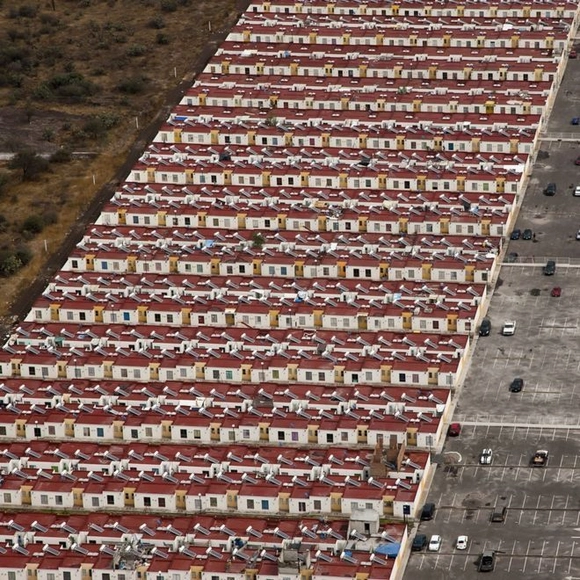
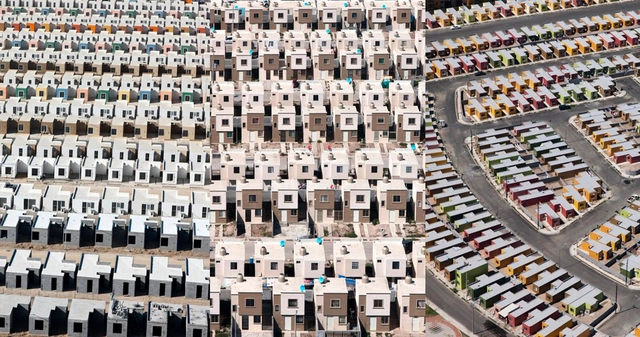
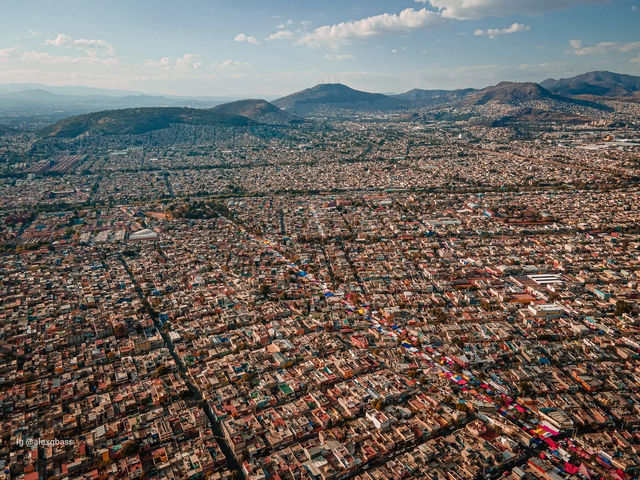
'Alta Densidad' (High Density) is a project by architect Jorge Taboada comprising a series of aerial photographs that depict the stories of a city. This series is presented as an "archaeological vestige" where "people lose their face and identity and become invisible."
The history of social housing in Mexico has come a long way, undergoing transformations that concern not only architecture, but also the organizations leading their construction and the government.
No longer relegated to the domain of temporary structures or utilitarian living, modular housing is increasingly gaining traction. Prefabricated homes are disrupting the architecture industry with their efficient construction, predictable costs, and reduced environmental impact. Modular housing is rooted in the idea of quick replication and standardization. In a world that prioritizes customization, how might modular housing meet the needs of diverse individuals?
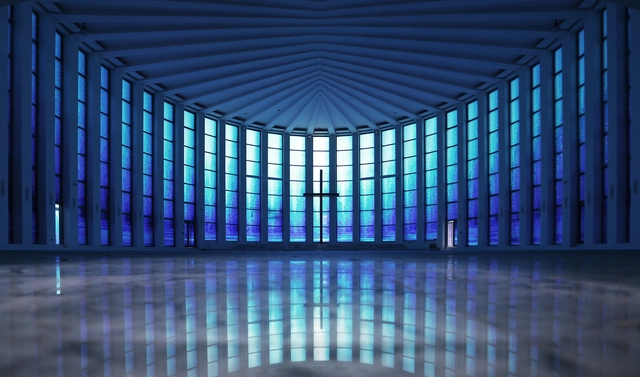
Whatever religion we classify ourselves as – or even if we actively renounce or denounce organized religion in all its forms – the one aspect of Christianity those in predominantly Christian countries are touched by at some point in their lives, is the classical aesthetic of church architecture.
Whether we actively attend church multiple times a week, begrudgingly once or twice a year, or once every ten years for one of life’s trinity of events: births, deaths, and marriages, while there we’re struck by the soaring arches, intricate stonework, and, on a sunny day, the spiritual beauty and colorful rainbows of light that stream through stained glass windows.
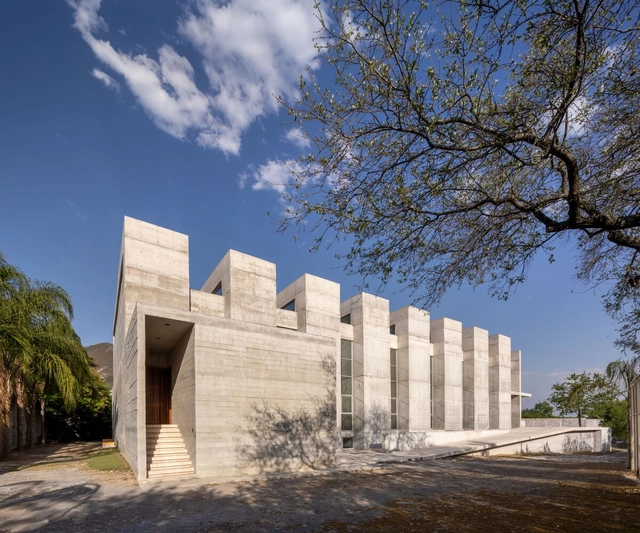
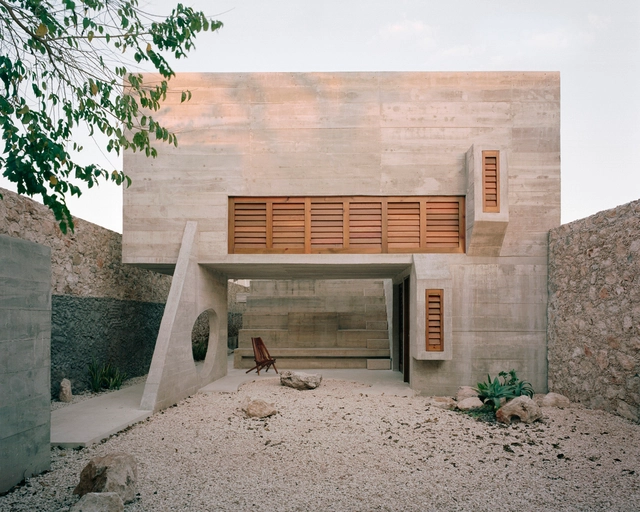
Brutalism is an architectural style that originated in the 1950s and became popular in the 1960s. Its name comes from the French "béton brut," which means "raw concrete," as this material is one of the most characteristic elements of the style. Its main features are the apparent use of concrete, offering visuals where natural texture and tonality are the protagonists of the buildings. Brutalist buildings often have an austere and massive aesthetic, with simple and repetitive geometric shapes. The use of industrial materials and innovative construction techniques is also common in brutalism.
The region we know today as the Metropolitan Zone of the Valley of Mexico (ZMVM) has had a continuous and dynamic occupation for more than 4,000 years. Archaeological and anthropological evidence reveals the presence of complex human societies on the banks of the lake basin, starting with Tlatilco and Cuicuilco in the Preclassic period, passing through Teotihuacan in the Classic period, and culminating with the different urban centres of Nahua affiliation in the Postclassic period, with the cities of Mexico Tenochtitlan-Tlatelolco, as well as Texcoco, Azacapotzalco, Iztapalapa and Chalco, among many others, undoubtedly standing out.
https://www.archdaily.com/984712/the-aestheticisation-of-inequality-contrasting-landscapes-on-the-periphery-of-mexico-cityMónica Arellano y León Villegas
There are several reasons why Quintana Roo —a state located in the southeastern region of Mexico— has an important cultural wealth. One of them is because of world-class tourism which has led it to have one of the eight international airports in Mexico in addition to being praised by the World Tourism Organization.
There are several reasons why the Estado de Mexico (a state, not the country) is important not only at the national level but also because of its intrinsic relationship with Mexico City since 59 of its municipalities are considered part of the Metropolitan Area of the Valley of Mexico. In this area, there are a large number of industrial plants. In addition, it houses some of the most visited archaeological sites such as Teotihuacán, Tetzuco, Azcapotzalco, Chalco, and Amaquemecan.
Until recently, the origins of the tiny-house movement were of little interest to the scientific community; however, if we take a look at the history of architecture and its connection to the evolution of human lifestyles, we can detect pieces and patterns that paint a clearer picture of the foundations of this movement that has exploded in the last decade as people leave behind the excesses of old and opt for a much more minimalist and flexible way of life.
















.jpg?1635893302&format=webp&width=230&height=230&crop=true)