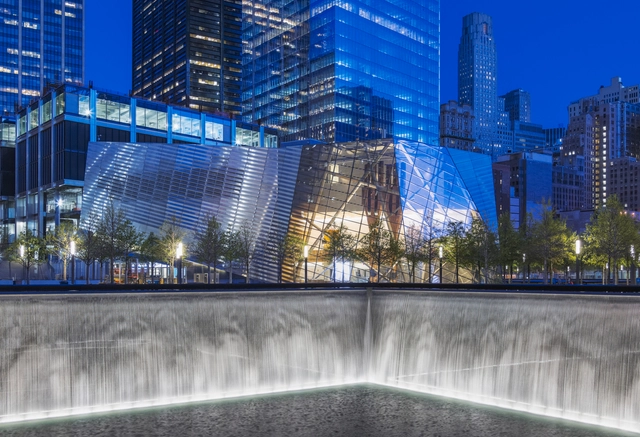
Sounds of rushing water have been reported behind the walls of the lower concourses of the World Trade Center site. As DNAinfo reports, rumors say officials have found an underground leak within the newly built complex and fear that it may be coming from the 3,200-foot-long slurry wall that separates the site from the Hudson River.
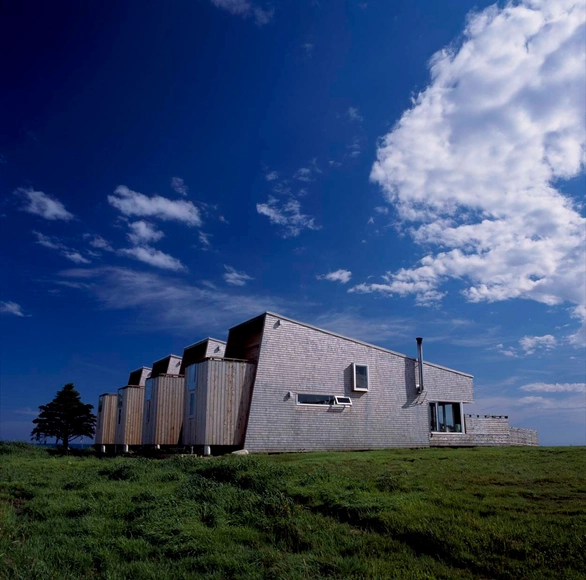
Brian MacKay-Lyons is the founding partner of MacKay-Lyons Sweetapple Architects, a professor at Dalhousie University and the founder of Ghost Lab - the now legendary 2-week summer design/build program that took place on his family farm in Nova Scotia from 1994 to 2011. While relentlessly local, Brian's work has been recognized internationally with more than 100 awards, 300 publications and 100 exhibitions. In 2012, the American Institute of Architects recognized the collective work and influence of Ghost with an Institute Honor Award for Architecture.
On August 22nd, 2014 Brian hopped off his tractor and wiped the diesel fuel off his hands to discuss architectural education with Keith and Marie Zawistowski, co-founders of the design/buildLAB at Virginia Tech and partners of OnSite Architecture. Here is an excerpt from their conversation, which was originally published on Inform:
Keith Zawistowski: Your contributions to the discipline of architecture have been both in practice and in education. In 1994, you founded Ghost, an international laboratory that influenced all generations of architects with its simplicity and this affirmation of timeless architectural values of place and craft. It was a pretty bold move and it seems for us like it was a direct reaction to your discontentment with academia and the way architects were being educated. Do you still feel that strongly about the state of architecture education and the profession?
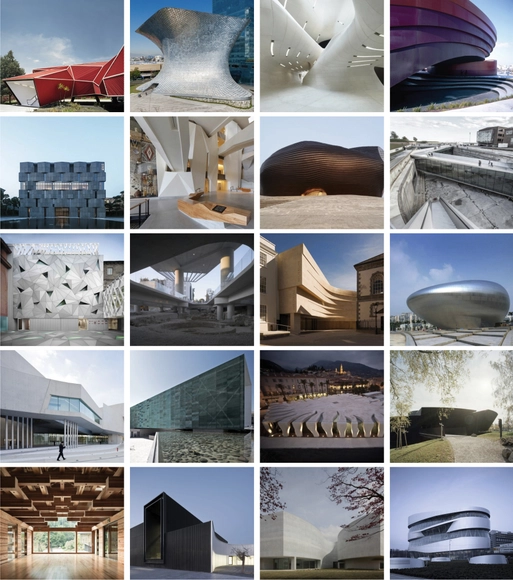
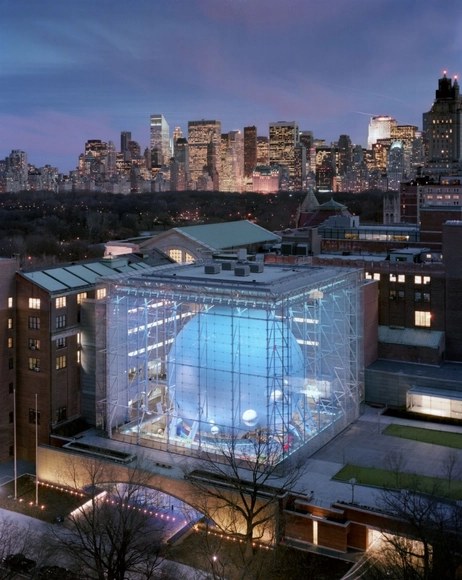
In honor of World Photo Day (August 19th) ArchDaily wanted to thank the photographers who bring to life the projects that we publish every day. So we asked architects to weigh in on the work of some of our most-appreciated architecture photographers. Here, Weiss/Manfrediwrites on behalf of ESTO.
https://www.archdaily.com/539106/world-photo-day-esto-by-weiss-manfrediAD Editorial Team
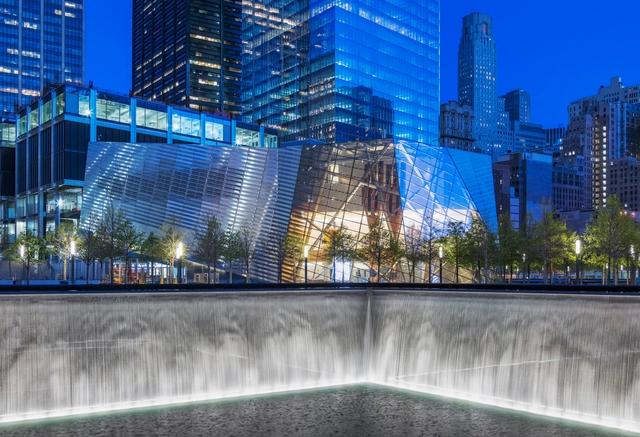
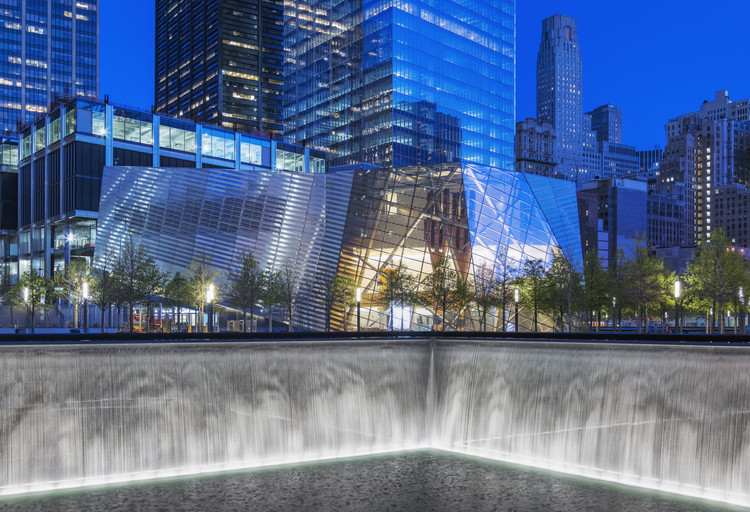
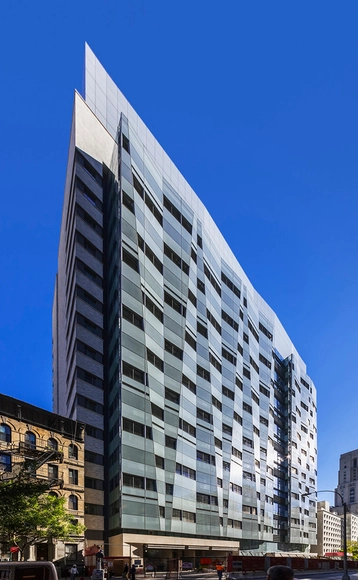
Set to open to the public on Wednesday after a highly controversial and contested journey from idea to reality, the September 11 Memorial Museum has inevitably been a talking point among critics this week. The museum by Davis Brody Bond occupies the space between the Memorial Plaza at ground level and the bedrock below, with an angular glass pavilion by Snøhetta providing an entrance from above. A long ramp, designed to recall the access ramp with which tons of twisted metal was excavated from the site, descends to the exhibits which sit within the perimeter boundaries of the twin towers' foundations, underneath the suspended volumes of Michael Arad's memorial fountains.
The content of the museum is obviously fraught with painful memories, and the entrance pavilion occupies a privileged position as the only surface level structure ground zero, in opposition to the great voids of the memorial itself. The discussion at the opening of the museum was therefore always going to center on whether the design of the museum - both its built form and the exhibitions contained - were sensitive and appropriate enough for this challenging brief. Read the critics' takes on the results after the break.
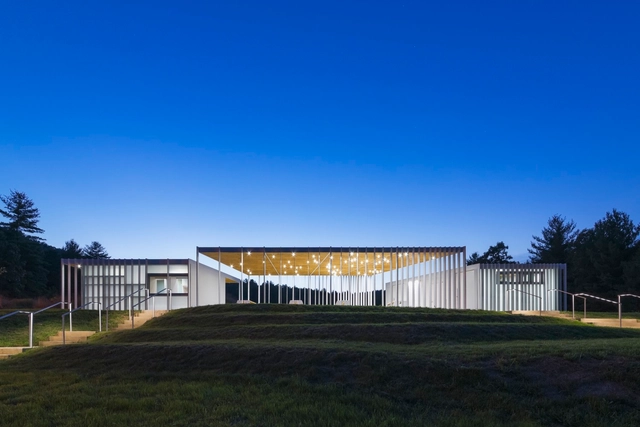
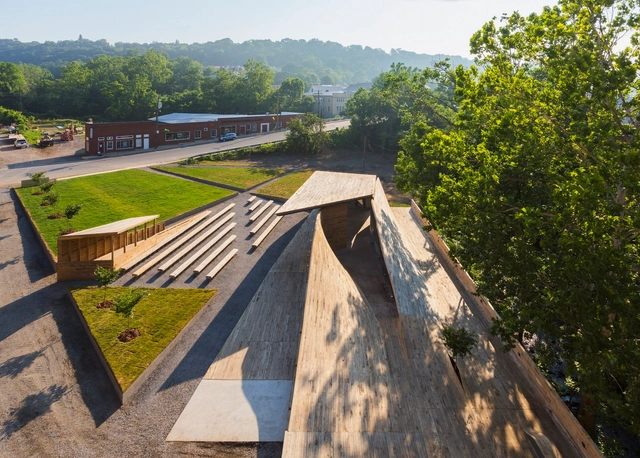
The design/buildLAB at the Virginia Tech School of Architecture + Design has recently released a new documentary by Leon Gerskovic titled Reality Check, a film that chronicles the journey of 16 students as they undergo the design and construction of their Masonic Amphitheatre in Clifton Forge, Virginia. The project was a complete redevelopment of a post-industrial brownfield into a public park and performance space; the video relates how students collaborated with local community and industry experts to bring meaningful architecture to this struggling American rail town.
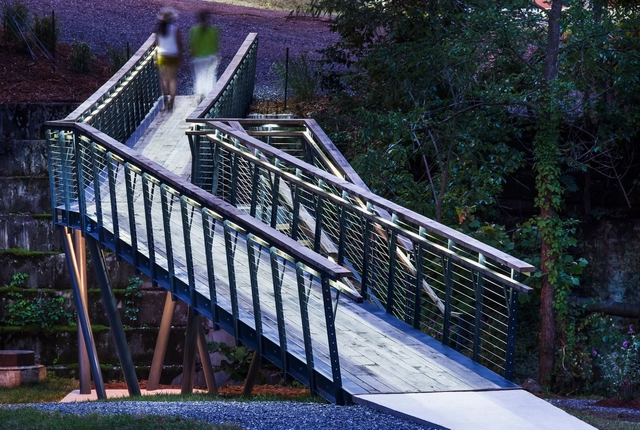
An inspiring little video from the folks at Virginia Tech that will make you want to get your designer hands dirty - today. The video follows the third-years of 2013 as they build their final project: a bridge. As the co-founder of the lab, Kieth Zawistowski, eloquently says at the video's end, "It doesn't really matter if you ever want to actually build something yourself again, what's important, in this case, is that you've seen the entirety of the process, from conception to realization." If you want to see more from design/buildLAB, check out the project completed by last year's students (which features in the last few minutes of the video): Masonic Ampitheatre.