

-
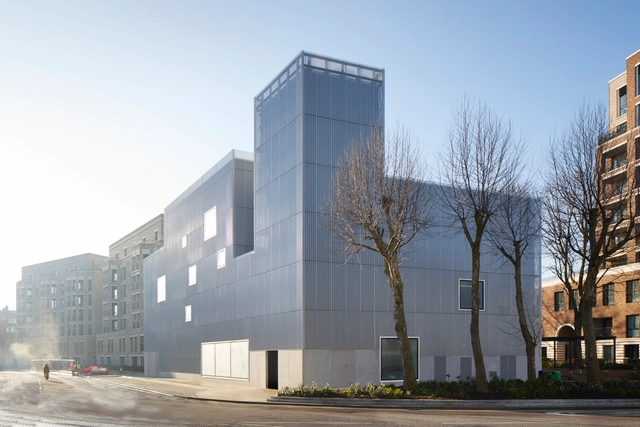
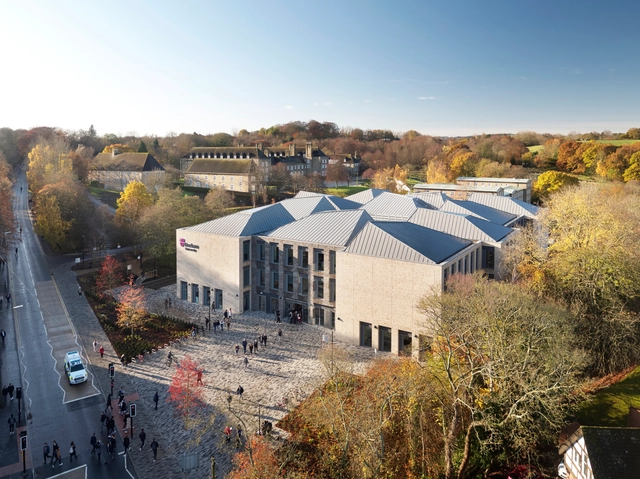
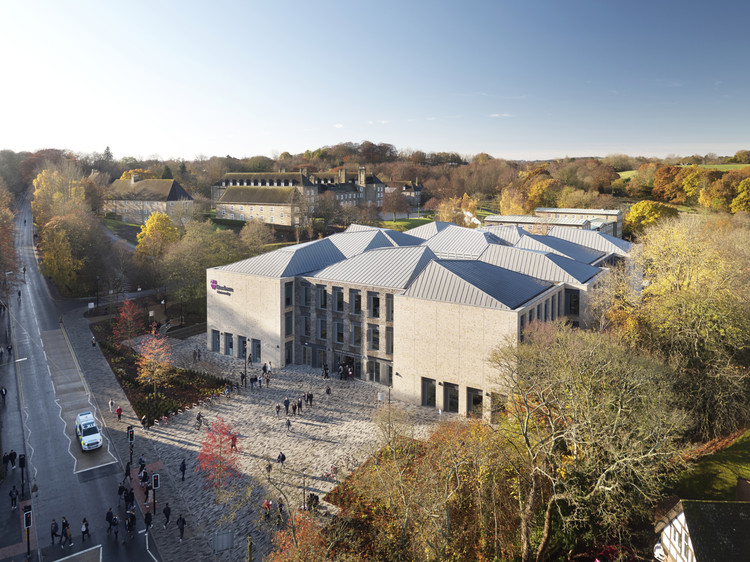
Architects: Morris+Company
- Area: 2400 m²
- Year: 2019
-
Professionals: TUV-SUD, DP9, Robert Bird Group, Bruce Shaw, Lendlease, +6

_Jack_Hobhouse.jpg?1611621957&format=webp&width=640&height=580)

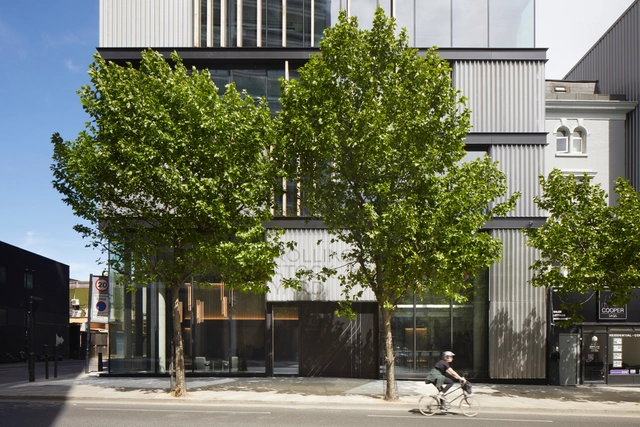
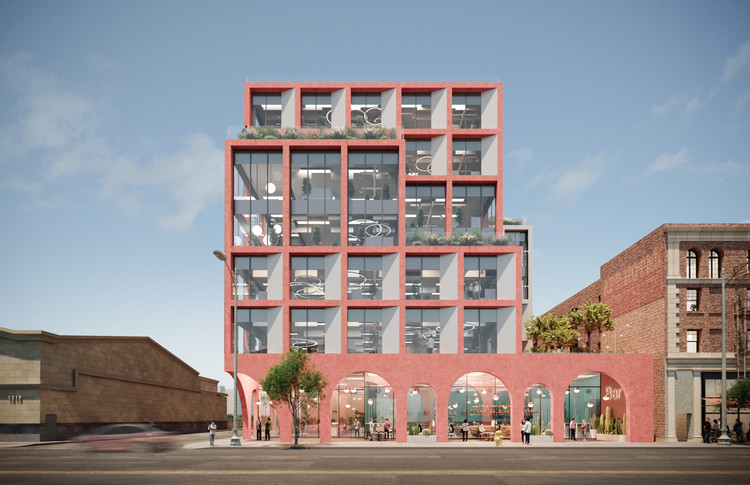
Architecture is defined by the ways people bring spaces to life. For Matthew Ollier, Partner and architect at Hawkins\Brown, the best buildings encourage interaction, collaboration and exchange. Currently, Ollier is leading the development of the firm's expansion into the North American market in Los Angeles. In an interview with ArchDaily, Ollier shares the team's approach to community engagement and building social value.

Jack_Hobhouse_(2).jpg?1597966617&format=webp&width=640&height=580)
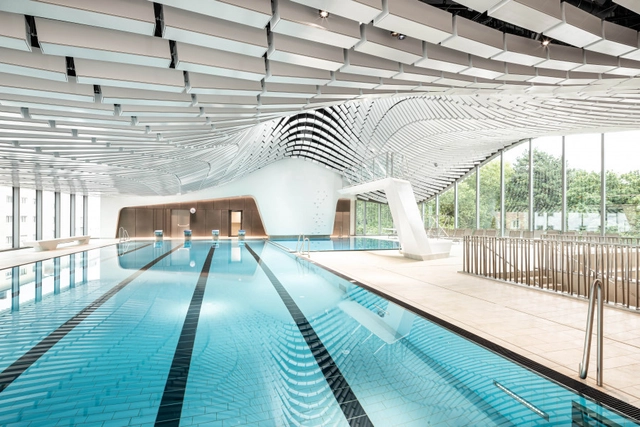
Aquatic centers are defined by activity. Making space for focused exercise and leisure alike, they are designed to support different scales of movement. At their core, they center on swimming pools. These structures explore ideas of light and space spanning millennia, from Pakistan's "Great Bath" at the site of Mohenjo-Daro and Ancient Greek palaestras to contemporary swimming complexes.
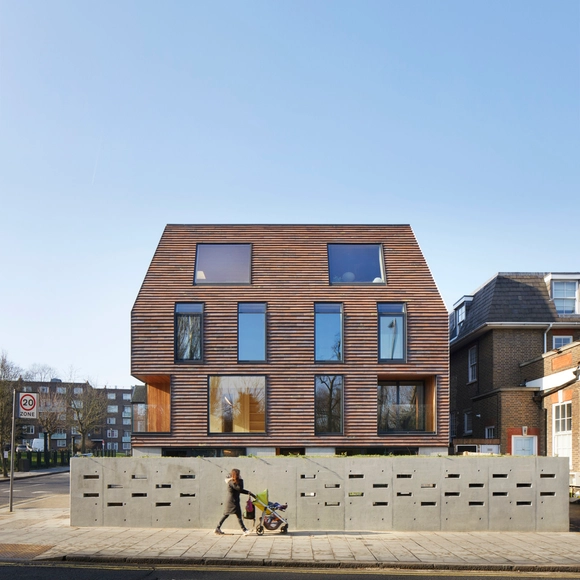

In order to ensure a proper transition into post COVID-19, architects, public health experts, and engineers are generating design guidelines to provide people with new secure, and efficient resources. Finding a balance between optimizing operations and keeping people safe, the strategies tackle the built environment that surrounds us, from restaurants and outdoor dining, to streets, offices, and retail.
Addressed to city officials, owners, and employers, the tools developed help to reopen the world, while reducing the risk of COVID-19 transmission, promoting social distancing standards, and enhancing wellbeing. Discover in this article a roundup of design guidelines securing a safe post coronavirus transition.
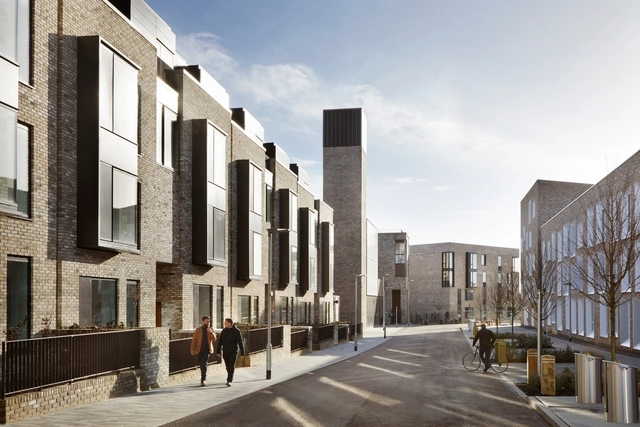
The Royal Institute of British Architects (RIBA) has published guidance to help practices navigate recovery from the COVID-19 crisis. The Recovery Roadmap is divided into three phases: Response, Recovery and Resilience. Each phase considers a series of actions that practices can take to respond to challenges across different areas of their business throughout this crisis and beyond.


Jack_Hobhouse.jpg?1576452247&format=webp&width=640&height=580)


-Jack-Hobhouse.jpg?1611622308&format=webp&width=230&height=230&crop=true)
-Jack-Hobhouse.jpg?1611622183&format=webp&width=230&height=230&crop=true)
-Jack-Hobhouse.jpg?1611622156&format=webp&width=230&height=230&crop=true)
-Jack-Hobhouse.jpg?1611622170&format=webp&width=230&height=230&crop=true)
_Jack_Hobhouse.jpg?1611621957)




Jack_Hobhouse_(2).jpg?1597966512&format=webp&width=230&height=230&crop=true)
Jack_Hobhouse.jpg?1597966640&format=webp&width=230&height=230&crop=true)
Make_Architects_(4).jpg?1597966601&format=webp&width=230&height=230&crop=true)
Make_Architects.jpg?1597966491&format=webp&width=230&height=230&crop=true)
Jack_Hobhouse_(2).jpg?1597966617)


.jpg?1590634826&format=webp&width=230&height=230&crop=true)


.jpg?1590635060&format=webp&width=230&height=230&crop=true)




Jack_Hobhouse.jpg?1576451674&format=webp&width=230&height=230&crop=true)
Jack_Hobhouse.jpg?1576451360&format=webp&width=230&height=230&crop=true)
Jack_Hobhouse.jpg?1576451503&format=webp&width=230&height=230&crop=true)
Jack_Hobhouse.jpg?1576451406&format=webp&width=230&height=230&crop=true)
Jack_Hobhouse.jpg?1576452247)