

-
Architects: MoVe arquitectura
- Area: 380 m²
- Year: 2023
-
Manufacturers: El anticuario Ladrillera, Urreta Arquitectura del paisaje
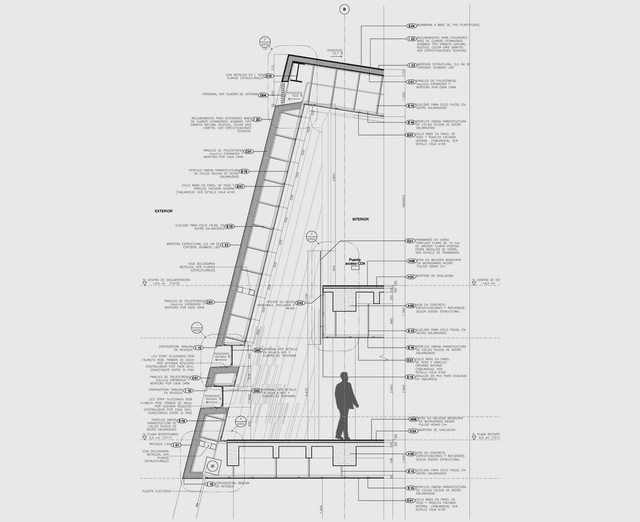
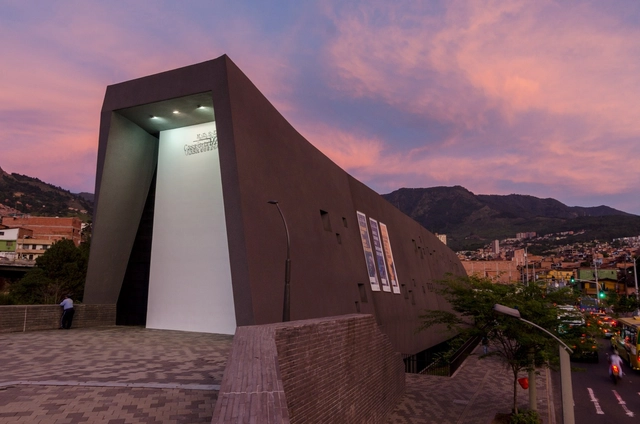
The Museo Casa de la Memoria is located in Medellín's Boston neighborhood and was developed to commemorate the bicentennial of Colombia's independence. Led by Juan David Botero as the design team coordinator, the project was conceived from the outset as a highly recognizable building for both the community and visitors, drawing its sculptural form from traditional gabled houses. "It is a museum for the victims of violence, and as such, we had to ensure it was a space for everything; a home, the house where memory comes to life," Botero says.
The 3,800-square-meter cultural facility unfolds along the creek like a tunnel, housing exhibition rooms, workshops, archives, offices, and an auditorium. Its envelope functions as a folded skin, incorporating an air cavity that absorbs cool air, draws it in through the facade, and expels it as hot air at the top. This chimney effect helps control the typical 30ºC summer temperatures of the area, ensuring a stable and comfortable indoor climate. Below, we take a closer look at its sculptural thermal and acoustic envelope.
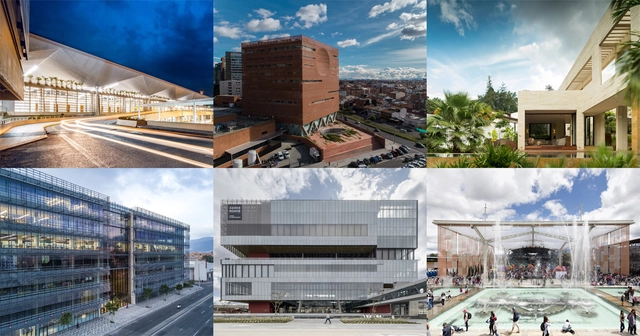
The Jury of the XXVI Colombian Biennial of Architecture and Urbanism has presented the list of projects and publications selected for the next edition of the event, which will be held once again in Cartagena this year.
Divided into eight categories, the 283 submitted projects were evaluated by an international jury comprised of Iñaqui Carnicero (Spain), Alejandro Beals (Chile), and Fabián Farfán (Bolivia), alongside local architects Germán Fonseca, Julián Rincón, Sara Giraldo, and Diego Aguilera.
The 108 finalist projects for the upcoming Colombian Biennial are:

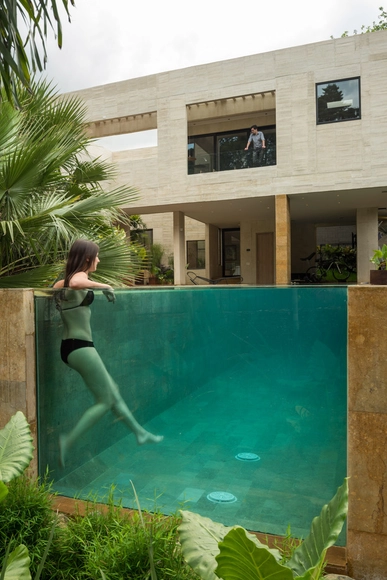
Being a region characterized by its wide variety of landscapes, biodiversity and thermal floors, the design of interior patios in Colombian homes accompanies the living, resting, access, and circulation spaces, being, on many occasions, protagonists and a source of contact with the surrounding nature.
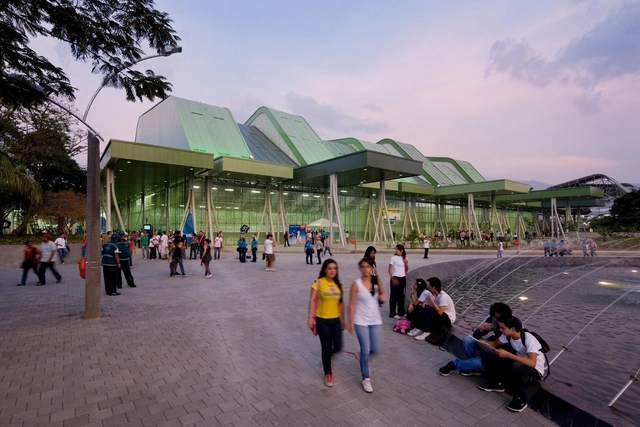
In 2013, Medellín (Colombia) was declared the most innovative city in the world as part of the City of the Year Competition, organized by the Wall Street Journal. It competed alongside metropolises like New York and Tel Aviv.
The Antioquian capital has become one of the most advanced technological and intellectual epicenters in Colombia, not to mention the important urban development that has occurred in the city since the beginning of 2010. The city’s mobility-orientated integrated infrastructure together with interventions of high social impact have turned Medellín into the center of the debate on the growth and development of Latin American cities.
The following projects tell you the story of a city that bet on urban consolidation through quality public spaces and projects that encouraged citizen management by supporting the development of marginalized areas in a process of social reconstruction, where architecture has played an important role as a spatial formulation tool.
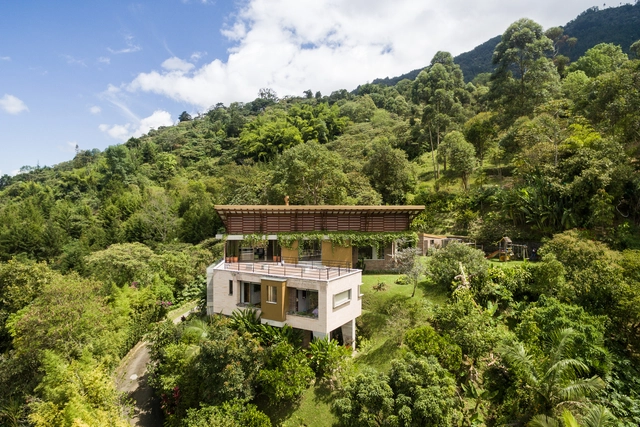
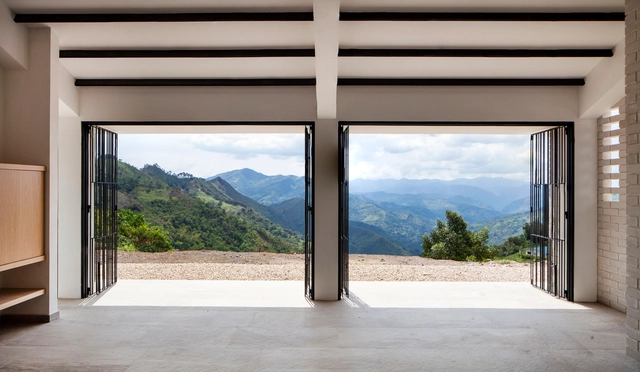
For houses throughout the world, the barriers between the inside and outside of houses are solid and well-defined, allowing the spaces within the home to be protected from the weather conditions outside and made comfortable for the inhabitants inside. In countries like Colombia, which sit close to the equator and enjoy a warm, subtropical climate, temperatures average just above ideal thermal comfort.

.jpg?1573568986&format=webp&width=230&height=230&crop=true)
.jpg?1573568977&format=webp&width=230&height=230&crop=true)