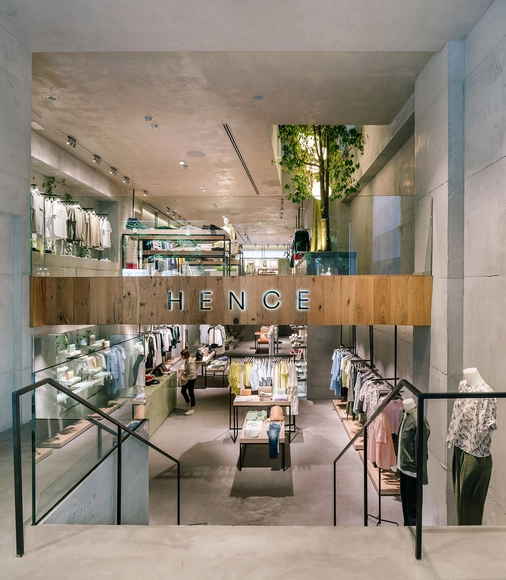
Designing commercial spaces has historically been a challenge. In these environments, spatial distribution plays a fundamental role, even more so if we have a few extra square meters. With this being said, the study of these spaces in plan and section can be a great starting point. It not only allows us to analyze the logistics and circulation of customers but also helps us find efficient variations and innovations that will enable your store to stand out from the others.
Below, we've selected a series of 25 examples in plan and section that can help you understand how different architects faced the challenge.
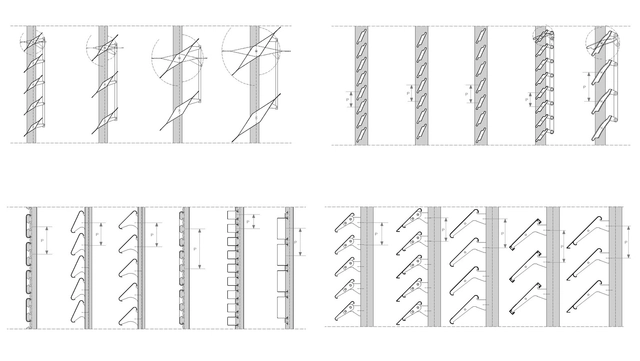
During warm summer months, buildings must maintain an adequate and comfortable temperature for the users of the space. Blinds or solar screens are an effective solution in projects that have large glazed surfaces, thus reducing the temperatures generated by direct sunlight.
Below, we have selected 6 Spanish projects that creatively use louvers and shutters in their facades.
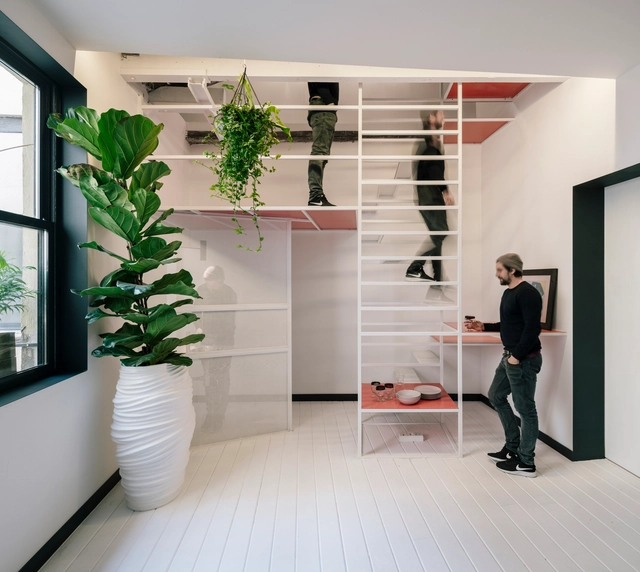
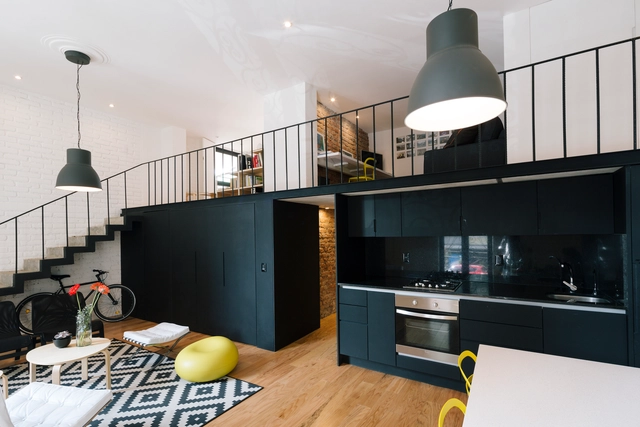
Faced with the challenge of designing homes on terrains with steep slopes - or in compact urban contexts that do not allow much variation in plan - several architects have experimented and proposed split-level homes to enhance the use of space, allowing, among other things, interesting visual perspectives.
These variations can be seen in numerous examples published on our site. Below, we have selected 50 examples that can help you in your next project.
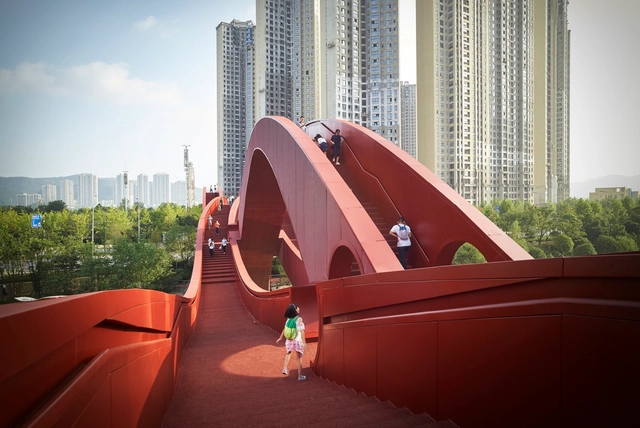
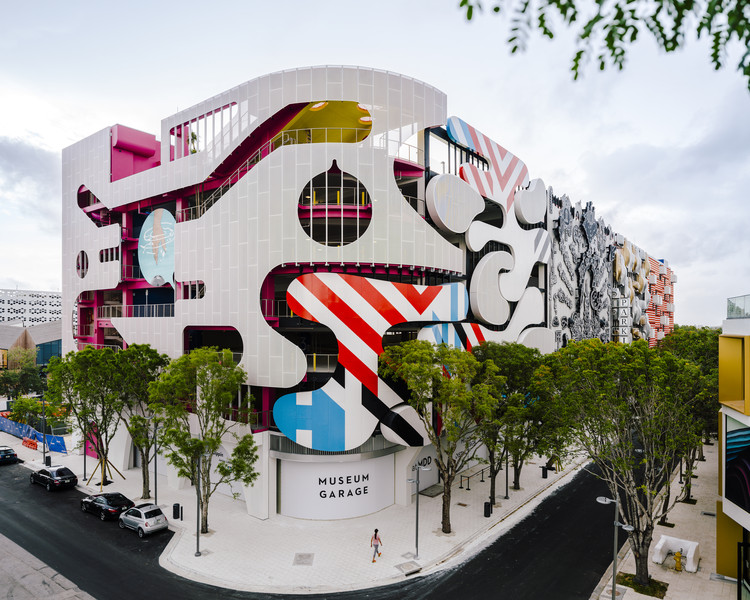
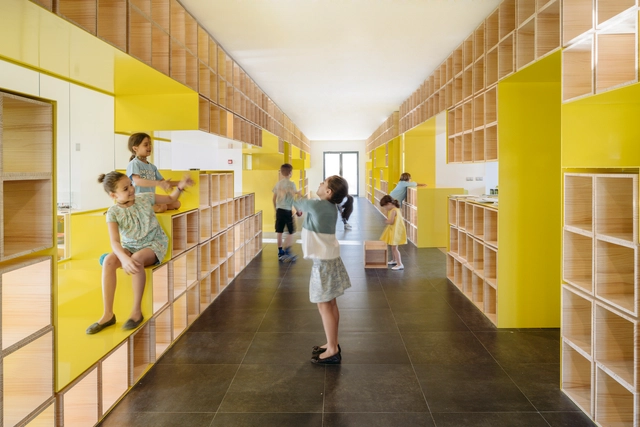
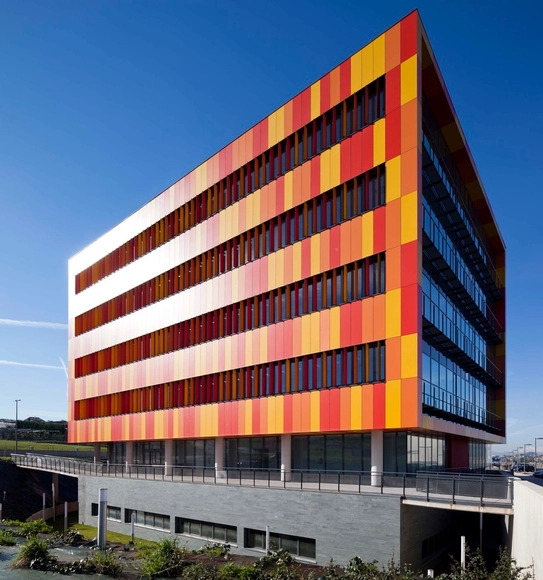
This week, colorful projects are here to steal the show. Few architects have dared to use color in their works, however, when done so the results can be incredible. Here is a selection of 15 images from prominent photographers such as Gregori Civera, Julien Lanoo and Subliminal Image that show us the huge potential of color.
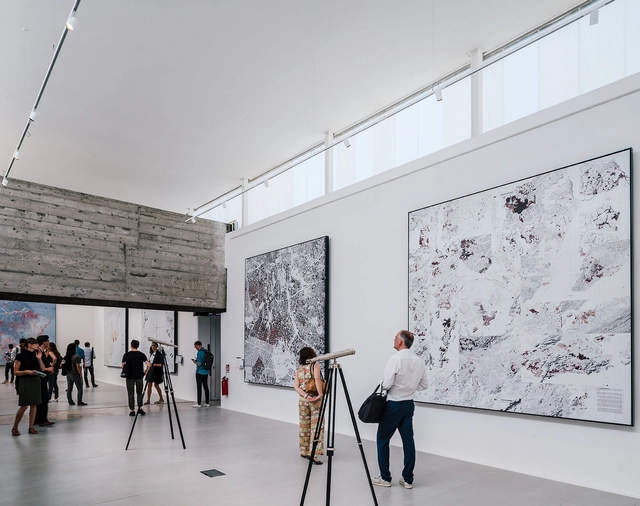
The concept and title Walls of Air was conceived as a response to the theme of Freespace proposed by curators Yvonne Farrell and Shelley McNamara in order to provoke questions about: 1. the different sorts of walls that construct, on multiple scales, the Brazilian territory; 2. the borders of architecture itself in relation to other disciplines.
Therefore, a reflection began on how much Brazilian architecture and its urban developments are, in fact, free. Without the ambition of reaching an answer, but hoping to open the conversation to a large and diverse public, we chose to shed light on processes that often go unnoticed due to their nature or scale. The immaterial barriers built between people or neighborhoods, and the processes of urbanization in Brazil on a continental scale are examples of questions we considered.