

-
Architects: Pham Huu Son Architects
- Area: 650 m²
- Year: 2024
-
Professionals: Nha Xanh 79 Company
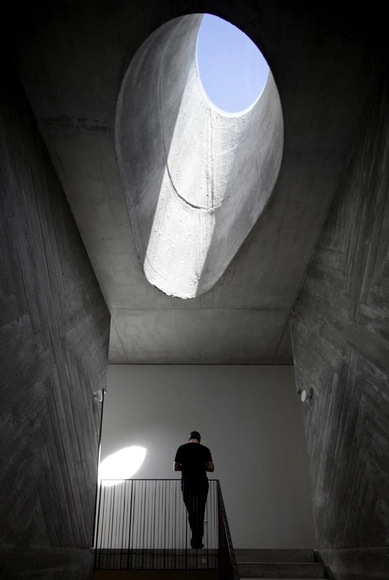
For most people, modern living requires spending most of the day in interior spaces - in fact, according to a report by the Environmental Protection Agency, the average person spends around 90% of their life indoors. As a result, this implies missing out on health benefits associated with sunlight exposure, such as vitamin D absorption, regulation of circadian rhythms, higher energy levels and even improved mood. Thus, one option is to increase the amount of time we spend outdoors. But because most daily functions are carried out inside buildings, it is crucial to incorporate and prioritize natural lighting in interiors.
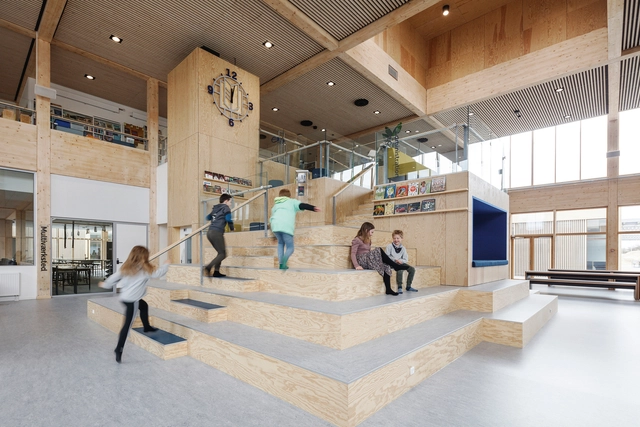
With spaces for children, “you have the opportunity to create architecture that in many ways is unformulated architecture. Children react to spaces completely spontaneously. It is almost an enhanced architecture”, says Dorte Mandrup. The implication is that design can contribute to forming critical thinking, encouraging autonomy, and responsibility, and helping forge future citizens. For the most part, the educational system and its spatial expression haven’t changed significantly in the last hundred years. Nonetheless, with access to information becoming ubiquitous, the focus is slowly moving from accumulating information to nurturing critical thinking, and new teaching methods open up a new area of architectural experimentation. The following explores the impact of space on learning, specifically in primary and secondary education, discussing how architecture could aid the educational process, becoming a teaching tool.

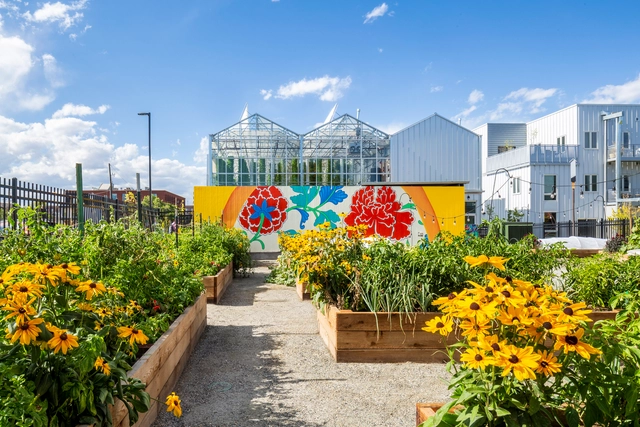
The UN Food and Agriculture Organization (UNFAO) accounts for over one-tenth of the global population, approximately 800 million people, practicing urban agriculture worldwide. In the United States, millions of citizens lack access to supermarkets. Urban farmers play a crucial role in addressing food security issues in American cities.
Historically, the distance between rural and urban areas has never been greater, making traditionally rural food sources widely inaccessible. Cities initially would develop around centralized markets that brought produce from farmlands to urban centers. Today, urban agriculture is revitalizing this connection between city dwellers and agricultural products.

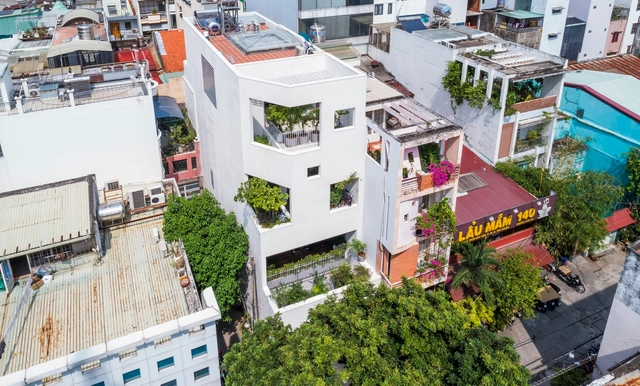
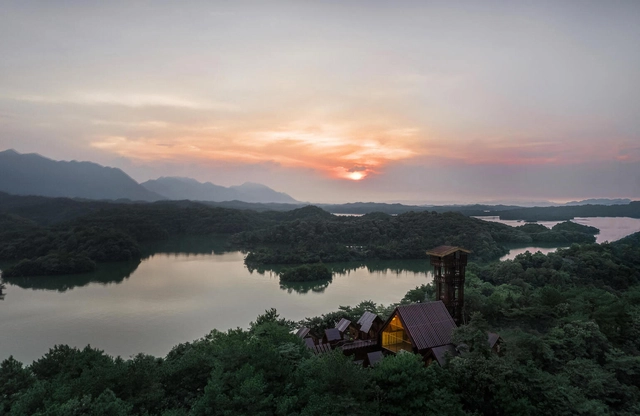
When designing and building an island getaway paradise there are certain creature comforts expected by even the most back-to-basics visitor, to find peace and comfort in an inaccessible environment – like food, shelter, clean water, and a way to contact the mainland – but doing so requires a careful balance between making these least-visited places on Earth both habitable and hospitable, without destroying them or their serenity in the process.

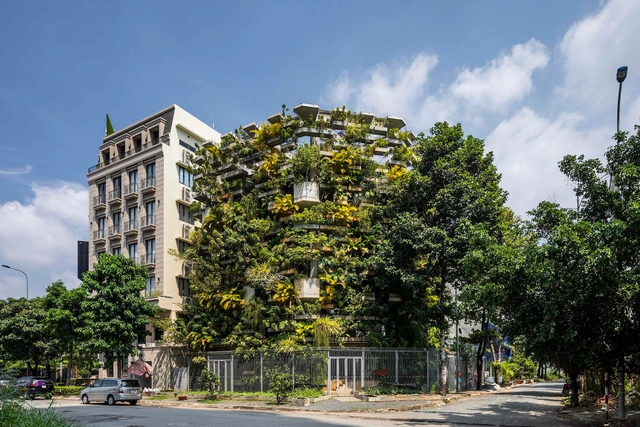
Increasing in both size and number, cities worldwide are experiencing accelerated growth. With green land regularly lost to either urbanization or its effects – such as rising sea levels or natural disasters – and expanding populations meaning more mouths to feed, the farming and agricultural industries are in crisis. Viewed by many as the solution, vertical farming is the practice of stacking layers of crops atop each other, using humanity’s latest design and engineering tech to grow more with less space.
More traditional horizontal farmland, however, does more for the environment than simply growing our food. The open-air green spaces often serve as natural habitats, air filtration, and temperature control for the surrounding area. By stepping up the concept of vertical farming into the world of architecture, we can bring all the goodness of the farm, straight to our doorstep.