Hiroyasu Sakaguchi

BROWSE ALL FROM THIS PHOTOGRAPHER HERE

Atelier Bow-Wow and Climate Scientists Honored with 2026 Daylight Award on UNESCO International Day of Light

On UNESCO's International Day of Light, celebrated annually on May 16, the Daylight Award announced its 2026 laureates. Established to support research into the scientific understanding of daylight and its significance for health, well-being, ecosystems, and architectural design, the award recognizes achievements in two categories: Daylight in Architecture and Daylight Research. This year, Japanese architects Momoyo Kaijima and Yoshiharu Tsukamoto of Atelier Bow-Wow were honored for demonstrating how daylight can shape shared spaces and everyday life, while marine biologists Brittany N. Zepernick, Steven W. Wilhelm, and R. Michael McKay of the United States and Canada were recognized for their research on aquatic microorganisms and their implications for planetary health and biodiversity.
Water and Wellbeing: Projects that Explore the Potential of Public Baths and Pools

Subscriber Access | 

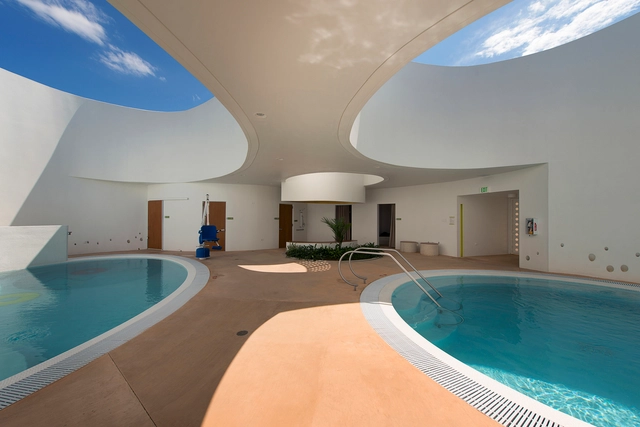
There is something about water that continually captures our imagination. Tranquil, dramatic, or ever-changing, the architecture of public baths and swimming pools can enhance the inherent qualities of water. Bathhouses were traditionally meeting-spaces where social differences bled away into skin and steam. Even in contemporary architectural projects, spaces for swimming and bathing often feel like a separate world, therapeutic and intimate.

Below are 12 projects that display stunning spaces for communal bathing and swimming.

Water and Wellbeing: Projects that Explore the Potential of Public Baths and Pools - More Images+ 7

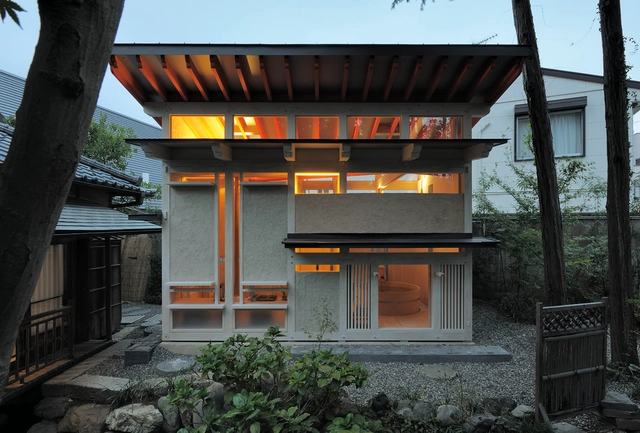
Bathhouse of Fireflies / TAKASAKI Architects

Bathhouse of Fireflies / TAKASAKI Architects - More Images+ 25

Ogawa, Japan

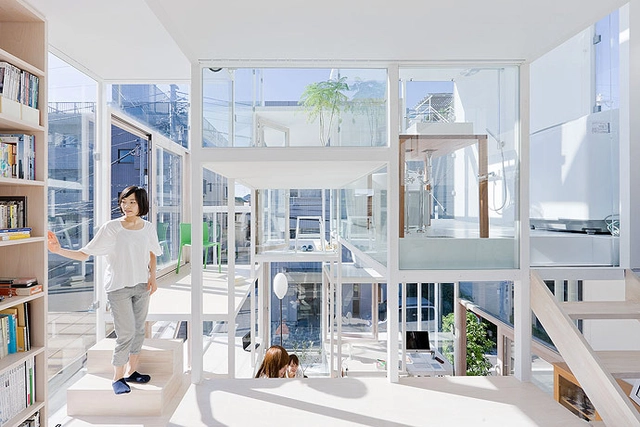
Why Japan is Crazy About Housing

Subscriber Access | 

Japan is famous for its radical residential architecture. But as Tokyo architect Alastair Townsend explains, its penchant for avant garde housing may be driven by the country’s bizarre real estate economics, as much as its designers’ creativity.

Here on ArchDaily, we see a steady stream of radical Japanese houses. These homes, mostly designed by young architects, often elicit readers’ bewilderment. It can seem that in Japan, anything is permissible: stairs and balconies without handrails, rooms flagrantly cast open to their surroundings, or homes with no windows at all.

These whimsical, ironic, or otherwise extreme living propositions arrest readers’ attention, baiting us to ask: WTF Japan? The photos travel the blogosphere and social networks under their own momentum, garnering global exposure and international validation for Japan’s outwardly shy, yet media-savvy architects. Afterall, in Japan – the country with the most registered architects per capita – standing out from the crowd is the key to getting ahead for young designers. But what motivates their clients, who opt for such eccentric expressions of lifestyle?

Why Japan is Crazy About Housing - More Images+ 4

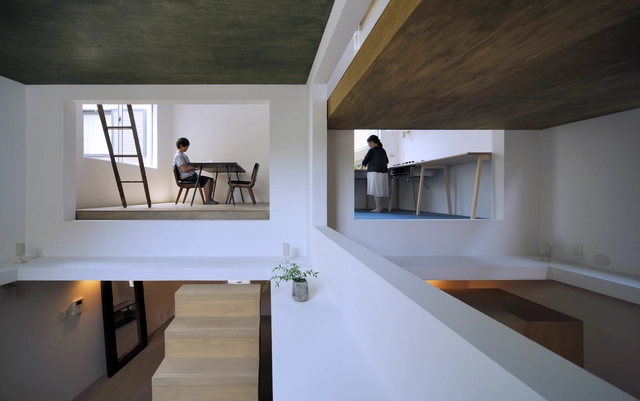
House in Takadanobaba / Florian Busch Architects

House in Takadanobaba / Florian Busch Architects - More Images+ 16

HouseT / Hiroyuki Shinozaki Architects

HouseT / Hiroyuki Shinozaki Architects - More Images+ 13