The world certainly looks different through the eyes of a young child; enormous, intriguing, and somewhat overwhelming, and it has long been believed that what we encounter as children shapes our perspective of the world. When asked about his childhood memories in Switzerland, Peter Zumthor shared that the memories of his youth contain the deepest architectural experience, which has become reservoirs of the architectural atmospheres and images that he explores in his work as an architect today.
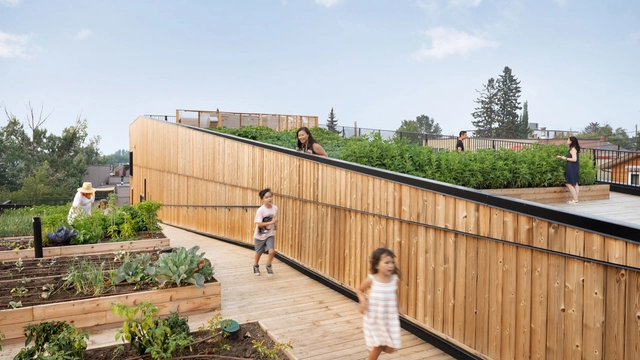
Having a complete understanding of how children change and grow physically and psychologically throughout their childhood requires an in-depth observation of different factors, such as their hereditary traits and genetics, the interactions they have with other children and adults, as well as the environment they are living, playing, and learning in. In celebration of World Children's Day on November 20th, we look at how architects and designers stimulated children's autonomy and promoted their mental and physical well-being through architecture and interior design. This initiative aligns with the theme of World Architecture Day 2024: "Mobilizing the Next Generation for Urban Transformation," emphasizing the crucial role that thoughtful design plays in shaping a sustainable and inclusive future for our cities and the communities within them.
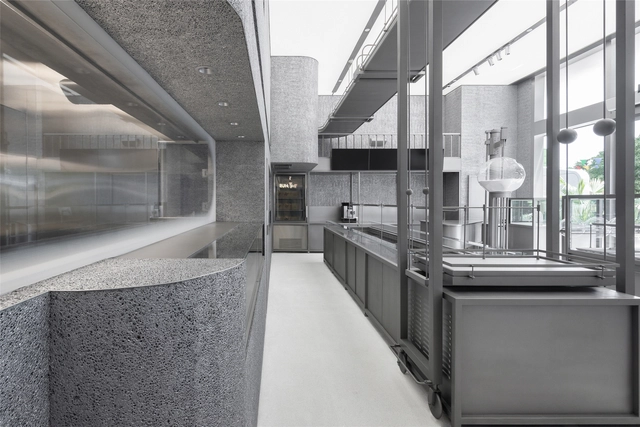
Stabilized Aluminum Foam is a unique looking material that combines the aesthetics of aluminum (its texture, shades and brightness) with a spongy, porous appearance. It is produced by injecting air into a cast aluminum alloy with stabilizing agents, which after curing, creates a porous and lightweight, yet highly resistant and rigid cellular structure. Because of its mechanical and thermal properties, it is particularly useful in applications in various industries, such as automotive, aerospace and marine, especially for energy absorption, thermal insulation, and sound dampening.
As our world evolves at an unprecedented pace, the challenges that come with it are becoming more and more complex. The questions faced by the cities and networks of our global world, the physical and virtual environments where our evolution takes place, are making architecture more relevant than ever.
The issues of the built environment are no longer exclusive to the incumbents who build and design it and have become transversal questions in our society. From the citizens who question the quality of their public spaces to the self-trained builder erecting a tiny house in the woods, to the homeowners using an app to codesign their interiors during lockdown, we want to have a saying and we want to take action. Why does architecture have to be so uncertain, so distant?
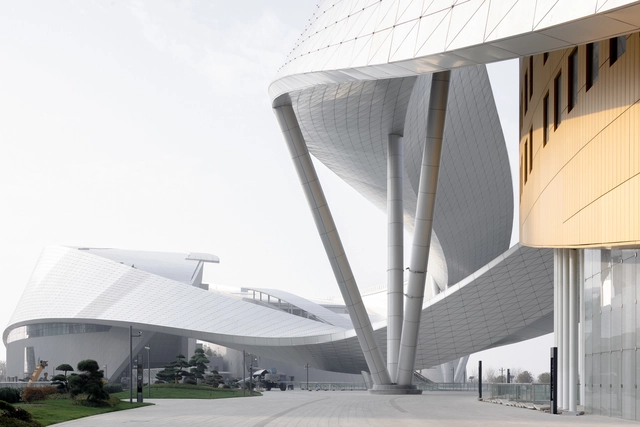
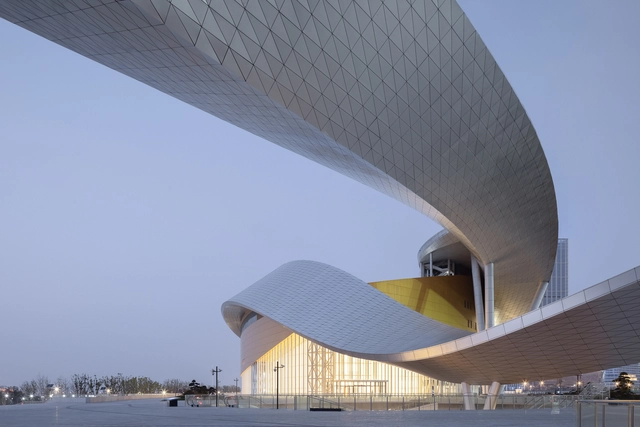
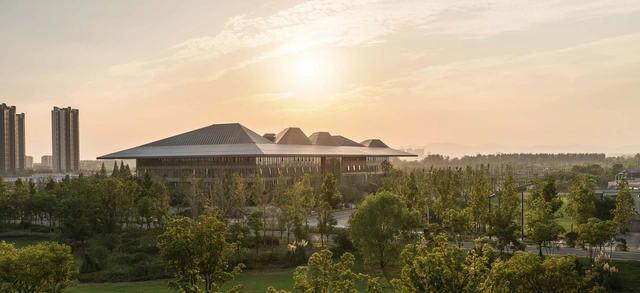
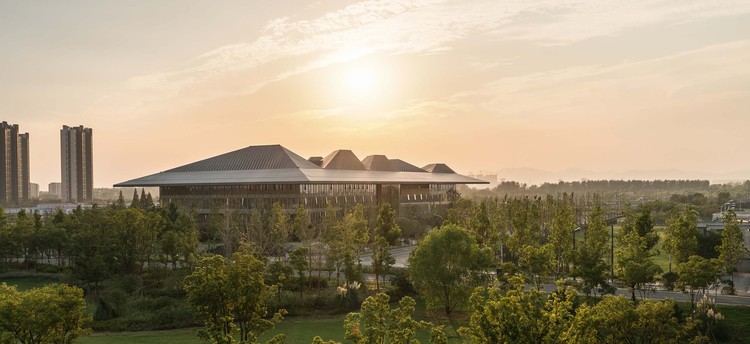
The Suzhou Bay Cultural Center is part of a series of emblematic projects initiated by the city's Wujiang Lakefront Masterplan. Located on the shores of Lake Tai, the deserted plain was discovered by Christian de Portzamparc in 2013, while rethinking the future city. It was then built so quickly, that the architect never ceased to be amazed after every visit. Alive, it is like a real Manhattan of towers organized through a grid of streets and avenues, bordering a central pedestrian axis that heads towards the lake. It was clear that the meeting of this pedestrian axis and the great lake would generate an exceptional place, and it was on this site, on each side, that the cultural center was to be implanted in the architecture competition.
https://www.archdaily.com/953441/suzhou-bay-cultural-center-is-a-coexistence-of-large-and-small-scales-interview-with-christian-de-portzamparc韩双羽 - HAN Shuangyu
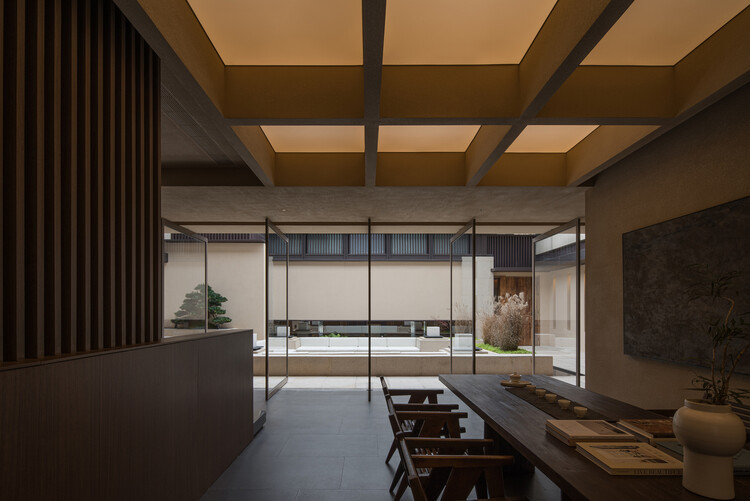
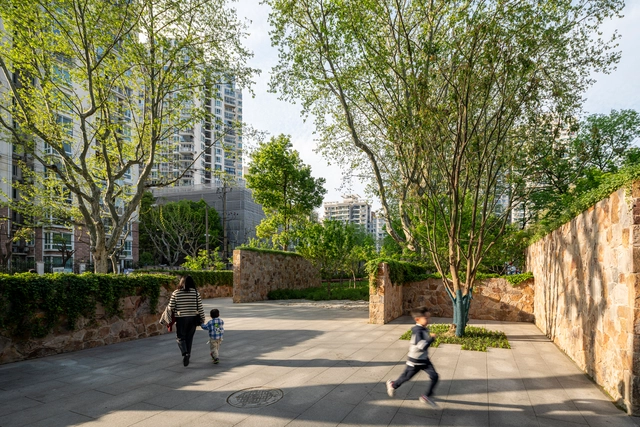
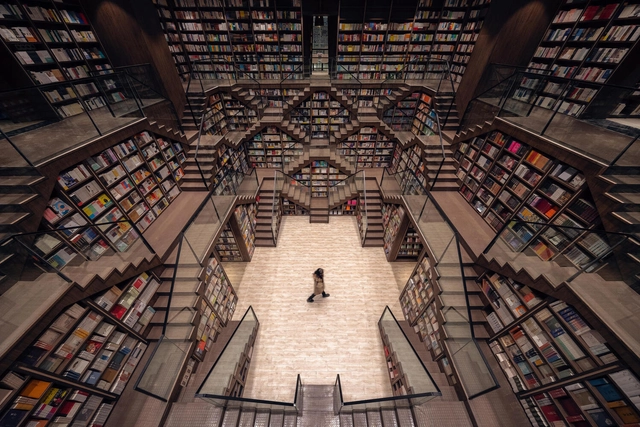
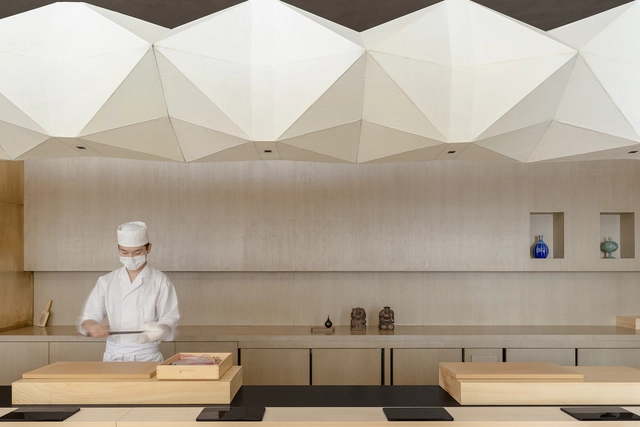
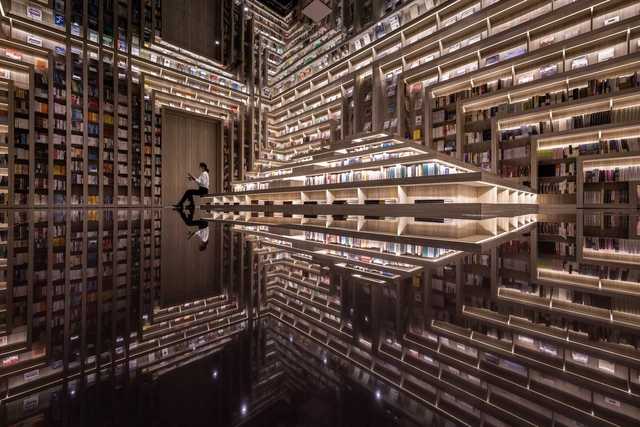
The incorporation of the human figure is one of the most effective tools used in architectural photography: it helps the viewer decipher the scale of work and assess its amplitude. While it successfully communicates a rough idea of the measurements of the elements in the picture, it also helps architecture become more relatable and accessible. People engage better with the built environment when it is populated, mainly because the human sense of society and community is the cornerstone of our civilization. With this in mind, we are showcasing a selection of our favorite photographs where the human figure takes center stage, enhancing our reading of architecture.