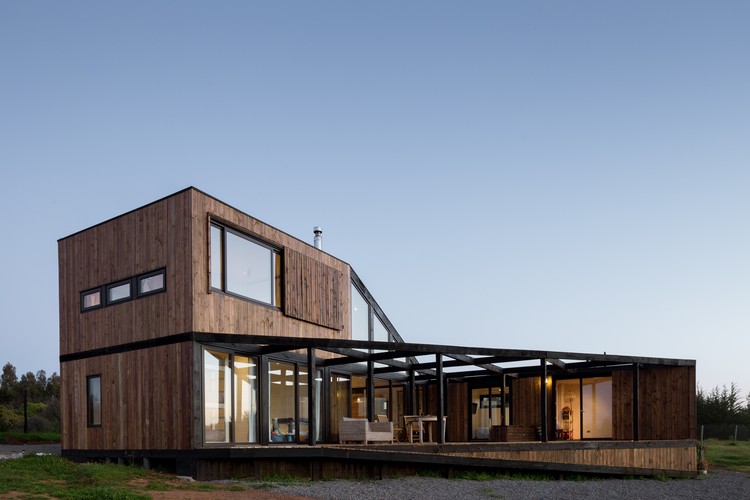


-
Architects: Catalina Poblete, Guillermo Hevia García
- Area: 500 m²
- Year: 2022
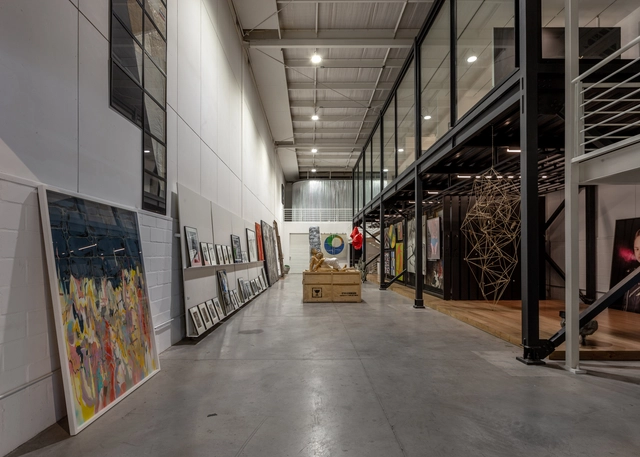
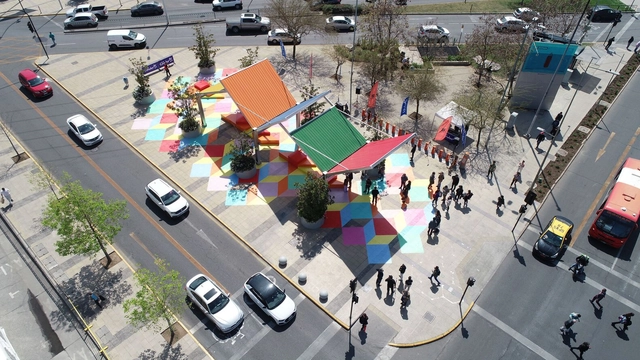
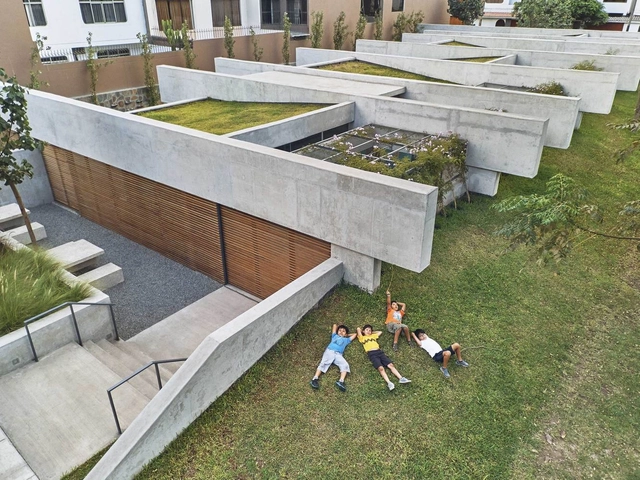
How many times have you been faced with the challenge of designing a cultural center? While this may seem like quite a feat, many architects have had to design a program that blends a community center with culture.
Among the projects published on our site, we have found numerous examples that highlight different responses, from flexible configurations to sites that prioritize central gathering areas for citizens and activities. See our series of 50 community centers and their plans and sections below.
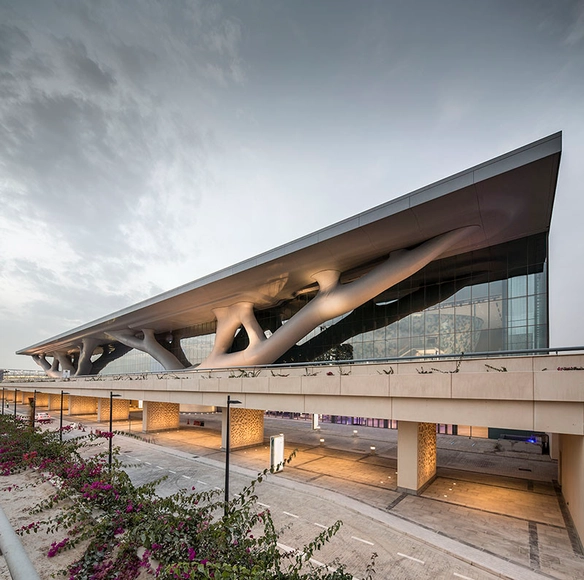
Japanese architect and theorist Arata Isozaki, winner of 2019's Pritzker Prize, passed away at the age of 91. Since the 60s, Isozaki has been showing outstanding innovative ideas in his works, influencing eastern professionals with a forward-thinking approach that takes its roots from Japan. In a special tribute to the architect's achievements, ArchDaily highlights the immense list of Arata Isozaki’s projects and recreates the architect's professional development path since his very first works.
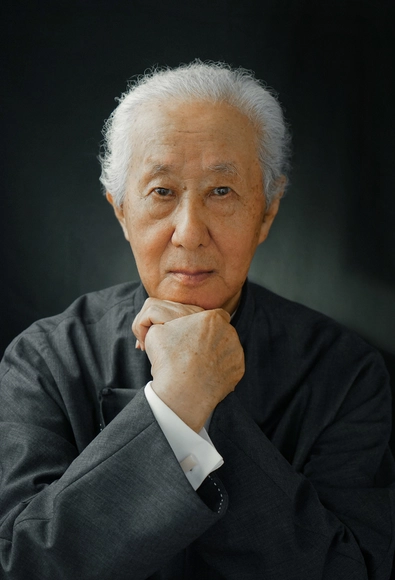
2019 Pritzker Prize laureate Arata Isozaki passed away this Thursday, December 29, at the age of 91, as reported by the Spanish newspaper La Vanguardia.

Following nearly 50 years of rapid urbanization, urban renewal has transitioned from an era of incremental growth to one of existing stock. Urban planning has shifted from expansion toward the high-quality renovation of existing assets to reactivate spaces. Looking back at recent adaptive reuse projects by Pritzker Prize laureates, we examine how these masters respond to today's challenges of urban stock renewal.
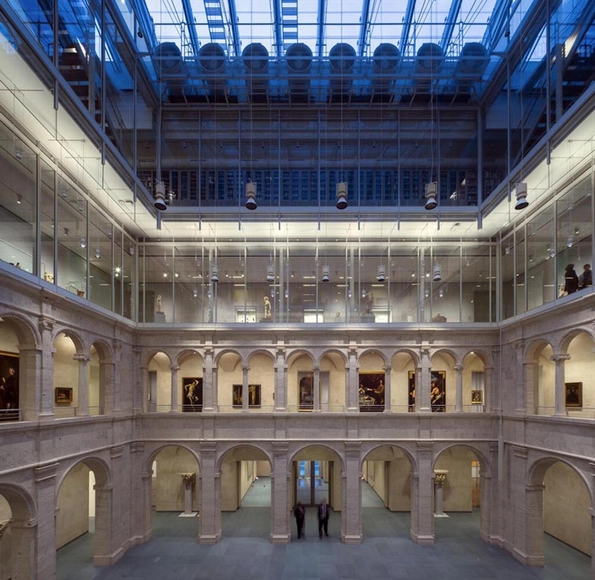
Responsible use and consumption of natural resources and the impacts of the building industry have been ongoing concerns in the field of architecture and urban planning. In the past, concepts such as clean slates, mass demolitions, and building brand new structures were widely accepted and encouraged. Nowadays, a transformation seems to be taking place, calling for new approaches such as recycling, adaptive reuse, and renovations, taking advantage of what is already there. This article explores a selection of projects and provides a glimpse into interventions by renowned architects in pre-existing buildings.
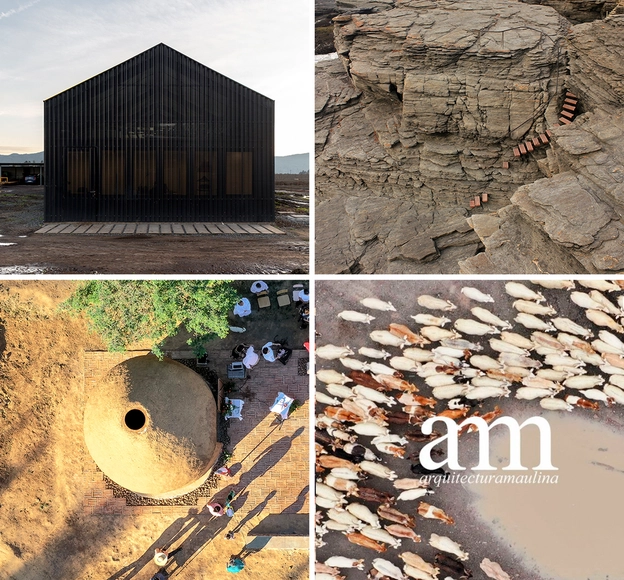
For years, the Talca School of Architecture has played a major role in highlighting the architectural value of the Maule Region in south-central Chile. It is here that the new publishing project Arquitectura Maulina has chosen to continue this path, not only by showcasing some of its own productions but also by publishing articles by professionals, students, and photographers. Their goal is to foster dialogue, prompt questions, and document how we observe this territory and what we ought to do for its benefit.
In the following interview, they share their inspiration when approaching this topic, alongside reflections on academia and the discipline in the region.

UMWELT is an architecture and territorial design practice and research office founded by Ignacio García Partarrieu and Arturo Scheidegger. Based in Chile, they have successfully expanded their interests across multiple scales and formats without drawing a distinction between design and research. The result is a diverse body of work, explorations, books, classes, and exhibitions that serve as different facets of the single project called UMWELT.
In the following interview, we delve deep into their current interests and concerns, their creative process when approaching a project, the numerous accolades of their rising career, and their upcoming projects and outlook on the future of architecture in Chile.
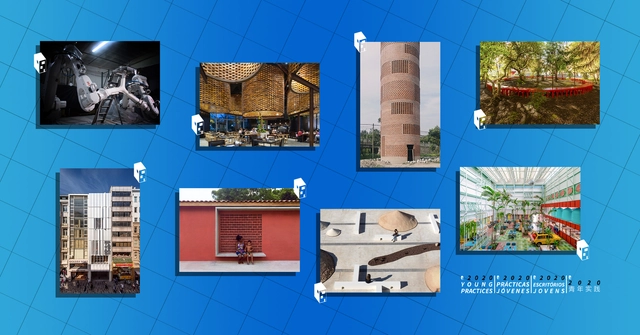
ArchDaily is proud to announce the 2020 Young Practices selection. This premier edition highlights emerging offices that are providing innovative approaches, proposals, and solutions to some of the main challenges Humankind is facing right now. From climate crisis to racial and gender issues. From technological disruption to social cohesion. These challenges are shaping the evolution of architecture, leading the discipline towards a new society and a new economy.
Chosen from over 350 submissions from 72 countries and 215 cities, all over the world, the selected firms reflect the sequential changes architecture has been navigating through over the last twenty years, with the rise and latter consolidation of new technologies, tools, formats, topics, scales, and interdisciplinary approaches.