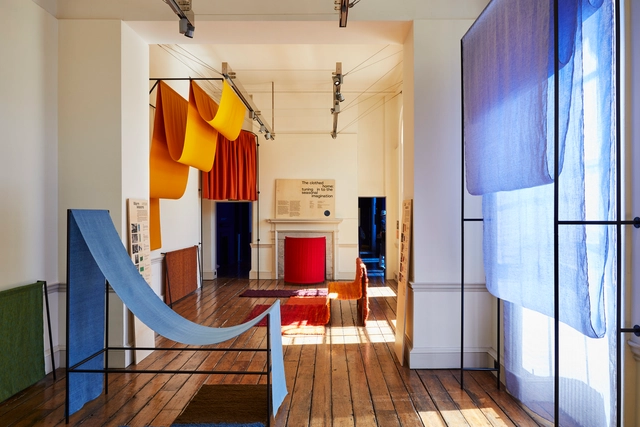
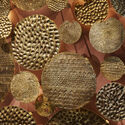
In my 2008 interview with Kengo Kuma in Manhattan—the Tokyo-based architect was in town for a lecture at Cooper Union and to oversee the construction of a house renovation in nearby Connecticut— he summarized the intention of his work for me, "The closest image to the kind of architecture I try to achieve is a rainbow." The architect designs his buildings as a chef would prepare a salad or a florist arrange a bouquet of flowers—by carefully selecting ingredients according to their size, shape, and texture. He then tests whether they should touch, overlap, or keep a distance to let the airflow pass through. The process is closer to a trial-and-error scientific experiment rather than an artistic exercise in projecting visionary forms and images. Although his buildings surely look strikingly artistic and utterly breathtaking. They are both precise and loose, primitive and refined, material and transient. The architect's fascination with materiality is startling, and despite having completed many dozens of buildings all over the world over the course of his distinctive career, in our conversation last month over Zoom, Kuma told me, "I stand at the beginning of a long process of material exploration."
“The Kind of Architecture I Try to Achieve Is a Rainbow:” In Conversation With Kengo Kuma
Temporary, but with Long-Lasting Effects: 6 Ways in Which Architecture Festivals Can Revitalize a City

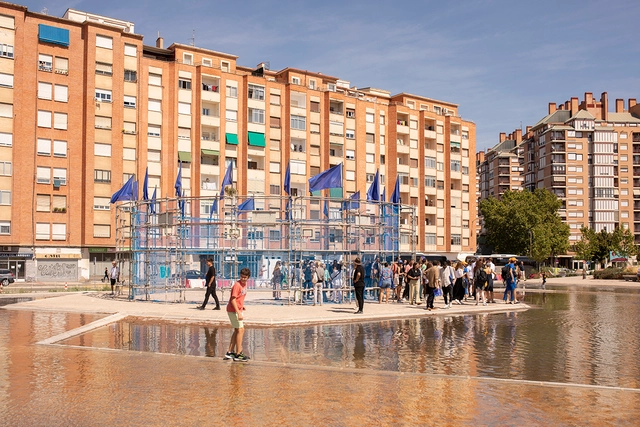
Biennales, exhibitions, and architecture focused festivals provide a platform for opening debates, conducting research, and driving innovation, but they can also contribute to the incremental changes that shape the image and the character of a city. Through temporary installations and experiments, this type of events have the opportunity to open lines on inquiry into the quality of urban spaces, inviting visitors and residents to slow down, break away from their daily routine and interrogate their local environments. The effects might not be immediate, but by cumulating these impressions and moments of contemplation, architecture and design festivals can have a long-lasting impact on the cities that welcome them.
The History of the Penrose Stair and its Influence on Design

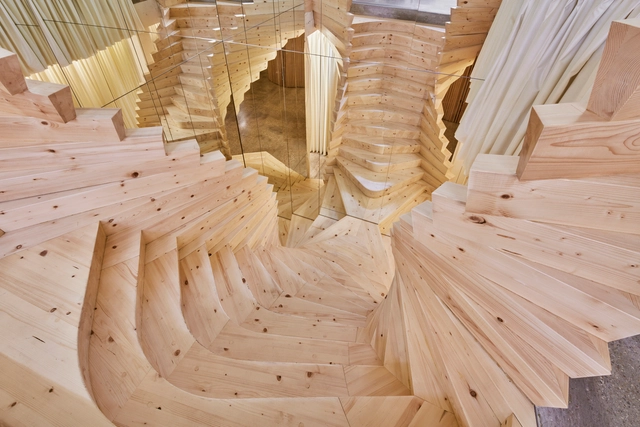
Stairs in architecture are oftentimes a design focal point- the heavyhandedness in creating something that moves us from one level to the next, up and down repeatedly, something so simple and familiar with a twist is what makes the experience of traversing a stair so unique. Our obsession with stairs and the level of illusion that they create in architecture perhaps stems from the way that they’re able to twist the optics and perceptions of space. We understand that they transport us in one direction or another, but can stairs ever be circular? Is it possible to go up and down for eternity?
Grafton Architects' Kingston University Town House and Lacol's La Borda Win the 2022 EU Mies Award

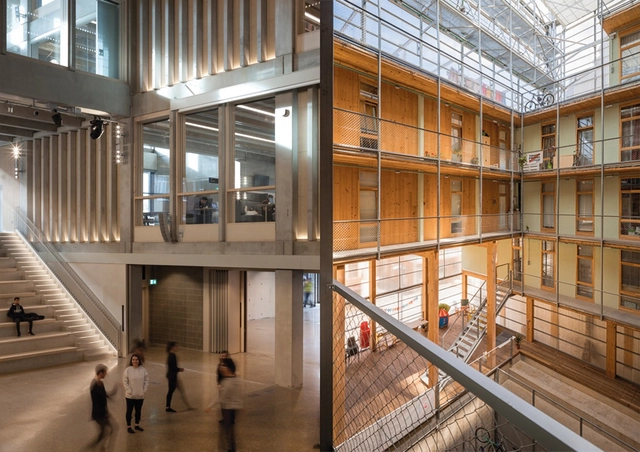
The European Commission and the Mies van der Rohe Foundation have announced that Kingston University Town House by Grafton Architects and La Borda cooperative housing by Lacol are the recipients of the 2022 European Union Prize for Contemporary Architecture - Mies van der Rohe Award. Winner of the Architecture Category, Kingston University Town House was awarded for its "remarkable environmental quality that creates an excellent atmosphere for studying, gathering, dancing and being together". The 2022 Emerging Architecture Prize was given to La Borda cooperative housing by Lacol in Barcelona, commended for its "co-ownership and co-management of shared resources and capacities".
Sayang House / Carlos Gris Studio

-
Architects: Carlos Gris Studio
- Area: 187 m²
- Year: 2021
-
Manufacturers: Avis Decorators Ltd, Blinds, Checkalow Tiles Ltd, Christopher Wray, Ivett and Reed, +2
-
Professionals: JMS Engineers, Theo Bailey, Kieran Harcourt, Danny Hatley, Eco Installer
Design in the Age of Digitalization: 6 Digital Pavilions at the 2021 London Design Biennale

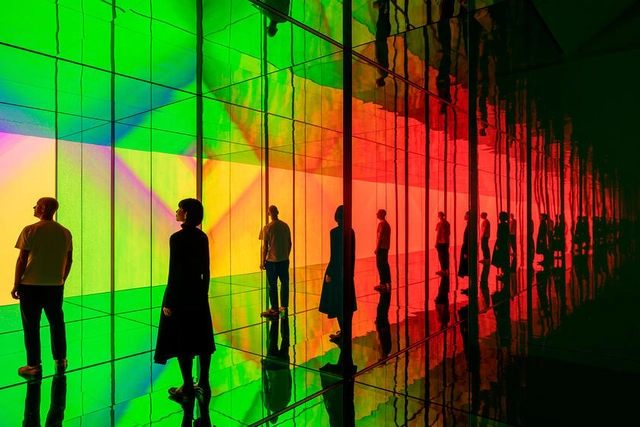
Responding to artistic director and curator Es Devlin's theme ‘Resonance’, designers from different countries, territories, and cities showcased how they envision new perspectives and solutions to global issues, exploring topics such as sustainability and the environment, globalization, migration, and the future of humanity. The diversity of the contributing curators was not only present in the solutions they presented, but in how they displayed them as well. While some opted for the tactile experience of exploring natural elements, others relied on one of the most prominent themes of the 21st century: digitalization and the virtual world.
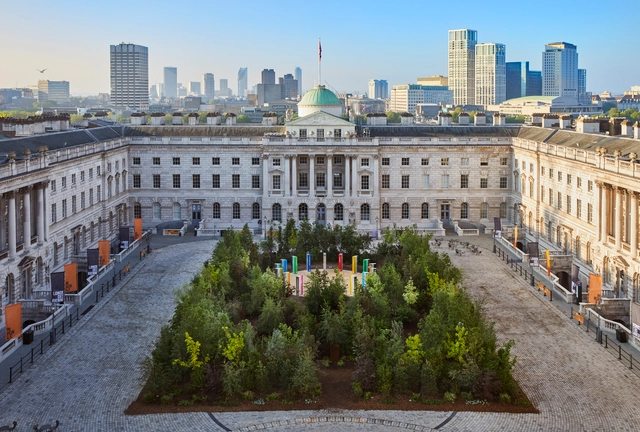
Forest for Change Installation / Es Devlin Studio
Mole House / Adjaye Associates

-
Architects: Adjaye Associates
- Area: 256 m²
- Year: 2020
-
Professionals: Alcock Lees Partnership Ltd., Parry Page
The Music Box Campus for the London College of Contemporary Media / SPPARC Studio
Selected Projects of Pritzker Laureates’ in 2020

This year, architecture’s highest honor, the Pritzker Prize, has been granted to Grafton Architects, a Dublin-based architectural firm mainly ran by female partners Yvonne Farrell and Shelley McNamara. For the first time ever in its 42-year history, due to the constraints set by Covid-19 global pandemic, the organizers of the Pritzker Prize decided to use Livestream the award ceremony. Having reached the end of 2020, ArchDaily has summed up what current and previous Pritzker Prize winners have accomplished during this turbulent year.
The Red Planet: Design on Our Race to Mars

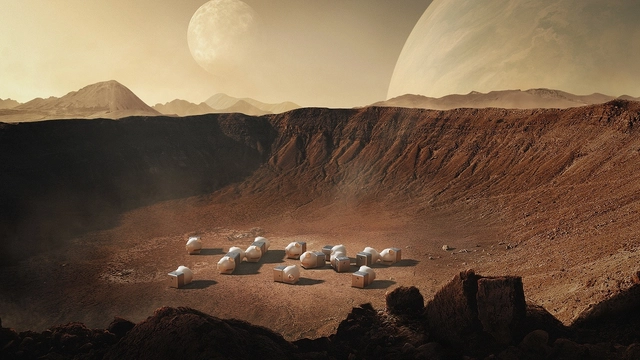
Space has long captured our imaginations. Looking to the ocean above us, writers, scientists and designers alike have continuously dreamed up new visions for a future on distant planets. Mars is at the center of this discourse, the most habitable planet in our solar system after Earth. Proposals for the red planet explore how we can create new realms of humanity in outer space.
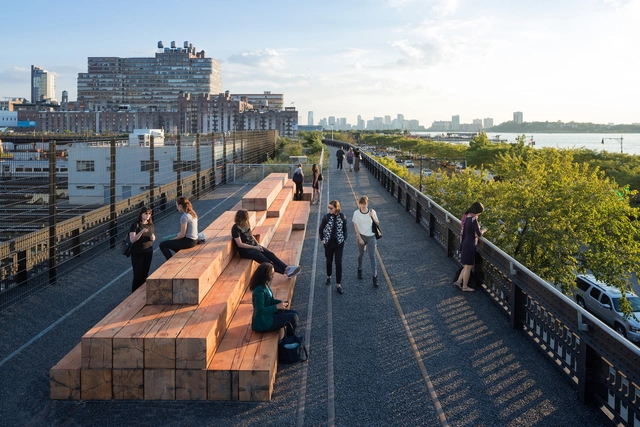
6 Orsman Road Workspace / Waugh Thistleton Architects + Storey

-
Architects: Waugh Thistleton Architects
- Area: 34000 ft²
- Year: 2020
MYO Workspace / SODA Studio

-
Architects: SODA Studio
- Area: 40000 ft²
- Year: 2019
-
Professionals: Adams Joinery, Collins Construction, Exubia, HIVE Consultants, MLM, +2
The Gaslight Workspace / dMFK + Bureau de Change Architects

-
Architects: Bureau de Change Architects, dMFK
- Area: 2400 m²
- Year: 2020
-
Professionals: Faithdean, Micheal Hadi Associates


.jpg?1650972194)
.jpg?1650972181)