Douglas Lopes

BROWSE ALL FROM THIS PHOTOGRAPHER HERE
↓

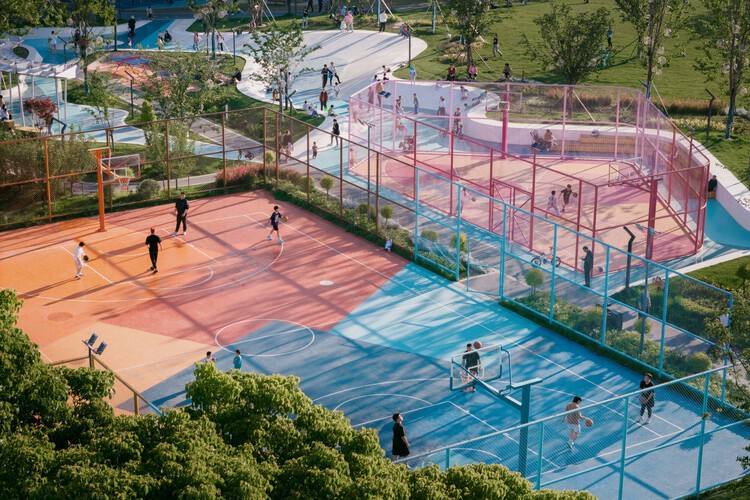
The Chromatic Canvas: 10 Vibrant Courts Activating Community Space

Audio available

Unlike most popular sports, the origin of basketball has a precise year and creator: it was invented in 1891 in the United States by Canadian physical education instructor James Naismith as an indoor sport for athletes at Springfield College during the winter, after the end of the football season. The sport quickly expanded beyond U.S. borders, being included in the Olympic Games in 1936 and achieving international popularity after the Second World War. As basketball became more widespread, it also left the controlled environment of gymnasiums and began occupying a wide range of locations: playgrounds, public plazas, school courtyards, driveways, and backyard patios became informal courts for play and community life, reinforcing the role of physical activity as a catalyst for social interaction and neighborhood regeneration.

The Chromatic Canvas: 10 Vibrant Courts Activating Community Space - More Images+ 6

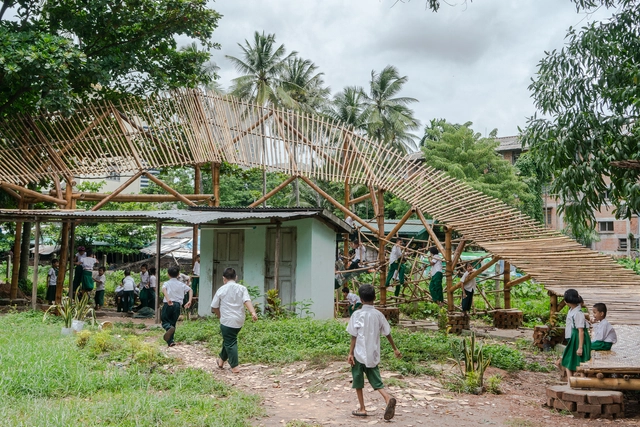
Evolving Urban Playgrounds: 5 Design Strategies and 31 Projects Around the Globe

Urban playgrounds are evolving from simple swing sets and slides into dynamic, multi-faceted urban landscapes. These new designs are more than just places to play; they are thoughtfully integrated spaces that address urban challenges, promote community, and inspire creativity. A key trend is the intentional use of color and pattern. Designers are utilizing vibrant color zones to segment different functional areas, creating a visually dynamic experience that contrasts with natural surroundings. This approach can also be used to establish a cohesive urban identity, with thoughtful color palettes that complement the existing cityscape.

Evolving Urban Playgrounds: 5 Design Strategies and 31 Projects Around the Globe - More Images+ 34

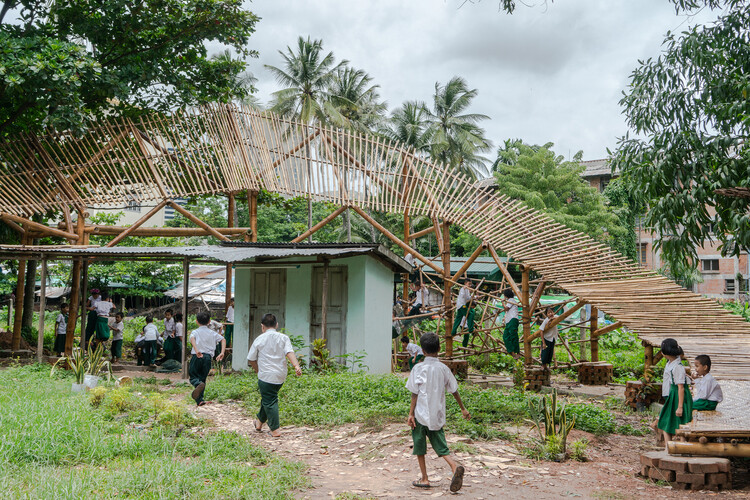
Public Space as a Tool for Community Healing: Scales of Intervention in Latin America

Public spaces are more than just physical voids in the urban fabric—they are stages for social interaction, cultural expression, and collective memory. In times of social fragmentation and environmental stress, these spaces can serve as catalysts for healing, offering safe environments where communities can reconnect. Through thoughtful design and participatory processes, public space interventions can rebuild trust, promote mental well-being, and foster a renewed sense of belonging among community members.

Public Space as a Tool for Community Healing: Scales of Intervention in Latin America - More Images+ 7

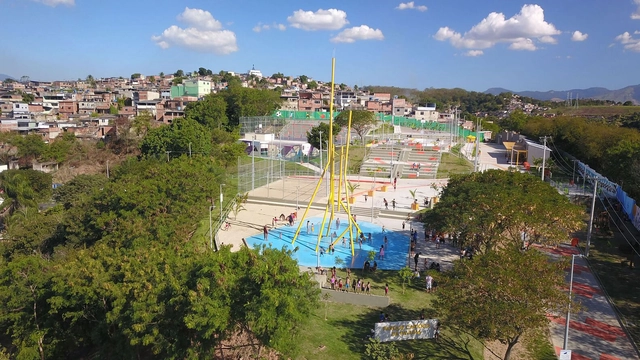
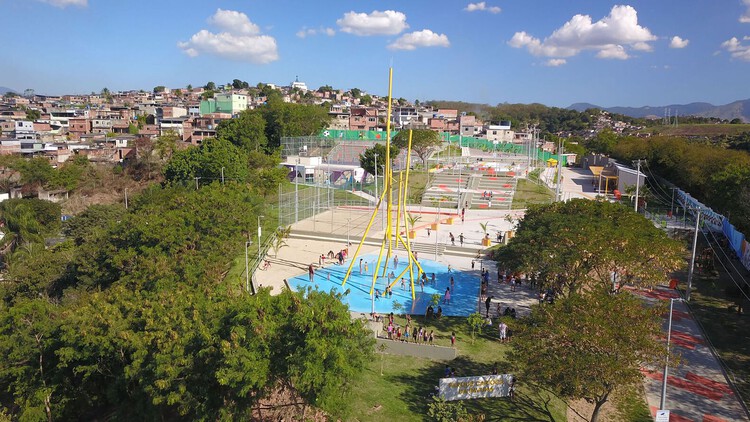
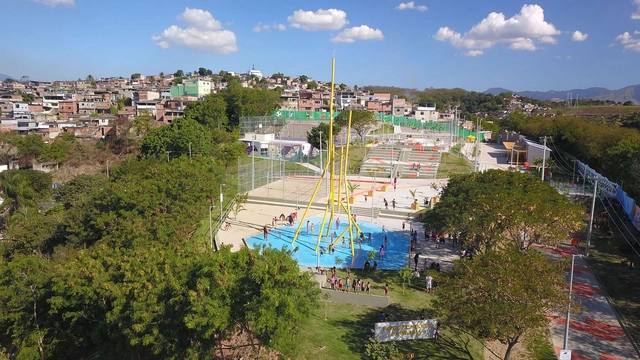
Pavuna Park / Embyá - Paisagismo Ecossistêmico

Pavuna Park / Embyá - Paisagismo Ecossistêmico - More Images+ 22

•
Rio de Janeiro, Brazil