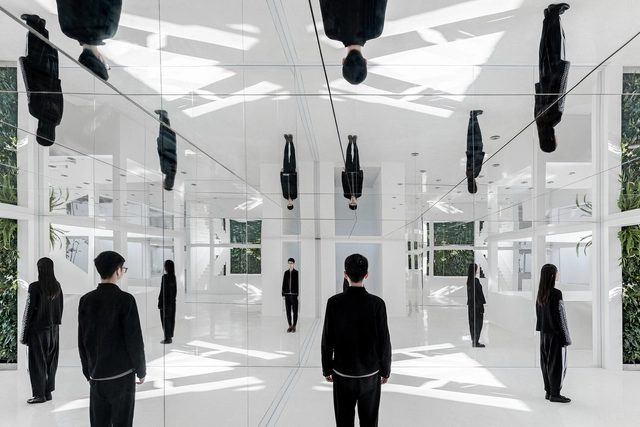
-
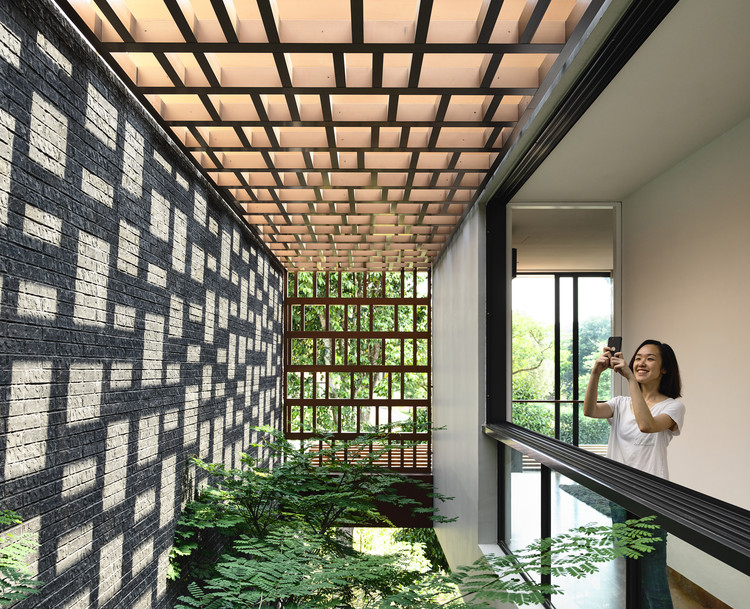
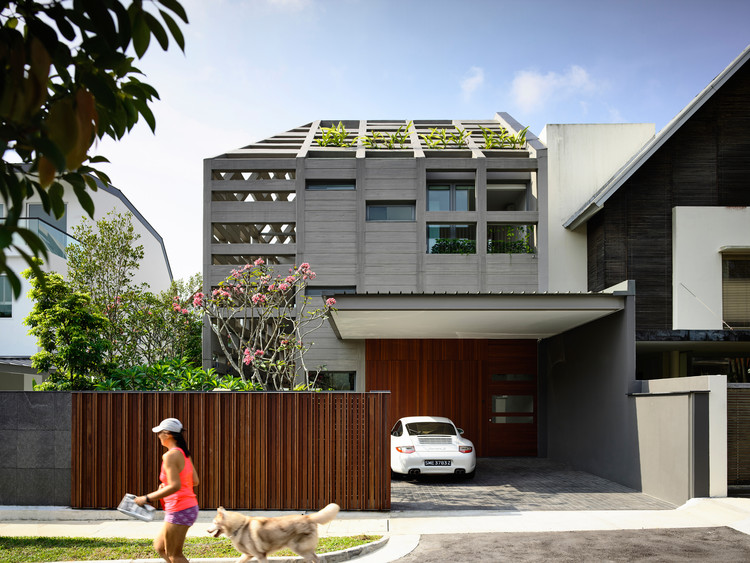
Architects: ONG&ONG Pte Ltd
- Area: 917 m²
- Year: 2016
-
Manufacturers: KStone, Perswood, SKK
-
Professionals: CCL Chartered Surveyors, PTA Consultants Pte Ltd, Straits Dredging


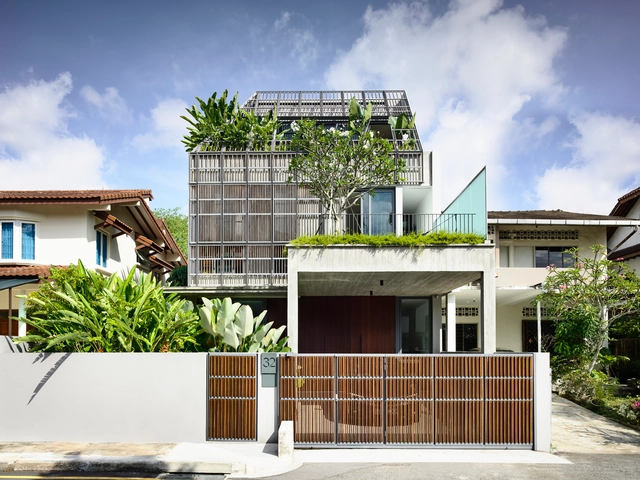
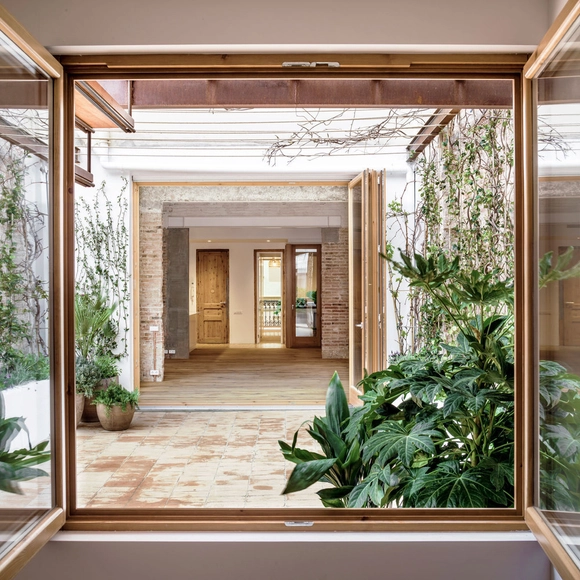
Indoor gardens can contribute important benefits to home living, ranging from aesthetic beauty to improved health and productivity. Research has shown that indoor plants help eliminate indoor air pollutants called Volatile Organic Compounds (VOCs) that emanate from adhesives, furnishings, clothing, and solvents, and are known to cause illnesses. They also increase subjective perceptions of concentration and satisfaction, as well as objective measures of productivity. Indoor gardens may even reduce energy use and costs because of the reduced need for air circulation. These benefits complement the obvious aesthetic advantages of a well-designed garden, making the indoor garden an attractive residential feature on several fronts.

More than 5.000 architecture projects were published in ArchDaily this year. Year after year, we curate hundreds of residential projects, and as we know our readers love houses, we compiled a selection of the most visited residential projects published on the site.
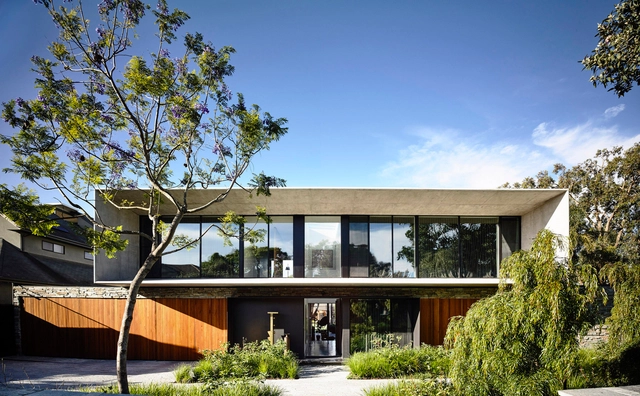
Set in various locations around the world, in urban, rural, mountain and beach landscapes; a variety of structural designs, from traditional masonry to the most technological prefabricated systems; from small dwellings to large houses and materials such as concrete, wood, and bricks as the most used. We also found their design and typology solutions were very much aligned with their specific settings and all of them share a strong dialogue between the house and nature, whether it is its direct surroundings or the introduction of green into a more condensed urban setting.
This selection of 50 houses highlights the most visited examples during these twelve months and, according to our readers, were the most attractive in innovation, construction techniques, and design challenges. Check them out below:


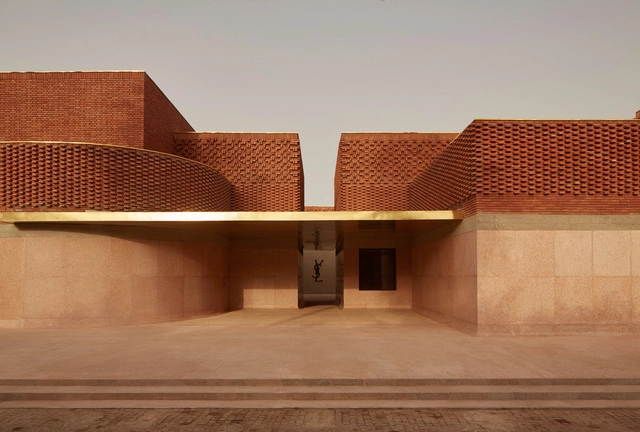
Terrazzo is made by combining a cement base (sand, water, and cement) with a mixture of ground minerals - like marble, granite, and quartz - and can be applied to almost any surface, vertical or horizontal. The technique, produced using a completely hand-crafted method, was used worldwide in the construction of modern buildings and is noted for its durability, resistance (to water and abrasion), and easy maintenance. This made it a go-to material in the creation of flooring for houses and the common areas of residential and office buildings.
Today, terrazzo is experiencing a revival as one of the key trends in contemporary architecture. Here, we will discuss the whats and hows of terrazzo and illustrate some of its uses in current projects.