Daniel Stauch

BROWSE ALL FROM THIS PHOTOGRAPHER HERE

Improvised Aesthetics: The Appropriation of Grassroots Adaptive Reuse

Subscriber Access | 

Adaptive reuse has become a buzzword in the architecture industry. Framed as a sustainable and economical solution to urban decay, the practice has been adopted by cities facing pressures of climate change, real estate constraints, and cultural preservation. Architects are increasingly being hired to rehabilitate the old rather than build anew. Within this discourse is a growing sentiment towards who gets to reuse and how.

Improvised Aesthetics: The Appropriation of Grassroots Adaptive Reuse - Image 1 of 4Improvised Aesthetics: The Appropriation of Grassroots Adaptive Reuse - Image 2 of 4Improvised Aesthetics: The Appropriation of Grassroots Adaptive Reuse - Image 3 of 4Improvised Aesthetics: The Appropriation of Grassroots Adaptive Reuse - Image 4 of 4Improvised Aesthetics: The Appropriation of Grassroots Adaptive Reuse - More Images+ 3

Transforming Industrial Heritage: Design Strategies for Creating a New Atmosphere in Cultural Spaces

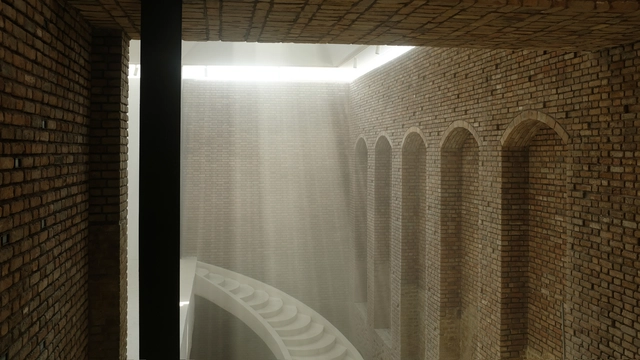
Creating an atmosphere that enhances exhibitions and enriches the visitor and user experience requires a thoughtful balance between preserving a space's unique character and adapting it to meet the needs of artistic and cultural production. The challenge lies in maintaining a building's industrial atmosphere while accommodating the specific requirements of exhibition design or the various uses the new building will require. This delicate task involves careful consideration of spatial layout, material choices, and lighting solutions, all of which play a significant role in shaping the new environment.

Transforming Industrial Heritage: Design Strategies for Creating a New Atmosphere in Cultural Spaces - More Images+ 18

Architectural Salvage: Cultural Hotspots using Adaptive Reuse

Subscriber Access | 

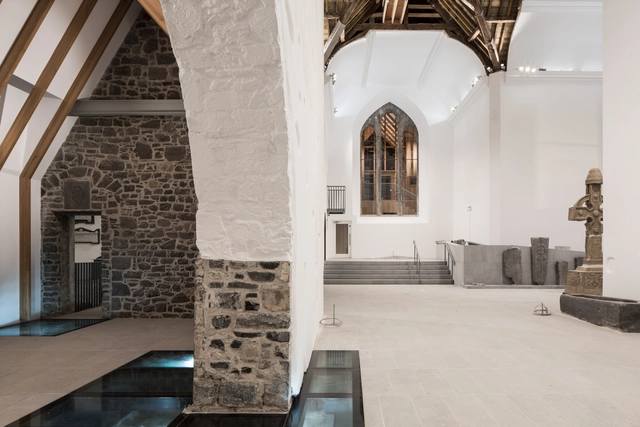
The dawn of the Anthropocene has thrown the idea of adaptive reuse into the limelight: effectively the pinnacle of urban regeneration and revitalization. It utilizes the presence of existing buildings with historic and cultural value and re-purposes them to be functional. Essentially a form of architectural salvage; a sustainable and viable means of rebuilding.

Recent events such as the pandemic has highlighted inequalities in our cityscape, the inadequate segments in a state of disuse and disrepair. Adaptive reuse can replenish these areas and create new cultural hotspots, encouraging activity and creating vibrant and healthy mixed-use environments.

Below is a diverse selection of cultural hotspots using Adaptive Reuse

Architectural Salvage: Cultural Hotspots using Adaptive Reuse  - More Images+ 10

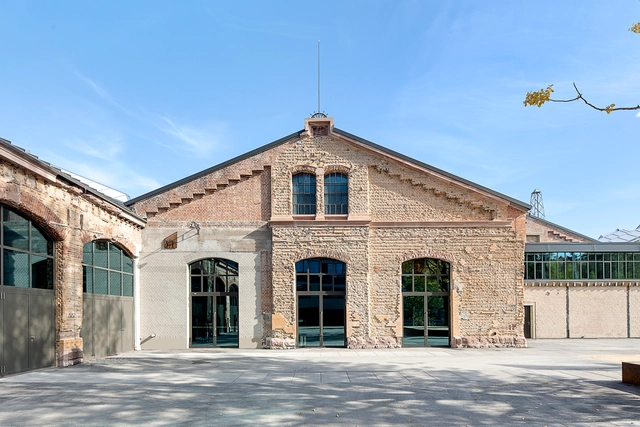
Wagenhallen Stuttgart Cultural Center / ATELIER BRÜCKNER

Wagenhallen Stuttgart Cultural Center  / ATELIER BRÜCKNER - More Images+ 7

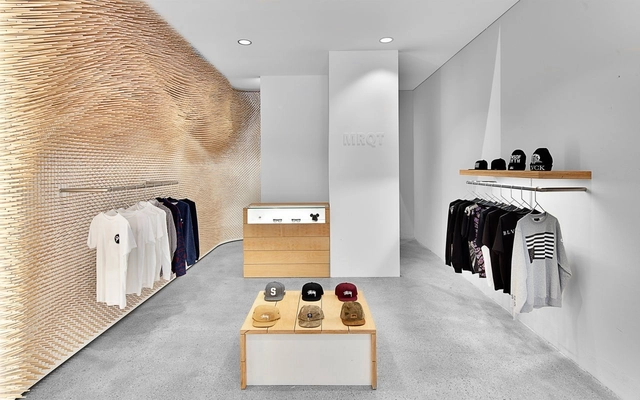
MRQT Boutique / ROK

MRQT Boutique / ROK - More Images+ 6

Stuttgart, Germany
  • Architects: ROK
  • Area Area of this architecture project Area:  60
  • Year Completion year of this architecture project Year:  2013