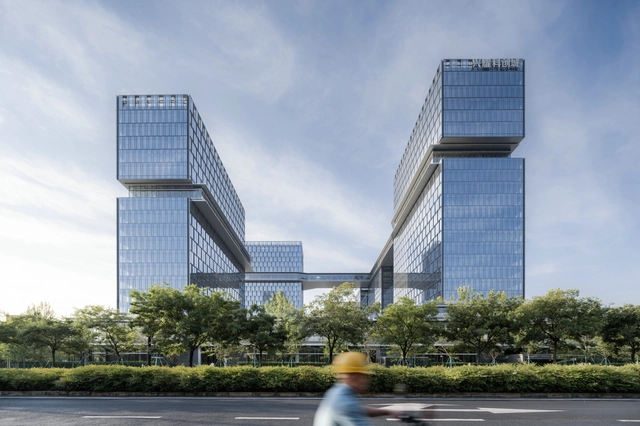
Xingyao Science and Innovation Park / gad


https://www.archdaily.com/1005065/xingyao-science-and-innovation-park-gad-designAndreas Luco
Design Depot: 30 Projects that Explore Diverse Storage Solutions
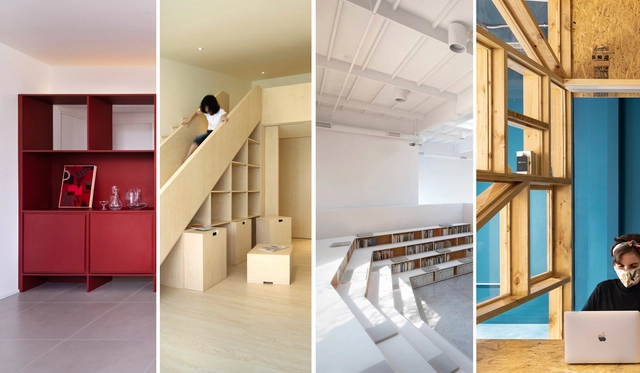
With the rise of small houses and dense cities, we were forced to sacrifice a good amount of storage space. Ironically, we did not compromise our purchasing habits, so with a few square meters to work with, architects and designers had to come up with efficient storage solutions and make the best of the limited space they have. However, if you were lucky enough to be occupying a large, unobscured space with a generous budget, your storage design possibilities are endless. In this article, we look at how architects and designers found creative ways to store their belongings in spaces with different functions, scales, and spatial constraints, ranging from completely invisible units to sculptural centerpieces.
.jpg?1627408898&format=webp&width=230&height=230&crop=true)


https://www.archdaily.com/965783/design-depot-30-projects-that-explore-diverse-storage-solutionsDima Stouhi
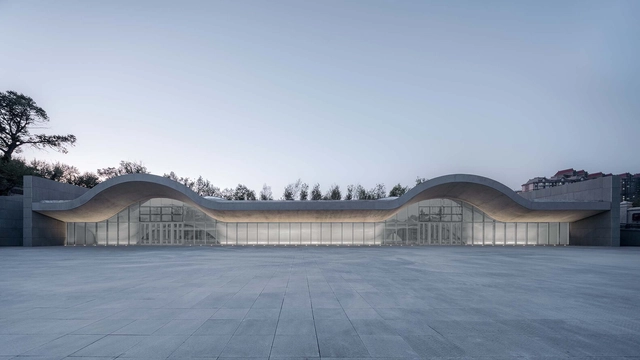
Deep Time Palace / Wutopia Lab


-
Architects: Wutopia Lab
- Area: 16650 m²
- Year: 2023
https://www.archdaily.com/1002951/deep-time-palace-wutopia-labCollin Chen
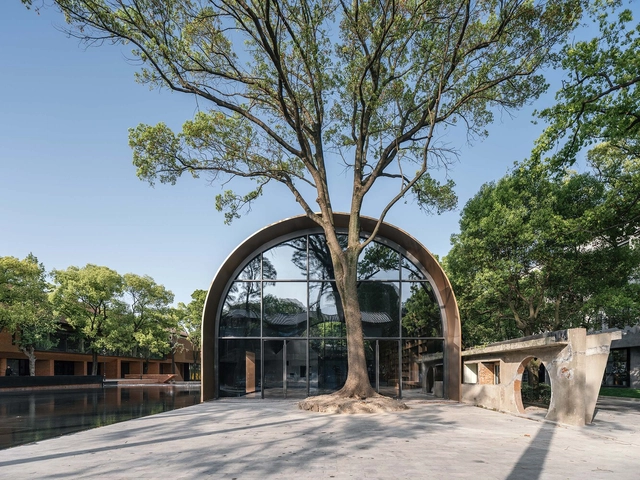
Copper Blockhouse / Wutopia Lab


-
Architects: Wutopia Lab
- Area: 405 m²
- Year: 2023
https://www.archdaily.com/1001209/copper-blockhouse-wutopia-labCollin Chen
Shimao Riverfront Wisdom Towers / EID Arch
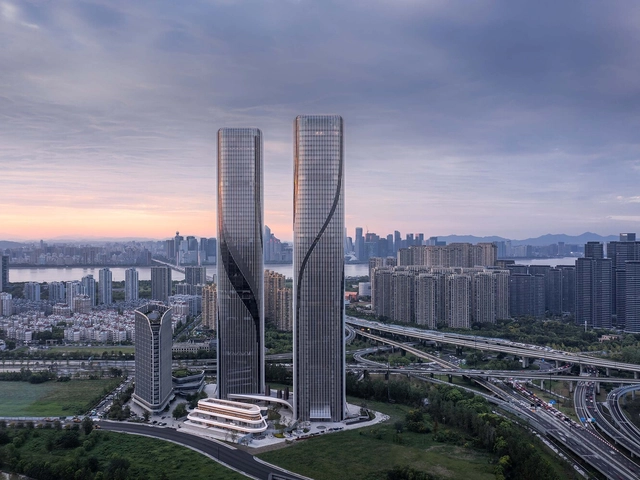


https://www.archdaily.com/1000820/shimao-riverfront-wisdom-towers-eid-archCollin Chen
Zikawei Library / Wutopia Lab
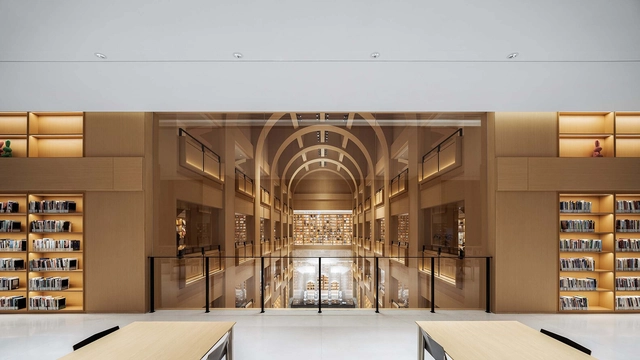


https://www.archdaily.com/1000150/zikawei-library-wutopia-labCollin Chen
Piazza in a Room / Wutopia Lab
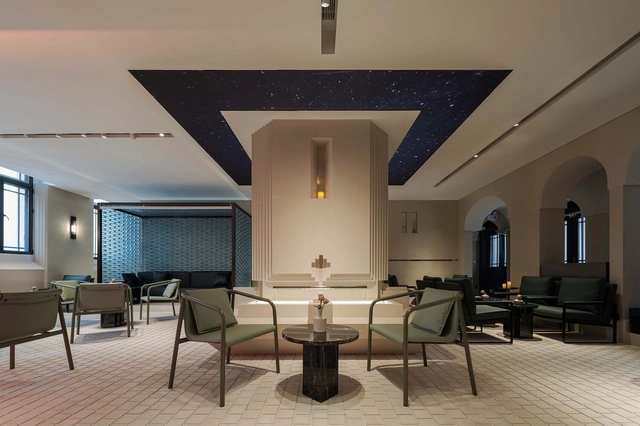


-
Architects: Wutopia Lab
- Area: 170 m²
- Year: 2022
https://www.archdaily.com/998559/piazza-in-a-room-wutopia-labCollin Chen
MAD Architects: Building Connection To The Landscape
When the Quzhou Sports Park project was completed in China, it became the largest earth-sheltered complex ever built. In his conversation with ArchDaily, Ma Yansong explained that MAD Architects was not only focused on completing the stadium proposal, but also on creating an architecture that disappears. Unique fields become architectural spaces where anyone can do anything at any moment.
"We need a space for people to relax, to have a moment to dive into another dimension of space and time. They can have their spiritual world. I want this space to be engaging and inviting, encouraging interaction with the public, not just for races or sports," said Ma Yansong.


https://www.archdaily.com/996939/mad-architects-building-connection-to-the-landscapeXiaohang Hou
LVWA Bookstore / Studio YUDA + Studio NOR


-
Architects: Studio NOR, Studio YUDA
- Area: 600 m²
- Year: 2020
https://www.archdaily.com/995988/lvwa-bookstore-studio-yuda-plus-studio-norCollin Chen
Leshan Pocket Park / VIASCAPE design
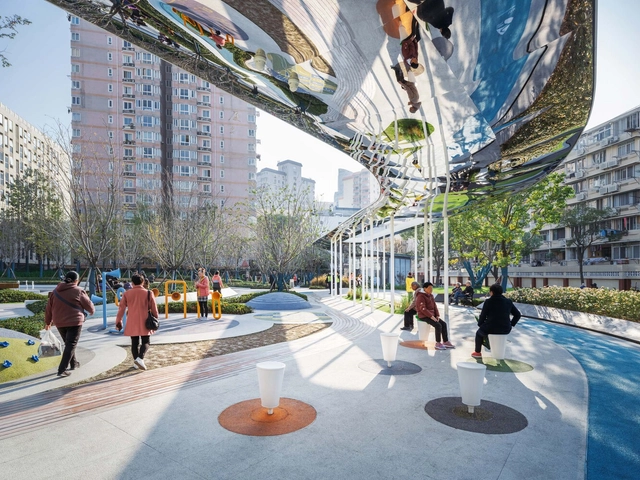


https://www.archdaily.com/995676/leshan-pocket-park-viascape-designCollin Chen
The PAVILION / VIASCAPE design
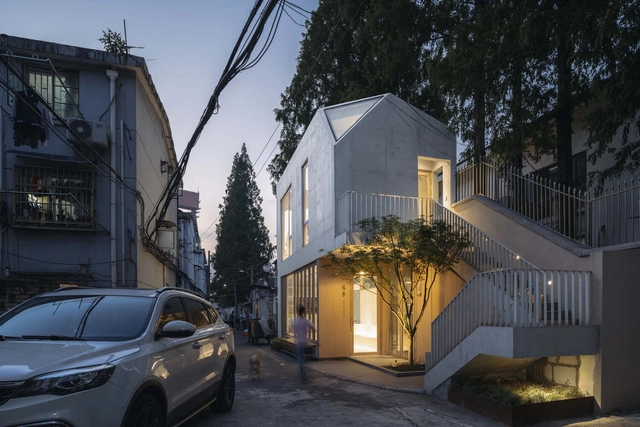


-
Architects: VIASCAPE design
- Area: 70 m²
- Year: 2021
https://www.archdaily.com/995667/the-pavilion-viascape-designCollin Chen
Liugong Hui Mall / CCTN Design + BEIJING SHOUGANG INTERNATIONAL ENGINEERING TECHNOLOGY
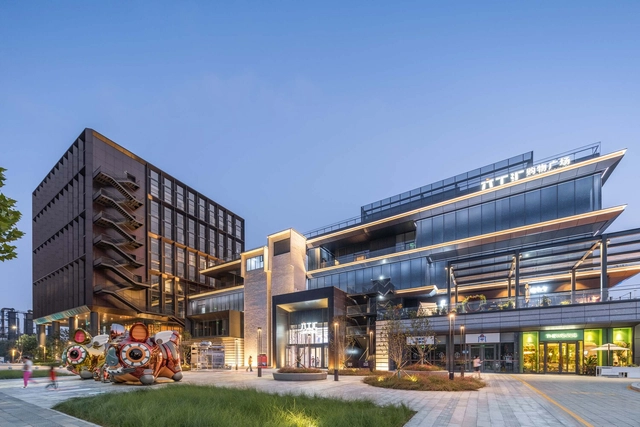


https://www.archdaily.com/995084/liugong-hui-mall-cctn-design-plus-beijing-shougang-international-engineering-technologyCollin Chen
Sky City TOD / Superimpose Architecture
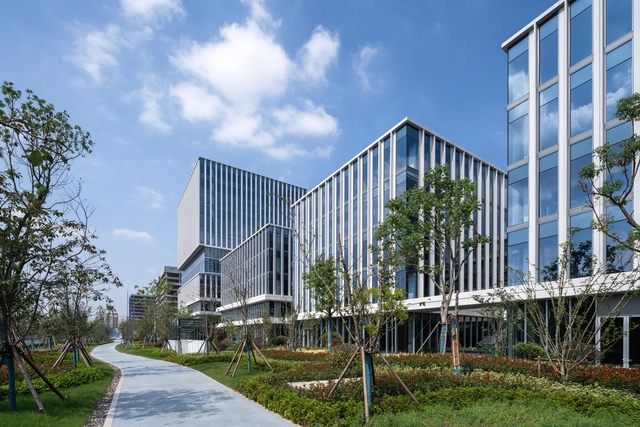


-
Architects: Superimpose Architecture
- Area: 72000 m²
- Year: 2022
-
Professionals: ZOE lighting design Chengdu, YuQiang & Partners, Platform design
https://www.archdaily.com/994303/sky-city-tod-superimpose-architecturePilar Caballero
Using Ludic Elements in Interior Design
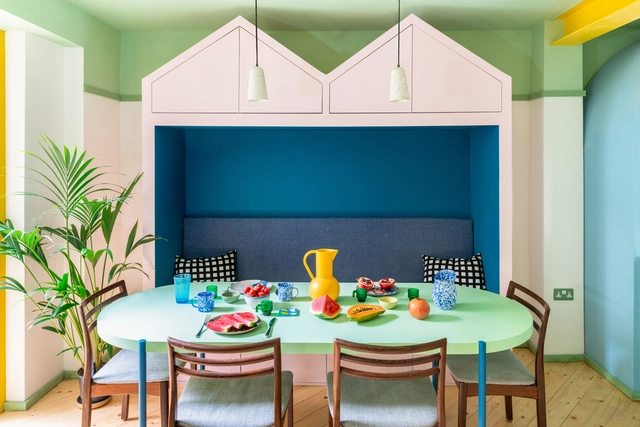
Playfulness is a concept often attributed to children and hardly connected with adult life. In architecture, projects dedicated to childhood propose a combination of objects, colors and solutions to encourage imagination and break the rigidity of spaces. In contrast, most conventional projects are limited to regularity and stamp the sobriety of adult life.


https://www.archdaily.com/992635/using-ludic-elements-in-interior-designGiovana Martino
Architecture and Color: Explore 15 Projects that Feature Exterior Red Staircases
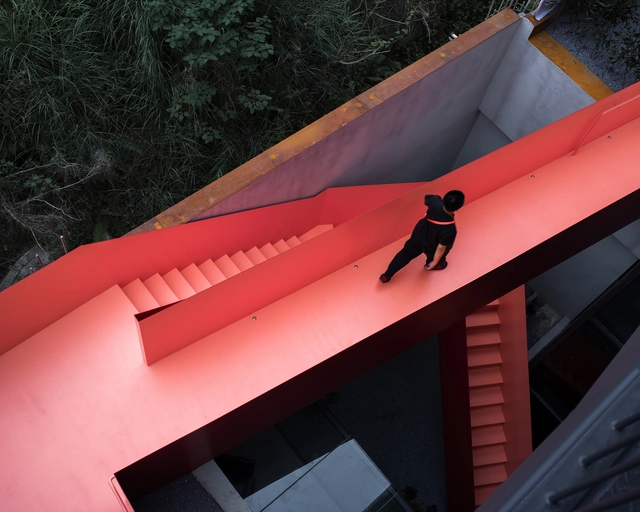
Stairs are often an inevitable part of a building's DNA. Nowadays, staircases not only serve the function of practicality but are also a showcase of their own kind, especially if paired with a color that is guaranteed to grab attention. Among warm colors, red is considered to be the most powerful one. On one hand, it evokes feelings of joy and energy, and on the other, feelings of alertness and danger. Red can stimulate a whole range of emotions. Therefore, its usage should be attentive, delicate, and thought out.


https://www.archdaily.com/982900/architecture-and-color-explore-15-projects-that-feature-exterior-red-staircasesLuciana Pejić
Quzhou Sports Park / MAD Architects
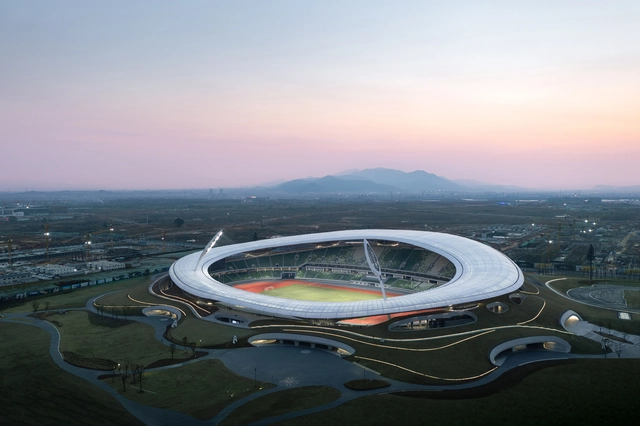


-
Architects: MAD Architects
- Area: 58565 m²
- Year: 2022
https://www.archdaily.com/990244/quzhou-sports-park-mad-architectsCollin Chen
CR8 / DuStudio
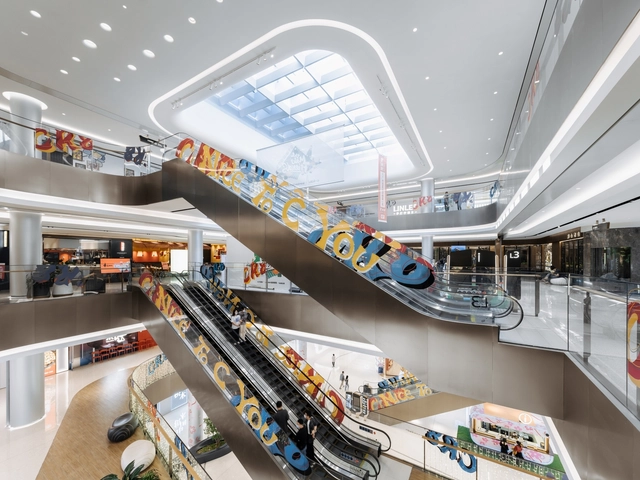


-
Architects: DuStudio
- Area: 30000 m²
- Year: 2022
-
Professionals: BPI, Graphia BRAND
https://www.archdaily.com/979523/cr8-dustudio韩爽 - HAN Shuang
Monologue Art Museum / Wutopia Lab
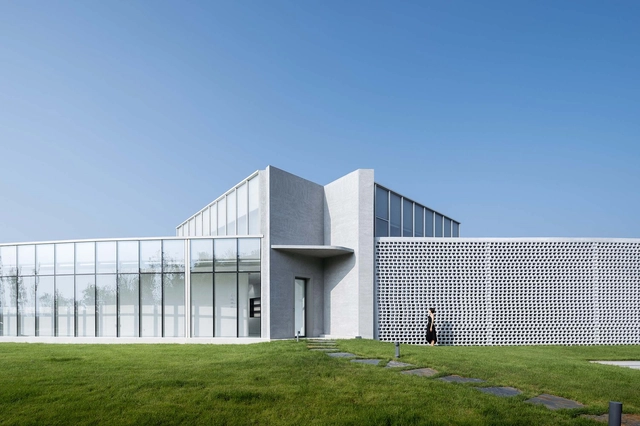


-
Architects: Wutopia Lab
- Area: 1272 m²
- Year: 2022
https://www.archdaily.com/986300/monologue-art-museum-wutopia-labCollin Chen