Brigida González

BROWSE ALL FROM THIS PHOTOGRAPHER HERE

Constructing With Concrete: Hardcore Projects and Products

Subscriber Access | 

Widely recognized as being responsible for 8% of global CO2 emissions, concrete should be a blacklisted material, relegated to the shameful annals of architectural history. Rapid global urbanization, however, will ensure its unequaled production simplicity and structural strength help retain concrete’s firm grip on the construction industry.

If you can’t beat it, improve it: is the industry’s mantra on innovation, currently developing various alternatives to concrete or its constituent parts and admixtures. So with a concrete set for the environmental green list, the concrete revolution –using the material as an aesthetic exterior facade, interior decoration and fittings, or even in furniture and lighting, as well as a structural framework– is free to continue.

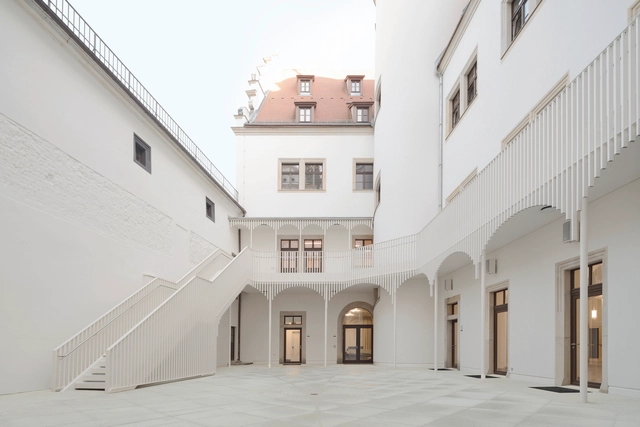
House of the Cathedral / Alexander Poetzsch Architekturen

House of the Cathedral  / Alexander Poetzsch Architekturen - More Images+ 21

Dresden, Germany

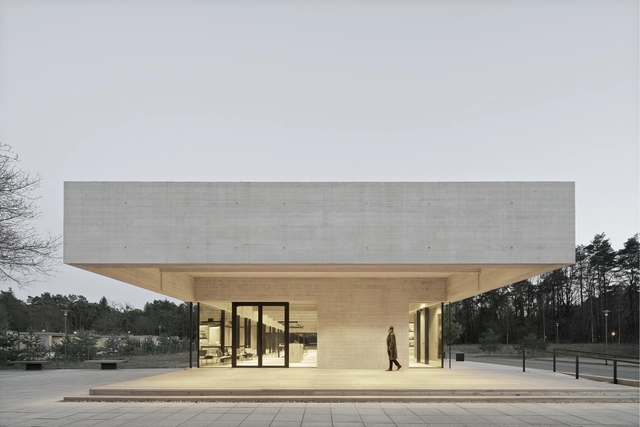
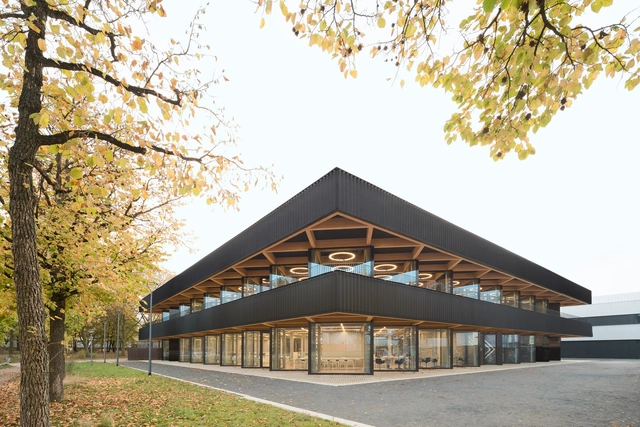
Visitor Center Trade Union School Bernau / Steimle Architekten

Visitor Center Trade Union School Bernau / Steimle Architekten - More Images+ 16

Bernau bei Berlin, Germany
  • Area Area of this architecture project Area:  485
  • Year Completion year of this architecture project Year:  2022
  • Manufacturers Brands with products used in this architecture project
    Manufacturers:  JUNG, Jansen, FSB Franz Schneider Brakel, Franz Nüsing, LTS Licht & Leuchten, +6

Villa L / Pool Leber Architekten

Villa L  / Pool Leber Architekten - More Images+ 21

Gräfelfing, Germany

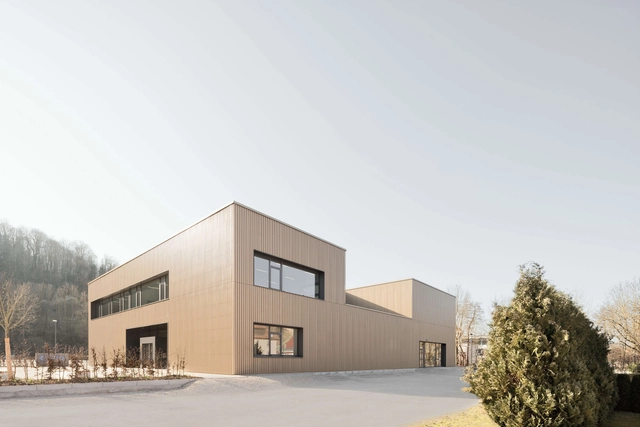
Retraining and Advanced Training Center Niederstetten / Schätzler Architekten

Retraining and Advanced Training Center Niederstetten / Schätzler Architekten - More Images+ 14

Canteen and Media Center of the Vocational School Center North / wulf architekten

Canteen and Media Center of the Vocational School Center North / wulf architekten - More Images+ 11

Geo and Environmental Centre / KAAN Architecten

Geo and Environmental Centre / KAAN Architecten - More Images+ 36

Oertelplatz Square / Pool Leber Architekten

Oertelplatz Square / Pool Leber Architekten - Exterior Photography, Community Center, Facade
© Brigida Gonzalez

Oertelplatz Square / Pool Leber Architekten - More Images+ 19

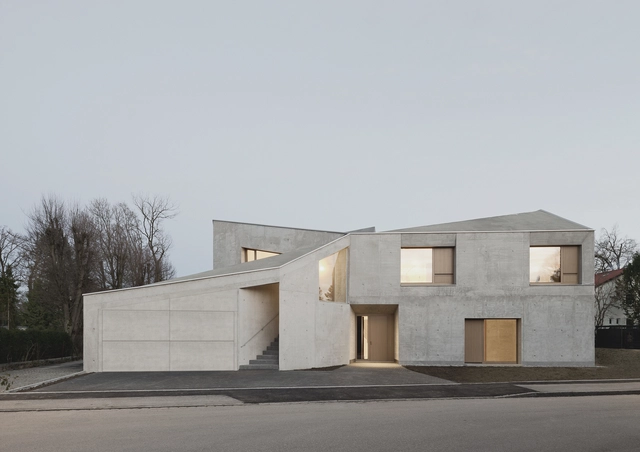
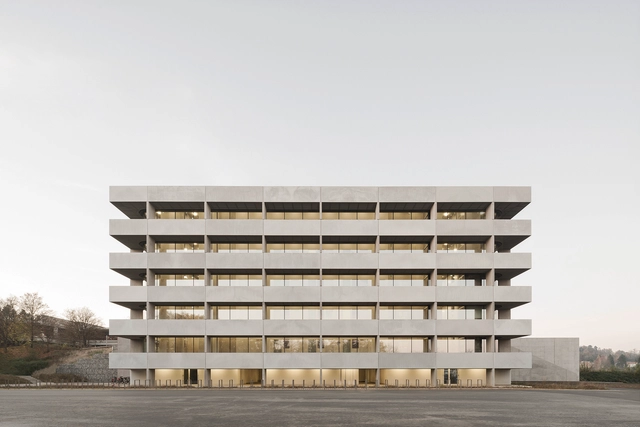
Villa U / Pool Leber Architekten

Villa U / Pool Leber Architekten - Exterior Photography, Houses
© Brigida González

Villa U / Pool Leber Architekten - More Images+ 23

Gräfelfing, Germany
  • Area Area of this architecture project Area:  587
  • Year Completion year of this architecture project Year:  2018
  • Manufacturers Brands with products used in this architecture project
    Manufacturers:  Petersen, Zementwerkstatt Ingo Weber
  • Professionals: Hansen Ingenieure

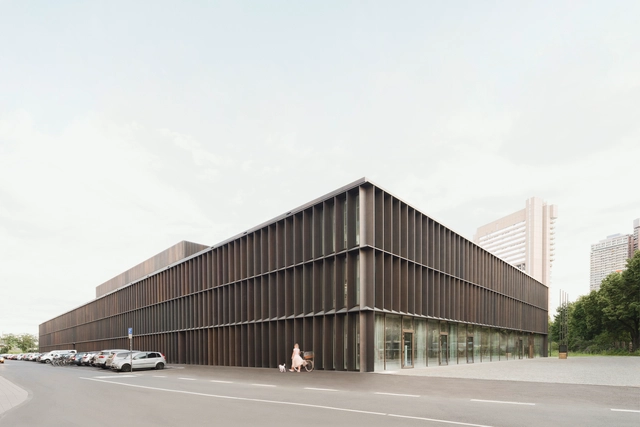
Historical Archive of Cologne / Waechter + Waechter Architekten

Historical Archive of Cologne  / Waechter + Waechter Architekten - More Images+ 24

Asia's Local Mesh Material: 18 Projects that Explore the Versatility of Rattan

Subscriber Access | 

Over the past couple of years, many designers have voiced their commitment to ethical and ecological sourcing, resorting to frugal designs through local materials, traditional techniques, and equitable architecture. Having this approach in mind, many found inspiration in their cultural heritage, reimagining ancient designs in contemporary contexts.

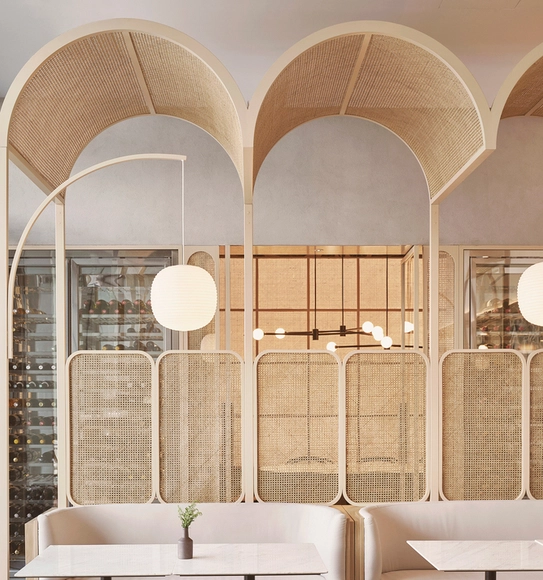
When thinking of recycled design trends, we can't overlook one of the most well-known and popular materials that was shared by nations all around the globe over the span of 100 years; on balconies, outdoor patios, gardens, and indoor living spaces: rattan. It is estimated that almost seven hundred million people worldwide use rattan, with many countries presenting it as an integral part of their cultures. In this article, we look at how architects and designers integrated rattan in their designs and found numerous ways to make the best out of Southeast Asia's popular local material.

Asia's Local Mesh Material: 18 Projects that Explore the Versatility of Rattan - More Images+ 17

Textured Fiber Cement: A More Sensory Architectural Experience

 | Sponsored Content

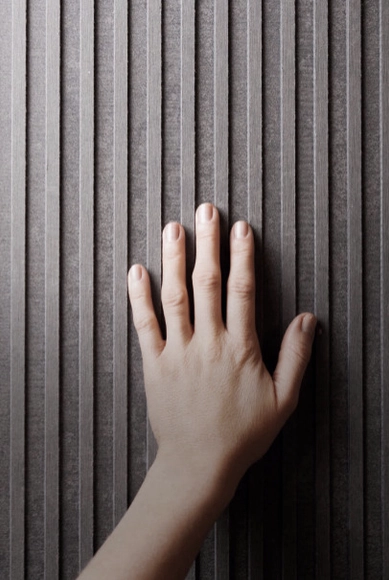
Claude Monet and Vincent van Gogh used the impasto technique extensively in their paintings. Both applied thick layers of oil paint over the canvas, usually one shade at a time, and it was up to the viewer's brain to mix the colors and create the desired effects. When dry, the paint forms reliefs and textures on the canvas, evoking a sense of movement. Even without being able to touch the screen, the texture of the brushstrokes gives a three-dimensionality to the painting, something that can only be fully observed by seeing the artwork live, looking at it from more than one angle and actually experiencing it.

In his famous book “The Eyes of the Skin: Architecture and the Senses,” Juhani Pallasmaa points to "a predilection in favor of vision and in detriment of the other senses in the way architecture was conceived, taught and criticized, as well as the consequent disappearance of sensory and sensual characteristics in arts and architecture." According to the author, "an architectural work is not experienced as a series of isolated retinal images, but in its fully integrated material, corporeal, and spiritual essence."

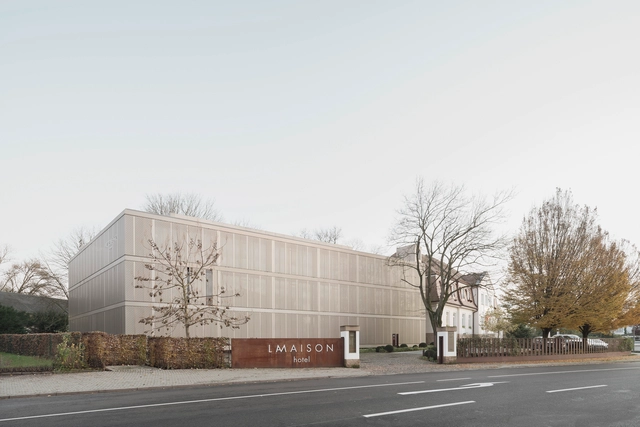
LAMAISON Hotel & Guesthouse / CBAG.Studio Architects

LAMAISON Hotel & Guesthouse / CBAG.Studio Architects - More Images+ 19

Library Kressbronn a. B. / Steimle Architekten

Library Kressbronn a. B. / Steimle Architekten - More Images+ 21

Steuerzentrale / Simon Freie Architekten BDA

Steuerzentrale / Simon Freie Architekten BDA - More Images+ 9

What to Consider When Choosing a Window

 | Sponsored Content

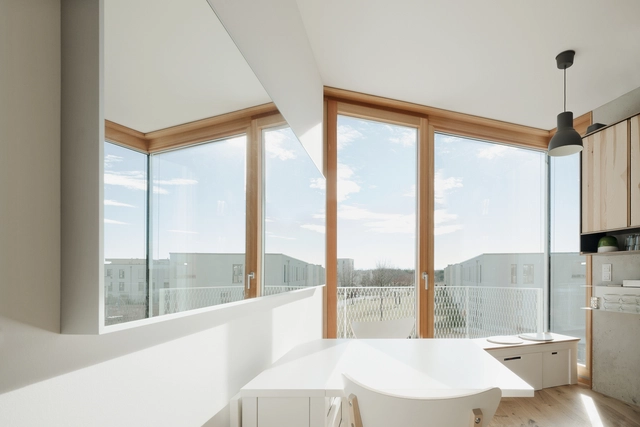
"And a window that looks out on Corcovado. Oh, how lovely." Tom Jobim's lyrics, immortalized by João Gilberto and Astrud Gilberto's voices and a soft guitar, was one of the early songs that introduced the world to the idea of a paradisaical Rio de Janeiro and a promising Brazil, with an increasingly urban population and a modern capital being built from nothing. Almost 60 years later, Paulo Mendes da Rocha casually quotes this song in an interview and points out that for him, in this scene, the most important element is the window, not Corcovado or Christ the Redeemer. That's because it frames the view and directs our eyes to what matters. It is a phrase that goes almost unnoticed, but that carries enormous poetic and artistic significance to the craft of architecture.

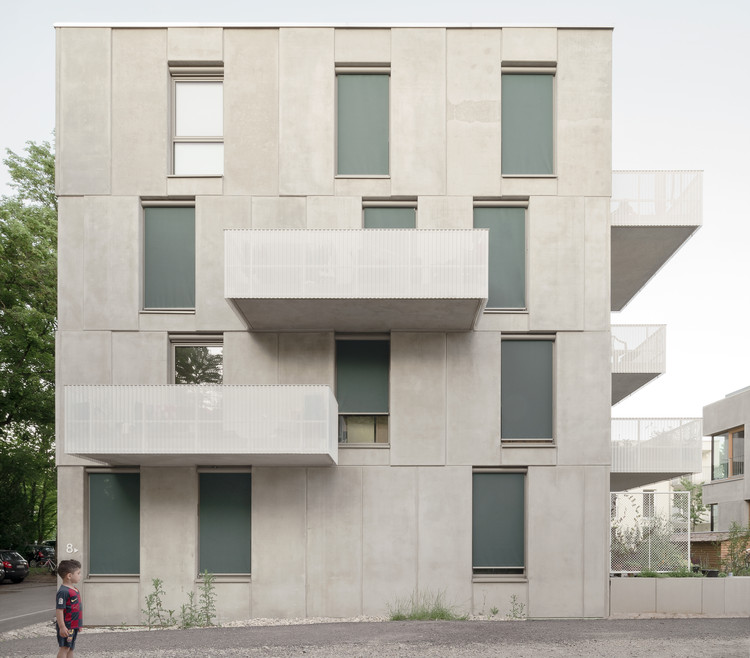
Housing For All / Yonder – Architektur und Design + SOMAA

Housing For All / Yonder – Architektur und Design + SOMAA - Exterior Photography, Residential, Facade
© Brigida González

Housing For All / Yonder – Architektur und Design + SOMAA - More Images+ 21

Hotel Bauhofstrasse / VON M

Hotel Bauhofstrasse / VON M - More Images+ 22

Ludwigsburg, Germany