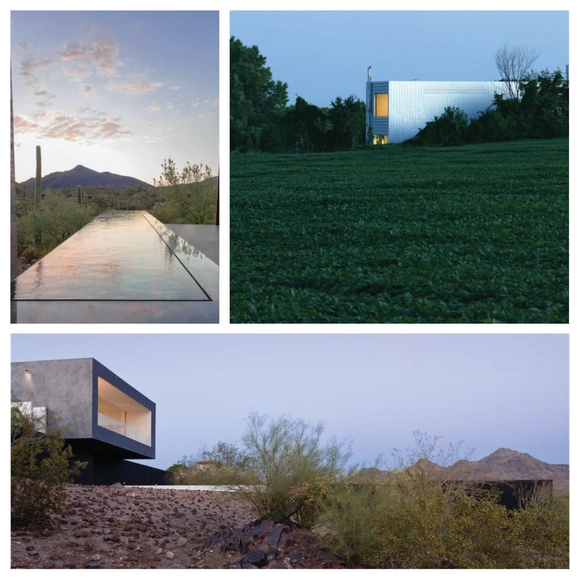
The American Institute of Architects (AIA) has selected eleven recipients in its 2018 Small Projects Awards. Established fifteen years ago by AIA’s Small Project Practitioners, the program “recognizes small-project practitioners for the high quality of their work” and “aims at raising awareness about the value and design excellence that architects can bring to projects, no matter their size or scope.”
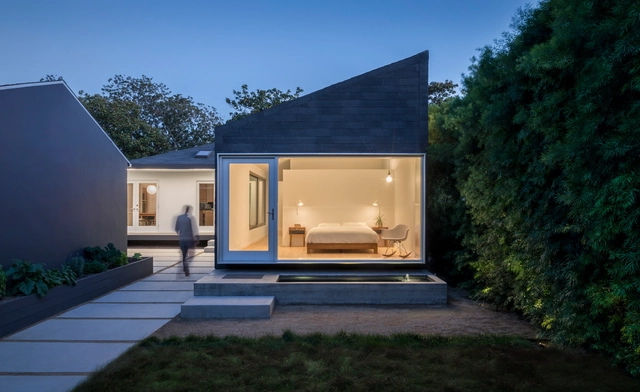
The American Institute of Architects (AIA) announced the winners of their 18th annual Housing Awards, which recognize the best in housing design for new constructions, restorations, and renovations. This year the five-person jury selected eleven projects to receive awards in four categories: one- and two-family custom residences; one- and two-family production homes; multifamily housing; and specialized housing.
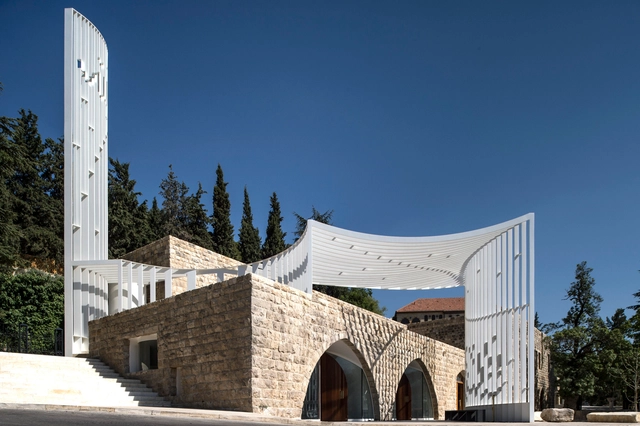
How does contemporary religious architecture adapt to the needs of the modern world? Each year, Faith & Form magazine and the Interfaith Forum on Religion, Art and Architecture (IFRAA) award acknowledges the best in religious art and architecture. This year’s winners included 27 projects spanning in religious denomination, size, and location. Beyonds this, the award recognizes three common trends present in religious architecture today: re-adaptation of existing facilities, community-based sacred spaces, and simplicity in design. Read on to see all 27 winners.
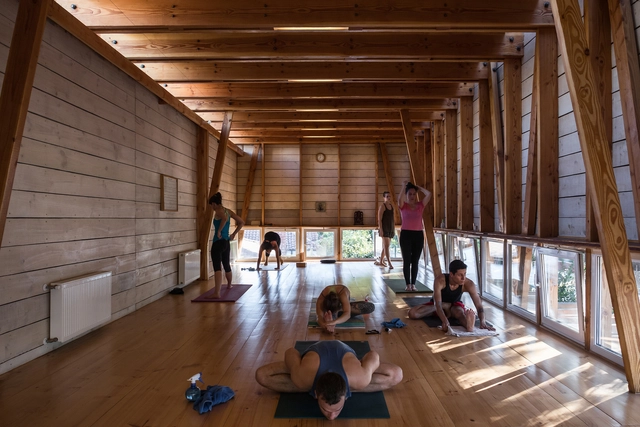
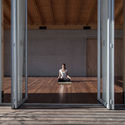
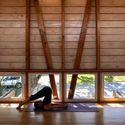
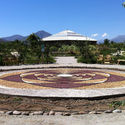
For several decades, a set of oriental practices and techniques have strongly infiltrated the western world. A new program that, as architects, we must start solving more often, and that poses interesting challenges from the point of functional, environmental, and aesthetic.
These disciplines are completely focused on the human being, as they seek to work and satisfy their physical, psychological and spiritual needs, and that's why it seems important to analyze how these needs are being met spatially by architects. Many of the operations taken in these spaces create enabling environments for reflection, introspection, healing, and therefore could also be applied in other relevant programs, such as housing, educational, hospital, and even office spaces.
This article seeks to draw lessons from some projects already published on our site, in order to perform a kind of guide for designs that helps our community of readers to find inspiration more effectively.
Created by the Union International des Architects (UIA)in 2005, World Architecture Day is celebrated on the first Monday of October with the aim of reminding the world about the collective responsibility of architects in designing our future cities and settlements.
This year, the UIA has selected “Architecture, Building, Climate” as the theme of the day, seeking to highlight the essential role that architecture, design and urbanism have in the reduction of greenhouse gas emissions. With international climate treaty negotiations set to happen later this year, the “UIA members, working bodies and partners will mobilize on 5 October to promote actions and solutions that apply the enormous power of architecture and urban design in coping with global climate change, one of the greatest challenges of our time.”
Through small actions architects can collectively make a big difference and create significant changes. To celebrate World Architecture Day, we have rounded up a selection of projects that have taken steps towards the challenge of protecting our environment.
https://www.archdaily.com/774798/happy-world-architecture-dayAD Editorial Team
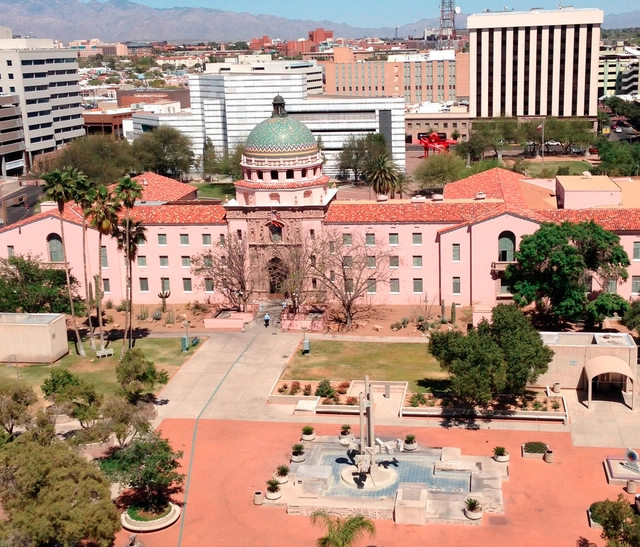
Future site of the memorial. Image Courtesy of January 8th Memorial Foundation
The January 8th Memorial Foundation has selected four finalists out of the 60 practices and artists, both national and international, who submitted applications to create a permanent memorial and master plan concept for the El Presidio Park in Tucson, Arizona. The permanent memorial would commemorate the January 8, 2011, mass shooting that wounded Congresswoman Gabrielle Giffords, killed six people and injured 12 others. The memorial is also intended to honor the spirit of the Tucson community in its responses to the tragedy and to inspire future generations to work together on community issues. The four finalists are:
Architects are notorious for working long, consecutive hours. So, in an attempt to remind you to take a break, we've compiled the top 12 most re-pinned images of inviting, well-designed outdoor spaces from our Pinterest. Take a look, after the break, then step away from the screen and go outside for some much needed fresh air.
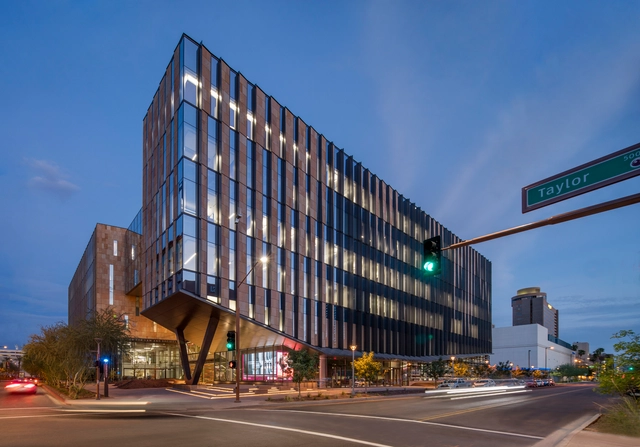
A self-trained American architect residing in Phoenix’s urban desert, Will Bruder, FAIA, has built a reputation for being one of Arizona’s most prized place-makers. For more than 40 years, Bruder has refined his craft with the completion of over 500 commissions ranging from large-scale civic and cultural projects to private residences and multi-family housing.
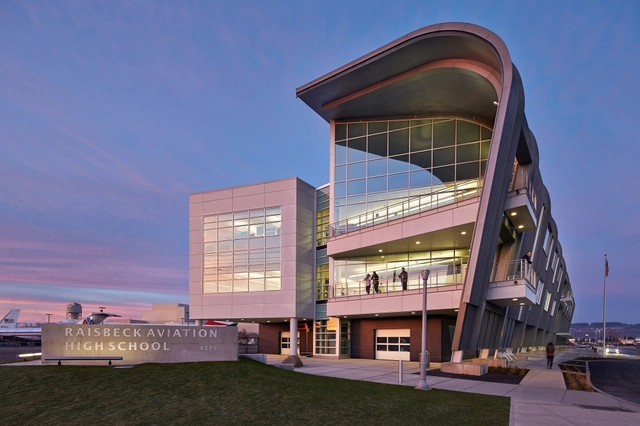
The American Institute of Architects (AIA) has selected 11 exemplary educational projects to receive its 2014 Educational Facility Design Excellence Awards. Representing projects from across the United States, the eleven projects also include a variety of types of educational facility, including a child development center, elementary schools, high schools, college and university buildings and a library.
The AIA awards projects which it believes "further the client's mission, goals and educational program while demonstrating excellence in architectural design. These projects exemplify innovation through the client's educational goals through responsive and responsible programming, planning and design. Function and surrounding regional and community context are valued as part of the planning and design process as well as sustainability."
Since childhood, growing up on a farm outside of Nashville, Wendell Burnette has been inspired by nature; indeed, the amplification of the natural site has highlighted his body of work. In the following question and answer by Guy Horton of Metropolis Magazine, the Pheonix-based architect speaks about memories, inspiration and experience.
Wendell Burnette’s journey through architecture has taken him from Frank Lloyd Wright’s Taliesin to some of the most beautiful landscapes in the world, where he has designed a type of architecture that resonates with the power of natural surroundings. It has also taken him to one of the world’s fastest growing cities, Phoenix, Arizona, where his practice, Wendell Burnette Architects, is based and where he calls home. More recently it has brought him to Los Angeles where he is the current Nancy M. & Edward D. Fox Urban Design Critic at the USC School of Architecture. He is also Professor of Practice at The Design School at Arizona State University's Herberger Institute of Design and the Arts.
I spoke with Burnette about his approach to architecture, the importance of direct experience, and the meaning behind his current USC studio, “Earth Curvature”.


.jpg?1528168523&format=webp&width=230&height=230&crop=true)


_Bilyana_Dimitrova.jpg?1526930865&format=webp&width=230&height=230&crop=true)




.jpg?1476369871 "Ritual House of Yoga / goCstudio. Seattle, United States. Image © Kevin Scott")




















_0075.jpg?1409934815&format=webp&width=230&height=230&crop=true)