-
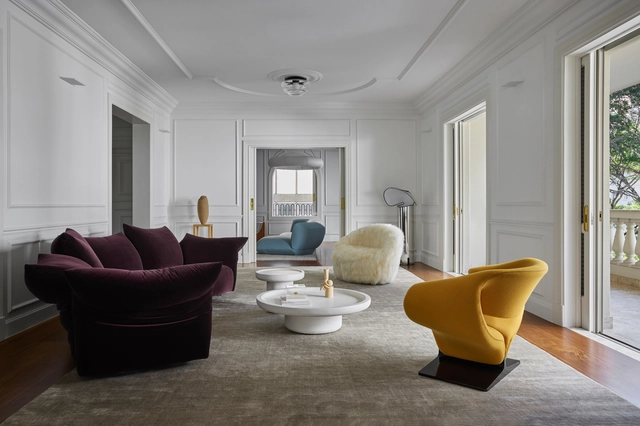
Architects: Lucas Jimeno Dualde
- Area: 280 m²
- Year: 2025
-
Manufacturers: Galleria de la Pietra , Jejo Cornelsen

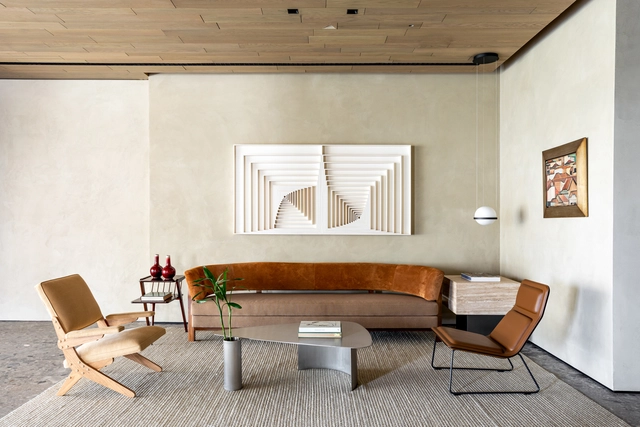
When defining the aesthetic of a space, whether interior or exterior, architects and interior designers should first ask themselves what the needs of its future inhabitants are or will be. Dialogue with users is essential to establishing the style of these spaces, which shapes their physical environment through composition, color, form, and furniture.
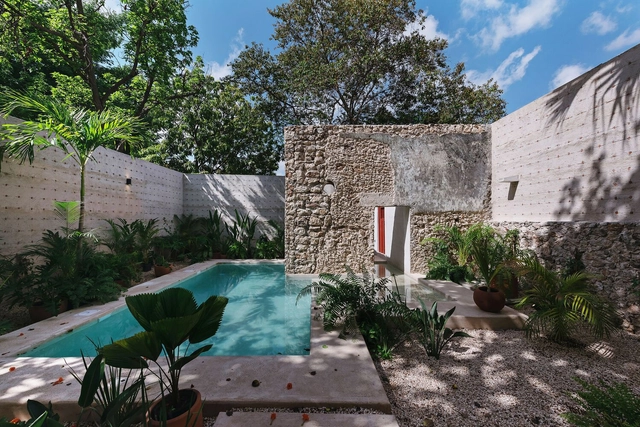
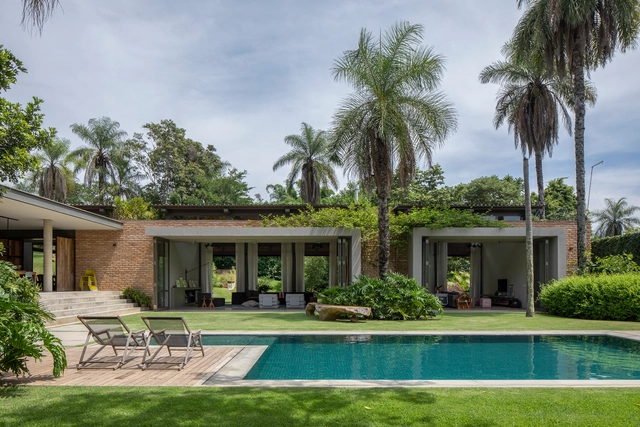
Residential swimming pools have become a staple in housing developments and private homes, particularly in regions where warm weather prevails for most of the year. Sun, shade, and cool water call for a landscape design that fosters harmony in these spaces.
Every year, our curatorial team presents a retrospective of house projects that stood out over the period. This collection, a small selection of the more than two thousand projects published on ArchDaily Brasil this year alone, comprises a series of residences with specific design solutions that address, each in their own way, factors such as materials, construction techniques, structural systems, building processes, and programs.
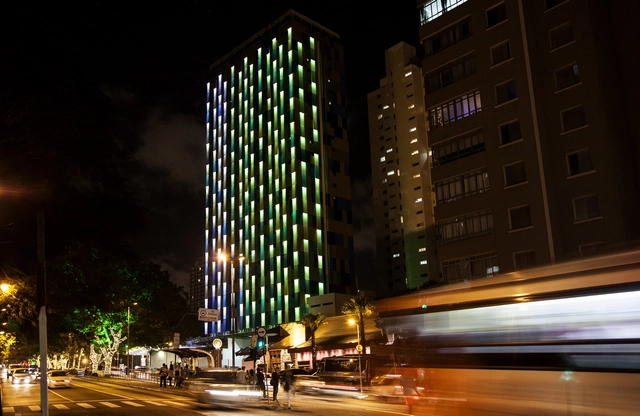
São Paulo, like so many other Brazilian cities, has a standardized, monotonous, and gray architecture, with its aesthetic defined by real estate developers and builders, offering very little architectural value.
To be sure, there are highly significant buildings—including historical downtown classics like the Martinelli Building, modernist examples by Rino Levi and Artacho Jurado in Higienópolis, and contemporary experiments in Vila Madalena designed by Isay Weinfeld and Triptyque. Unfortunately, these examples are few, dwindling to almost zero as we move toward the outskirts.
I am obsessed with the idea that we can change this reality by hacking existing buildings, fostering a new urban identity, boosting civic pride, improving quality of life, and promoting innovation and sustainability at viable costs.
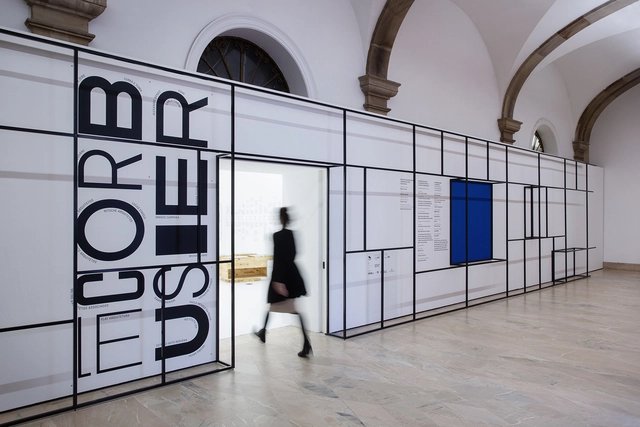
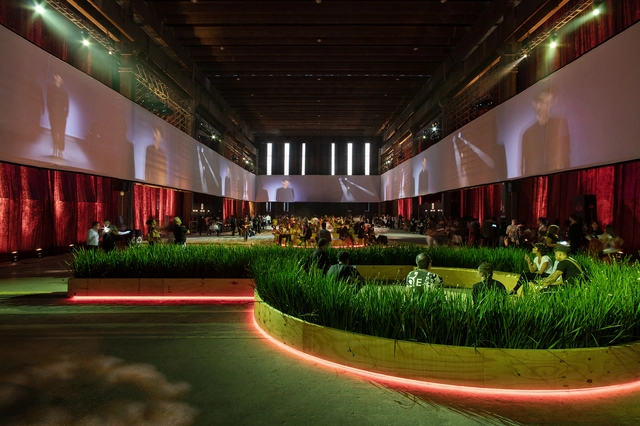
Opened last Saturday (16) at the Museu da Casa Brasileira in São Paulo, the exhibition “Experimenting Le Corbusier – Contemporary interpretations of modernism”—curated by Pierre Colnet and Hadrien Lelong of design publisher Cremme, with exhibition design by the São Paulo-based office MNMA Studio—seeks to foster a reflection on the implications of the Franco-Swiss architect's work for the architectural, urban, ideological, and social development of Brazilian modernism.
Featuring 20 guest artists—architects, designers, and visual artists—who developed various works and research based on the canons of the architect's work, the exhibition seeks to operate through the “transdisciplinarity of art,” as noted by Mariana Schmidt, the partner-architect responsible for the exhibition design.

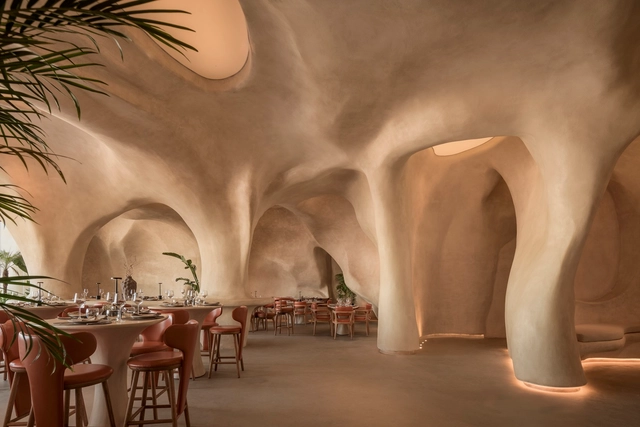
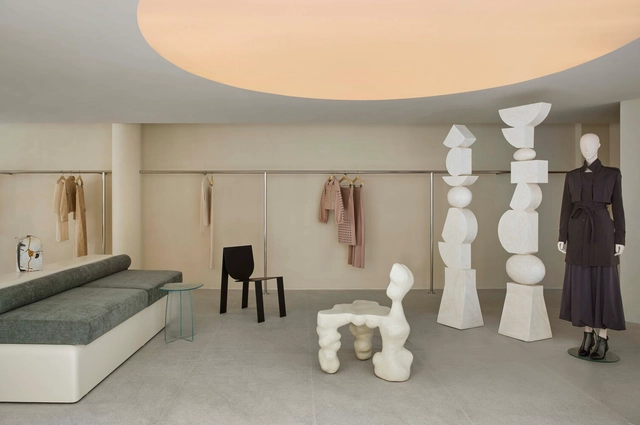
In recent years, continuous material finishes enveloping interior spaces have become increasingly prominent, particularly in branding-focused retail environments. A continuous interior refers to using what are typically liquid-applied materials that are cured to create seamless, uninterrupted surfaces, eliminating the appearance of joints and seams—at least during the initial application. A growing range of products now offer various color options, textures, and practical properties, making these finishes more versatile. Interestingly, the aesthetic effect of such interiors is uncanny to the rise of 3D rendering software, where the seamless, fluid look mirrors the smooth, idealized spaces typical of digital renderings. This effect also contributes to a sense of scalelessness, as the absence of visible seams or joints makes it harder to discern the actual size of a space, often giving the illusion that the interior is larger than it is.
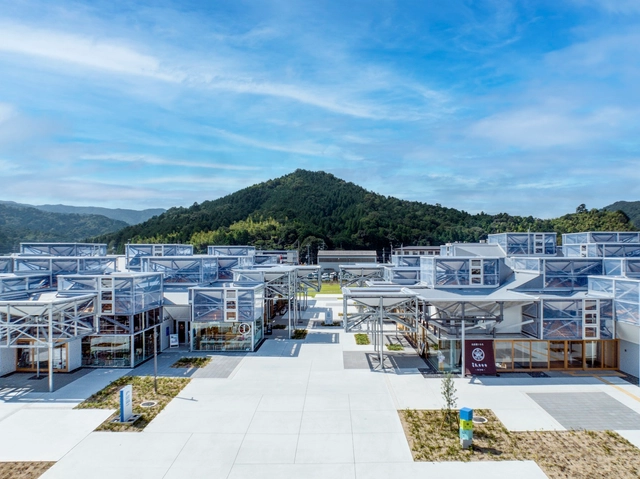
Covering all regions of the world, the continental winning projects of the 2023 Prix Versailles have been revealed. With 18 selected establishments in the categories of stores, hotels, and restaurants, as well as 15 shopping centers, the projects are grouped into six regions: Africa and Western Asia; Central, South America, and the Caribbean; North America; Central and Northeast Asia; South Asia and the Pacific; and Europe.
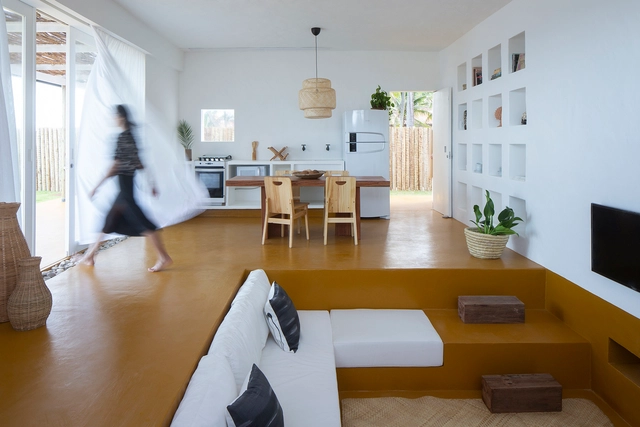
Implemented as a means to take full advantage of space, built-in furniture has grown in popularity as well as ingenuity as designers tackle the needs and tastes of a wide range of users. It's ability to adapt and integrate into architectural spaces allows it, through a variety of configurations and materials, to fulfill various functions; however, this poses an interesting question. Is it truly the furniture that adapts to our living spaces? Could it not itself become the protagonist and creator of the spaces that we project?
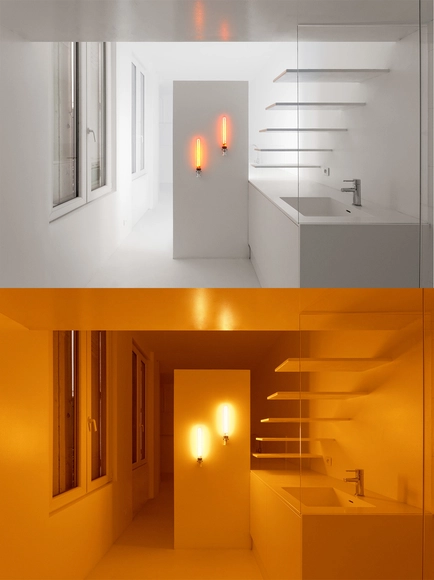
Light is a key feature in architecture. Centuries ago, the sun and fire were the only sources of illumination, but in today's technology-driven world, artificial lighting and cutting-edge optical technologies have found ways to mimic the qualities of natural light, making it possible to have a naturally-lit-looking space within four walls. LED technologies have even made it possible to embed lighting in furniture, interior surfaces, and facades, altering their intensities and hues to make light a main feature in the architecture's storytelling.
If used effectively, lighting can become a lot more than just an illuminator; it becomes a mood setter, a symbol of a specific emotion the architect is trying to convey. For instance, indirect lighting becomes a floater, levitating the walls from the ground and making the space seem lighter in weight, whereas orange light manipulates the space's temperature, creating the illusion that the users are walking into an intense, overheated room.

During the first half of the 2nd century AD, one of the most important buildings in the history of Western architecture was erected in Rome: the Pantheon. Its main and most impressive feature is its coffered concrete dome, which ends in a perfectly round central opening. This oculus kicked off a series of later projects that noted the value of circular openings, which were replicated as glazed skylights and as compositional elements on facades. This eventually evolved, for example, into the detailed and colorful rose windows of the Gothic basilicas. In all its configurations, the oculus (meaning "eye" in Latin) holds symbolism that goes beyond that of a traditional window: its luminous projection gracefully marks the passage of time, solemnly highlighting an architectural space.
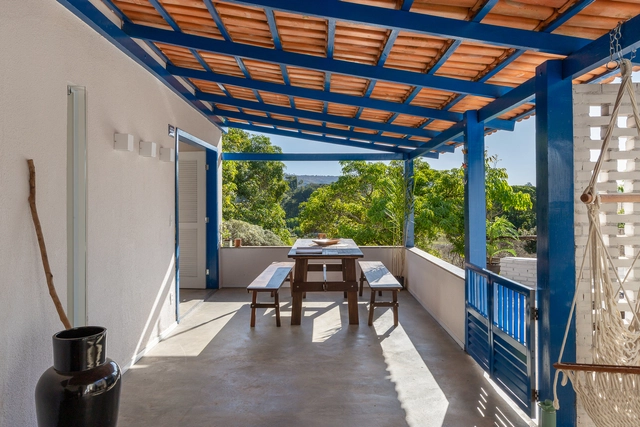
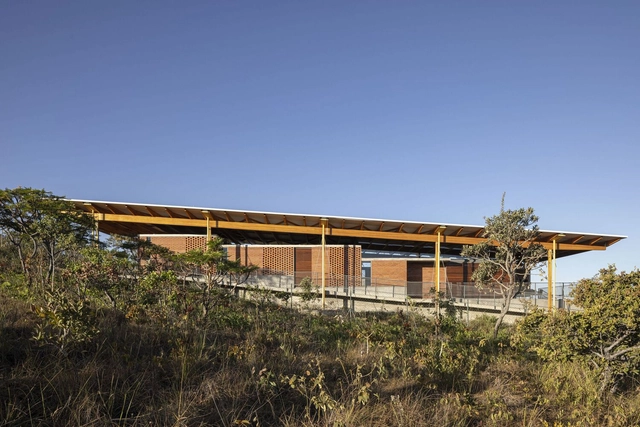
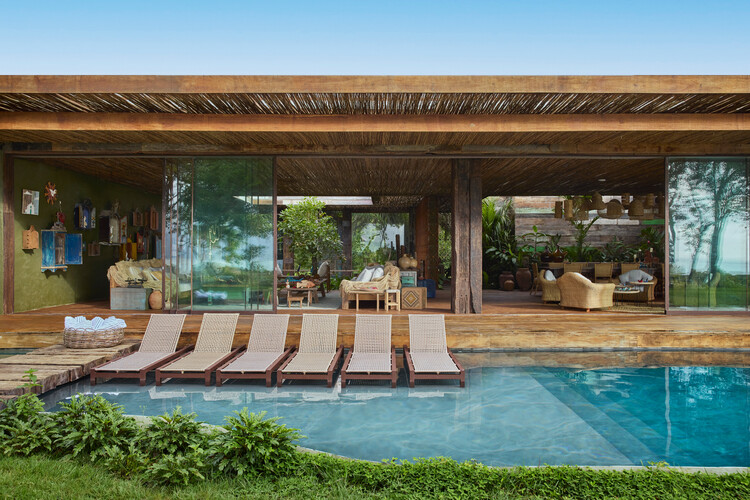
Brazil is one of the largest countries in the world, covering an area that goes from the Equator to beyond the Tropic of Capricorn, presenting a wide variety of climates and vegetation, which implies in the diverse natural landscape, flora and fauna for which the country is known. Residential architecture, when considered from its location, must adapt to the conditions of the surroundings, transforming its design according to the climate and morphology. We have gathered below a selection of Brazilian houses that respond to the natural environment in which they are located.






.jpg?1587680719&format=webp&width=230&height=230&crop=true)
.jpg?1587680706&format=webp&width=230&height=230&crop=true)
.jpg?1587680959&format=webp&width=230&height=230&crop=true)
.jpg?1587680844&format=webp&width=230&height=230&crop=true)