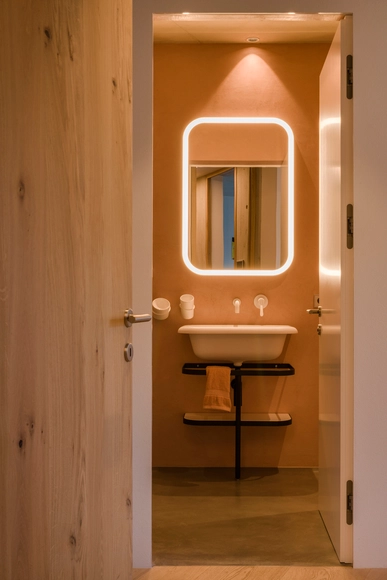
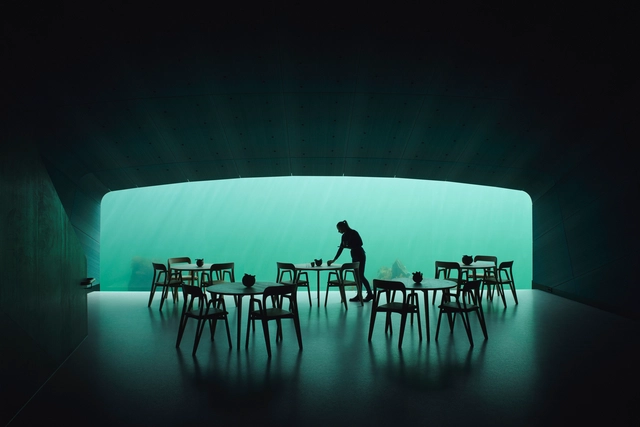
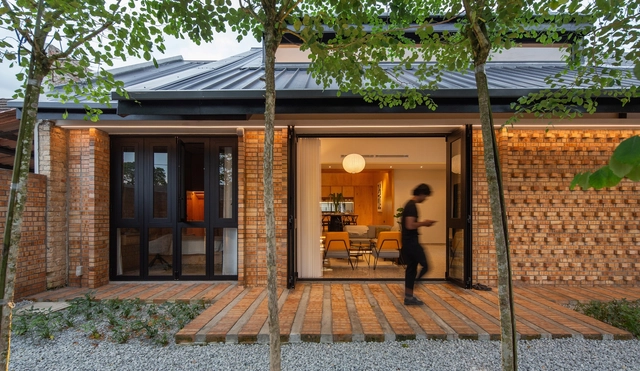
A successful interior design must be paired with a proper lighting design. It is responsible for ensuring that the quantity and wattage of the bulbs are suited to the space based on its dimensions and use.
A successful interior design must be paired with a proper lighting design. It is responsible for ensuring that the quantity and wattage of the bulbs are suited to the space based on its dimensions and use.
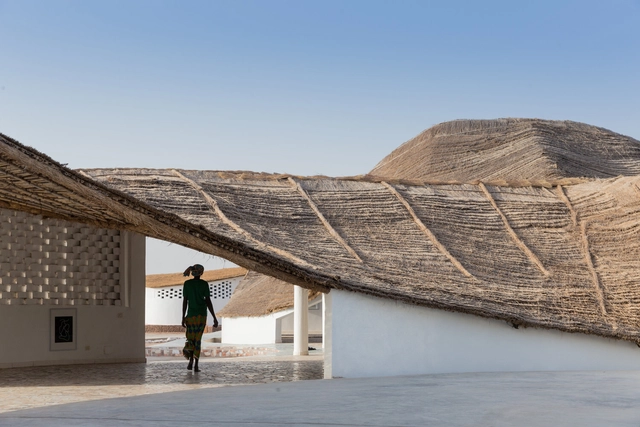
At a time of ecological collapse and rising food insecurity, architecture is increasingly called upon to engage not only with landscapes but with the systems that sustain and regenerate them. Among these systems, agriculture occupies a paradoxical role, as both a leading contributor to environmental degradation and a potential agent of ecological recovery. Industrial farming has depleted soils, fragmented habitats, and driven climate change through monocultures, fossil-fuel dependency, and territorial standardization. In response, agroecology has emerged as a counter-practice rooted in biodiversity, local knowledge, and the cyclical rhythms of nature. It reframes farming not as extraction, but as regeneration of ecosystems, communities, and the soil itself.
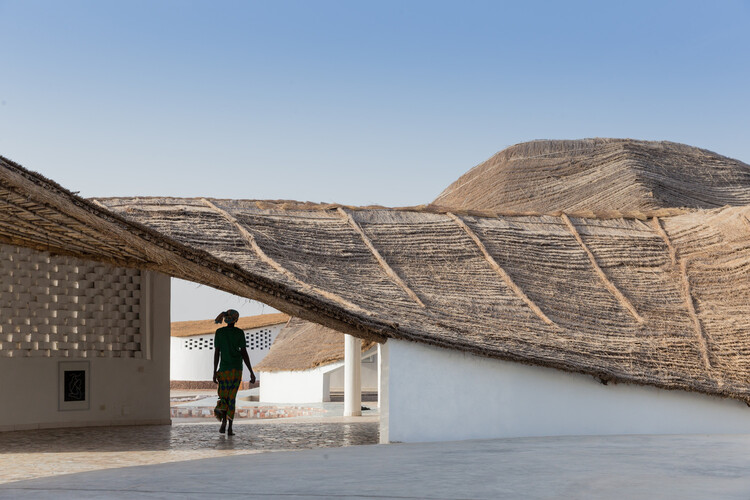
This reframing opens space for architecture to contribute meaningfully. To align with agroecology is not only to support food production, but to engage with the broader cultural, spatial, and ecological conditions that sustain it. It implies designing with seasonal variation, supporting shared use, and building in ways that respect both the land and those who work it. Architecture becomes more than enclosure — it becomes a mediator of cultivation, reciprocity, and coexistence.
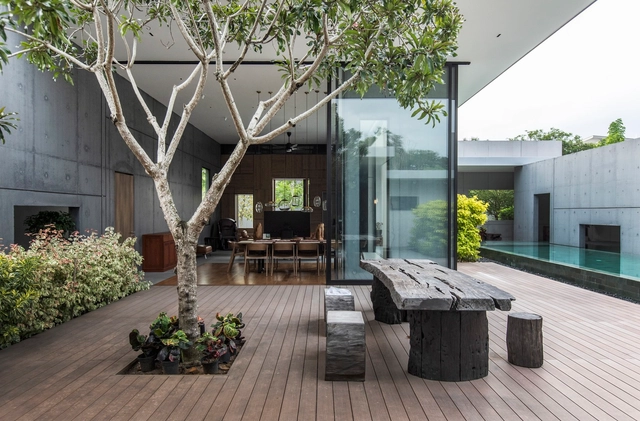
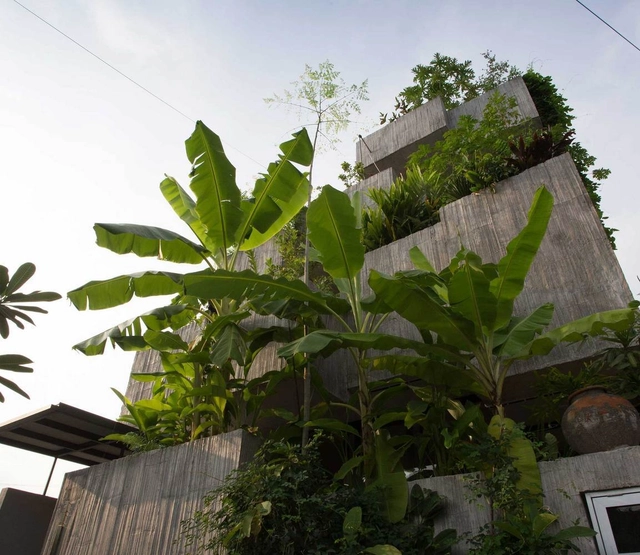
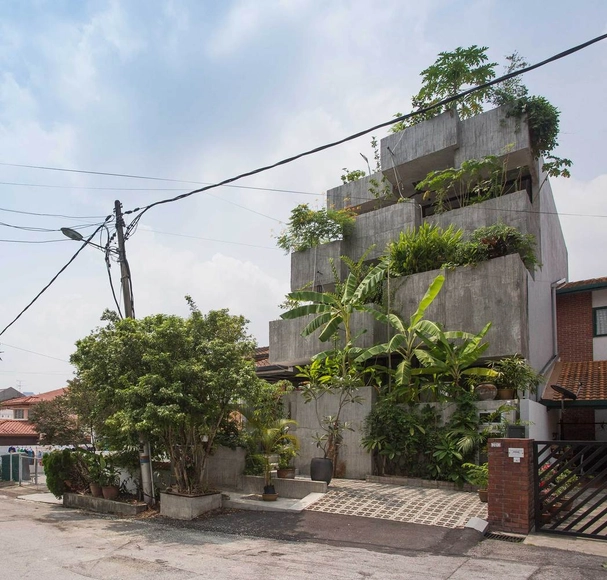
As urban dwellers become more aware of the environmental impacts of food production and transportation, as well as the origin and security of what they consume, urban agriculture is bound to grow and attract public and political eyes. Bringing food production closer, in addition to being sustainable, is pedagogical. However, generally with small size and other restrictions, the concerns of growing food in cities differ somewhat from traditional farming.
Urban gardens can occupy a multitude of places and have varied scales - window sills and balconies, slabs and vacant lots, courtyards of schools, public parks and even unlikely places, such as subway tunnels. They can also be communitarian or private. Whatever the case, it is important to consider some variables:
This December, we at ArchDaily take a moment to review what happened during the past year -- you have already seen posts with the best architecture projects, the best books, the best articles and much more. Now it's time to review the most bookmarked projects by our readers all over the world on MyArchDaily.




-w.jpg?1548385794&format=webp&width=230&height=230&crop=true)
-w.jpg?1548385735&format=webp&width=230&height=230&crop=true)
-w.jpg?1548385880&format=webp&width=230&height=230&crop=true)
-w.jpg?1548385711&format=webp&width=230&height=230&crop=true)
