Videos
Courtesy of Eindhoven University of Technology
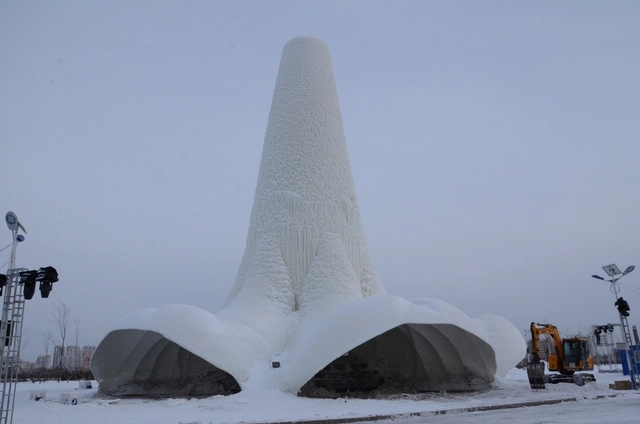
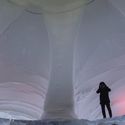
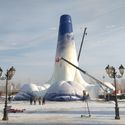
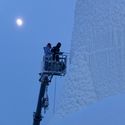
Beyonds igloos, sculptures, and Sweden’s ICEHOTEL, ice is not often seen as building material. An international team of Dutch-end Chinese students and professors from Eindhoven University of Technology (TU/e), Summa College, and the Harbin Institute of Technology (HIT) have used the freezing material to construct “Flamenco Ice Tower” in Harbin, China - the home of the International Ice and Snow Sculpture Festival.
In May 2017, C.F. Møller and Tredje Natur’s interactive education design won the New Islands Brygge School competition. The new education facility sets up innovative, sustainable and active spaces for sixth to ninth grade students to participate in experience-based learning.
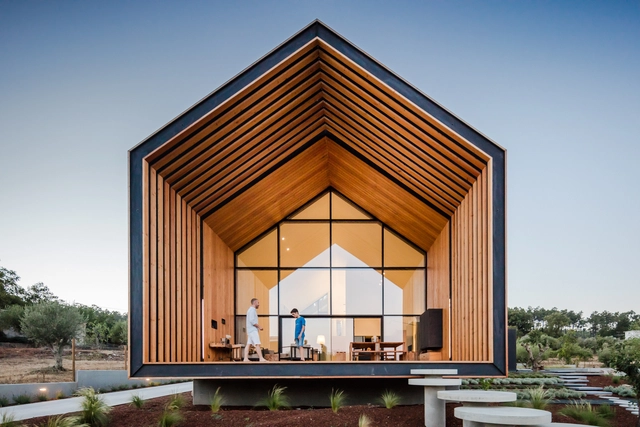
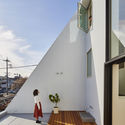
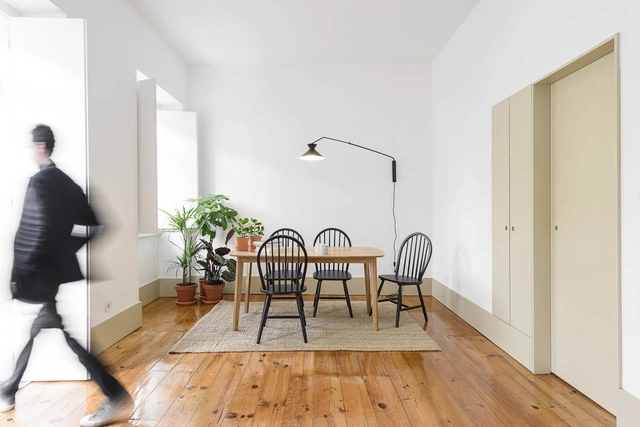
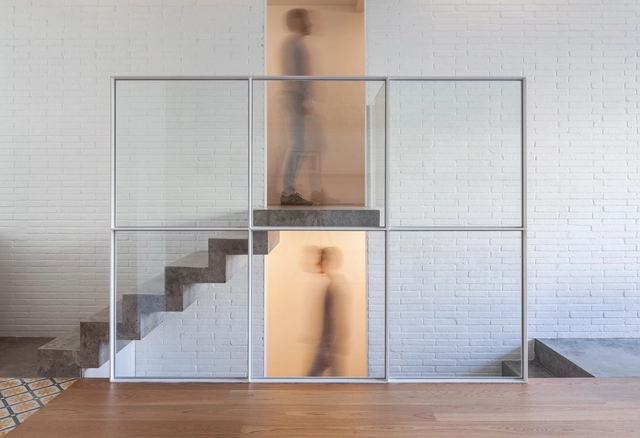
The appearance of people in architectural photography is rare. When they do show up, people are usually added to help the viewer better understand the size and design elements of a building. However, in recent times, several photographers have warmed to the idea of capturing houses with their inhabitants, showing the people who live there and how they inhabit the spaces. After the success of our previous round-up of people photographed with their houses, this week we bring you 10 more houses captured by renowned photographers such as Hiroyuki Oki, Peter Bennetts, and Ricardo Oliveira Alves.
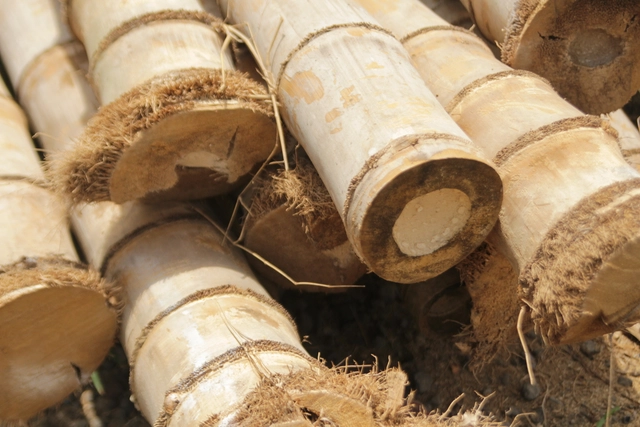
After years of publishing projects and articles related to bamboo, we are strongly aware of its qualities as a construction material. But is it really an option that you would use into your next project? Despite widespread appreciation, bamboo seems to be a material that is rarely considered for use in everyday designs.
The team of Manasaram Architects and CGBMT asked themselves the same question. Together they are seeking to understand the current perceptions of bamboo and to discover its potential as a commonly-used material in the construction sector. To help in this pursuit, they have shared a survey with us which seeks to evaluate how often architects and building professionals use bamboo, the problems they face, and how informed they are about the material.
We would like to invite our readers to spare 10 minutes of their time to help us expand knowledge about the use of bamboo using the survey below. The results will be shared on ArchDaily once the study is complete.
https://www.archdaily.com/886269/is-it-possible-to-massify-the-bamboo-as-a-building-material-in-the-construction-sectorAD Editorial Team
This short excerpt is from Places Journal's article "Prop and Property: The house in American cinema, from the plantation to Chavez Ravine," which in turn was adapted from John David Rhodes' book Spectacle of Property. The article, which investigates the many layers of property inherent in the production and viewing of movies, investigates in particular the films Gone with the Wind and To Kill a Mockingbird, revealing how their themes of race and property are made even more complex by the practicalities of Hollywood filmmaking.
Perhaps the most mysterious and desired feature of housing is the privacy of property, and especially the property of and in the house. Property, however, is fungible and alienable. Whatever is promised by the house is radically susceptible to violation, displacement, and loss. Often the experience of property’s violation or redefinition involves an unwelcome reminder that the house is not a very private place after all. Partly we know this: we have all spent time in living rooms, on porches, or in other spaces of the house in which it is nearly impossible to say where the public ends and the private begins. But when property’s inherent instability is experienced vividly—whether in “real life” or in representation—we are forced to confront the tenuous relationship between public and private, as well as the tenuousness of all property relations as such.
https://www.archdaily.com/886807/how-the-portrayal-of-houses-in-cinema-shows-uncomfortable-truths-about-hollywoods-relationship-to-raceJohn David Rhodes









.jpg?1515172298 "Model. Image Courtesy of IBUKU")