

-
Architects: design/buildLAB
- Area: 2000 ft²
- Year: 2016
-
Manufacturers: Bradley Corporation USA, C.R. Laurence, Dornbracht, Sherwin-Williams, Zurn, +25



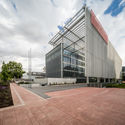
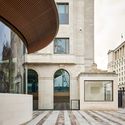
Telluride Arts has announced the three finalist firms that will compete for the adaptive reuse and transformation of the historic Telluride Transfer Warehouse in the arts district of Telluride, Colorado. Selected from an initial list of 30 firms from across the country, Gluckman-Tang, LTL and NADAAA were chosen as finalists based on “their sensitivity to the Telluride Arts and Telluride Historic Landmark Districts, their experience with historic restoration, and their previous design experience with public spaces for the arts.”
The three firms will now develop conceptual designs for the building, with the vision of “[creating] an architectural and cultural landmark in the heart of Telluride that provides contemporary, public art space that deepens and expands the cultural life of Telluride.”

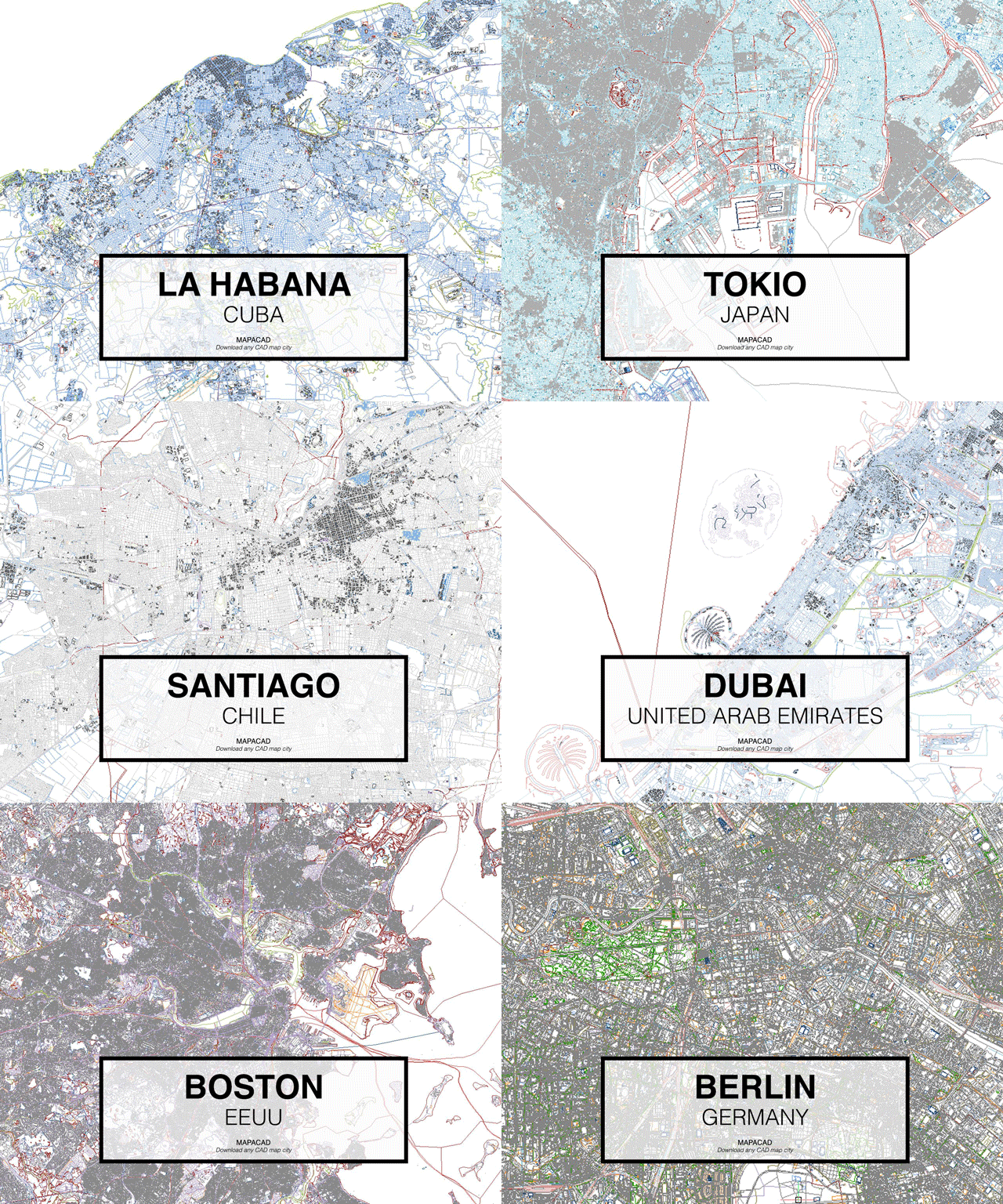
Mapacad is a website that offers downloads of .dwgs of dozens of cities. With 200 metropolises in their database, the founders have shared a set of their most-downloaded cities.
The files contain closed polyline layers for buildings, streets, highways, city limits, and geographical data--all ready for use in CAD programs like Autocad, Rhino, BricsCad and SketchUp.
Drawing on a touchscreen or trackpad can be a huge pain – but when you’re on the go, sometimes that may be your only option to quickly convey an image. To the rescue, Google has unveiled its latest AI experiment, AutoDraw, which uses machine learning to pair your wobbly doodle with a corresponding artist-drawn image – like autocorrect for sketching.
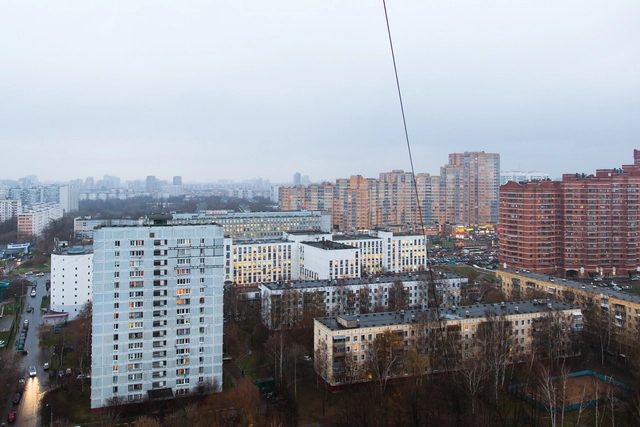
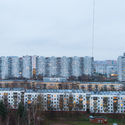
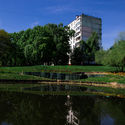
The Moscow government has just launched the biggest demolition program in the city’s history. Its goal is to get rid of 8,000 5-story residential buildings constructed in the Soviet era—it is probably the biggest program of erasure of modernist architectural heritage in world history. The main assumptions of the plan, as well as the press comments following it, show that we have forgotten what modernism was about, and what the real values of this architecture are.
A few years ago I published an essay titled Belyayevo Forever, dedicated to the preservation of generic modernist architecture. I focused on Moscow’s microrayons—vast, state-funded housing estates built in the Soviet era. In the essay, I explained the spatial and cultural values these prefabricated landscapes had. I also speculated about how one would go about preserving architecture that completely lacks uniqueness. The essay ended with a provocative statement: we should put Belyayevo—the most generic of all Soviet estates—on the UNESCO heritage list.
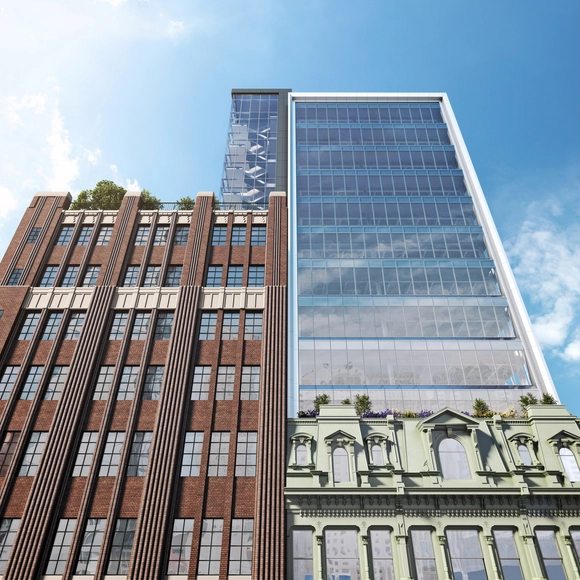
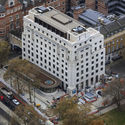
Plans have been announced by Tishman Speyer for "The Wheeler", a glassy new addition above downtown Brooklyn’s iconic Macy’s store on Fulton Street. The design is a collaboration between Shimoda Design Group and Perkins Eastman, and incorporates 10 stories of dynamic office and mixed-use space that will sit atop the existing department store.
Paying homage to the renowned 19th century Brooklyn developer Andrew Wheeler, the new offices will come complete with 16 foot ceiling heights, an acre of combined outdoor terrace gardens and decks, an amenity floor, and 360,000 square feet of rentable space, all while capturing the surrounding views of Lower Manhattan, the Brooklyn Bridge, the Statue of Liberty and New York harbour from its vantage point above the existing architecture.
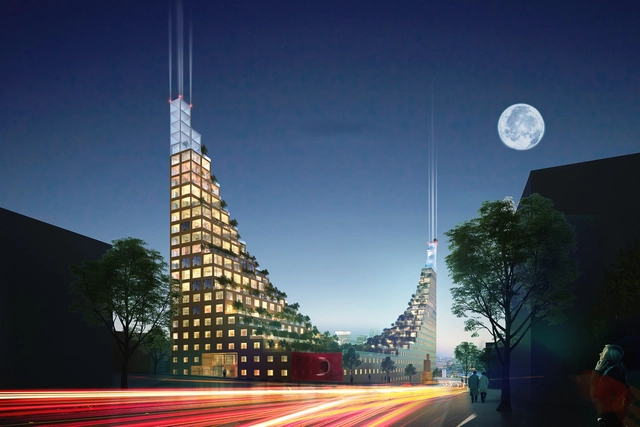
A new housing complex in the form of 500 terraced units has been proposed by London practice Architects of Invention for the city of Birmingham, in response to its growing multicultural population. Drawing inspiration from the ancient Hanging Gardens of Babylon, Garden Hill’s formal composition is that of two staggered 25-storey towers, with private and communal gardens on each level of terraces.
With the project's swooping mass, the residences aim to offer panoramic views of Birmingham, given its central location in the Digbeth area, a 10-minute walk from the city center. Additionally, the staggered towers capture ample daylighting over the course of the day, with the south end benefitting from the morning sun and the north end in the evening.
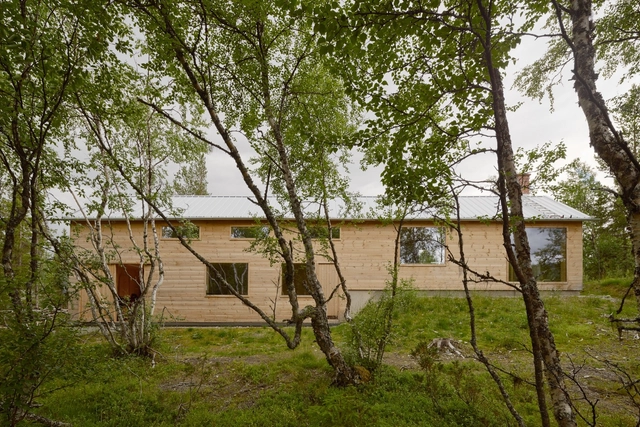


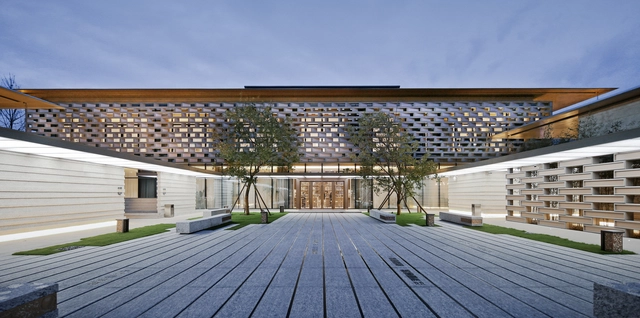

SkyCity is pleased to invite architects, designers, artists, engineers, scientists, conservationists, ambient warriors, tribesmen, digital nomads, craftsmen or basically anyone with great ideas from around the globe to take part in SkyCity Challenge 17. Our climate is changing, squalor, nationalism, and inequality are rising, people are constantly moving into cities and the demand for a better and more sustainable living in urban areas continues to grow. The current ways are very limited and outdated and with the modern technology available we are able to create far better and more sophisticated spaces that could affect the very way of our living in the future …


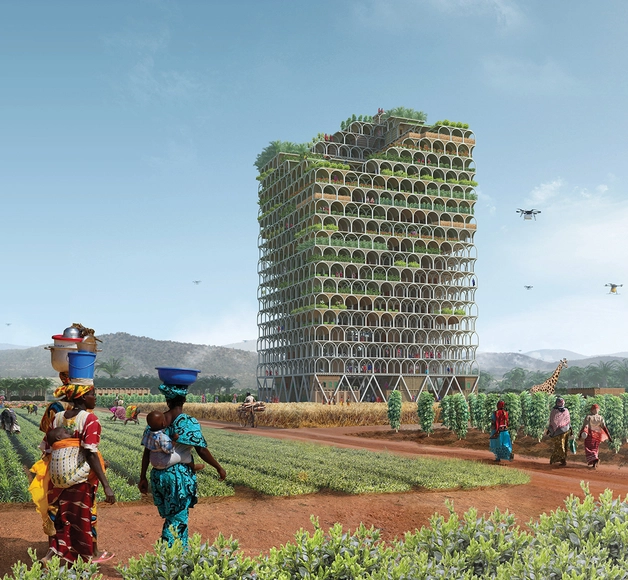
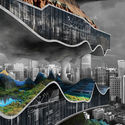
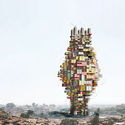
eVolo Magazine has announced the winners of its 2017 Skyscraper Competition. Now in its 12th year, the annual award was established to recognize “visionary ideas for building [high-rise] projects that through [the] novel use of technology, materials, programs, aesthetics, and spatial organizations, challenge the way we understand vertical architecture and its relationship with the natural and built environments.”
This year, 3 winners and 22 honorable mentions were selected from a pool of 444 entries. Among this year’s winners are a modular educational center and marketplace for sub-Saharan Africa, a vertical stack of factory and recreational space, villages embedded in mountains and even a skyscraper built within a giant sequoia.