Produce personalized presentation boards that distill complex concepts into simple visual representations with a few helpful tools and effects.


Produce personalized presentation boards that distill complex concepts into simple visual representations with a few helpful tools and effects.
.jpg?1525351255)
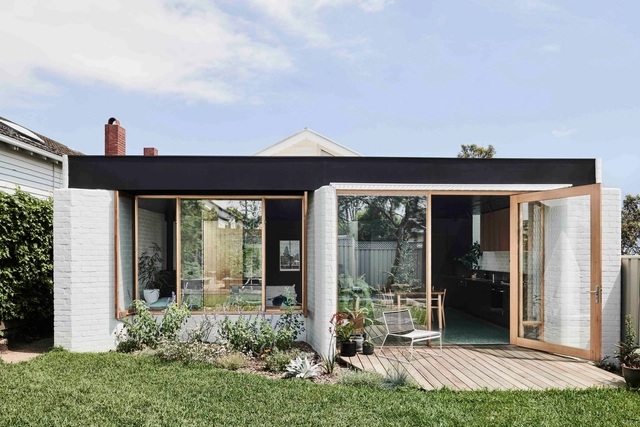
On Sunday evening, rapper Kanye West took to Twitter to announce the creation of a new architecture wing for his popular Yeezy company. With “Yeezy Home,” West is “looking for architects and industrial designers who want to make the world better,” leading to a flurry of speculation, excitement—and a certain amount of ridicule—across the online world.
Whether or not you welcome the news, or believe it will be realized, there is undoubtedly an interesting relationship between West and architecture which merits exploration, and which may provide clues as to Yeezy Home’s future, if indeed it has one. With that in mind, we dive into three questions: How likely is Yeezy Home to happen? What might the architecture of Yeezy Home look like? And how can architects get involved?


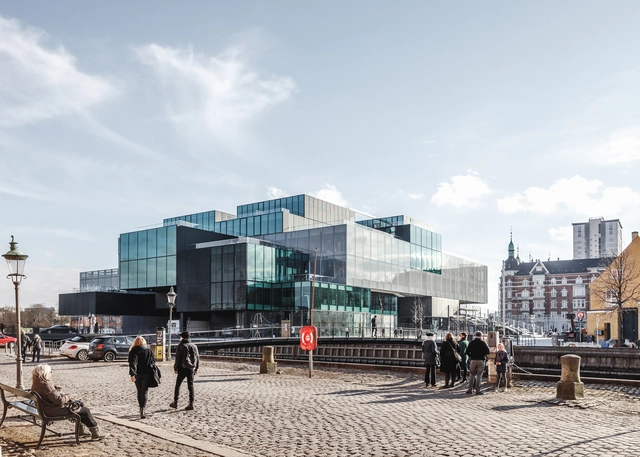
On Saturday, at the opening of her latest building, Ellen van Loon sat on the terrace of BLOX in Copenhagen exuding the satisfaction and fulfillment that comes with finishing a major public building. A day of opening activities concluded, van Loon spoke with ArchDaily about the 27,000-square-meter mixed-use building. Built for client Realdania, it’s the Danish Architecture Center’s new home on the edge of the harbor, located on an incredibly challenging site that is bifurcated by a busy street.

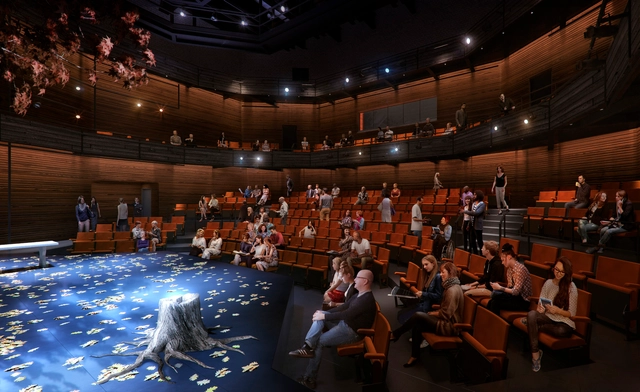
It’s no mystery why we put people in our designs. People are the quickest way to an emotional connection. With the right visual cues, you can evoke deep feelings, turning a simple image into a source of awe or aspiration. In architectural visualization, we try to shape those feelings, working off the perceptions most of us share. While we are all creatures of circumstance, using our experiential knowledge to guide us day-to-day, a lot of our conditioning is the same. Which is why it is so important to consider how you use people when you create visualizations of your designs.
Entourage are your visual guides, alerting the viewer to the story or feelings you want to convey. Sometimes that story is one of usage, an explanation of how someone interacts or moves about a space. Other times, it’s a bit more abstract. Whatever the direction, the art of entourage is really a study of composition, conditioning, and narrative. The more you know about each topic, the better your visualization will turn out—especially when you have a complicated brief.
In this piece, I’d like to show you how we approach entourage at Kilograph. Since our backgrounds are diverse—artists, architects, brand experts, and VR technicians—we are constantly having discussions about how to make people stand out, from a psychological and aesthetic perspective. Here’s what we’ve found.

Recently shortlisted for the 2018 Design Challenge "Design the Next-Generation Facade" by Metals in Construction Magazine, this "Pixel Facade" system is an adaptive, scalable and repeatable building system that can be applied to various building typologies. The system draws inspiration from our innate desire for nature, also known as "biophilia." The "Pixel Facade" system merges a contemporary office environment with biophilic environments to create the next generation of office design.
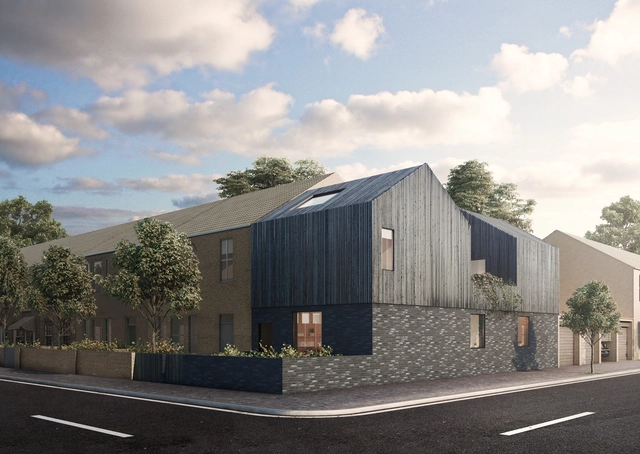
A new property startup named Cube Haus is looking to alter the existing housing market, offering high-value homes at reasonable prices "that can be configured to fit small and awkward urban sites." To do this, Cube Haus is commissioning a team of Britain's top architects and designers: Adjaye Associates, Faye Toogood, Carl Turner Architects and Skene Catling de la Peña. The team will create a series of customizable modular homes with a focus on outstanding design.








_exhibition_room_(unfolded).jpg?1525352096 "Exhibition Room (Unfolded). Image © Hao Chen")


.jpg?1525351255)






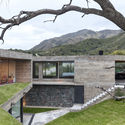



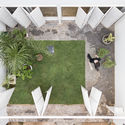




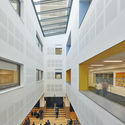



.jpg?1525435985 "© Simone Bossi")
.jpg?1525436393 "© Simone Bossi")
.jpg?1525436309 "© Simone Bossi")
.jpg?1525436433 "© Simone Bossi")