


-
Architects: ZIZU STUDIO
- Area: 4674 m²
- Year: 2020




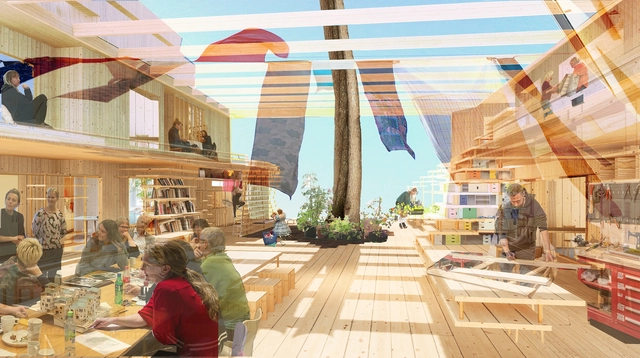
The Nordic Pavilion at the 17th International Architecture Exhibition of the Venice Biennale will be transformed into an experimental cohousing project by architects Helen & Hard, supported by a curatorial team from the National Museum of Norway. Responding to the theme of How will we live together? the intervention “will present a framework for designing and building communities based on participation and sharing”.
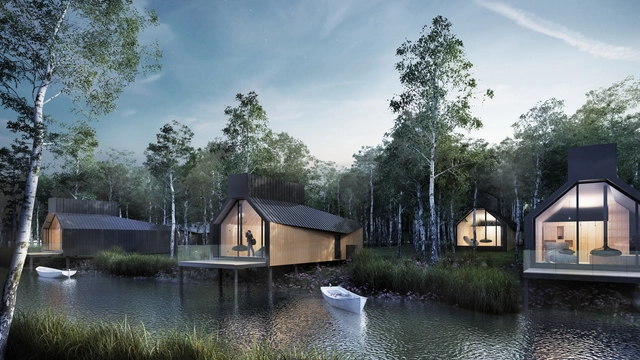
Scott Brownrigg have been appointed to design the 44 hectare masterplan for The Barony, a wellbeing and cultural visitor facility in East Ayrshire, Scotland. Made to transform the site of an ex-coal mine, the project will include 344 villas, a reception, spa and visitor center, as well as ecological sites for produce and research. Led by Board Director Neil MacOmish, the team developed the concept to embrace the site's topography.
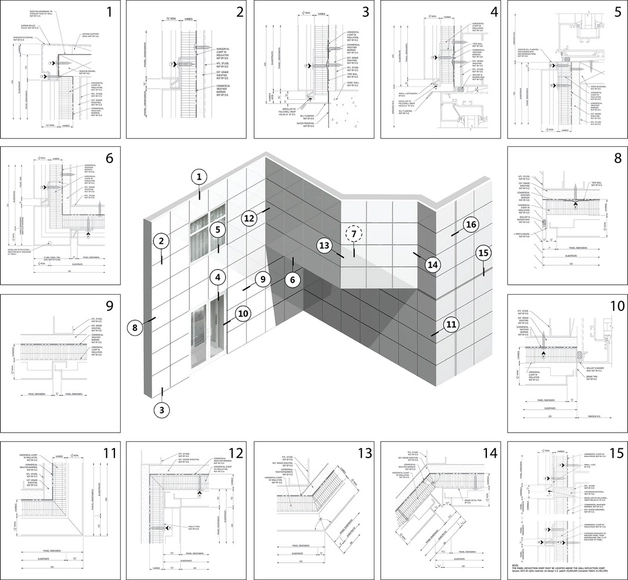
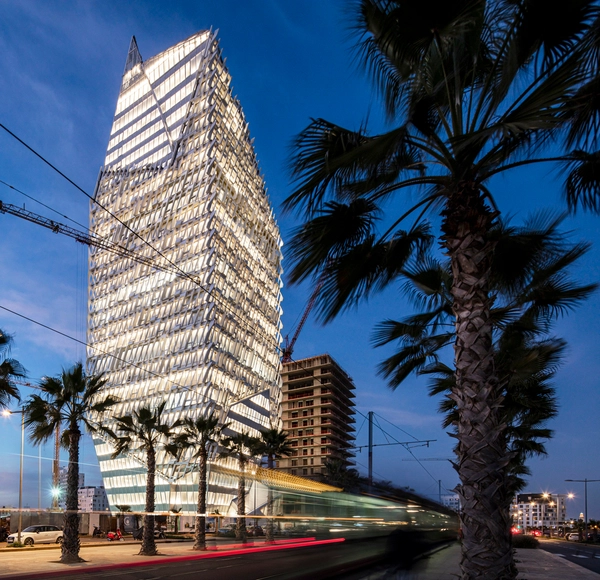
The façade is one of the most important elements in an architectural project. In addition to being the building's first barrier against heat, rain, snow, or wind, it also largely determines the appearance of a building. It can make the project stand out, blend into urban context, or even manifest, at first glance, values of transparency, lightness, or simplicity that the architect seeks to convey. Accordingly, the façade also constitutes a significant portion of the total cost of the work and, therefore, must be specified very carefully, taking into account aesthetics, functionality, maintenance, and long-term behavior.
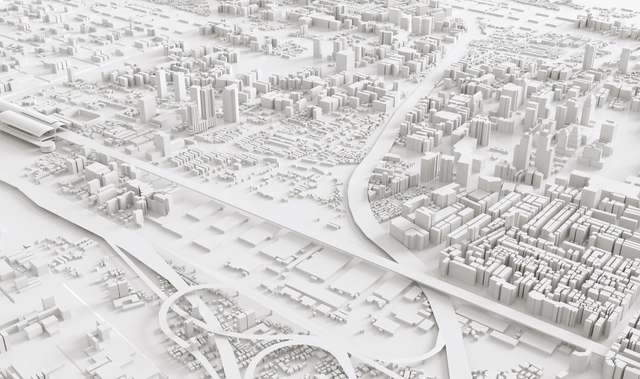
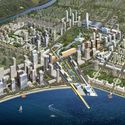
Over the past two decades, new master-planned cities have risen at a pace and scale rarely seen in modern history. Concentrated largely in Asia, the Middle East, Africa and Latin America, more than 150 such projects are currently underway. For some, these cities are promoted as fast tracks to modernization and a way to leapfrog from resource- or agriculture-dependent economies into knowledge-driven ones. For others, they are strategic showcases, designed to attract global attention, foreign capital, and prestige. By packaging urbanization itself as an investment opportunity, these projects promise to stimulate growth and reposition nations within the global economy—all through the act of building anew.
According to Forbes, "The new city building movement that we are currently in the middle of is one of the most under the radar and most misinterpreted social and economic developments happening in the world today". What often escapes scrutiny, however, is not only the architecture of these projects, but the governance model they advance.






.jpg?1611254728)
.jpg?1611255286 "© Edmund Sumner")
.jpg?1611255496 "© Edmund Sumner")
.jpg?1611254728)






.jpg?1611288061 "The Line project in Saudi Arabia. Image © NEOM")