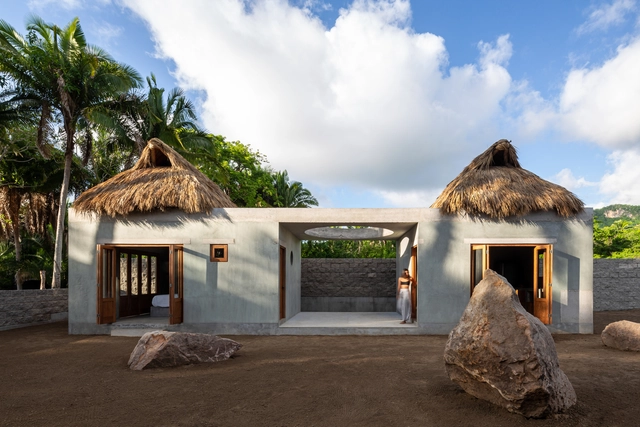
Litibú Bungalow / PALMA


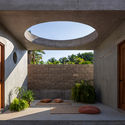
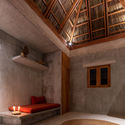

https://www.archdaily.com/947233/litibu-bungalow-palmaPilar Caballero
Collins Experience Center / MuseLAB

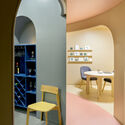
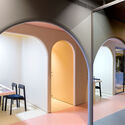

https://www.archdaily.com/969741/collins-experience-center-muselabPilar Caballero
Stodola 21 Renovation / DOMYJINAK Architects


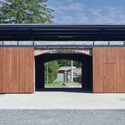
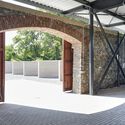
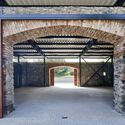

-
Architects: DOMYJINAK Architects
- Area: 335 m²
- Year: 2021
https://www.archdaily.com/969822/stodola-21-renovation-domyjinakPaula Pintos
Xi’an City Sports Park Landscape Improvement Project / China Northwest Architecture Design And Research Institute


https://www.archdaily.com/967531/xian-city-sports-park-landscape-improvement-project-china-northwest-architecture-design-and-research-instituteYu Xin Li
Croquis Sanlitun Store / Rafael de Cárdenas


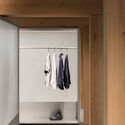
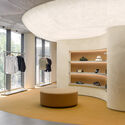
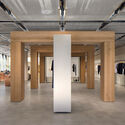

https://www.archdaily.com/969720/croquis-sanlitun-store-rafael-de-cardenasAndreas Luco
Gladys Valley Marine Studies Building / Yost Grube Hall Architecture


-
Architects: Yost Grube Hall Architecture
- Area: 72000 ft²
- Year: 2020
-
Manufacturers: Sedia Systems, Ann Sacks, Armstrong Ceiling & Wall Solutions, Construction Specialties, DaVinci Custom Fireplaces, +13
-
Professionals: KPFF Consulting Engineers, GRI, Mazzetti | BHE Group, The Estimé Group Inc., Listen Acoustics Inc., +4
https://www.archdaily.com/969718/gladys-valley-marine-studies-building-yost-grube-hall-architectureAndreas Luco
Brasil House / Play Arquitetura
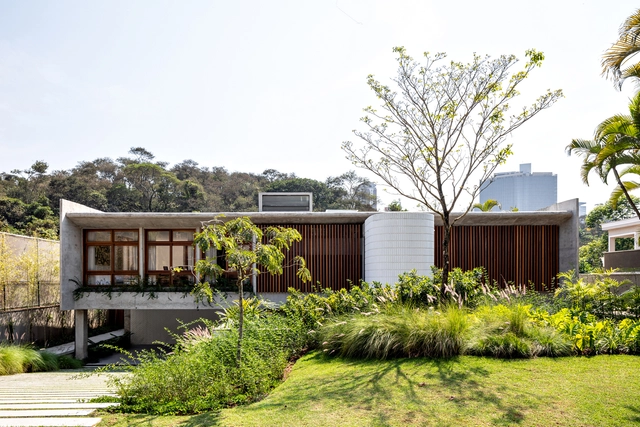



https://www.archdaily.com/969341/brasil-house-play-arquiteturaSusanna Moreira
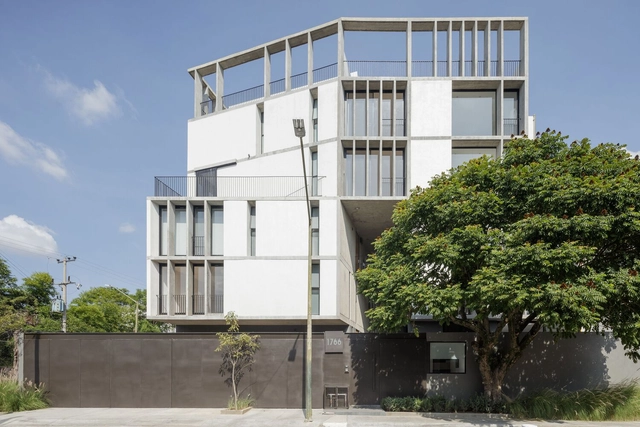
RD 1766 Building / em-estudio

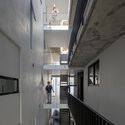
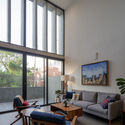
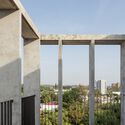

-
Architects: em-estudio
- Area: 31473 ft²
- Year: 2021
-
Professionals: Tikka, High Glass
https://www.archdaily.com/969711/rd-1766-building-em-estudioPilar Caballero
Roots and the persistence of conflict: the metropolis in focus

The Insper Arq.Futuro Cities Laboratory, through its City and Regulation Center, is hosting the first webinar series, "Real Estate Production and Architectural Heritage," throughout October. The series features representatives from various involved sectors and presents emblematic case studies that highlight concrete proposals for bridging different perspectives on urban space occupation.
https://www.archdaily.com/1052152/roots-and-the-persistence-of-conflict-the-metropolis-in-focusRene Submissions
Narula House / John Pardey Architects


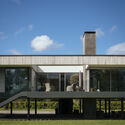
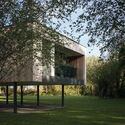
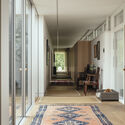

-
Architects: John Pardey Architects
- Area: 300 m²
- Year: 2018
https://www.archdaily.com/969707/narula-house-john-pardey-architectsPilar Caballero
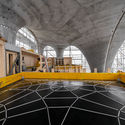
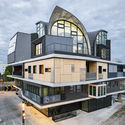
HiLo NEST Research Building Takes Shape in Switzerland

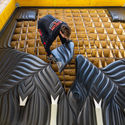
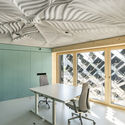
The latest addition to Empa and Eawag's NEST research building in Duebendorf, Switzerland has officially opened. The innovative HiLo unit illustrates nearly a decade of formative ETH Zurich research in architecture and sustainable technologies, and features an intricate, doubly curved concrete roof, lightweight funicular floors, and self-learning building technology.

https://www.archdaily.com/969722/hilo-nest-research-building-takes-shape-in-switzerlandEric Baldwin
Sid Lee Architecture's Les Ateliers Cabot Wins the C40 Reinventing Montreal Competition
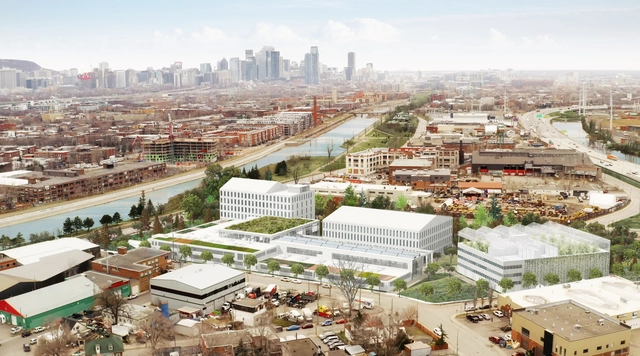
Sid Lee Architecture's Les Ateliers Cabot has won the 2nd edition of Montreal's C40 Reinventing Cities, a competition that "aims to encourage carbon neutral urban regeneration and to implement the most innovative ideas for transforming underutilized sites into hotspots of highly sustainable development and resilience, and to serve as a model for future developments". The winning proposal reimagines traditional development objectives, replacing economic profitability with the benefits derived from the relationship between man and the planet.




https://www.archdaily.com/969725/sid-lee-architectures-les-ateliers-cabot-wins-the-c40-reinventing-montreal-competitionDima Stouhi
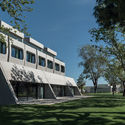
Office Building in Attica / Georges Batzios Architects


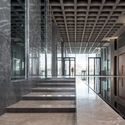

-
Architects: Georges Batzios Architects
- Area: 13500 m²
- Year: 2020
https://www.archdaily.com/969698/office-building-in-attica-georges-batzios-architectsValeria Silva
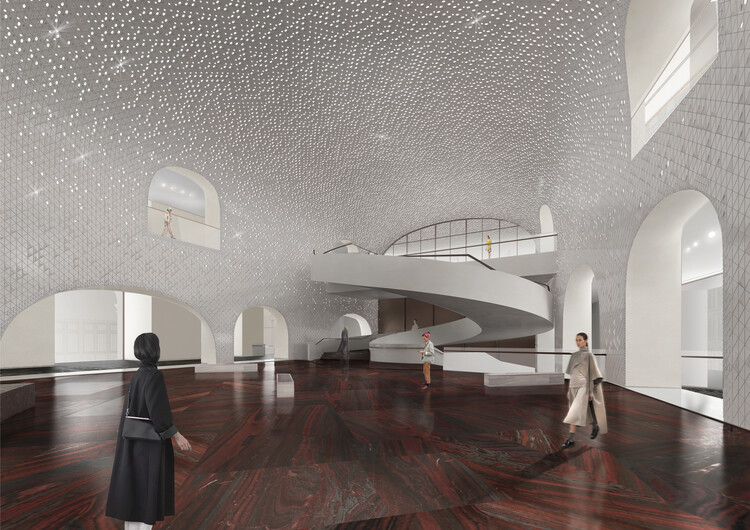
The New Kremlin Museum Nestles a Contemporary Design Within a Historic Monument
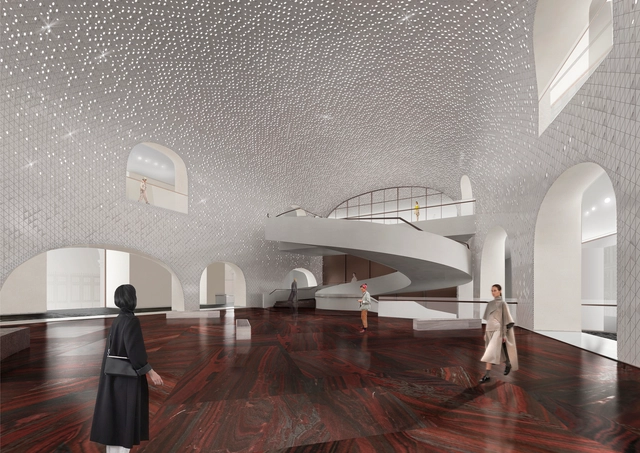
The new Kremlin museum set within the UNESCO protected museum ensemble in Red Square nestles a contemporary structure within the vast courtyard of a 19th-century building. Designed by Moscow-based practices NOWADAYS office and Meganom, the project will house the vast Armory collection, of which only 30% is currently available to the public with the Kremlin walls. The refurbishment of the historic Middle Trading Rows building, together with the new extension, complement each other, creating a diverse and complex museum experience.


https://www.archdaily.com/969686/the-new-kremlin-museum-nestles-a-contemporary-design-within-a-historic-monumentAndreea Cutieru
Josep Ferrando: “A System Is Flexible When It Accumulates the Maximum Amount of Algorithms, Generating Complex Spaces but Without Complications”

Josep Ferrando is an architect based in Barcelona. He is the Dean of the La Salle Higher Technical School of Architecture (ETSALS), as well as Director of the Obert d'Arquitectura Center of Barcelona and of the Department of Culture of the College of Architects of Catalonia (COAC). Combining his academic career and his frequent lectures, his office develops projects that explore different scales and materials, experimenting with constructive systems and innovative solutions. We talked with him about the importance of materials in architecture, and about the synergies he finds between practice and teaching.
https://www.archdaily.com/969582/josep-ferrando-a-system-is-flexible-when-it-accumulates-the-maximum-amount-of-algorithms-generating-complex-spaces-but-without-complicationsEduardo Souza
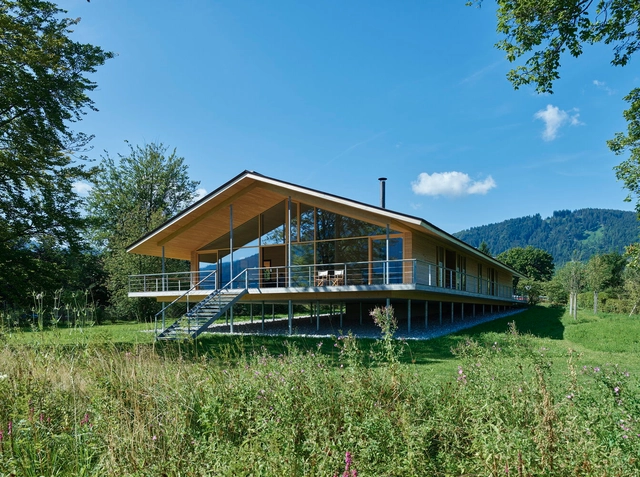
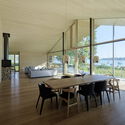
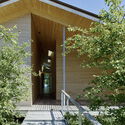
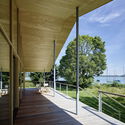
Lakeside House / Dietrich | Untertrifaller Architekten

-
Architects: Dietrich | Untertrifaller
- Area: 489 m²
- Year: 2014
-
Professionals: Merz Kley Partner, Weitha, Haffner, Schelle
https://www.archdaily.com/969704/lakeside-house-dietrich-untertrifaller-architektenPilar Caballero
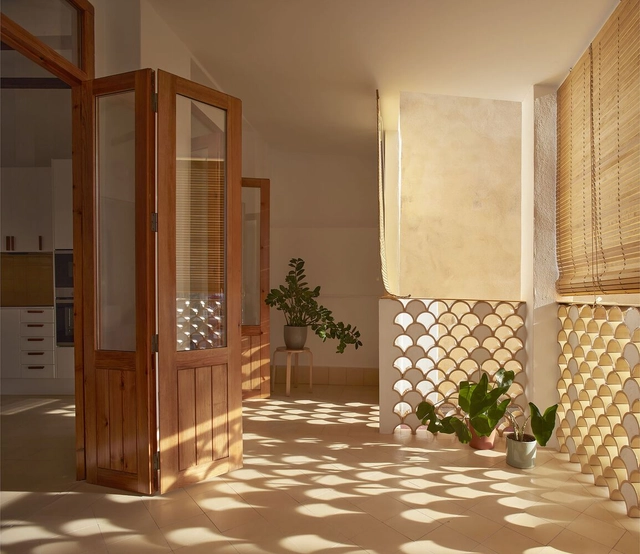
Casa Lurbe / Abalosllopis Arquitectos + Jordi Marset

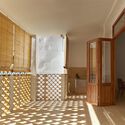
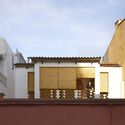

https://www.archdaily.com/969293/casa-lurbe-abalosllopis-arquitectos-plus-jordi-marsetAndreas Luco
Konohana Clinic / OTA Archistudio + Kubota Construction


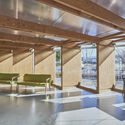
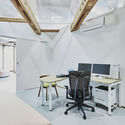
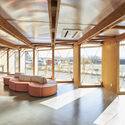

-
Architects: Kubota Construction, OTA Archistudio
- Area: 447 m²
- Year: 2020
-
Manufacturers: K.I.N., LIXIL , Mitsui Home Components
https://www.archdaily.com/969674/konohana-clinic-ota-archistudio-plus-kubota-constructionHana Abdel