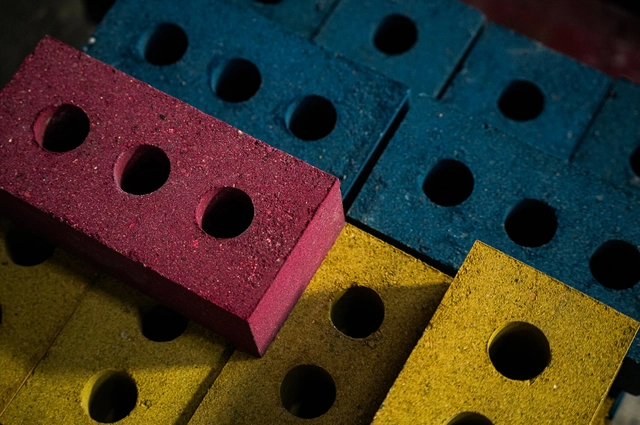
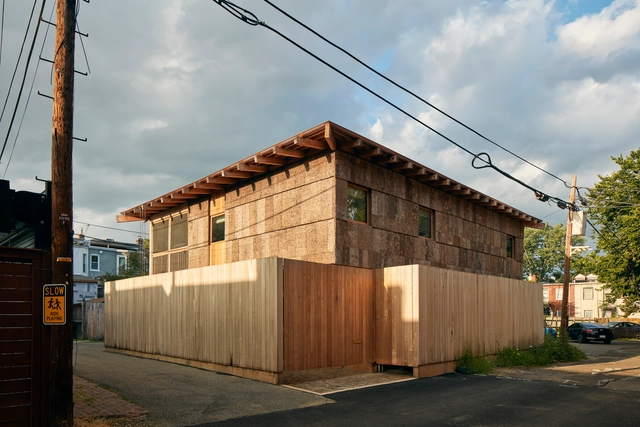
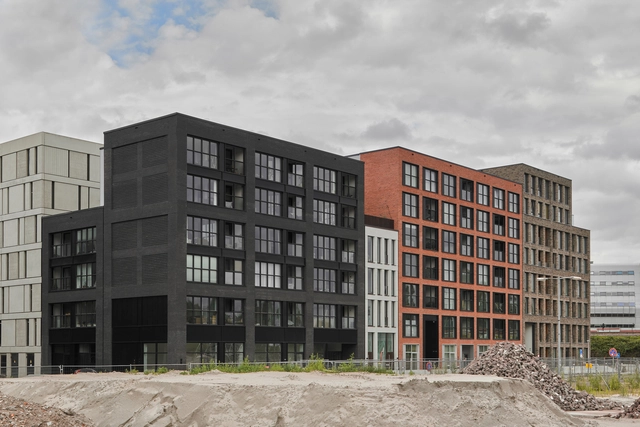
Scottish startup Kenoteq has launched the K-Briq – a more sustainable building brick that is unfired and made of 90% construction waste. Developed by engineering professor Gabriela Medero at Heriot-Watt University in Edinburgh, the K-Briq generates less than a tenth of the carbon emissions during manufacturing compared to a standard brick.
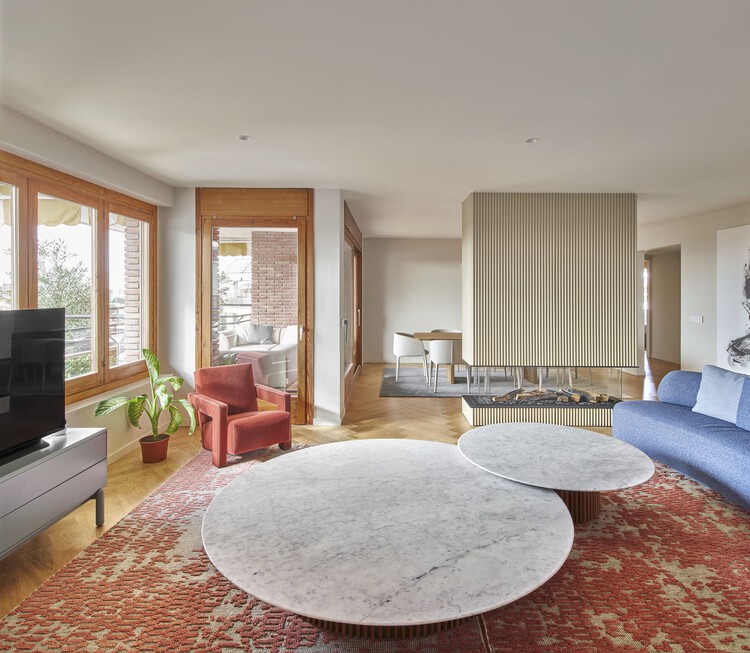
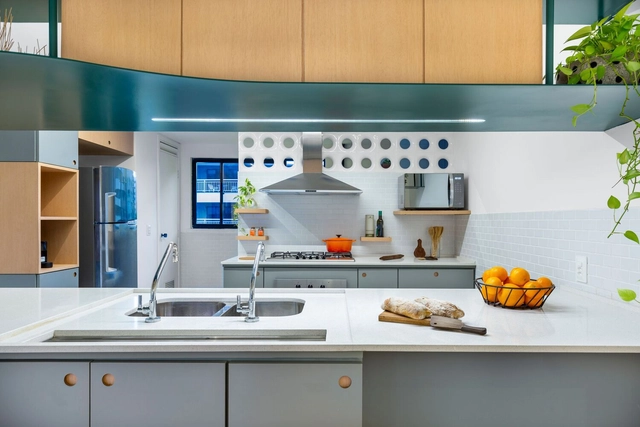
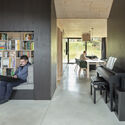
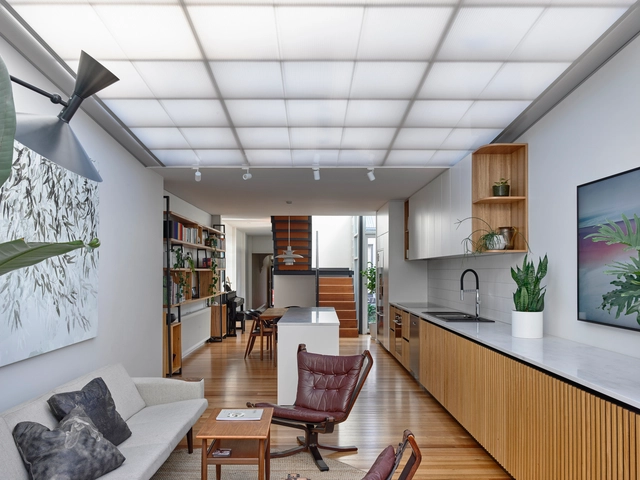
We are used to looking at architecture as large objects situated within the urban fabric or natural landscape, establishing new relationships with their surroundings. However, our daily lives also unfold inside these buildings as we enter, occupy, and interact with them. Consequently, we establish relationships with the built environment immediately around us. Architecture must therefore address the macro scale—such as climate and neighborhood context—while simultaneously attending to the micro scale of finishes, textures, and colors.
Numerous details shape the experience of a building's residents and users; when carefully explored, they elevate the quality of the project and stimulate the senses. These details can be structural, aesthetic, or functional.
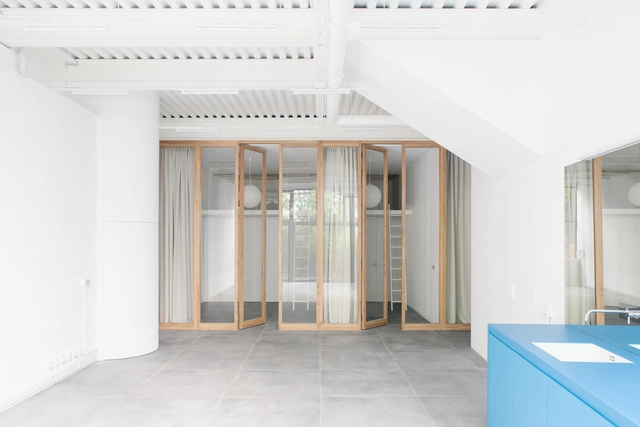
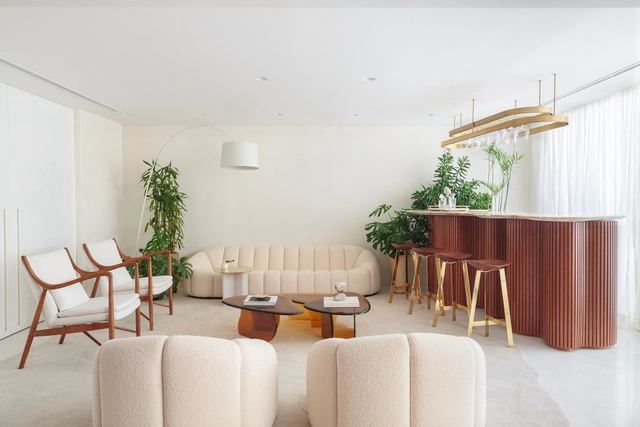
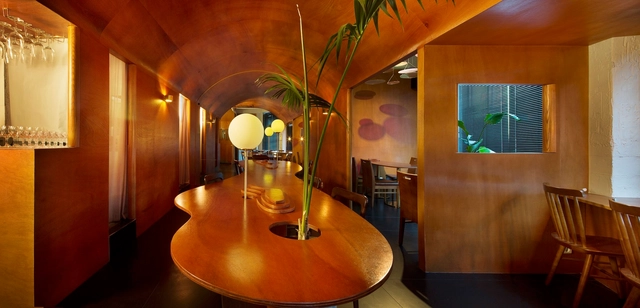
The rationality of orthogonal shapes dominates architecture, despite grand gestures that have sought to oppose themselves throughout history. In large-scale production, the right angles, repetition and modularity of the block or grid of pillars help in the efficiency of construction, despite reproducing the same spatial solutions. Unlike buildings, interior architecture can propose alternatives to break this rationality, whether from partitions or decorative objects.
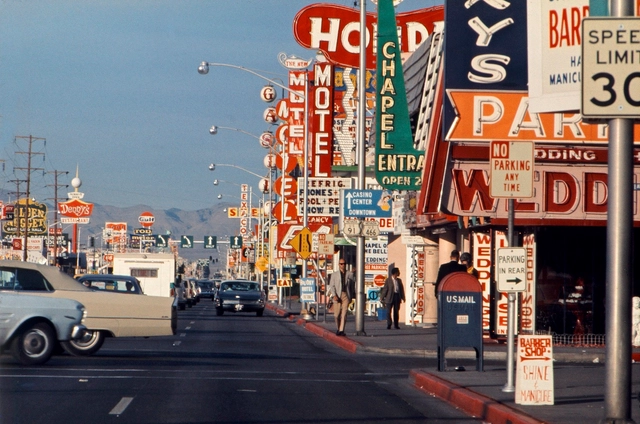
Las Vegas, sometimes known as Sin City, is perhaps the most famous desert metropolis where people gamble, and indulge in entertainment, and other vices. Each year, the city is visited by hundreds of millions of tourists who come to see its flashing lights and round-the-clock nightlife. Las Vegas has garnered so much attention that even Robert Venturi and Denise Scott Brownsought to study its urbanism, concluding with their theories on duck and decorated shed buildings in the early 1970s. But 50 years later, Vegas is still a city that constantly reinvents its architectural identity.
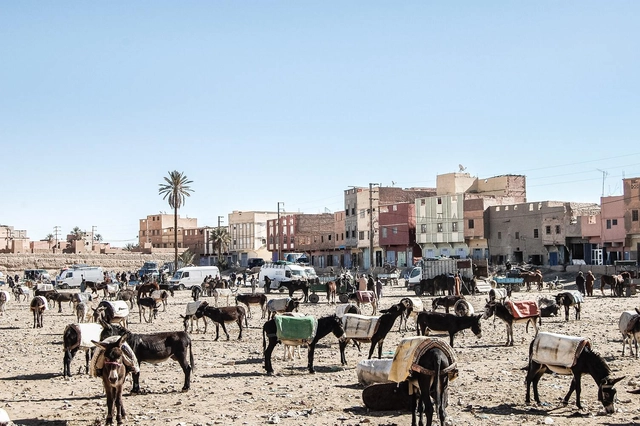
As populations continue to migrate from rural to urban areas, space is at a premium. Many settlements are becoming ever-more congested – with adequate, affordable housing in short supply and transport systems struggling to serve their respective residents. But as much the conversation about urbanization is about people, it is sometimes also about the animals that come with those people – urban livestock that play a key role at providing sustenance on an individual level, in addition to becoming an avenue for communal trade.
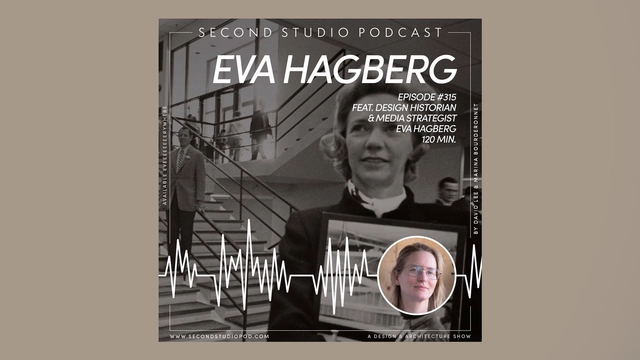
The Second Studio (formerly The Midnight Charette) is an explicit podcast about design, architecture, and the everyday. Hosted by Architects David Lee and Marina Bourderonnet, it features different creative professionals in unscripted conversations that allow for thoughtful takes and personal discussions.
A variety of subjects are covered with honesty and humor: some episodes are interviews, while others are tips for fellow designers, reviews of buildings and other projects, or casual explorations of everyday life and design. The Second Studio is also available on iTunes, Spotify, and YouTube.
https://www.archdaily.com/995571/the-second-studio-podcast-interview-with-eva-hagbergThe Second Studio Podcast
COP27, held in Sharm el-Sheikh, Egypt, concluded with a historic breakthrough to help vulnerable countries cope with the loss and damage resulting from climate change. However, negotiations also disappointed many stakeholders by failing to include any significant new measures to reduce emissions, which is essential to keeping global temperature rise below 1.5°C. Regarding adaptation, despite some positive signs, progress also fell short of expectations.
https://www.archdaily.com/1136056/cop27-key-outcomes-and-outlook-for-2023Natalia Alayza, Preety Bhandari, David Burns, Nathan Cogswell, Kiyomi de Zoysa, Mario Finch, Taryn Fransen, Maria Lemos Gonzalez , Nisha Krishnan, Paige Langer, Gaia Larsen, Jamal Srouji, Nate Warszawski e David Waskow