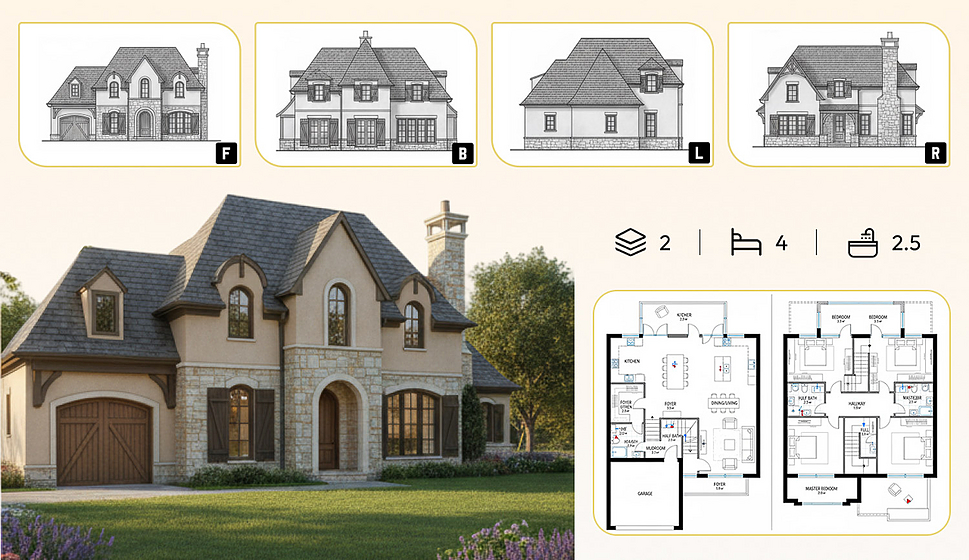
This guide covers a workflow that moves from project parameters to generated floor plans, 3D perspective views, exterior design exploration, and site context visualization, using AI tools in place of preliminary CAD and rendering work.
This guide covers a workflow that moves from project parameters to generated floor plans, 3D perspective views, exterior design exploration, and site context visualization, using AI tools in place of preliminary CAD and rendering work.

The Association of Sabesp Engineers (AESabesp) has launched a competition to select the best architectural designs for the future São Paulo Water Museum. The goal is to find the best architectural concepts and alternatives for the restoration and expansion of the former water and sewage department building—currently known as the França Pinto Reservation Center—and the implementation of the cultural venue.
.jpg?1568988710&format=webp&width=640&height=580)
Marked by the intersection and mutual reinforcement of curatorial design and institutional action, the 34th Bienal de São Paulo emphasizes the poetics of “relation” and adopts an innovative operational structure. This framework involves exhibitions and events hosted at the Bienal Pavilion starting in February 2020, in collaboration with a network of more than 20 institutions across São Paulo. Once the Pavilion is fully occupied by the exhibition starting in September 2020, these partner institutions will host, within their own spaces, exhibitions integrated into the 34th Bienal.
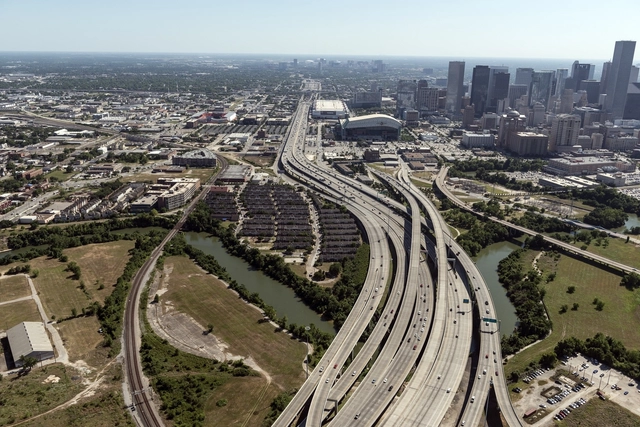
While conventional American urbanism is known to drive excessive sprawl, it is worth remembering that, ultimately, the true extent of a city's horizontal expansion lies far beyond the reach of urban planning controls.
.jpg?1559312649&format=webp&width=640&height=580)
Brazil's recent political and social crisis—exemplified by the results of the latest election—is concerning and has been undermining citizens' trust in the decision-making processes that affect our lives and cities. One of the reasons for this is the absence of public spaces where people of different social classes, races, ethnicities, perspectives, and worldviews can meet, exchange, and represent who they are.
Public spaces are fundamental to democracy and citizenship. Modern planning and unequal urban development have led Brasília to become a segregated, fragmented, and deeply unequal city. The deteriorated public sphere and the resulting individualization of lifestyles worsen the situation, leaving us increasingly disconnected, intolerant, and civically disengaged.

The School of Architecture and Urbanism of the Federal University of Juiz de Fora (UFJF) has announced the results of the national competition for its new headquarters building. The winning team consists of architects Bruno Eduardo Nakaguma Gondo, Carlos Eduardo Murgel Miller, Eduardo Saguas Miller, and Felipe Fuchs, from São Paulo.
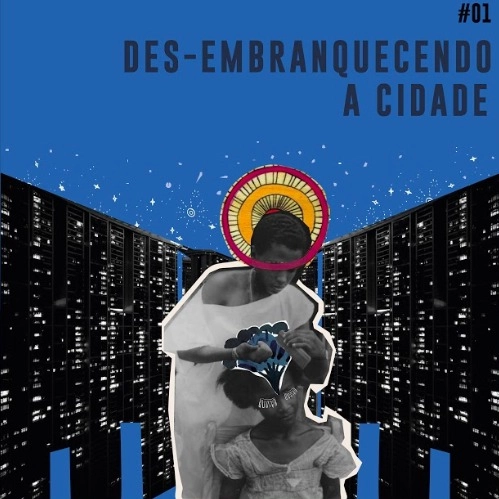
The “De-whitening the City” Podcast is a space invented from the desire of five Black women residing in Salvador, São Paulo, Rio de Janeiro, and Belo Horizonte to circumvent geographic distance in order to foster and celebrate connection. Emmily Leandro, Gabriela Gaia, Luciana Mayrink, Malu de Barros, and Natalia Alves make up the Terra Preta collective, giving shape and voice to this exercise in creating a shared virtual territory—both a political and aesthetic commitment—now made public for the first time.

The formal configuration of open space systems in Brazilian cities—whether qualified or not—derives a significant contribution from private developments, since public urban planning and design have historically been the exception.
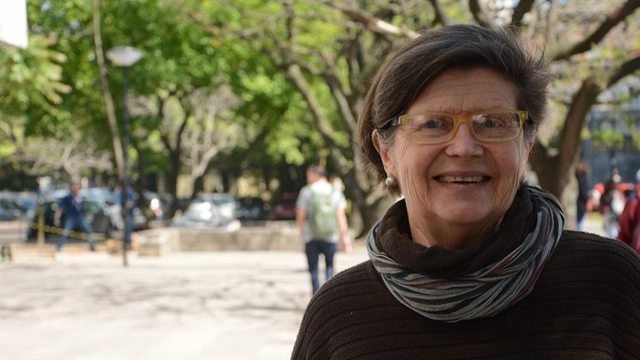
On Wednesday evening, October 9, the late Briane Panitz Bicca—an architect and urban planner from Rio Grande do Sul widely recognized as a leading figure in the preservation of Brazilian historical and cultural heritage—was honored during the opening ceremony of the 21st Brazilian Congress of Architects (CBA).
Romano Guerra Editora has launched a crowdfunding campaign on Catarse to reissue the celebrated book RINO LEVI – arquitetura e cidade. Based on Renato Anelli's doctoral dissertation, the book features iconographic research by a team led by Abilio Guerra and is filled with photography by Nelson Kon.

From revitalizing degraded green spaces to hosting collaborative games, events, and workshops, there are numerous volunteer initiatives capable of transforming a city's landscape and the lives of its residents.
In addition to serving as vital forms of social participation, community collectives and volunteer-driven initiatives facilitate dialogue between public authorities and local communities. This collaboration yields numerous benefits, particularly in reshaping how we interact with our cities.
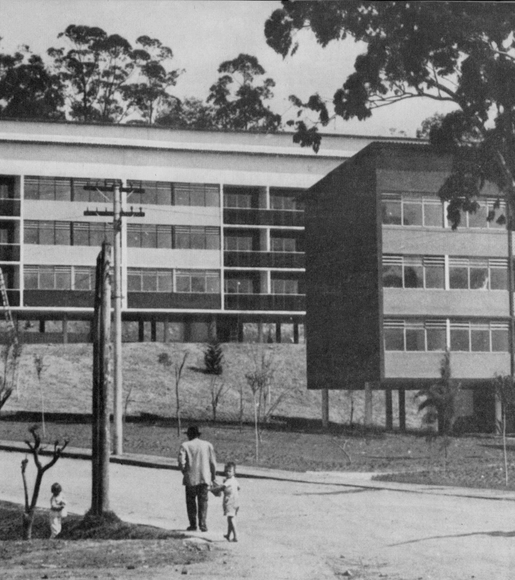
After studying civil engineering at the Escola de Minas de Ouro Preto, Carlos Frederico Ferreira returned to his native city of Rio de Janeiro and enrolled in the Escola Nacional de Belas Artes, graduating in architecture in 1935. In 1939, he was hired by the IAPI as an engineer-architect and soon rose to the position of head of the institute's Engineering Department. By 1943, having overseen the partial completion of the first major housing development, the Conjunto Residencial Operário in Realengo, he was able to begin expanding the model to other locations. The designs for Vila Guiomar in Santo André and Piratininga in Osasco, as well as the apartment building and IAPI Regional Office headquarters in Recife—all designed by him—demonstrate how, through his position, he sought to shape the direction of the institute's future developments.

The governor of Espírito Santo, Renato Casagrande, signed a decree this week mandating the installation of solar energy harvesting systems in new state buildings. The law also applies to facilities constructed with state funds transferred to municipalities through agreements, accords, or covenants.
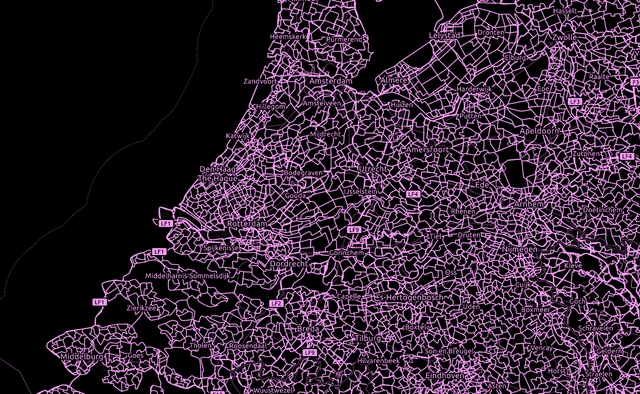
For some time now, cycling infrastructure planning has become a priority for several countries around the world seeking to seriously mitigate the challenges of rapid urbanization. In this regard, it is worth looking at which countries are expanding their cycling networks and understanding the development patterns established for each of them. OpenCycleMap is a project that makes it possible to clearly identify these countries and analyze their networks in great detail.
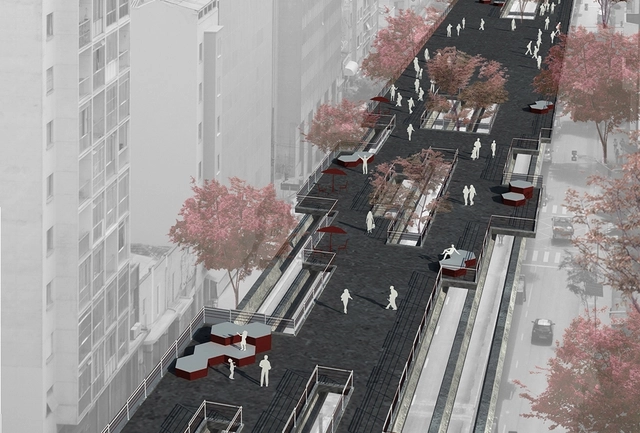
For its 31st competition, organized in partnership with the Associação Parque Minhocão, the Projetar.org portal invited students and young professionals to envision what the Minhocão Park could be. In total, 310 students participated, representing 74 cities, 13 states, and 51 universities.

A seven-story residential building collapsed this morning in Fortaleza, Ceará. Located in the upscale neighborhood of Dionísio Torres, the building was over 40 years old and was undergoing renovations. A video recorded yesterday by a resident shows the precarious state of the structure's support columns, with exposed and corroded rebar.


"I Saw a Brazil on TV" was the theme of the debate that, on November 8, 2018, brought together a group of architects participating in the exhibition "Infinite Span - 90 Years of Brazilian Architecture" at the Instituto Moreira Salles in São Paulo.
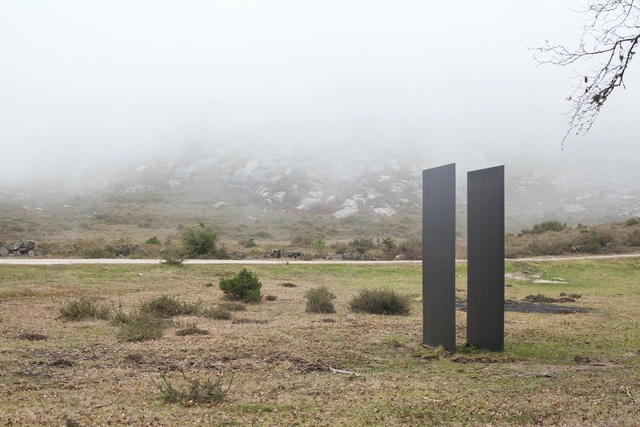
The Alto Minho region in northern Portugal had its landscape transformed by a series of site-specific artistic interventions that were part of the DESENCAMINHARTE program. The initiative aimed to promote artistic creation in the region through a collaborative network designed to foster recognition of its local identity.
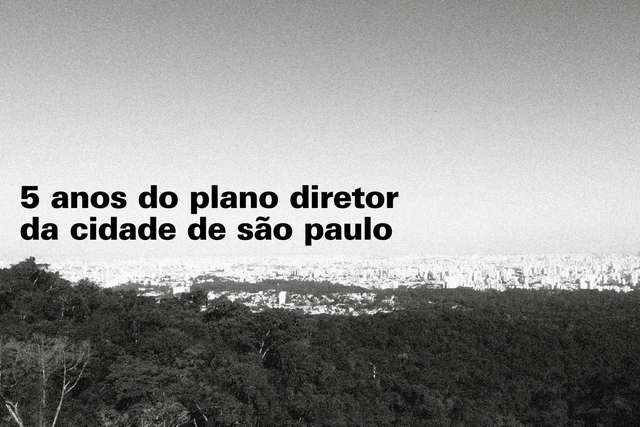
Five years ago, São Paulo approved its Master Plan, a social pact to transform the city by 2029. While a significant portion of the planned actions have been carried out or are currently underway, just as many remain on paper. Assessing this period is essential to achieving the ultimate goal of this entire process: improving the quality of life for its residents, especially those who need it most.
_(Custom).jpg?1559915700&format=webp&width=640&height=580)
C40 Cities, a global coalition of cities, launched a competition to select the best solutions for transforming underutilized urban spaces into resilient, carbon-neutral developments. Named Reinventing Cities, the competition selected 15 innovative ideas poised to "reinvent" the future of cities.
.jpg?1567697293&format=webp&width=640&height=580)
Cities that absorb rainwater and allow it to follow its natural course. It should be simple, yet we chose to channel our waterways, preventing nature from doing its part: absorbing and purifying. For Chinese architect Kongjian Yu, this is the key to solving one of the greatest challenges facing contemporary major urban centers: flooding.
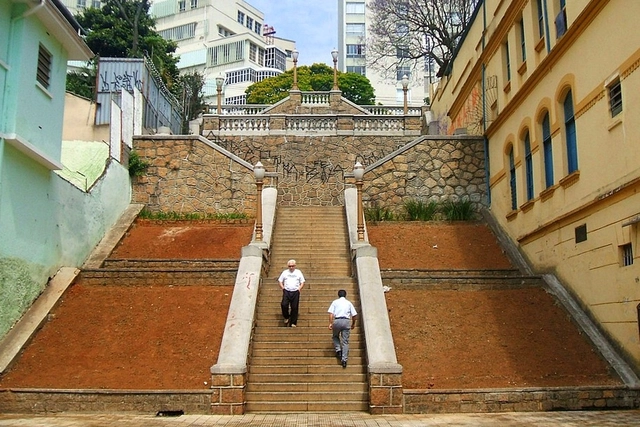
There is no doubt that preserving historical, artistic, and architectural heritage is a fundamental goal for building a just city. It is the right of all citizens, both present and future generations, to know and enjoy our collective memory and culture. However, for this to actually happen, both a discerning eye and a comprehensive vision of the city are essential.
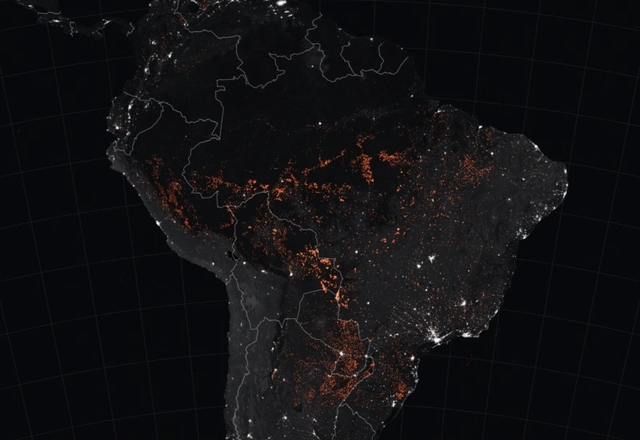
Over the past week, thousands of active fires in the Brazilian Amazon captured global attention in the press and on social media, where the hashtag #PrayForAmazonia was mentioned more than 150,000 times in a single day. But what can satellite data tell us about what is actually happening in Brazil's forests?
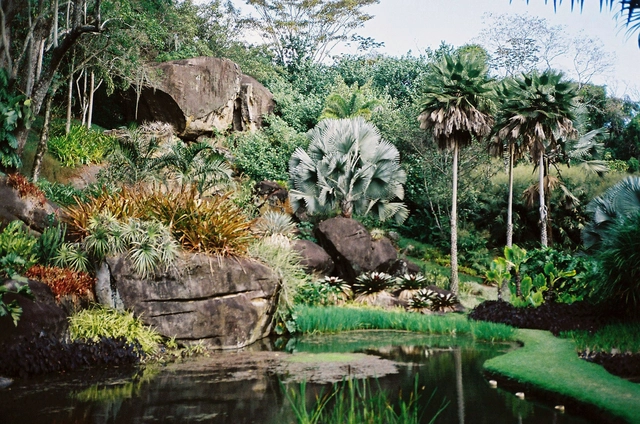
The curatorial team of the XII São Paulo International Biennial of Architecture, comprising architects Vanessa Grossman, Charlotte Malterre-Barthes, and Ciro Miguel, has been named a recipient of the competitive 2019 Grants to Individuals from the prestigious, Chicago-based Graham Foundation for Advanced Studies in the Fine Arts. The grant was awarded for the publication of the book Todo dia/ Everyday, the result of the work and research that culminated in the theme of the XII São Paulo International Biennial of Architecture. The bilingual volume will be published by Ruby Press, a Berlin-based publisher specializing in books on architecture, art, and other cultural practices engaged in the production of space in contemporary society.

Felipe Camus, a photographer who has documented ELEMENTAL's project, shares his reflections on Ochoquebradas.
.jpg?1568988664 "Ximena Garrido-Lecca - Insurgencias Botánicas: Phaseolus Lunatus, 2017 | Installation view / Dimensions variable / Photo: Ramiro Chavez")
.jpg?1568988535 "Deana Lawson - Mama Goma, 2014 | 35 x 45 in (99 x 114.3 cm) / Courtesy of the artist")
.jpg?1568988594 "Clara Ianni - Free Form, 2013 | video (b&w, sound), 7’14’’ / Courtesy of the artist")
.jpg?1568988648 "Ximena Garrido-Lecca - Insurgencias Botánicas: Phaseolus Lunatus, 2017 | Installation view / Dimensions variable / Photo: Ramiro Chavez")
.jpg?1568988710)