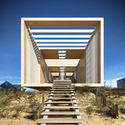
How to visualize architectural concepts in SketchUp using D5 Lite for faster design exploration.
How to visualize architectural concepts in SketchUp using D5 Lite for faster design exploration.
_John_Donat_RIBA_Library_Photographs_Collection.jpg?1591219236&format=webp&width=640&height=580)
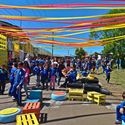
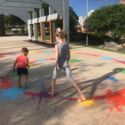
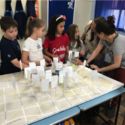
Today, building humanized cities is predicated on full public participation, as outlined by national public policies institutionalized in Brazil's City Statute. However, it is clear that these mechanisms are largely geared toward adults, leaving children and youth on the margins of the participation and decision-making process.

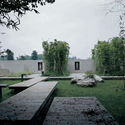
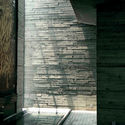
Jiakun Liu was born in 1956 in Chengdu, China. Architecture was not his first choice to pursue at school, as he originally wanted to be an artist. He heard that architecture had something to do with drawing, so he applied to Chongqing Institute of Architecture and Engineering, not fully understanding what his role as an architect would be. After his graduation in 1982, Liu worked at the Chengdu Architectural Design Academy for two years, the experience he did not enjoy. So, he set out on a self-searching journey that lasted for over a decade, spending time in Tibet and Xinjiang in West China where he practiced meditation, painting, and writing, producing several works of fiction, while officially working at the Literature Academy as a writer.
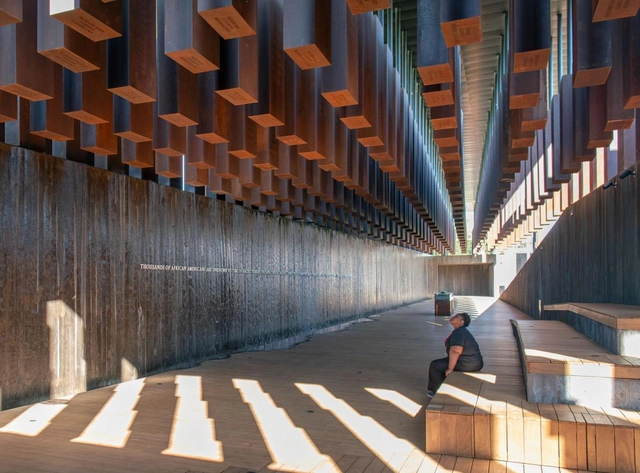
Architecture shapes how we live and come together. Amidst a pandemic and protests around the world, architects and designers are speaking out to condemn injustice and build space for empathy and understanding. In listening, they are looking to how we live together, and in turn, how we can create a more equitable and just world.
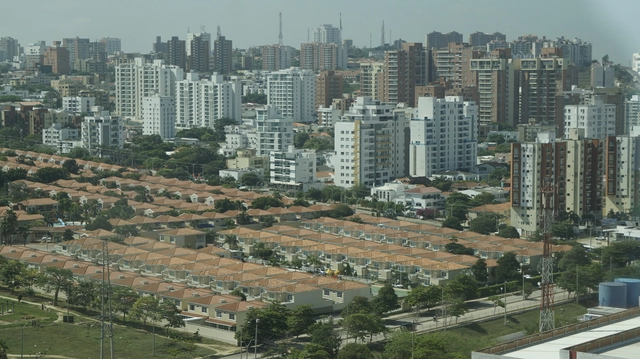
The crisis brought about by the pandemic and the resulting new global order compel us to review and adjust all Land-Use Plans—or their local equivalents—across Latin American cities.

David Rockwell and his team at Rockwell Group proposed an open streets initiative, a template for outdoor dining, in order to help bars and restaurants reopen post-pandemic. The design strategies illustrate practical solutions to make everyone feel safe.
.jpg?1591226080&format=webp&width=640&height=580)

In a conversation for the third edition of Revista CLEA—an annual publication of the Latin American Coordinator of Architecture Students (CLEA)—Ecuadorian architect María Augusta Hermida explores the capacity to decolonize spaces and cities today.
.jpg?1591199099&format=webp&width=640&height=580)
The National Archives Wiki-Contest is an editing competition on the Portuguese Wikipedia that aims to improve articles related to Brasília. It is part of a series of activities throughout 2020 conducted in collaboration by the Wiki Movimento Brasil User Group and the National Archives. The Wiki-Contest aims to encourage the Wikipedia editing community to improve entries related to the National Archives' Inter-wiki WikiProject initiative, which has been active since 2017.
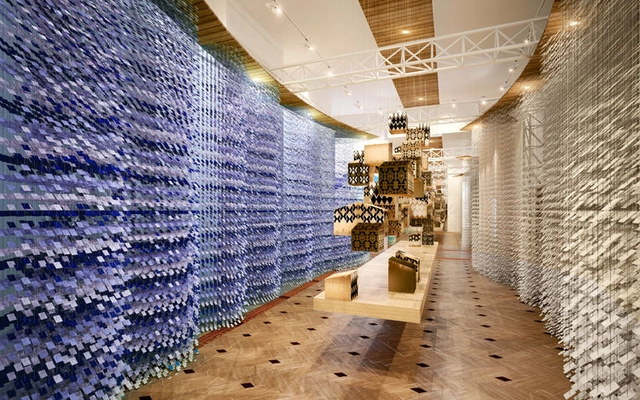
The London Design Biennale and Chatham House announced a new call for designers to address issues of crisis around the world. Called Design Resonance in an Age of Crisis, the initiative aims for radical design solutions to critical problems across four key areas: Health, Environment, Society, and Work. The announcement follows the news that the Biennale has been postponed until 2021.



.jpg?1591036359&format=webp&width=640&height=580)
While first developed as a practical power source during the 1950s, solar systems were too expensive for mainstream use until the 1970s. Starting from their early use to power Cold War era military satellites, silicon photovoltaic solar cells achieved their first commercial success in places where electricity was not available, such as lighthouses and off-shore oil rigs.
The total amount of water on our planet has, theoretically, stayed the same since earth's formation. It's possible that the glass of water you drank earlier contains particles that once ran down the Ganges River, passed through the digestive system of a dinosaur, or even cooled a nuclear reactor. Of course, before it quenched your thirst, this water evaporated and fell as rain millions of times. Water can be polluted or misused, but never created or destroyed. According to a UNESCO study, it is estimated that the Earth contains about 1386 million cubic kilometers of water. However, 97.5% of this amount is saline water and only 2.5% is fresh water. Of this fresh water, most (68.7%) takes the form of permanent ice and snow in Antarctica, the Arctic, and in mountainous regions. Another 29.9% exists as groundwater. Ultimately, only 0.26% of the total amount of fresh water on Earth is available in lakes, reservoirs, and watersheds, where it is easily accessible for the world's economic and vital needs. With the population steadily increasing, especially in urban areas, several countries have already had severe problems with providing the necessary amount of drinking water to their populations.
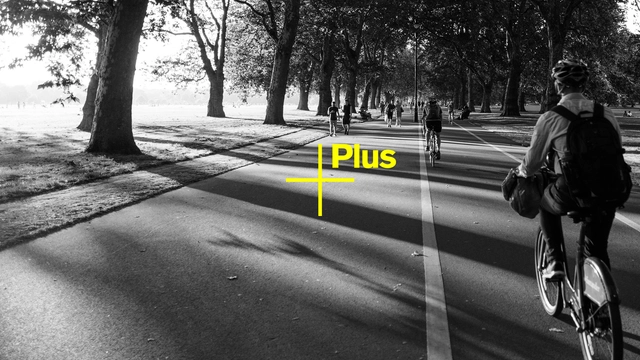
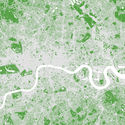
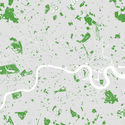
The Covid-19 pandemic has transformed the way we live our lives. Significant and long-lasting repercussions will be felt across society and industry, many of which are sure to influence the way we approach the design of our buildings and cities. Over the past few weeks, the Urban Design team at Foster + Partners has been exploring how recent and fast moving developments in urban planning – instigated and encouraged by the current crisis – will affect and shape the future of London and others worldwide.
Guilherme Wisnik talks with Bruno Dunley, a visual artist, teacher, and co-creator and member of the project ali: arte livre itinerante, a nomadic art school that bridges centers and peripheries, operating in the district of Cidade Tiradentes on the far east side of São Paulo.
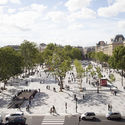
Chilean architect and urban planner Germán Bannen, renowned for his work in the municipality of Providencia, is thoroughly examined in a new documentary by visual artist Gabriel Del Favero and journalist Ana Rodríguez. La ciudad de Germán Bannen traces the key milestones of his projects—such as the design and construction of Nueva Providencia Avenue—through a compilation of photographs, plans, archival footage, lectures, architectural drawings, and a dozen interviews.
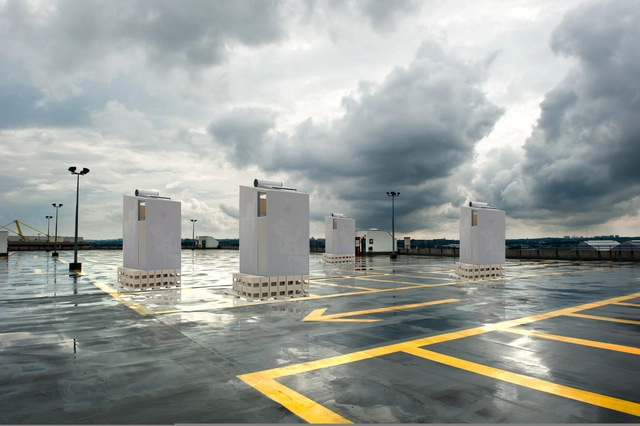
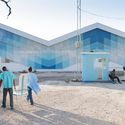
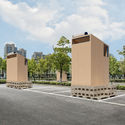
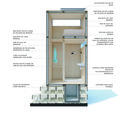
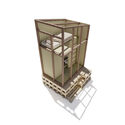
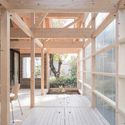
As part of an initiative led by the Mexican architecture firm REVOLUTION Arquitectura and the Mexican Red Cross, the Temporary Housing Pavilion for Healthcare Workers was developed to protect and shelter healthcare sector workers in Mexico.

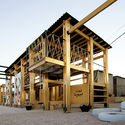
Although some projects conceal it, structure is always a primary concern in architectural design. Defining the structural system is among the first crucial decisions to be made, and it will likely shape a series of other aspects of the building. There are, however, extreme cases where architecture is seen and read simply as structure—projects whose character and image are largely defined by the chosen structural solution.
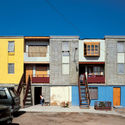
PRODUCTORA is a Mexico City-based architecture studio founded by Abel Perles (1972, Argentina), Carlos Bedoya (1973, Mexico), Víctor Jaime (1978, Mexico), and Wonne Ickx (1974, Belgium). The firm is characterized by its emphasis on precise geometries in an effort to generate legible projects with clear gestures, as well as its pursuit of timeless material and spatial resolutions.
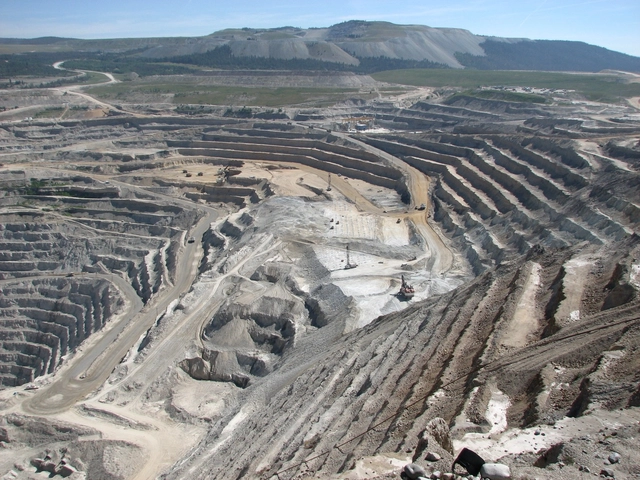
How does architecture contribute to the current climate crisis?
We invited our readers to weigh in on this issue and were overwhelmed by the number of responses that we got. After reading through and compiling the replies from industry professionals, architectural students, and architecture aficionados, we were struck by a common theme: there are few resources when it comes to researching how materials and products used in construction are sourced and produced.
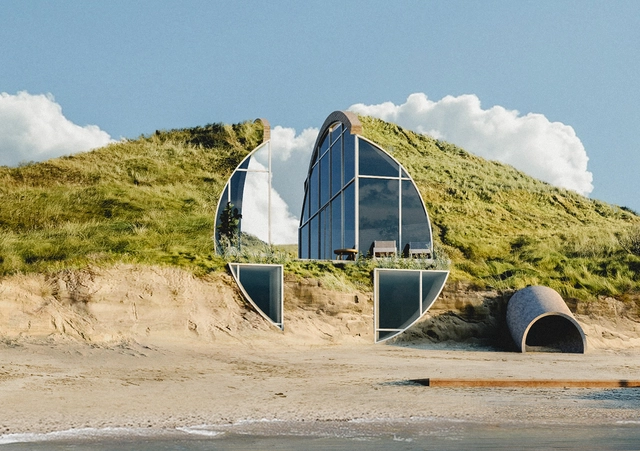
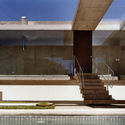
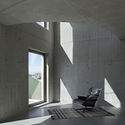
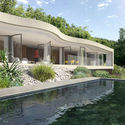
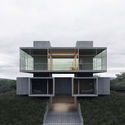
This week’s curated selection of best unbuilt architecture features conceptual residential projects submitted by our readers from all around the world. Highlighting innovative designs, approaches, and compositions, this roundup puts together a series of inspiring interventions that offer a fresh look on the typical house structure.
In the following article, ArchDaily has gathered ideas from Poland, France, Hungary, Iran, and the United States. Grouped under one common theme, the feature includes a new take on the typical building complex, an attempt to shorten the transitional gap between a house and an apartment, and a collection of modular residential models that can be implemented anywhere. Moreover, it also showcases Christophe Benichou’s latest intervention, “The Pleated House” located in the Hautes Alpes in France, a hyper-sustainable house on the beach and a structure completely erased and integrated into the natural landscape.

Kohn Pedersen Fox Associates (KPF) has just received planning consent for Lucan Place in Chelsea, a mixed-use project that provides new homes, nursery, and specialist educational accommodation. The project, a redevelopment of the site of the former Chelsea Police Station, will generate a total of 31 new homes, as well as social and community functions.
.jpg?1591114518&format=webp&width=640&height=580)
Stefano Boeri Architetti has unveiled its recent scheme for Tirana Riverside, in the Albanian capital. Tackling post-COVID 19 needs, the imagined neighbourhood, a first of its kind in Europe, is a technologically-advanced, green and sustainable novelty, designed in agreement with the Government and the City Authorities.
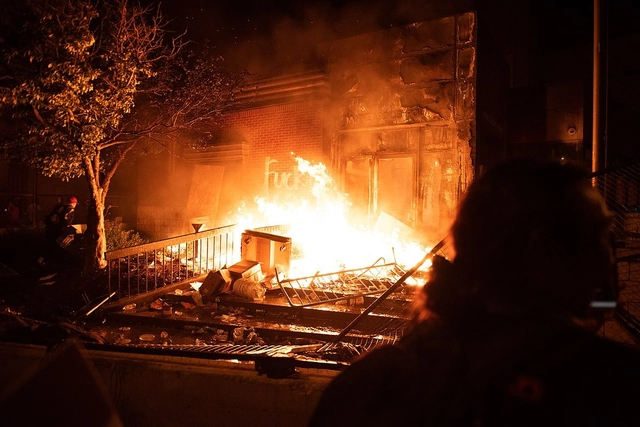
Kimberly Dowdell, 2019-2020 NOMA National President, recently issued a statement on behalf of the National Organization of Minority Architects on the nature of NOMA's advocacy and mission. Her words follow protests seeking justice for the killing of Minneapolis resident George Floyd in the United States.
We spoke with Beat Guhl, CEO of Sky-Frame, during the Swiss Bau fair – one of the largest events in the materials industry. Sky-Frame produces frameless sliding window systems; vital components to achieve an effective and efficient transparency in architectural projects. The company is constantly pushing for technical innovation and works closely with architects to help achieve fluid spatial concepts.

My decision to study architecture was a naive one, made after having taken several vocational tests I found on Google. When I found out it was one of the toughest courses in Brazilian public universities, I thought about giving up. But I was already hooked by the history of architecture and its social role.
However, nothing is perfect. Architecture and Urban Planning is one of the most elite courses in the most renowned Brazilian universities, something that is reflected outside of the classroom as well. The architects went on to serve the rich, casting aside the needs of the cities and the poor.
Mapas Sonoros is a project by the Usted no está aquí Archive that documents Latin American cities and towns in a non-traditional way. Functioning as a “map of maps,” the website compiles more than 40 independent sites with sound archives from countries such as Argentina, Bolivia, Brazil, Chile, Colombia, Costa Rica, Ecuador, Mexico, Peru, and Uruguay, creating a comprehensive log of georeferenced audio documents that offer an alternative way to map and understand Latin America.
But you can browse the last one: 417

_John_Donat_RIBA_Library_Photographs_Collection.jpg?1591219236)