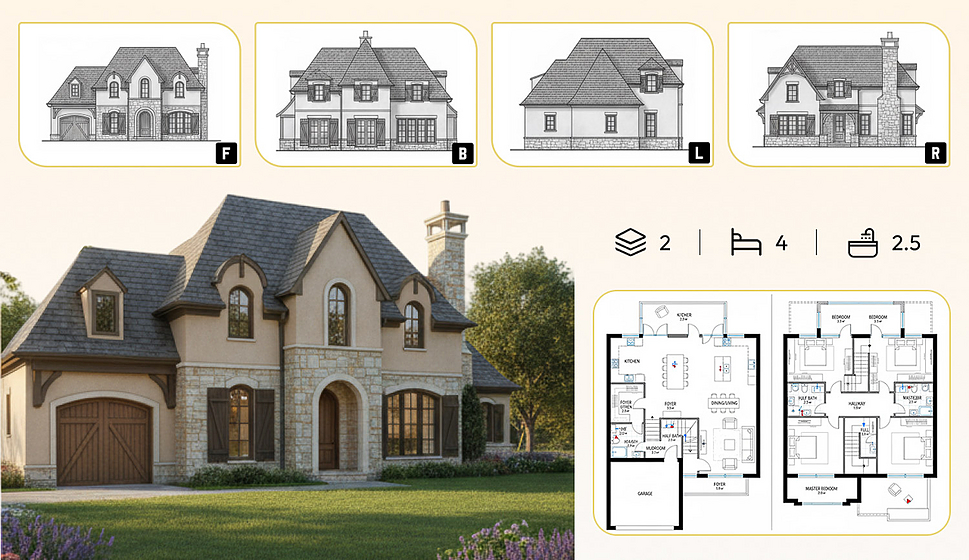
This guide covers a workflow that moves from project parameters to generated floor plans, 3D perspective views, exterior design exploration, and site context visualization, using AI tools in place of preliminary CAD and rendering work.
This guide covers a workflow that moves from project parameters to generated floor plans, 3D perspective views, exterior design exploration, and site context visualization, using AI tools in place of preliminary CAD and rendering work.

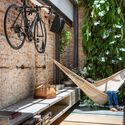
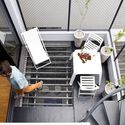
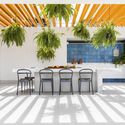
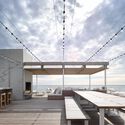
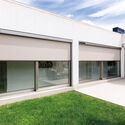
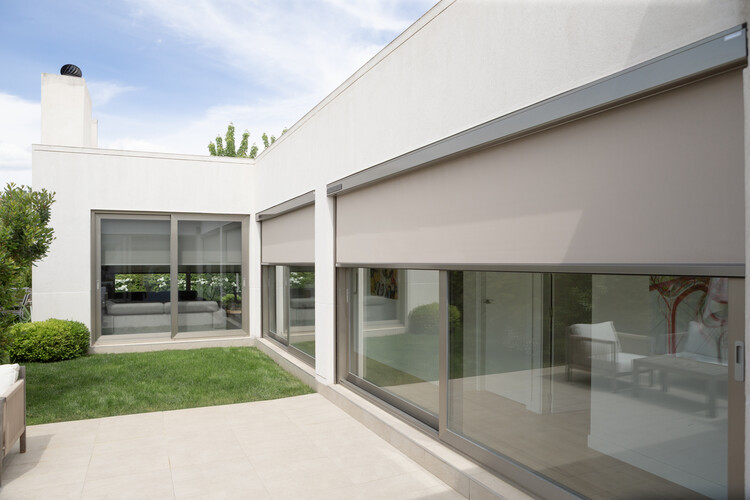
As summer approaches, so does the desire to enhance our homes' outdoor spaces. Whether for sunbathing, enjoying the breeze, or gathering with friends, areas like patios, backyards, and balconies can be highly versatile depending on how they are occupied. With this in mind, we have compiled some essential tips to help you make the most of these spaces.
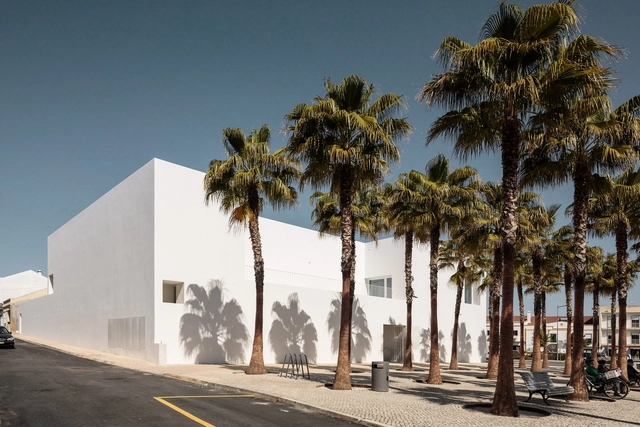
With the aim of getting to know the architects, projects, and stories behind landmark Portuguese architecture, Sara Nunes, from the architectural film production company Building Pictures, launched the podcast No País dos Arquitectos, where she speaks with key figures in contemporary Portuguese architecture.
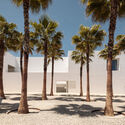
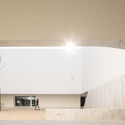
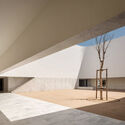
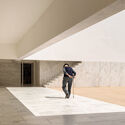
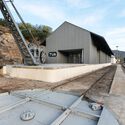
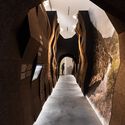
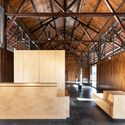
In this week's episode, Sara speaks with architects Pedro Domingos and Pedro Matos Gameiro about the design of the Grândola Municipal Library and Archives in southern Portugal. Revisit previous interviews from the podcast No País dos Arquitectos and read the transcript of the interview with Domingos and Gameiro below.

The Education and Training Commission (CEF) of CAU/RJ is conducting the survey Impacts of Remote Learning on the Training of Architects and Urban Planners. The goal is to analyze the impact of the COVID-19 pandemic on undergraduate education and professional training during the pandemic and its future ramifications, considering the implementation of remote classes and restrictions on curricular and extracurricular activities in architecture and urban planning schools across the state of Rio de Janeiro.

The incredible architectural drawings of Marion Mahony, the first registered female architect in Illinois (United States), were featured in many of Frank Lloyd Wright's projects—though he never credited her for them. Sophia Hayden, the first woman to graduate with an architecture degree from MIT, won the competition to design the Woman's Building, earning at least three times less than her male colleagues. Mayumi Watanabe was part of the first group of professors at UnB. Carmen Portinho, who was instrumental in introducing the concept of social housing to Brazil, fought for women's suffrage. Ruth Glass coined the term "gentrification." Rosa Kliass has more than 300 built projects. Zaha Hadid was the first woman to receive the Pritzker Prize (2004) and the RIBA Royal Gold Medal (2016).

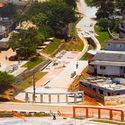
Before we are drivers or cyclists, we are all pedestrians. Designing safer ways to navigate on foot, while also offering opportunities for leisure and contemplation for passersby, means conceiving a fairer city that offers a better quality of life—one that respects all its citizens and prioritizes their well-being. Accordingly, we have gathered here several parks, crossings, and pedestrian bridges designed exclusively for non-motorized use.

Founded in 2004 by then-architecture students Carlos Maia, Débora Vieira Mendes, and Igor Macedo, Tetro Arquitetura boasts a portfolio that spans projects across much of Brazil, yet maintains a remarkably cohesive approach. In the view of some architectural critics, the formal and conceptual identity defining the firm's work is driven in part by the influence of the Brazilian modernist tradition. But is this actually the case? This and other questions are explored in this casual conversation with the unconventional trio from Minas Gerais.
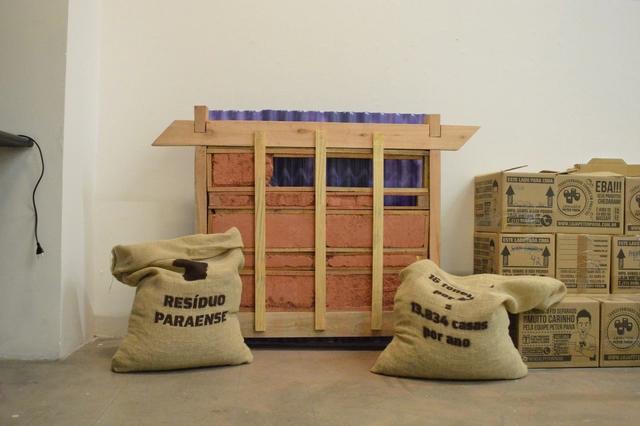
The 4th Tomie Ohtake Institute Leroy Merlin Design Award, dedicated to university students and recent graduates, has announced the three winning projects of this edition. The goal of this fourth cycle, themed around the verb acolher (to welcome/to shelter), is to highlight proposals that explore the relationship between design and other fields, such as communication, architecture, biology, engineering, fashion, technology, economics, physics, education, mathematics, and chemistry. The winners will receive scholarships for design courses abroad.
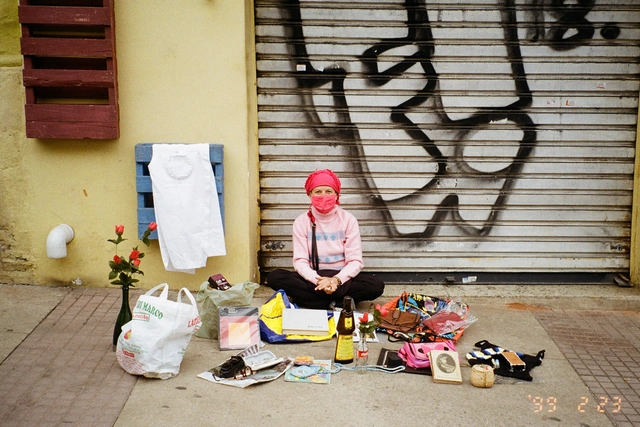
The exercise of observing a space, taking into account its historical, social, and sensory complexities, is an act that should be part of the daily life of those who practice architecture. This act qualifies actions that engage with that spatiality. Consequently, using architecture as a tool to understand the dynamics of the environments we frequent becomes essential.
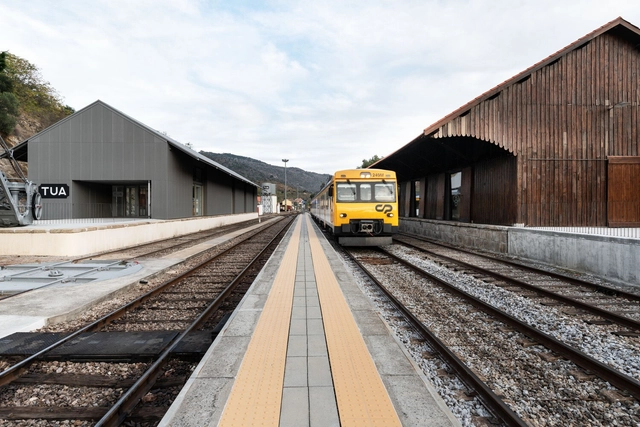
With the goal of getting to know the architects, projects, and stories behind landmark Portuguese architecture, Sara Nunes, from the architectural film production company Building Pictures, launched the podcast No País dos Arquitectos, where she speaks with leading names in contemporary Portuguese architecture.
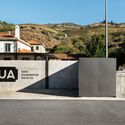
In this week's episode, Sara speaks with architects Susana Rosmaninho and Pedro Azevedo, from the studio Rosmaninho + Azevedo, about their project for the Tua Valley Interpretive Center, located in Carrazeda de Ansiães. Catch up on other interviews from the podcast No País dos Arquitectos and read the transcript of the interview below.
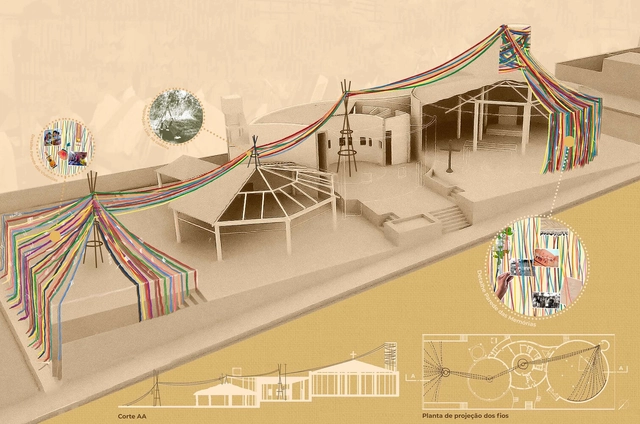
The 6th {CURA} Award has announced the results of its competition for students and young architects. In this edition, participants were invited to propose temporary interventions in works by Lina Bo Bardi. The proposal could be sited in any city in Brazil, provided it was an intervention in a work by the architect.

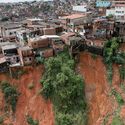
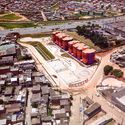
In Brazil, urban problems associated with urban growth and poverty, driven particularly by the informality of land occupation and the precariousness of infrastructure and urban services, have proved to be an insurmountable challenge for public authorities.
Despite past efforts, low-income housing access has largely been achieved through self-built housing and the relaxed enforcement of land subdivision, use, and occupation regulations.
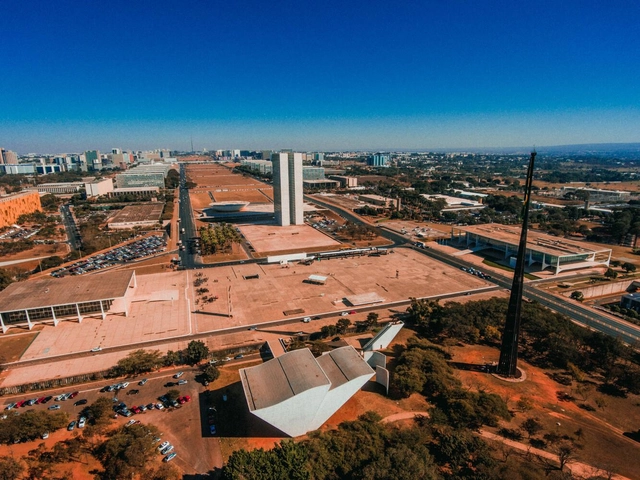
Arquicast invited architect Matheus Seco, a Rio de Janeiro native from Bloco Arquitetos, to discuss Brasília, their home for several years. The topic is particularly compelling: not only is the city's history intrinsically linked to the image of a nation, but it also offers a vast archive of exceptionally high-quality photographs, maps, floor plans, and other iconographic records.

Another year draws to a close, and with it comes another list reviewing the most memorable moments of the last twelve months. This time, we analyze the photos that garnered the highest engagement (likes, comments, shares, and saves) on ArchDaily Brasil's Instagram.
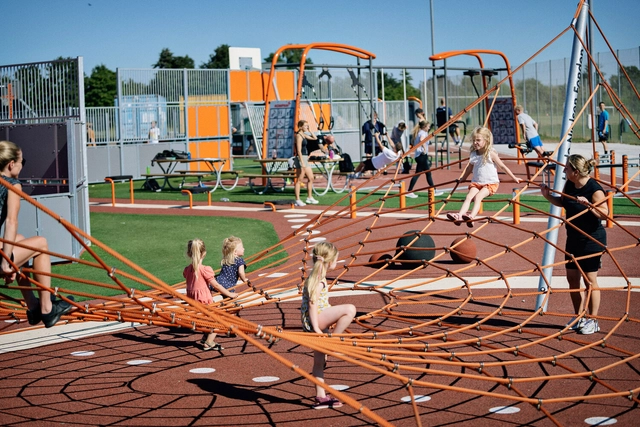
Play, as a human activity, is a multidimensional practice: it stems from biology, is socially transmitted, and is situated within the architectural realm. Within this interrelation, while play introduces dynamics and narratives that invite us to explore alternative ways of inhabiting the world, architectural projects provide the physical and sensory support needed to unlock these possibilities, with play structures serving as the medium connecting the two. Consequently, a defining relationship emerges between play, the built environment, and its evolution over time.
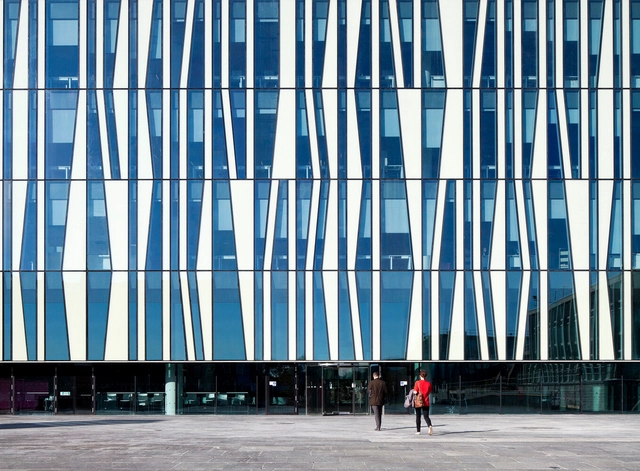
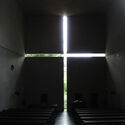
Contrast can be widely used in architecture as a tool to highlight what we want to showcase. Do we want to emphasize an entrance? Make the project stand out from its surroundings? Turn our architecture into a landmark in the urban—or rural—landscape? Do we need to create symbolism? Ensure legibility? How do we achieve this? How do we "shine a light" on something?
Whatever we want to highlight is amplified through comparison—by means of an exaggerated, antagonistic contrast. Intentionally, we can intensify the use of darkness to emphasize a single light source, framing a staircase in a dramatic and theatrical way. Or we can introduce solid, opaque walls to make a light, transparent entrance stand out.
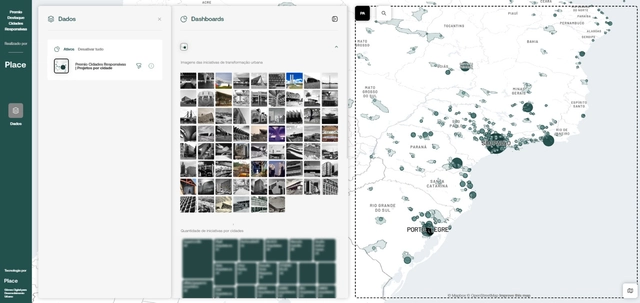
The Urban Initiatives Map, created by OSPA Place in partnership with the Responsive Cities Institute, is a free, collaborative mapping platform showcasing urban transformation projects driven by innovation, technology, and citizen participation. The initiative aims to identify, highlight, and give visibility to transformative urban experiences; inspire other cities with open innovation models; strengthen collaborative networks among public, private, academic, and civil society stakeholders; and share solutions that have a real impact on the population.

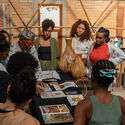
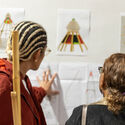
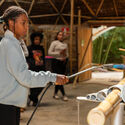
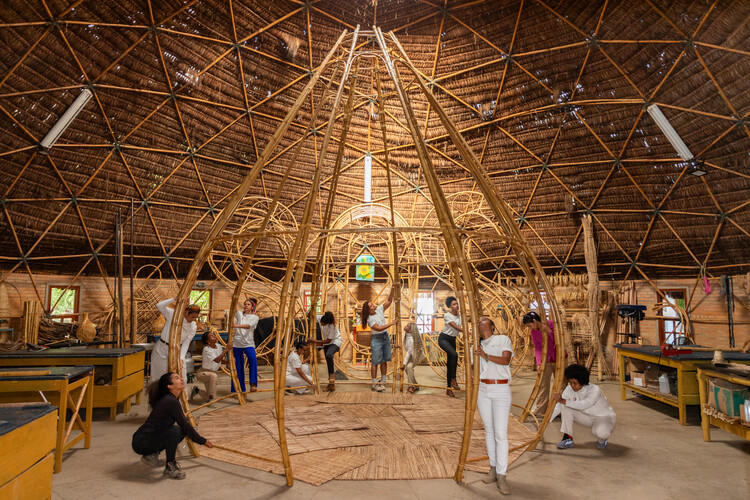
A bamboo structure rises as a space of convergence between technique, ancestry, and collective practice. OCO is the first work by Cambará Instituto, an organization that grew out of the Arquitetas Negras Project. Conceived during an artistic residency at Cerbambu, in Ravena (Minas Gerais), with support from re:arc institute, the project brought together ten black women architects who, over seven days of immersion in July this year, worked alongside master builder Lúcio Ventania to explore the constructive and symbolic potential of bamboo. The process culminated in the presentation of the work at the 14th International Architecture Biennial of São Paulo.
The experience sought to reconnect architectural practice with knowledges rooted in the body and the earth. The process encompassed every stage of production—from selecting and cutting the bamboo to curing and assembling it—resulting in a structure six meters high and five meters in diameter. Its design draws inspiration from the xossas of Benin and features straw from the African country at its top. The installation was also “clothed” with 220,000 beads, known as Our Lady’s Tears, handcrafted by forty elderly women in situations of social vulnerability who live in the same region where the residency took place—strengthening both community and economic bonds.
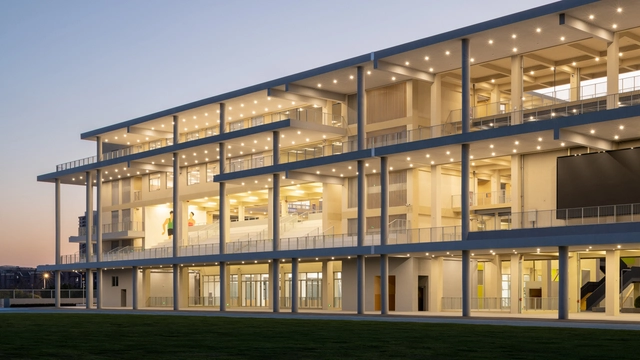
Chinese architect Sui Yanfei has won the 4th Kazuhiro Kojima Award in 2025, becoming the first recipient from outside Japan since the award's inception. The jury presented this honor to Sui in recognition of his deep insight into Chinese social realities alongside his continuous exploration of new, future-oriented possibilities for architecture. His work focuses on extending Eastern thought within a post-human context and excels at reinterpreting historically accumulated social structures. Grounding his practice in social, economic, and institutional realities, he transforms architecture within complex networks of relationships into a medium that connects people, objects, and time. The diverse practice of his studio is both deeply rooted in reality and brings a new poetry to contemporary life.

The Arquiteturas Film Festival has opened submissions for its 13th edition, which will take pace from July 1 to 5, 2026, in Porto, Portugal. Organized by INSTITUTO and directed by architect Paulo Moreira, the festival was founded in 2013 and has established itself as an international platform dedicated to discussing and disseminating architecture in dialogue with cinema, visual and spatial arts, critical thought, and interdisciplinary collaboration.
Under the theme "Urban Age," the 2026 edition invites filmmakers, architects, and artists to reflect on the urban era we inhabit and the ways in which cities and territories are shaped by contemporary social, political, and environmental challenges. The festival proposes a reflection on the lived experience of urbanization—from the material forms of architecture to the social and cultural dynamics that define contemporary cities.

An architectural award serves as a legitimizing mechanism, indicating which approaches, materials, and strategies are beginning to take center stage in the discipline's discourse. By bringing together projects with different programs, scales, and constraints, these initiatives bring to light emerging priorities and directions in the field. Within this context, the Shaw Contract Design Awards have established themselves as a global recognition platform for interior design and a barometer of the transformations reshaping the discipline, prompting reflection on the role of design in building more responsible, inclusive, and sustainable environments.

Taking a deeper look at the interplay of light and shadow in architecture seems to be a recurring topic on the agenda of many professionals in the field. Spaces of light and darkness are conceived to enhance circulation and spatial directionality, as well as to highlight the colors, textures, and forms of specific architectural elements. That said, the impact of natural light on building facades reveals the need to develop strategies that support energy savings, improve the thermal and visual comfort of interior spaces, and promote the reduction of carbon emissions. Considering light as another material in architecture, in what ways could its power contribute to the architectural experience?

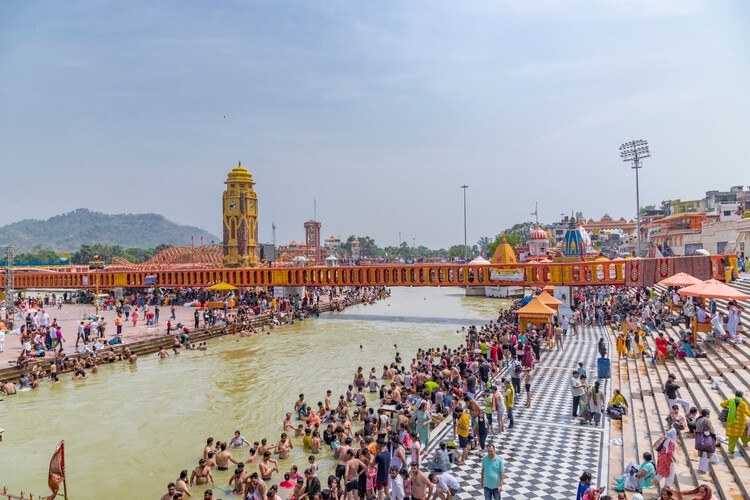
At the helm of architectural discourse on sacred architecture, attention almost always settles on the monument. Temples, mosques, monasteries, and churches dominate architectural histories, design criticism, and photography alike, becoming the physical symbols through which faith is understood. For millions of pilgrims across India, the most consequential architectural experience begins long before the shrine comes into view. It unfolds across mountain roads, river ghats, shaded streets, temporary camps, queue systems, bridges, water kiosks, medical stations, and countless ordinary pieces of infrastructure through which pilgrimage actually takes place. The architectural work of pilgrimage may lie less in the shrine itself than in the environments that allow millions of people to reach it.

Buildner has announced the results of its Re-Form: New Life for Old Spaces, second edition, an international ideas competition examining the adaptive reuse of small-scale existing buildings. The competition invited architects and designers to propose transformations of used, abandoned, or overlooked structures with an approximate footprint of 250 square meters, located anywhere in the world. With no fixed site or program, participants were encouraged to explore alternatives to demolition and new construction through reuse strategies grounded in contemporary social and environmental concerns.

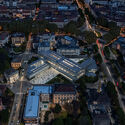
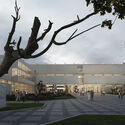
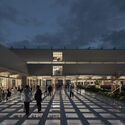
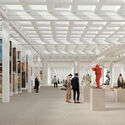
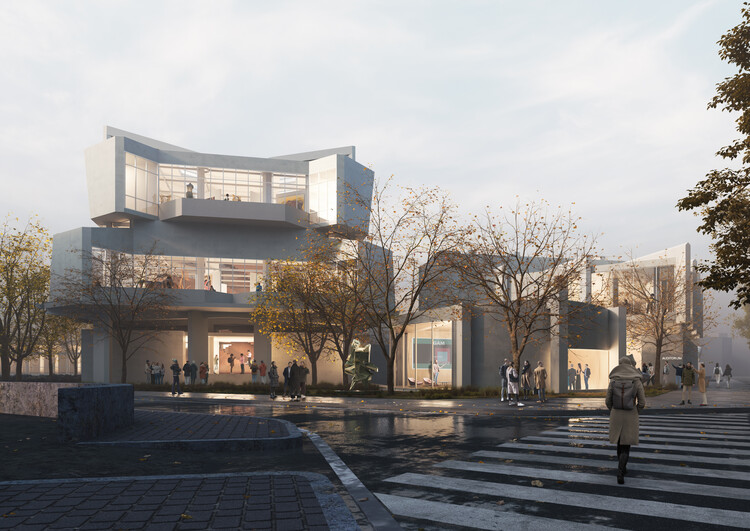
MVRDV and Balance Architettura have unveiled their proposal for the renovation of the Civic Gallery of Modern and Contemporary Art (GAM) in Turin, Italy, following their selection through a public competition in December 2025. The project seeks to restore the spatial qualities of the museum's 1959 building while introducing new exhibition strategies, publicly accessible storage, and flexible display systems designed to accommodate evolving curatorial needs. Conceived as both an architectural restoration and an institutional transformation, the proposal aims to reconnect the museum with the surrounding city while adapting it to contemporary approaches to exhibition-making and public engagement. The project is supported by Fondazione Torino Musei and funded by Fondazione Compagnia di San Paolo, and the construction is expected to begin during the second half of 2027.