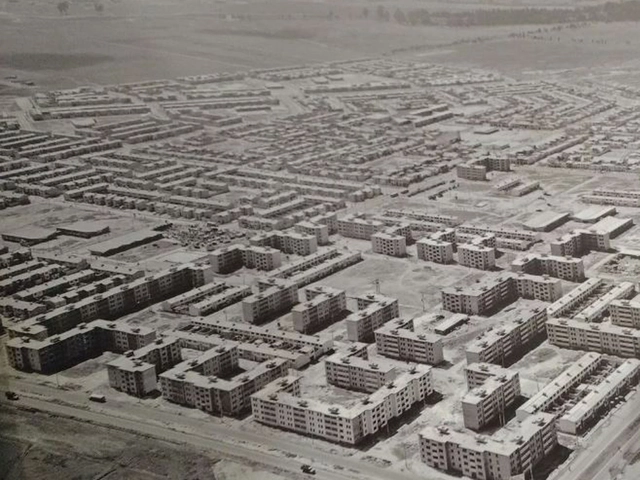
Panoramic view of the Kennedy neighborhood in 1964. It was renamed that year, having previously been called Ciudad Techo. ArchDaily. Image Courtesy of Felipe Cardona
Across a 350-hectare site, 24 superblocks organize the ten thousand housing units of the Ciudad Kennedy complex in Bogotá. Built between 1961 and 1963, its construction embodies an urban vision embedded in a social, political, and ideological framework that specifically involved Colombia, yet was shared to some extent across Latin America during the Cold War.
No País dos Arquitectos is a podcast created by Sara Nunes, who also runs the architectural film production company Building Pictures. The project aims to introduce the professionals, projects, and stories behind leading contemporary Portuguese architecture. With just over 10 million inhabitants, Portugal is a highly intriguing country in this professional field, with an architectural output that punches far above its weight in relation to its population or territorial scale.
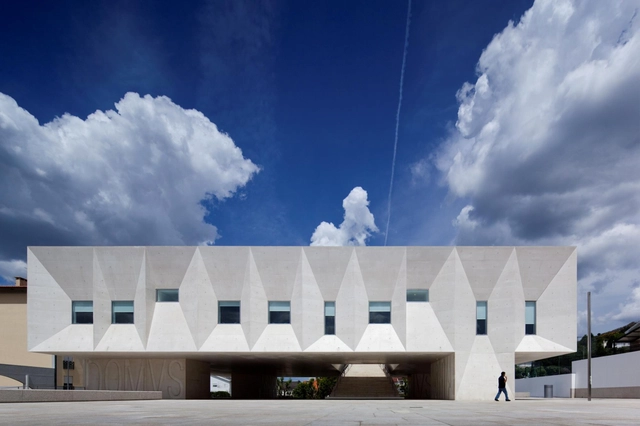
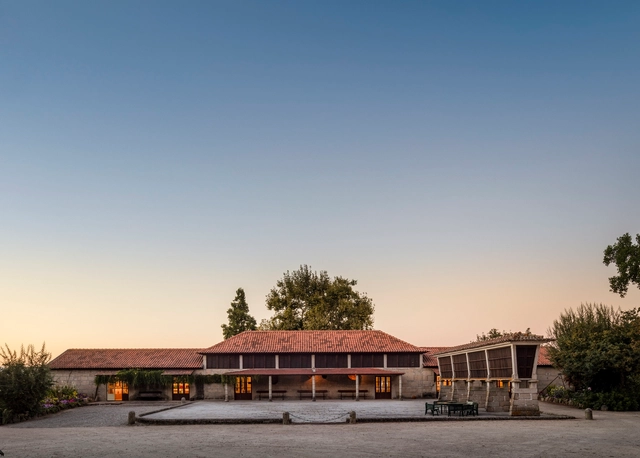
In this episode, Sara talks with architect Pedro Guimarães, from the office Barbosa & Guimarães Arquitectos, about the design of the Gouveia Courthouse (Palácio da Justiça de Gouveia). Listen to the full interview and read an excerpt of the transcript below:
This year we celebrate the fourteenth edition of the Obra del Año 2022 award—the highest recognition in the Spanish-speaking architectural world, where the winners are chosen by popular vote. Starting today, Tuesday, March 8, our readers will be responsible for determining which projects inspired us during 2021, faithfully representing the identity of our local contexts while shaping the way architecture is practiced around the world.
With nearly a thousand projects published in 2021, you can easily find your favorites by browsing through each category and using the search engine to filter projects by country and architecture firm.
The 2022 Obra del Año Award is brought to you by Dornbracht, renowned for its design leadership in architecture, which can be found internationally in bathrooms and kitchens.
Artificial intelligence systems endeavor to replicate or mimic human intelligence by combining datasets with iterative processing algorithms to learn from patterns and experience. From Siri, Alexa and other smart assistants to conversational bots and email spam filters, what once seemed like a technology pulled from science fiction has become ubiquitous in our daily lives.
In its most widely accepted definition, sustainable development is understood as meeting the needs of the present generation without compromising the ability of future generations to meet their own. While often associated with environmental and natural resource issues, sustainable development goes further, encompassing social and economic aspects such as justice, inclusion, and poverty eradication.
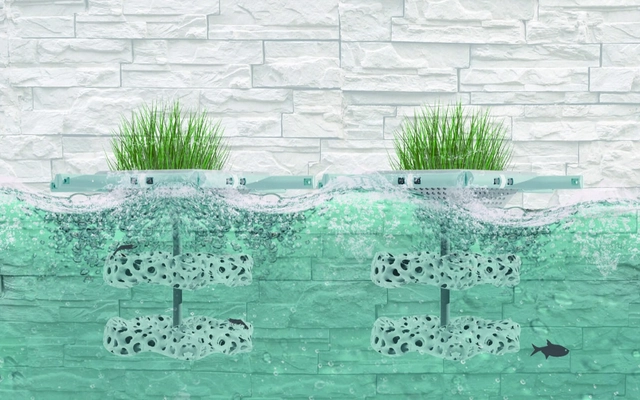
Students at Tunghai University in Taiwan have designed a type of artificial coral reef. The proposed structure is made of 3D-printed eco-friendly ceramic to help revitalize urban rivers.
While natural corals are irreplaceable and essential to ocean health, this 3D-printed structure has a specific mission: to provide shelter for aquatic organisms. This alone can help sustain various species.
ImageJewel Changi Airport by Safdie Architects. Image Courtesy of Jewel Changi Airport
Safdie Architects is a research-oriented architecture and urban design studio active in a wide variety of project types, scales, and sectors. Safdie Architects’ global practice is directed from its headquarters in Boston, Massachusetts, with satellite offices in Jerusalem, Shanghai, and Singapore. Projects are designed, managed, and executed by a global team that hovers around 65 people! The practice is organized as a partnership and operates in the model of an intimate design studio environment. The firm's partners – many of whom joined Safdie shortly after graduation – have been working together for decades.
Videos
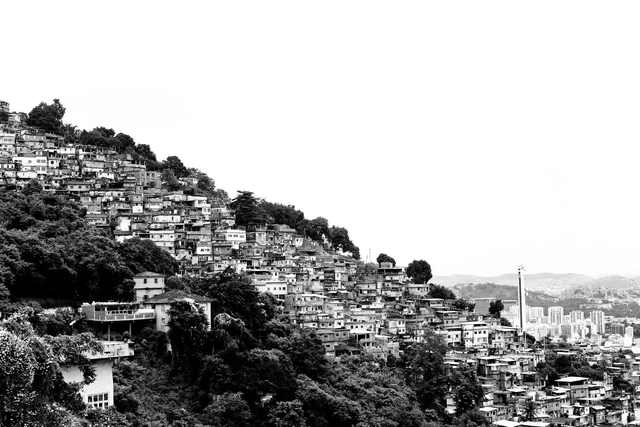
Niterói, RJ. Photo by Nayani Teixeira on Unsplash
The postgraduate course Cidades em Disputa – pesquisa, história e processos sociais, at Escola da Cidade, hosted Tainá de Paula, who delivered the open lecture “Body and Territorialities: The Necessary Debate on the Non-City.” Raised in one of the favelas of Praça Seca, in the West Zone of Rio de Janeiro, the architect and urban planner defines herself as a Black woman, mother, and activist for urban struggles, particularly in the peripheries and favelas. During her talk, Tainá—who has also served as a city councilor since 2020—discussed subalternized territories and the “non-city,” which excludes and segregates, while stressing the urgent need to build an agenda to break away from these conditions through racial, class, and gender emancipation.
https://www.archdaily.com/1132097/taina-de-paula-talks-about-the-body-territorialities-and-the-non-cityEscola da Cidade
Cortesía de Nómena y Cuatro Cero Cuatro Arquitectura
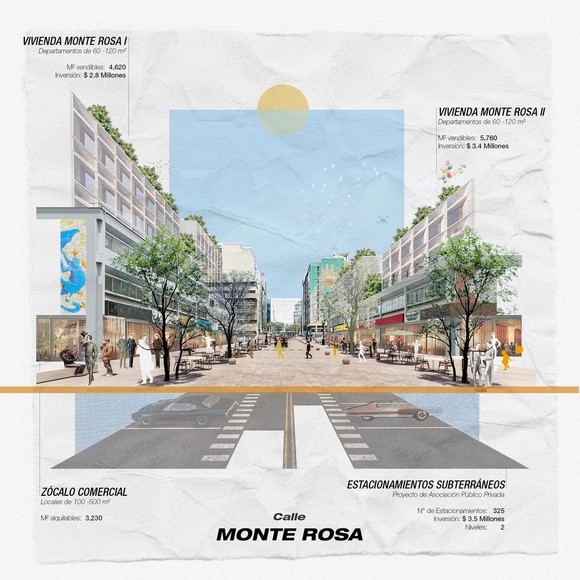
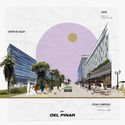
The power of visual representation in architecture fosters debate and reflection on various urban issues. "Imaginarios urbanos" (Urban Imaginaries) is a collective initiative by Nómena arquitectura and Cuatro Cero Cuatro Arquitectura. Through a series of evocative images, the project aims to raise awareness and drive change in the design of Lima's streets.
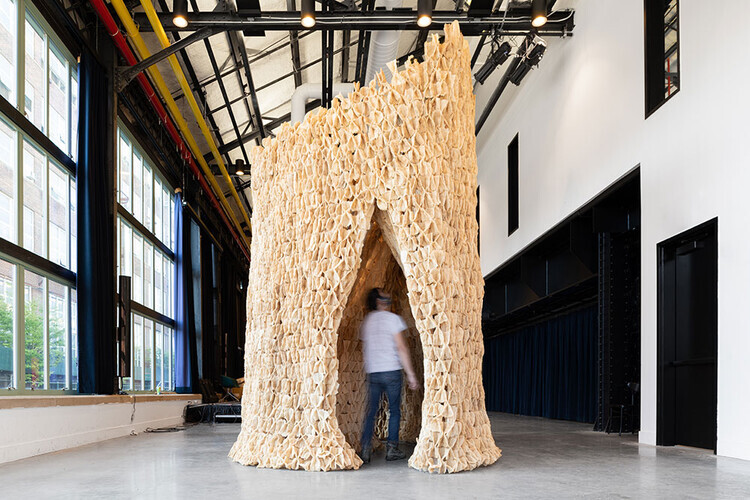
Advances in biotechnology and material science are opening new material opportunities, with the potential of fundamentally changing the connection between the built environment and the natural world. Building materials and construction account for 11% of greenhouse gas emissions. The AEC industry can contribute to curbing climate change in the following years, and the re-evaluation of commonplace building materials is one of the most critical steps. Bioengineered materials, which grow, produce energy, self-heal, are the next frontier in biology and material science and potentially a path towards a new kind of architecture. Although innovation in these fields is still far away from mainstream commercial use, it promises to dramatically change the image of the built environment.
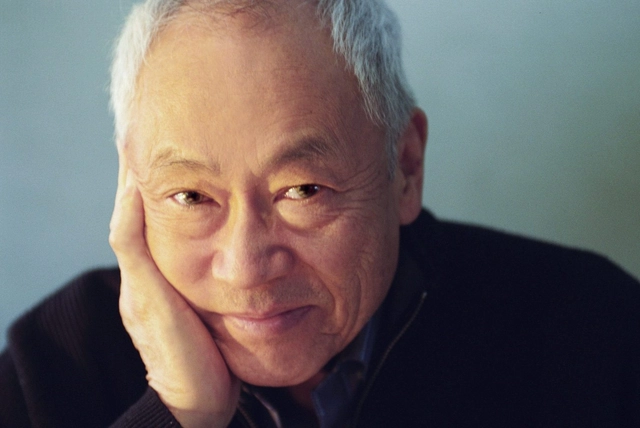
American architect Gyo Obata, FAIA, co-founder of renowned architecture firm HOK, has passed away on March 8 at the age of 99. The news was announced by the office through a statement, honoring the architect's legacy and highlighting his holistic approach which "helped drive HOK’s ongoing expansion into new specialty practices, market sectors and geographic regions".
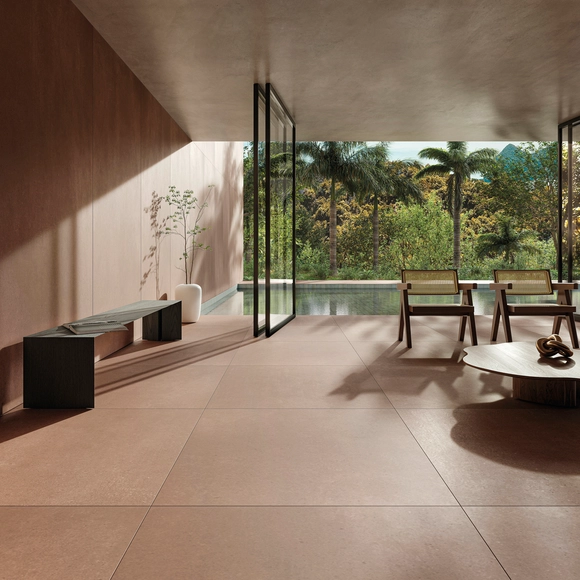
Linha Oh!Take "Cliff". Image Cortesia de Portobello
Portobello has just launched the Soma line, co-created with architect Paulo Mendes da Rocha; Oh!Take and its complement, Soul, designed by Ruy Ohtake; and Shibori, developed with Italian designer Paola Navone. These products are part of the 2022 Unlimited Dreams collection, launched simultaneously at Expo Revestir and in Portobello Shop stores across Brazil in early March.
'Future Cites' exhibition was recently inaugurated at the Future Design Arts Centre in Chengdu, examining how the work of Zaha Hadid Architects has redefined urban landscapes around the world. The monographic show highlights the trends and innovations shaping contemporary urbanism and traces the ideas and concepts that defined ZHA's body of work. The exhibition displays the office's ongoing research and various urban design approaches, presented through visualizations, architectural models and video projections.
No País dos Arquitectos is a podcast created by Sara Nunes, who also runs the architectural film production company Building Pictures. The podcast aims to profile the professionals, projects, and stories behind benchmark contemporary Portuguese architecture. With just over 10 million inhabitants, Portugal is a highly compelling country within this professional field, and its architectural output far outstrips what its population or territorial scale might suggest.
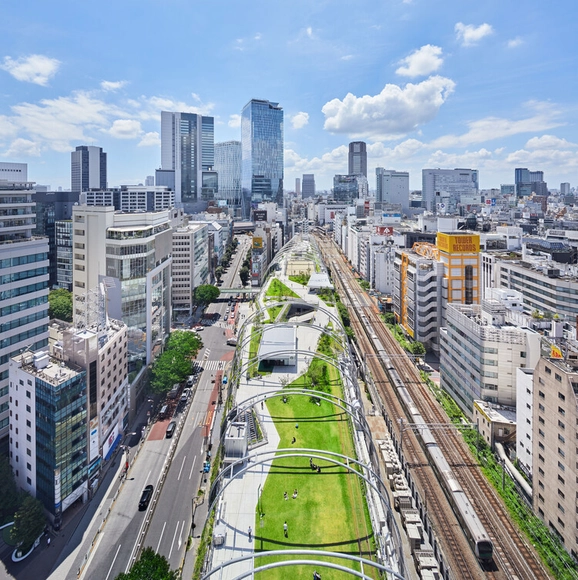
As the city continues to evolve and transform, dead edges in the cityscape begin to emerge, subsequently reducing the level of activity in our built environment. These 'dead edges' refer to the areas that lack active engagement, they remain empty and deprived of people, since they no longer present themselves as useful or appealing. As the Covid-19 pandemic draws to an ultimate close, the first issue we may face post-pandemic is to revive our urban environment. A kiss of life into a tired and outdated cityscape...
The focal element in creating an active and healthy urban environment is by increasing vitality through placemaking. Creating diverse and interesting places to reside, thrive, and work. Here are five regenerative strategies that animate the cityscape and ultimately produce resilient, attractive, and flexible environments.
Although it was originally published in 2019,this essay by Randy Nishimura, lightly updated, serves as a rebuttal of sorts to Duo Dickinson’s recent Common Edge piece, “The Architectural Pandemic of the ‘Stick Frame Over Podium’ Building.” Dickinson likens the building type to a plague; Nishimura offers a contrarian’s perspective.
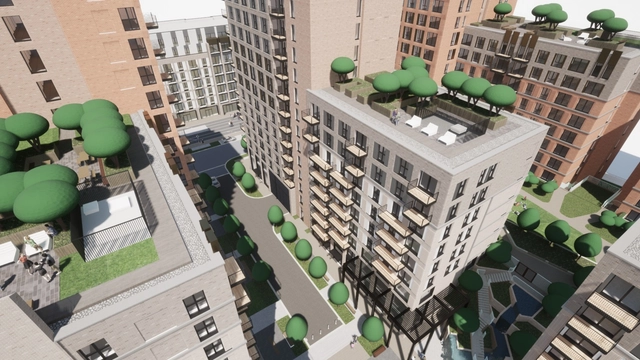
A recent spate of articles bemoaning the proliferation of 5-over-1 apartment buildings caught my attention. Outlets such as Bloomberg, Common Edge, Crosscut, and Curbed have all commented on the building type, the common thread being a reproach for their ubiquity, sameness, and inexpensive construction. Some of the critiques rightfully point to the confluence of multiple factors—evolving building codes, a lack of developable land, rising construction costs, and an acute lack of affordable housing—that have given rise to countless examples of the type across the country. The same dynamics are in play here in my hometown of Eugene, Oregon, so we naturally have our share of 5-over-1 developments.
The talk "How to Win Work" - Business Development for Architects, is hosted by Sara Kolata with the following guests: UNStudio's director Filippo Francesco Lodi, London practice owner Simone de Gale, author of "The Business of Architecture" book and practice owner, Kathy Denise Dixon and Jeronimo Van Schendel of the IE School of Architecture and Design. All four experts are speakers at Disrupt Symposium, taking place 1-5th May 2022, online. https://www.disruptsymposium.com/
Is Apprenticeship the Way to Keep Architecture Education Relevant?. Image via University of Michigan
"I'm an architect... now what?" must be one of the most common questions for any recent graduate with an architecture degree in hand. Over the years, many will find jobs in different industries that do not necessarily involve working in an office designing and constructing buildings.
Videos
via Cities for Play. Designing Child Friendly High Density Neighbourhoods
Escola da Cidade, through the Architecture, Education, and Society and Mobility and Contemporary City courses of its Graduate Program, in partnership with the Alana Institute's Child and Nature program, invited Ursula Troncoso to deliver two lectures. Aiming to foster an agenda for creating greener, more accessible, and child-friendly cities that places childhood at the center of the urban debate, the initiative recognizes the need to build a collaborative network between universities, public officials, and civil society to promote actions centered on urban innovation, quality of life, sustainability, and well-being for both children and the planet.
https://www.archdaily.com/1132093/childhood-in-brazil-is-urban-ursula-troncoso-talks-about-the-city-children-and-mobilityEscola da Cidade
Mies Crown Hall Americas Prize announced the full list of jurors for its fourth edition, chaired by Sandra Barclay of Barclay and Crousse Architecture, and just released the nominated projects comprising 200 built works in North and South America, for MCHAP 2022 and 50 projects for MCHAP.emerge 2022.
With over 3,000 categories and entertainment genres in the span of 25 years, Netflix has offered its users an array of content, ranging from feature films and sitcoms to documentaries and competition shows. Among these numerous genres is a selection dedicated to architecture and design enthusiasts, one that gives them access to the minds of the world's greatest designers and highlights unique projects from across the world. Whether you're looking for design inspiration or searching for something new to watch, we have selected 10 must-see architecture and design-related documentaries, TV shows, and films currently streaming on Netflix.
“I’ve always been quite interested in keeping up with what’s happening on a technical front,” said Nick Lawrence, a practice director at A&Q Partnership in London. The architect, who studied engineering in undergraduate school, leads the building information modeling (BIM) effort at A&Q Partnership and says his studies greatly influenced his interest in information modeling.
His interest extends beyond personal. Relying on BIM framework has been crucial for A&Q Partnership, who work on large, multi-building commercial and residential projects.
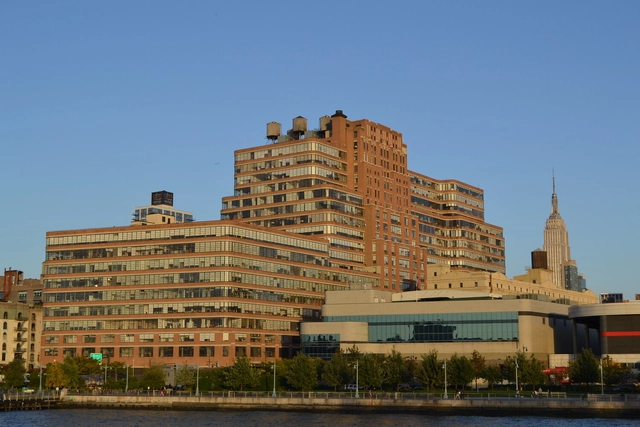
David Adjaye Associates has been commissioned to design an exhibition with rare and previously unreleased work of Jean-Michel Basquiat, to be hosted at the Starrett-Lehigh Building in West Chelsea, New York. "Jean-Michel Basquiat: King Pleasure" is the first show organized by the artist's family after his death and will feature over 200 paintings, drawings and artefacts, together with recreations of Basquiat's New York art studio and the Michael Todd VIP Room of the Palladium nightclub, for which the artist created two paintings.
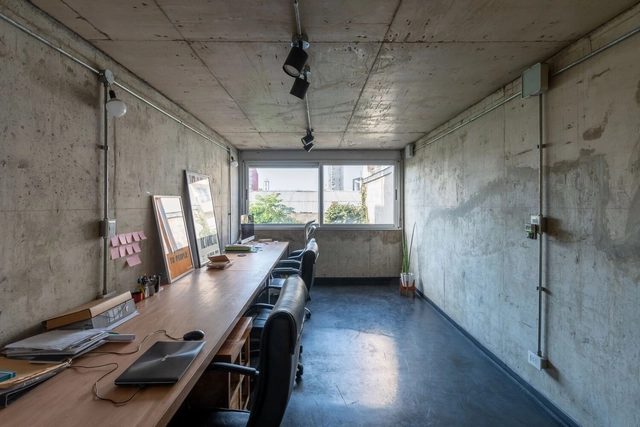
Pipes, wiring and ducts of different materials in walls, ceilings and roofs make up all the spaces we walk through and inhabit. They represent the set of networks and equipment necessary for the development of life in our buildings, providing services such as water, electricity or gas, among many others. According to the regulations in each country and the use defined in each space, the installations can be left visible, giving a certain character and aesthetic to interior spaces.






.jpg?1646943619&format=webp&width=640&height=580)










.jpg?1646941882&format=webp&width=640&height=580)