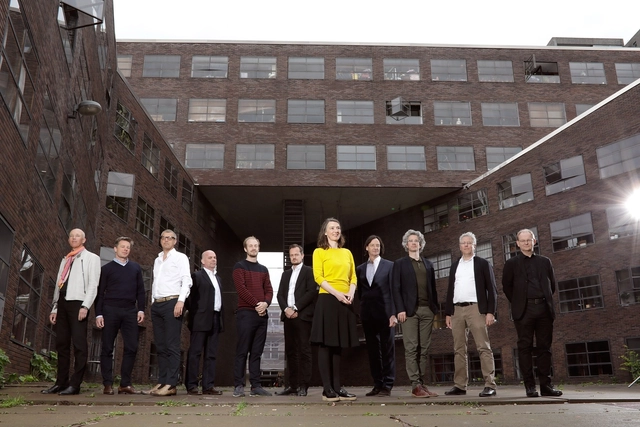
On 5 July the book ‘After Piraeus’ will be launched at a festive gathering in Pakhuis De Zwijger, Amsterdam.
In 1994, the housing block Piraeus was completed to the design of Hans Kollhoff. It was a blow. German architects were needed to demonstrate that a design did not need to be at odds with the Dutch construction culture. Piraeus must be taken as a pivotal point in modern history, after which the thinking on the production of buildings and city were newly charged.
"Form Heft Material", Sir David Adjaye's Retrospective Exhibition
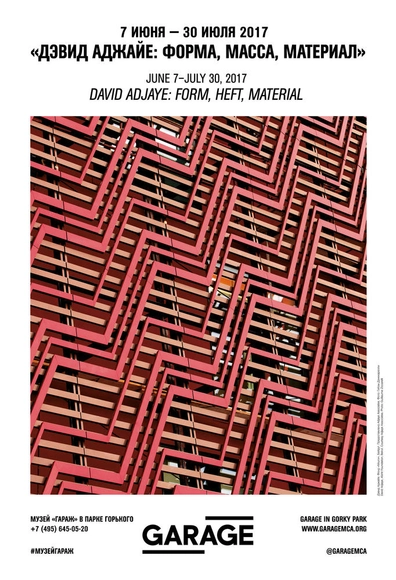
David Adjaye: Form, Heft, Material, a review of world-renowned architect Sir David Adjaye’s work to date, is travelling to the Garage Museum of Contemporary Art in Moscow. The exhibition, which debuted at the Haus der Kunst in Munich in 2015 before travelling to the Art Institute of Chicago, offers insight into the global architect’s unique approach, highlighting the ways he weaves local geographies and cultural legacies into his celebrated designs.
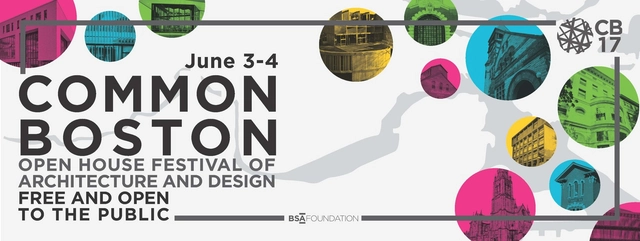
On June 3–4, the BSA Foundation presents the 2017 Common Boston Festival of architecture and design (#CB17) .This open-house architecture festival will unlock the doors to dozens of Boston’s architecturally, culturally, and historically significant sites, encouraging residents and tourists to consider why design matters, while tapping into unique stories that illuminate our vibrant communities. From historic sites to office towers to community gardens, participants will get unparalleled access to more than 50 unique sites that contribute to making greater Boston such an exceptional place to live, work, and play.
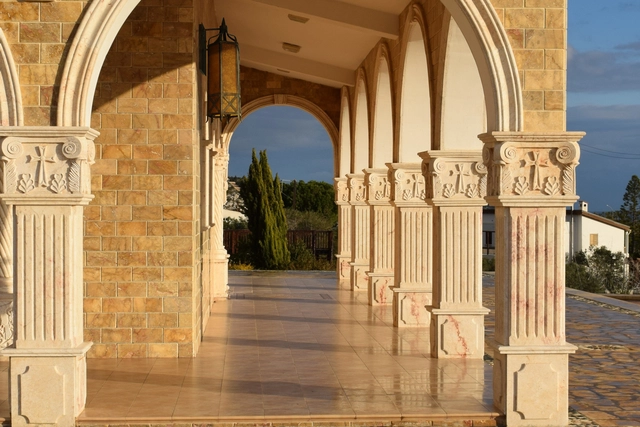
From 15th to 23rd July 2017, a ten-day interfaculty summer school will take place in Vignola (province of Modena) Italy, in a Renaissance palace by Giacomo Barozzi. The workshop aims to connect architectural heritage with 21st-century manufacturing processes through experimental practices and invites international students of architecture, design, and engineering to take part.
Learn to collaborate on large scale planning with supporting disciplines to develop critical thinking and innovative approaches to future growth of cities and develop prototypes for the future economies of the cities with a global perspective and approach. Learn to rethink the future functions of conventional and traditional programs of the city and the most innovative technologies supporting balance, self - sufficiency and continual growth.
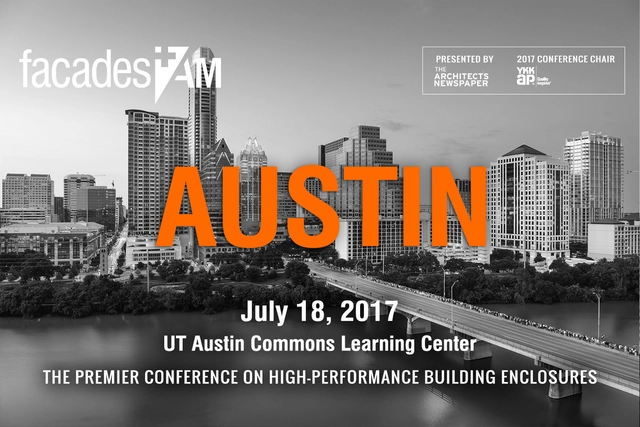
Facades+AM Austin includes three sessions covering issues unique to the region, including innovative collaborations between architects and engineers, high performance envelopes, and the changing face of Austin's skyline. These well-rounded, expert dialogues will inform and inspire.
With Thom Mayne and Wolf D. Prix, on the occasion of the exhibition Houston: Genetic City. Envisioning a Future Post-Industry, Post-Oil, Post-Sprawl at Aedes Architecture Forum.
The panel discussion takes a close look at the specific urban condition, typology and development of the City of Houston. Together with Pritzker Prize-winning architect Thom Mayne of Morphosis and Wolf D. Prix of Coop Himmelb(l)au – both visionaries and provocateurs in the field of architecture and urbanism – the panel critically discusses Houston’s unique evolving urban form. In addition to the soon to be third most populous and most sprawling city in the US, Houston also completely lacks zoning regulations and thereby allows for unusual development patterns that can react quickly to changing market conditions. This opens up immense opportunities beyond conventional city planning for the urban revival of Houston, as much as it puts the city at the stake of commercial developers. The panel aims to explore questions raised by the specific regional urban condition of Houston also against the backdrop of a wider global narrative in contemporary urban planning and renewal.
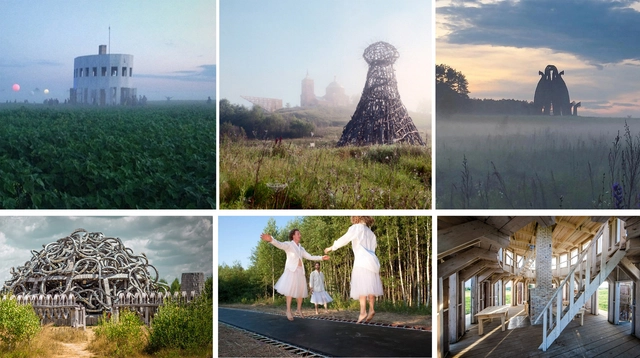
We invite young architects, artists and students to take part in a Global Practice Unit international summer school, organized this summer at Nikola-Lenivets Art Park in Russia.
World-famous artists and architects will lead the process, inluding Nikolay-Polissky, the founder of the Nikola-Lenivets park, who revived the local rural community through art, and Alexandr Brodsky, painter and architect, as well as teachers from the Umea School of Architecture (Sweden), Limerick School of Architecture (Ireland), Oxford Brooks University (UK), and MARCH (Russia). The summer school will explore how art can generate and support communities and create an architectural intervention in the Park in response to this challenge.
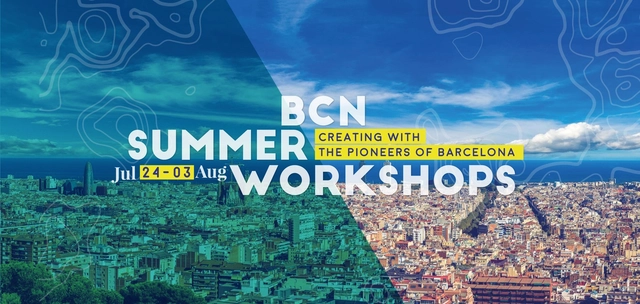
The BCN Summer Workshops is a revolutionary program by IAAC, designed to connect some of the most pioneering minds of Barcelona with like-minded creatives from all around the world. Our 4-day workshops will take place in the Valldaura Estate, located inside the Collserola Natural Park, 30 minutes away from Barcelona. The program will start on July 24th with an inaugural speech from the world-acclaimed chef, Ferran Adriá (date TBC).
Architects today have access to an impressive array of tools to make sure the execution of their designs goes off without a hitch. They are typically given a very specific brief by business owners and use the latest technologies, such as BIM (building information modeling), to be certain they don’t misplace a window or put electrical outlets in the wrong place.
Turncoats is a series of punchy debates that aims to turn the typical architectural discussion format on its head. Founded on the premise that mainstream architectural discourse is often so boringly well-mannered as to be “like watching dog owners compliment each other’s pooches,” Turncoats aims to ditch the platitudes and archi-jargon for a punchy, playful and provocative exchange of ideas that allows people to speak more freely and take more risks. Conceived in London and operating now in multiple cities, Turncoats New York launches with a bang on 13 June, addressing the topic Buildings Don’t Matter.
Monocle’s Quality of Life Conference takes place this summer in Berlin, and will be a must-visit event for entrepreneurs, architects, urbanists and designers alike. Hosted by Monocle editor in chief Tyler Brûlé, topics unpacked across the conference include transport, city branding and the future of the property industry. From visionary entrepreneurs to acclaimed architects, guest delegates and panelists will join Monocle editors and radio hosts for a range of lively discussions, with talks interspersed with samplings of Berlin’s fine hospitality and opportunities to explore the city’s architectural sites.
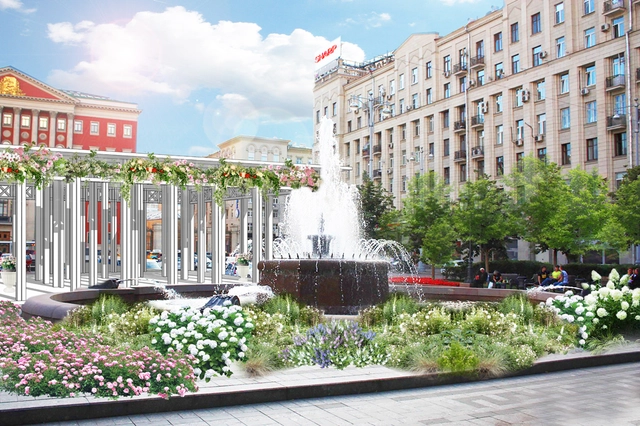
The Open International Urban Landscaping and Design Competition is a part of the “Moscow.Flowers.Sweets” Festival. Participants are offered to suggest solutions for landscape and floral compositions to improve Moscow urban spaces in the city centre and its outskirts.
LEGACY: What will speak for you long after you are gone?
LEGACY: What will speak for you long after you are gone?
The Glasgow Institute of Architects, as Trustees for the Alexander Thomson Scholarship, are pleased to announce the launch of the Legacy Essay Writing Competition. The competition marks the bi-centenary of Alexander ‘Greek’ Thomson’s birth and celebrates how the architect used critical writing as a tool to disseminate ideas.
Literacy-friendly neighborhoods is a grassroots initiative started by Little Free Libraries that aims to promote literacy, expand literary horizons, cultivate generosity, and promote general neighborliness. These libraries will facilitate an informal exchange of books in the city’s public spaces, where residents and visitors may use and contribute to these communal resources. The final locations for these libraries have not been established, but all are planned to be in the urban environment in underprivileged neighborhoods in Buffalo, NY.
On April 22, SCI-Arc’s 2017 Undergraduate Thesis Weekend concluded with the reviews of 46 thesis projects by over 70 critics including SCI-Arc faculty and guests including Winka Dubbeldam, Graham Harman, Catherine Ingraham, Ferda Kolatan, Thom Mayne, Roland Snooks, and Neyran Turan. Students presented architectural responses to real-world technological, ecological, and social issues driving both formally and socially relevant innovation.