1. ArchDaily
  2. UN-HABITAT

UN-HABITAT: The Latest Architecture and News

World’s Cities Day 2022: Act Local to Go Global

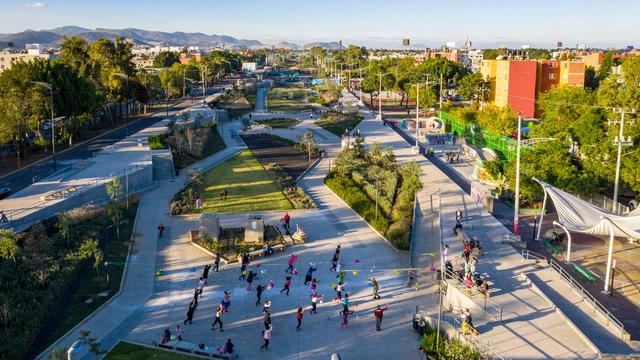
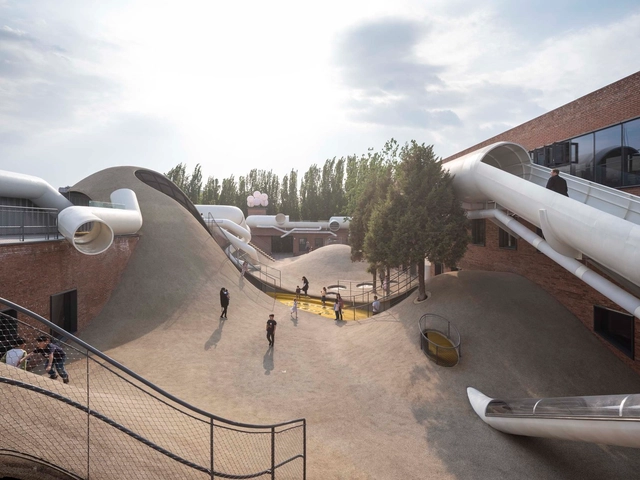
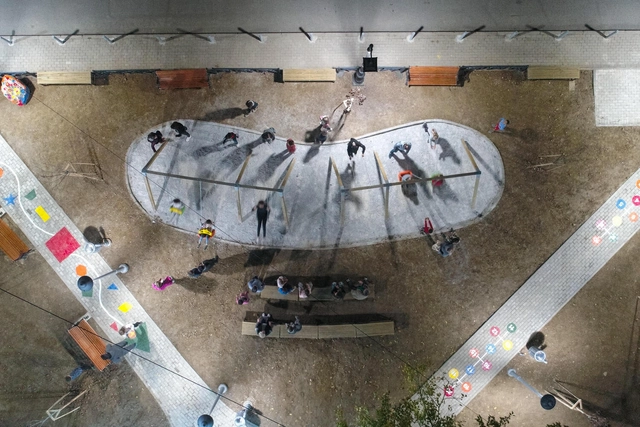
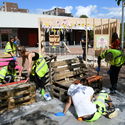
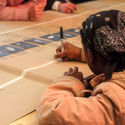
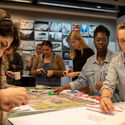
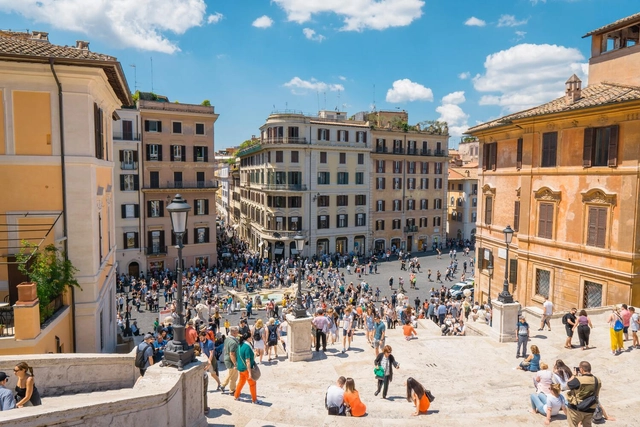
In an effort to expand the debate around the issues and opportunities facing urban environments worldwide, UN-Habitat has designated October 31 as “World Cities Day”, an event celebrated annually since 2014. This year the events are centered around the theme “Act Local to Go Global”, with the aim to share experiences and approaches to local actions, the initiatives that were successful and those that were not, and to seek to understand ways in which local and regional governments can help create greener, more equitable and sustainable cities.

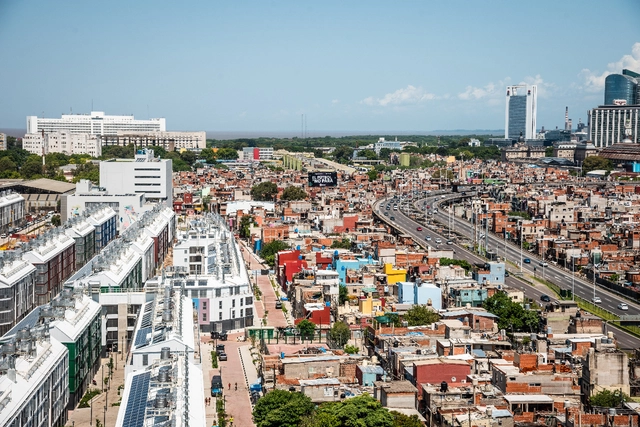
The theme was chosen based on the understanding that local actions are of critical importance in achieving the sustainable development goals set for 2030. The 2030 Agenda sets out the UN ambition to contribute to creating cities and human settlements more inclusive, safe, resilient, and sustainable. The world’s largest cities are often the most unequal. This year’s theme suggests that there is a path forward through incremental changes and localized actions. By adapting to site-specific conditions, these actions can better respond to the individual needs of the communities, and the natural conditions of climate and topography and can help strengthen the cultural identity of urban environments.

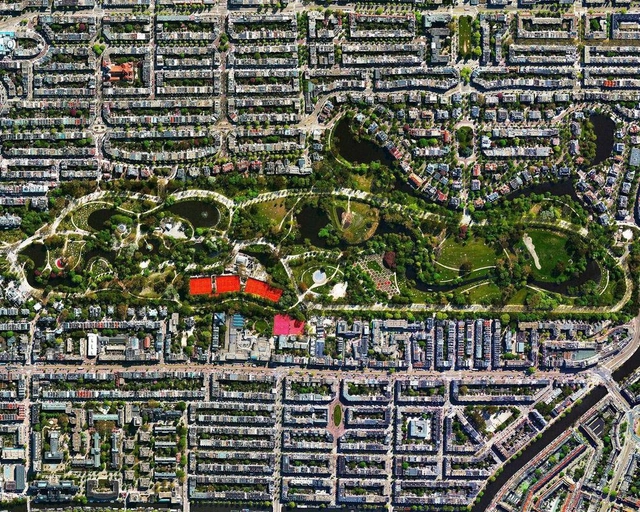
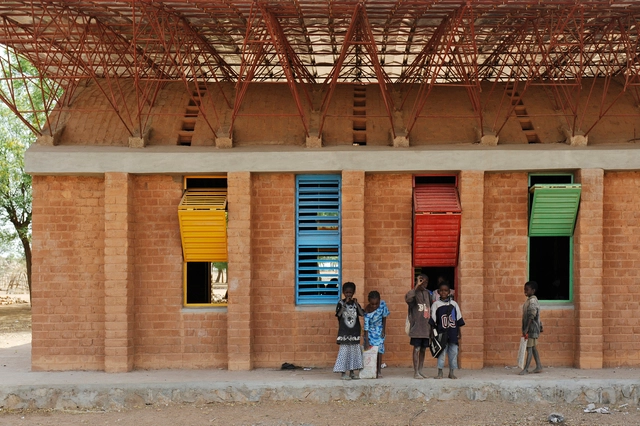
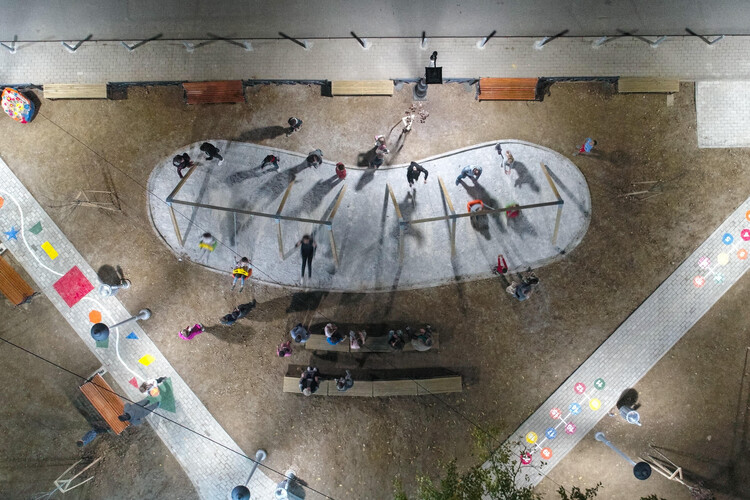
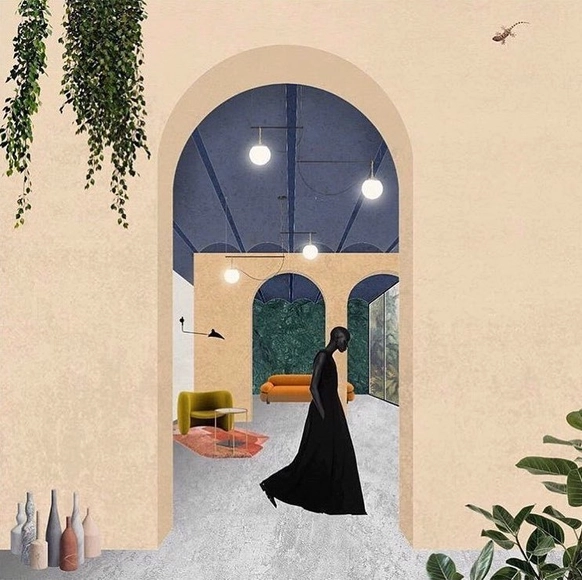
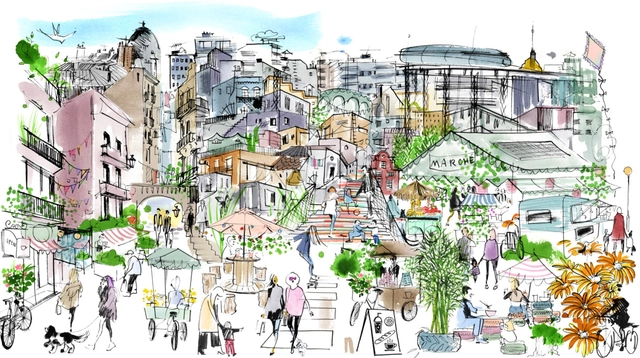
World’s Cities Day 2022: Act Local to Go Global - Image 1 of 4World’s Cities Day 2022: Act Local to Go Global - Image 2 of 4World’s Cities Day 2022: Act Local to Go Global - Image 3 of 4World’s Cities Day 2022: Act Local to Go Global - Image 4 of 4World’s Cities Day 2022: Act Local to Go Global - More Images+ 11

Subscriber Access

World Architecture Day 2022: Designing for Well-Being and Promoting Spaces for Everyone

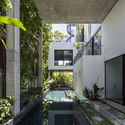
The first Monday of October of every year marks World Architecture Day and World Habitat Day. Celebrated simultaneously, they both seek to shed light on the built environment and its challenges, taking on a different theme with each new edition. This year, through its World Architecture Day, the UIA is focusing on “Architecture for well-being”, in line with the designation of 2022 as the UIA Year of Design for Health in buildings and cities. In parallel, the UN’s World Habitat Day, is centered on “Mind the Gap. Leave No One and Place Behind”, looking at the problem of growing inequality and challenges in cities and human settlements, due to the triple ‘C’ crises – COVID-19, climate and conflict.

Introducing Urban October, 31 days to promote a better urban future, World Architecture Day and World Habitat Day push forward the debates on urban sustainability. Joining the conversation every year, ArchDaily takes part in this occasion by promoting content that tackles the main objectives of this day, raising awareness, presenting solutions, engaging the international community, and “empowering everyone who makes architecture happen to create a better quality of life”.

World Architecture Day 2022: Designing for Well-Being and Promoting Spaces for Everyone - Image 1 of 4World Architecture Day 2022: Designing for Well-Being and Promoting Spaces for Everyone - Image 2 of 4World Architecture Day 2022: Designing for Well-Being and Promoting Spaces for Everyone - Image 3 of 4World Architecture Day 2022: Designing for Well-Being and Promoting Spaces for Everyone - Image 4 of 4World Architecture Day 2022: Designing for Well-Being and Promoting Spaces for Everyone - More Images+ 25

Subscriber Access

In Times of Need: Architects Stepping Up in Humanitarian Crisis

Hard times bring people together. In recent years we have seen how collective work can be a driving force to help those affected by natural or man-made disasters. After a disaster or displacement, a safe physical environment is often essential. Therefore, the need for coordination becomes a key factor in assisting people in times of need.

Architects, as "Shelter Specialists", play an important role in creating safe and adequate environments, whether it is individual housing, public buildings, schools, or emergency tent camps. But as architect Diébédo Francis Kéré says, "When you have nothing and you want to convince your community to believe in an idea, it may happen that everybody starts working with you, but you need to keep fighting to convince them."

In Times of Need: Architects Stepping Up in Humanitarian Crisis - Image 1 of 4In Times of Need: Architects Stepping Up in Humanitarian Crisis - Image 2 of 4In Times of Need: Architects Stepping Up in Humanitarian Crisis - Image 3 of 4In Times of Need: Architects Stepping Up in Humanitarian Crisis - Image 4 of 4In Times of Need: Architects Stepping Up in Humanitarian Crisis - More Images+ 25

Envisaging the Future of Cities: UN-Habitat Launches the 2022 World Cities Report

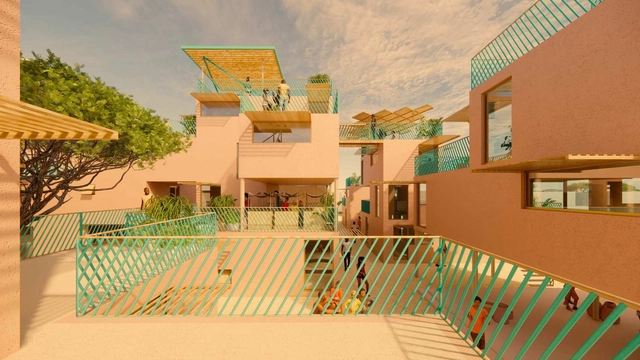
UN-Habitat has just released its annual World Cities Report during the eleventh session of the World Urban Forum, which took place in Katowice, Poland from June 27 until June 30, 2022. Titled “Envisaging the Future of Cities”, the 2022 release highlights insights on the future of the urban realm, based on “existing trends, challenges, and opportunities, as well as disruptive conditions, including the valuable lessons from the COVID-19 pandemic”. In fact, it seeks to present cities with ways to be prepared for future challenges and address current issues.

As the global population living in urban areas is set to rise from 56 percent in 2021 to 68 percent in 2050, mainly in Africa and the Middle East, transforming our cities in order to achieve a better future should be a global interest. Urgently needing “innovative solutions for urban areas to respond to this triple C crisis of COVID, climate and conflict” as stated by UN Under-Secretary-General and Executive Director of UN-Habitat Maimunah Mohd Sharif, the 2022 World Cities Report calls for greater commitment by national, regional and local governments, and encourages the further adoption of innovative technologies and urban living concepts.
Envisaging the Future of Cities: UN-Habitat Launches the 2022 World Cities Report - 1 的图像 4Envisaging the Future of Cities: UN-Habitat Launches the 2022 World Cities Report - 2 的图像 4Envisaging the Future of Cities: UN-Habitat Launches the 2022 World Cities Report - 3 的图像 4Envisaging the Future of Cities: UN-Habitat Launches the 2022 World Cities Report - 4 的图像 4Envisaging the Future of Cities: UN-Habitat Launches the 2022 World Cities Report - More Images+ 7

On Inclusive, Safe, Resilient, and Sustainable Cities: In Conversation with the Winners of the UIA 2030 Award

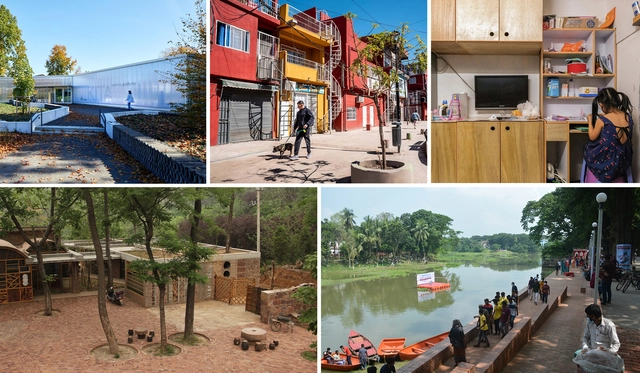
The first edition of the UIA 2030 Award celebrated projects that contribute to the delivery of the UN 2030 Agenda for Sustainable Development. Located in Germany, Hong Kong, Argentina, Bangladesh, and China, the winning interventions were announced during the eleventh session of the World Urban Forum in Katowice, Poland. Organized by the International Union of Architects (UIA), together with the UN-HABITAT, the award program gathered 125 submissions in 40 countries.

ArchDaily had the chance to talk to the winners behind the acclaimed architecture, to discuss furthermore the interventions and certain specificities of each and every project. In addition, the winning teams shared their upcoming and ongoing architectural endeavors as well as their point of view on the importance of architects engaging with the Sustainable Development Goals.

On Inclusive, Safe, Resilient, and Sustainable Cities: In Conversation with the Winners of the UIA 2030 Award - Imagem 1 de 4On Inclusive, Safe, Resilient, and Sustainable Cities: In Conversation with the Winners of the UIA 2030 Award - Imagem 2 de 4On Inclusive, Safe, Resilient, and Sustainable Cities: In Conversation with the Winners of the UIA 2030 Award - Imagem 3 de 4On Inclusive, Safe, Resilient, and Sustainable Cities: In Conversation with the Winners of the UIA 2030 Award - Imagem 4 de 4On Inclusive, Safe, Resilient, and Sustainable Cities: In Conversation with the Winners of the UIA 2030 Award - More Images+ 2

Winners of the UIA 2030 Award Announced: Acknowledging Architects' Contributions to the Sustainable Development Goals

Today, at the eleventh session of the World Urban Forum in Katowice, Poland, the International Union of Architects (UIA), together with the UN-HABITAT, have announced the laureates of the UIA 2030 Award. Seeking to acknowledge the contributions of architects to the UN 2030 Agenda for Sustainable Development and New Urban Agenda through built interventions that demonstrate design quality and alignment with the UN Sustainable Development Goals (SDGs), this first edition of a biennial awards program, selected winning projects from Germany, Hong Kong, Argentina, Bangladesh, and China, from 125 submitted projects in 40 countries.

Organized under six categories: Open Category, Improving Energy Efficiency, Adequate, Safe & Affordable Housing, Participatory, Land-Use Efficient & Inclusive Planning, Access to Green & Public Space, and Utilizing Local Materials, the jurors picked a winner per section, yet were unable to identify an overall winner in the open category and chose instead to recognize six projects as Highly Commended, honoring in total 5 laureates and 15 commendations.

Winners of the UIA 2030 Award Announced: Acknowledging Architects' Contributions to the Sustainable Development Goals - Image 1 of 4Winners of the UIA 2030 Award Announced: Acknowledging Architects' Contributions to the Sustainable Development Goals - Image 2 of 4Winners of the UIA 2030 Award Announced: Acknowledging Architects' Contributions to the Sustainable Development Goals - Image 3 of 4Winners of the UIA 2030 Award Announced: Acknowledging Architects' Contributions to the Sustainable Development Goals - Image 4 of 4Winners of the UIA 2030 Award Announced: Acknowledging Architects' Contributions to the Sustainable Development Goals - More Images+ 17

Naomi Hoogervorst on Democratization of Design: "Equal Cities Need Equal Voices"

Many of us agree that design is still not considered for everyone. That is why we must ask ourselves what is truly democratic in the matters of design - in order to define our vision toward a more just society. From the perspective of architecture and urbanism, we can look at this democratization from different angles, including citizens in participatory processes, in order to find answers to our constant search to improve habitability and accessibility.

What Do We Do With Waste? The Circular Economy and the Global South

A lot of people around the world would agree that we are currently in a climate emergency. The IPCC report, released last year, makes for difficult reading. Practitioners in the built environment have taken to direct climate action, with organizations such as ACAN and Architects Declare fostering carbon literacy and calling for designers to re-evaluate how they practice.

What Do We Do With Waste? The Circular Economy and the Global South - Image 1 of 4What Do We Do With Waste? The Circular Economy and the Global South - Image 6 of 4What Do We Do With Waste? The Circular Economy and the Global South - Image 2 of 4What Do We Do With Waste? The Circular Economy and the Global South - Image 3 of 4What Do We Do With Waste? The Circular Economy and the Global South - More Images+ 7

UN-Habitat and Oceanix Reveal Prototype for the World's First Sustainable Floating City

UN-Habitat and Oceanix Reveal Prototype for the World's First Sustainable Floating City - Featured Image
Courtesy of Oceanix and BIG-Bjarke Ingels Group

UN-Habitat and blue tech firm OCEANIX unveiled the design of the world’s first prototype for a sustainable floating city, to be hosted by Busan. The project is intended to provide a scalable framework of development for coastal cities facing land shortages and rising sea levels. With a population of 3.4 million people, Busan is the second-largest city in the Republic of Korea and, at the same time, one of the most important maritime cities, making it a suitable environment for deploying the floating city prototype.

UN-Habitat and Oceanix Reveal Prototype for the World's First Sustainable Floating City - Image 1 of 4UN-Habitat and Oceanix Reveal Prototype for the World's First Sustainable Floating City - Image 2 of 4UN-Habitat and Oceanix Reveal Prototype for the World's First Sustainable Floating City - Image 3 of 4UN-Habitat and Oceanix Reveal Prototype for the World's First Sustainable Floating City - Image 4 of 4UN-Habitat and Oceanix Reveal Prototype for the World's First Sustainable Floating City - More Images+ 15

Shigeru Ban Architects and Philippe Monteil Design Refugee Shelters in Kenya with the Support of UN-Habitat

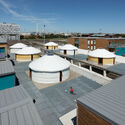
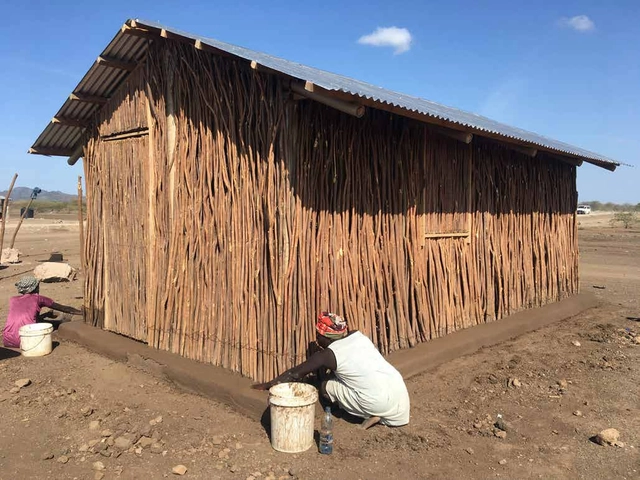
Since 2017, UN-Habitat, together with Shigeru Ban Architects, Philippe Monteil and the NGO Voluntary Architects' Network, developed several shelter typologies for a pilot neighborhood in Kalobeyei Settlement in Kenya. The Turkana Houses are meant to house South Sudanese and other refugees living in Northern Kenya who could not return to their original villages due to endless civil wars and conflicts. Unlike typical refugee shelters, these structures were meant to provide a home for long periods of displacement and the four typologies developed are informed by the extensive experience of Shigeru Ban Architects with disaster relief projects and the local building techniques of local people.

Shigeru Ban Architects and Philippe Monteil Design Refugee Shelters in Kenya with the Support of UN-Habitat - Image 1 of 4Shigeru Ban Architects and Philippe Monteil Design Refugee Shelters in Kenya with the Support of UN-Habitat - Image 2 of 4Shigeru Ban Architects and Philippe Monteil Design Refugee Shelters in Kenya with the Support of UN-Habitat - Image 3 of 4Shigeru Ban Architects and Philippe Monteil Design Refugee Shelters in Kenya with the Support of UN-Habitat - Image 4 of 4Shigeru Ban Architects and Philippe Monteil Design Refugee Shelters in Kenya with the Support of UN-Habitat - More Images+ 7

UIA 2030 Award Finalists Announced

The International Union of Architects (UIA), in partnership with UN-HABITAT, have announced the Regional Finalists of first stage of the UIA 2030 Award. The biennial award, which is in its inaugural edition, honors the work of architects contributing to the UN 2030 Agenda for Sustainable Development and New Urban Agenda through built projects that demonstrate design quality and alignment with the UN Sustainable Development Goals (SDGs).

UIA 2030 Award Finalists Announced - 1 的图像 4UIA 2030 Award Finalists Announced - 2 的图像 4UIA 2030 Award Finalists Announced - 3 的图像 4UIA 2030 Award Finalists Announced - 4 的图像 4UIA 2030 Award Finalists Announced - More Images+ 39

Subscriber Access

World’s Cities Day 2021: Resilience, Climate Crisis and Sustainable Urbanization

As cities grow in scale, dimensions, and amplitude, taking in 60% of the world population, the United Nations has designated the 31st of October as “World Cities Day”, an opportunity to talk furthermore about global urbanization, addressing challenges, encouraging opportunities across borders and highlighting responses. Focusing this edition on the theme of “Adapting Cities for Climate Resilience”, this day, part of Urban October, seeks to raise awareness about the climate crisis and its repercussions on the built environment.

Cities, at the center of the global challenges, are hubs for institutions, society, economy, commerce, and transportation. Understanding the importance of “Thinking the City”, we have compiled in this roundup, articles published by ArchDaily’s editors that offer planning tools and guidelines, tackle the different components of the urban realm and highlight worldwide as well as contextual questions and responses. 

Cities and Conflict: Exploring Urban Adaptive Reuse

COP26, The United Nations Climate Change Conference, is scheduled to be held in Scotland soon, in the last week of October 2021. Against the backdrop of this conference is a heightened global awareness of climate change, as discussions take place on how a sustainable, more equal future can be achieved. The present and future state of architecture is a key component of this conversation, as criticism is levelled at architecture firms that “greenwash” and questions are raised on if the term “sustainability” is increasingly merely being used as today’s buzzword.

Cities and Conflict: Exploring Urban Adaptive Reuse - Imagem 1 de 4Cities and Conflict: Exploring Urban Adaptive Reuse - Imagem 2 de 4Cities and Conflict: Exploring Urban Adaptive Reuse - Imagem 3 de 4Cities and Conflict: Exploring Urban Adaptive Reuse - Imagem 4 de 4Cities and Conflict: Exploring Urban Adaptive Reuse - More Images+ 9

Are Our Cities Built for the Youth?

Cities we live in today have been built on principles designed decades ago, with prospects of ensuring that they are habitable by everyone. Throughout history, cities have been catalysts of economic growth, serving as focal points for businesses and migration. However, in the last decade, particularly during the last couple of years, the world has  witnessed drastic reconfigurations in the way societies work, live, and commute.

Today’s urban fabric highlights two demographic patterns: rapid urbanization and large youth populations. Cities, although growing in scale, have in fact become younger, with nearly four billion of the world’s population under the age of 30 living in urban areas, and by 2030, UN-Habitat expects 60% of urban populations to be under the age of 18. So when it comes to urban planning and the future of cities, it is evident that the youth should be part of the conversation.

Are Our Cities Built for the Youth? - Image 1 of 4Are Our Cities Built for the Youth? - Image 2 of 4Are Our Cities Built for the Youth? - Image 3 of 4Are Our Cities Built for the Youth? - Image 4 of 4Are Our Cities Built for the Youth? - More Images+ 9

Refugee Camps: From Temporary Settlements to Permanent Dwellings

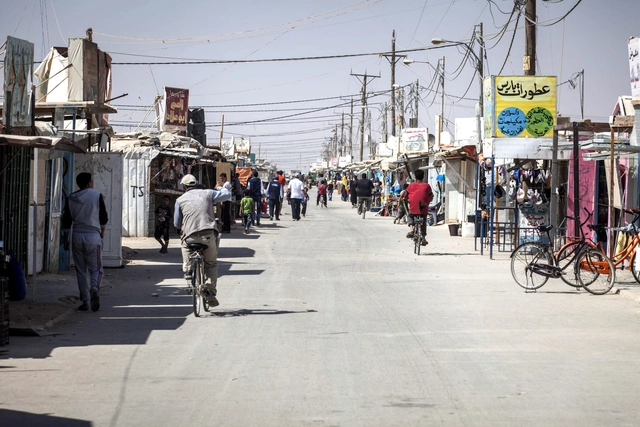
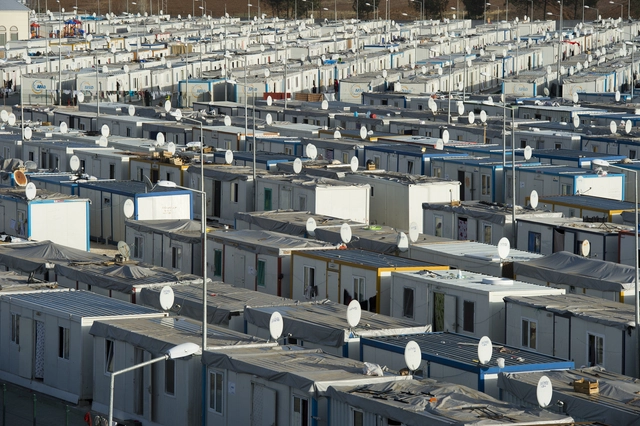
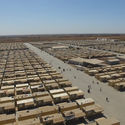
With more than 70 million forcibly displaced people worldwide, according to the UNHCR, and nearly 25.9 million refugees, the time has come to reconsider the traditional emergency camp approach. Although the concept is temporary by definition, in real life the lifespan of these refugee camps exceeds the planned and the expected.

Ranging from seven to seventeen years, most of these settlements surpass their expiry dates. Actually, on average, according to the United Nations High Commissioner for Refugees (UNHCR) in Kenya, "many displaced persons spend more than 16 years living as refugees in temporary shelter."

Refugee Camps: From Temporary Settlements to Permanent Dwellings - Image 1 of 4Refugee Camps: From Temporary Settlements to Permanent Dwellings - Image 2 of 4Refugee Camps: From Temporary Settlements to Permanent Dwellings - Image 3 of 4Refugee Camps: From Temporary Settlements to Permanent Dwellings - Image 4 of 4Refugee Camps: From Temporary Settlements to Permanent Dwellings - More Images+ 5

Subscriber Access

12 Key Principles for an Effective Urban Response during COVID-19

The Un-Habitat or the United Nations agency for human settlements and sustainable urban development, whose primary focus is to deal with the challenges of rapid urbanization, has been developing innovative approaches in the urban design field, centered on the active participation of the community. ArchDaily has teamed up with UN-Habitat to bring you weekly news, article, and interviews that highlight this work, with content straight from the source, developed by our editors.

As the fight against coronavirus keeps on bringing many cities around the world to a standstill, the need to support urban entities and local governments is greater than ever. Although the pandemic has drastically changed our relationship with the public realm, due to all the imposed but necessary restrictions, from physical distancing to limiting access, the demand for public space has not decreased. People still need to go outside, commute, work, study, play, socialize, and maintain a healthy mental state. Discover in this article UN-Habitat’s key areas of focus for an effective urban response for COVID-19 that local and national governments should focus on to prevent the spread of the virus and to develop resilience to and preparedness for events of a similar nature.

12 Key Principles for an Effective Urban Response during COVID-19 - Image 1 of 412 Key Principles for an Effective Urban Response during COVID-19 - Image 2 of 412 Key Principles for an Effective Urban Response during COVID-19 - Image 3 of 412 Key Principles for an Effective Urban Response during COVID-19 - Image 4 of 412 Key Principles for an Effective Urban Response during COVID-19 - More Images+ 14

8 Initiatives that Empower Women in the Architectural and Urban Fields

While in a lot of countries around the world, the construction, architecture, engineering, and urban planning sectors, are still reserved for men, initiatives that empower women in these fields are surfacing everywhere around the globe. Playing a huge role in the integration of female power into these disciplines, these movements take on many forms such as organizations, websites, platforms, etc. working with professionals, artisans, and workers.

From providing skills, connecting outstanding females, ensuring exposure, and promoting the works of pioneers, these initiatives have the common purpose of encouraging women to have an impact on their built environment.

Subscriber Access

HerCity: Digital Toolbox for Sustainable, Equal and Inclusive Cities

HerCity is a platform that involves women in urban development, in order to make better cities for everyone. Turning the tables and putting girls in the expert position, the digital toolbox aims to create more inclusive, equal, and sustainable cities and communities. The initiative makes methods and tools available to urban actors globally, in order to support cities in integrating girls’ participation in their long-term strategies.

Launched on Women’s day 2021, the guide for urban planning and design is a collaborative effort between UN-Habitat and Global Utmaning, the Swedish independent think tank. ArchDaily had the chance to talk with the team behind this digital toolbox, discussing the narratives, the process, and inclusive planning on a worldwide level.

HerCity: Digital Toolbox for Sustainable, Equal and Inclusive Cities - Image 1 of 4HerCity: Digital Toolbox for Sustainable, Equal and Inclusive Cities - Image 2 of 4HerCity: Digital Toolbox for Sustainable, Equal and Inclusive Cities - Image 3 of 4HerCity: Digital Toolbox for Sustainable, Equal and Inclusive Cities - Image 4 of 4HerCity: Digital Toolbox for Sustainable, Equal and Inclusive Cities - More Images+ 13