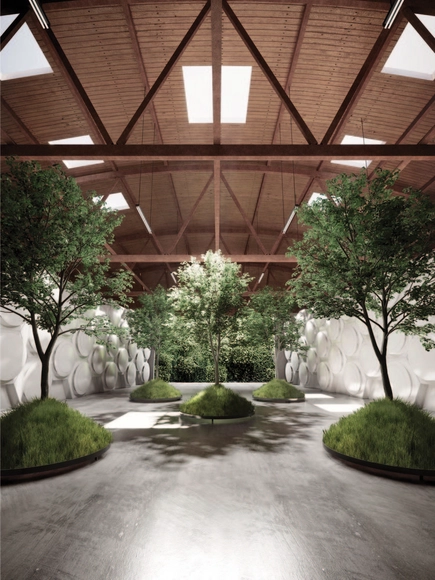
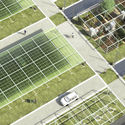
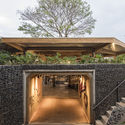
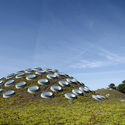
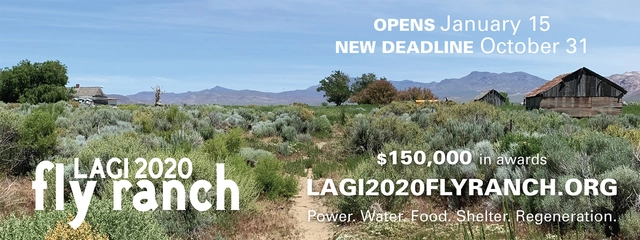
Land Art Generator Initiative and Burning Man Project have partnered to launch a multi-disciplinary design challenge—LAGI 2020 Fly Ranch—that will create the foundational infrastructure of Fly Ranch. The project is open to everyone everywhere and seeks creative solutions to systems of energy, water, food, shelter, and regeneration. You are invited to propose your regenerative artwork in this unique and stunning landscape. In 2021 selected design teams will be provided with an honorarium grant for the purpose of building a functional prototype on site.
Entries to the 6th International LafargeHolcim Awards for sustainable construction will close on February 25, 2020. The competition seeks projects by professionals as well as bold ideas from the Next Generation that combine sustainable construction solutions with architectural excellence. The Awards accept projects and concepts from architecture, engineering, urban planning, materials science, construction technology, and other related fields.
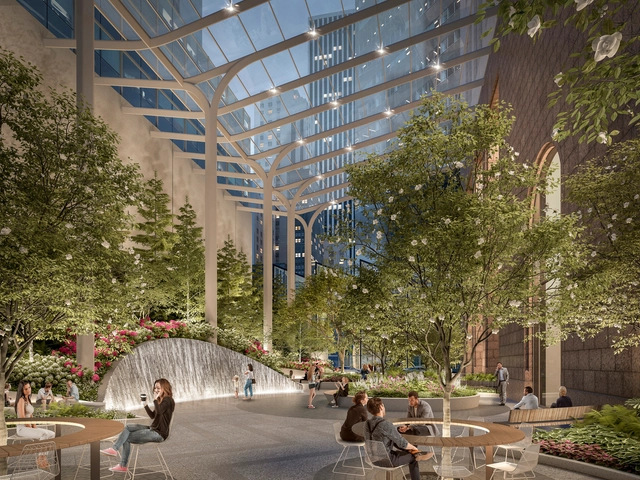
The New York City Planning Commission approved unanimously the design for 550 Madison Garden created by Snøhetta. The project that re-imagines the privately-owned public space will move forward, after also having received, earlier on, the approval from Manhattan Community Board.
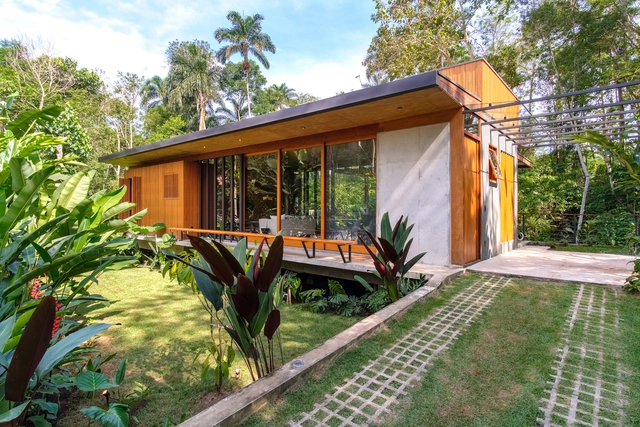
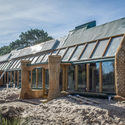
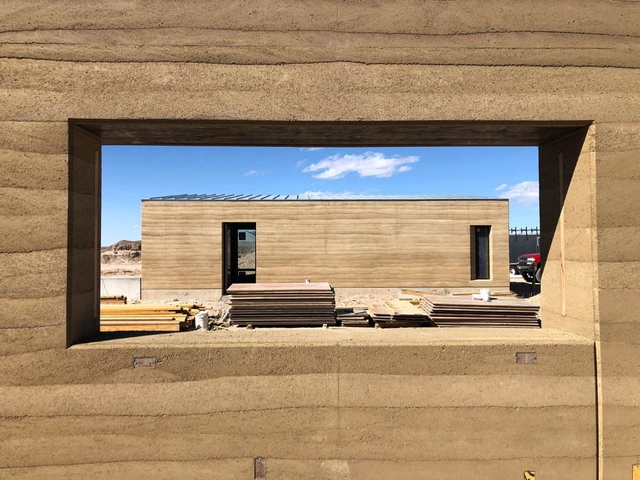
Concrete is the most carbon-intensive material found in the built environment, and rammed earth is a viable alternative—at least for projects of a certain scale. The San Antonio–based architecture firm Lake|Flato has opted for rammed earth on two of its residential projects, such as this one in West Texas.Courtesy Kyle Melgaard/Pilgrim Building Company
Practitioners have finally begun taking a more nuanced approach to the carbon emitted by new buildings. Are they too late?
I’ve started calling them come-to-carbon moments—the inner alarm bells that sound as you begin to register the devastating ecological costs of every man-made surface around you. Every sidewalk you’ve ever walked on, every building you’ve ever walked into, and every material inside those buildings, too. It’s the kind of thing you can’t un-see once you’ve started looking, the kind of knowledge that can transform a worldview, or a practice.
Sky Green, WOHA’s first project in Taichung, Taiwan has just been completed. Commissioned by the developer Golden Jade, with Feng Chia University as an advisor, the project is the first green and sustainable mixed-use development in the city.
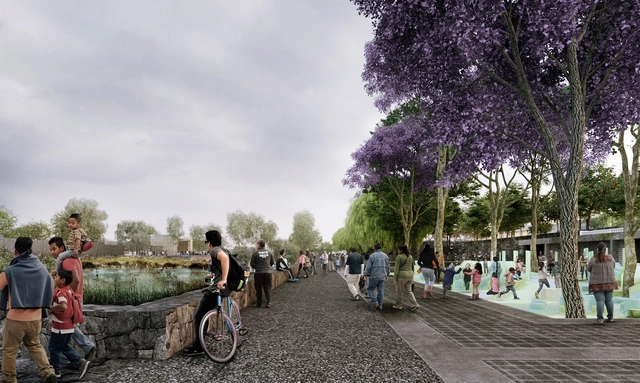
“Hydropuncture”, Global LafargeHolcim Awards Gold winning project 2018 in Mexico City. Image Courtesy of LafargeHolcim Foundation
Seeking international projects that combine sustainable construction practices with architectural excellence, the LafargeHolcim Awards are open for entries to their 6th cycle through February 25, 2020. The Awards offers a total of $2 million USD in prize money to projects and concepts from architecture, engineering, urban planning, materials and construction technology, and related fields.
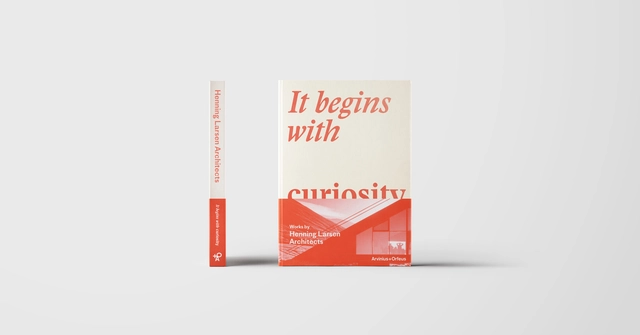
Henning Larsen is proud to present It Begins with Curiosity, the studio’s first ever monograph after more than half a century at the forefront of Scandinavian architecture and urbanism. The studio has been a pioneer in and ambassador for Danish design, bringing its unique principles and approach to projects as diverse as the Ministry of Foreign Affairs in Riyadh and Kiruna City Hall in Sweden. The book dives deep into the studio’s legacy, recent works, and outlooks to share their vision of how to create a more livable and sustainable future for all.
The six-state American Institute of Architects Western Mountain Region, established in 1959, is comprised of the AIA State Components of Wyoming, Nevada, Utah, Colorado, Arizona, and New Mexico. These states take turns every year to host the annual regional conference. Join us in Albuquerque for visionary discussions about Design, Leadership, Sustainability, and Advocacy! The last day of the Summit is the first day of Albuquerque's International Balloon Fiesta, a great time to visit!
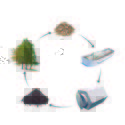
The international design firm Olson Kundig has designed a new sustainable option for after-death care. In fact, the architects created the world’s first facility for converting human remains into soil, a flagship building for Recompose in Seattle.
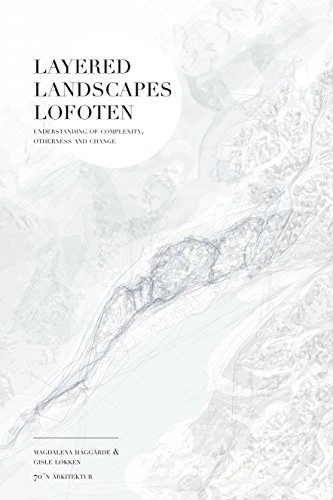
Layered Landscapes Lofoten — Understanding of Complexity, Otherness and Change adresses today’s most urgent issues about living together in landscapes and territories under severe pressure and transformation. The landscape holds essential information about our common history, ecology and social behavior — both rational and cognitive experience, and even hidden enigmas. The authors suggest how an open and unbiased approach to the landscape enables us to understand and operationalize knowledge and theory into valid proposals and projects for the future — not primarily through the traditional and habitual idea of the architectural object, but rather in contact with a global, collective and spatial territorial reality.
Located in a prime location in the city of Taipei, the invaluable large open space at the Taiwan Contemporary Culture Lab (C-LAB) is historically significant as it used to be home to the Industrial Research Institute of the Taiwanese Governor-General’s Office and also the Air Force Command Headquarters under the Ministry of National Defense. Since the Ministry of Culture took over its operations in 2018, C-LAB has become a place for art and cultural experimentation, with various participatory events and actions initiated and reflections and imaginations for contemporary urban space and lifestyle projected.
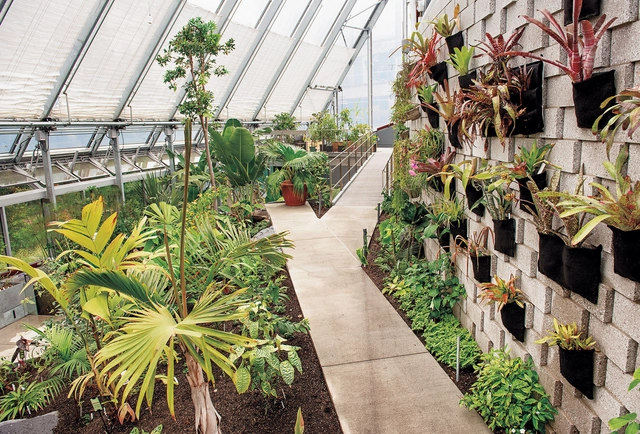
Every year, France uses 66,600 tons of plant protection pesticides for its agriculture and produces 4.5 million tons of plastics, of which only 22% are recycled. Almost 48,000 deaths are attributed to fine particle pollution and automobile activity, and the planet is still expected to endure. In such grave situations, urban developments have become subject to new ecological criteria that focus on finding biodiverse solutions for both public and private sectors.
In compliance with the United Nations Sustainable Development Goals Agenda 2030 that aims to find eco-responsible urban solutions, Studio NAB created Car Parks 2.0, an ecological parking space that rethinks commercial parking areas and transforms it into a more sustainable and humane place.
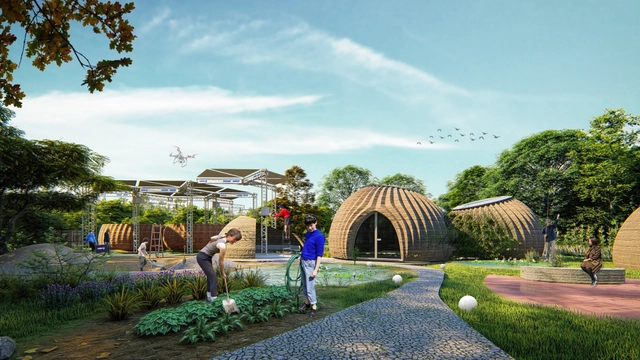
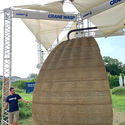
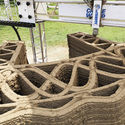
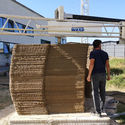
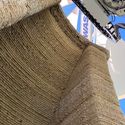
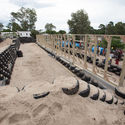
Designed by MCA - Mario Cucinella Architects, engineered and built by WASP, TECLA is a prototype of an on-site 3D printed habitat, launched near Bologna, Italy. The innovative model creates future housing solutions and re-questions the idea of living in the city. It provides a shelter for everyone, through a sustainable, low-cost and efficient method.
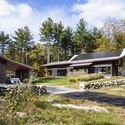
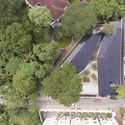
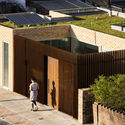
Sustainability in architecture is an issue that may bring to light too general proposals and there are a lot of possibilities concerning the application of their concepts in design process. Sustainable strategies are essential so that the project development reconcile the economic and ecologic pillars and, above all, consider the well-being impact for those who are going to use the built space. Thinking about this, we have gathered four projects of different typologies that applied innovative methods in the conception of the buildings that stand out for their sustainable practices. Read on for the projects:
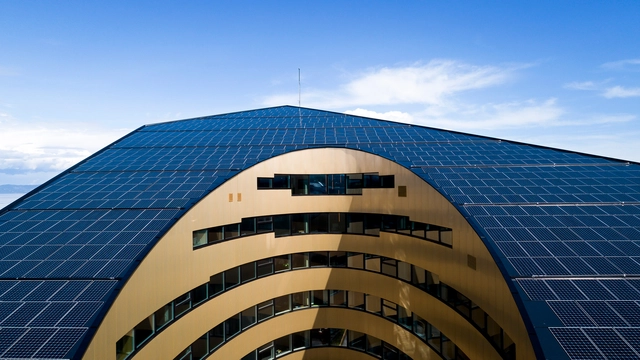
Once restricted to space stations and satellites, photovoltaics are now gaining popularity and becoming an increasingly viable option. Every day, the sun releases an enormous amount of energy, far more than the entire population consumes. Being that the sun is a sustainable, renewable, and inexhaustible source for generating electricity, not using it seems almost counter-intuitive, especially considering the social and environmental impacts of other forms of energy generation. But the technology to create electricity from the sun is by no means simple and still has some limitations, the most significant being price. The following article attempts to explain some basic concepts about this process, and to highlight important considerations for designing a solar energy system.
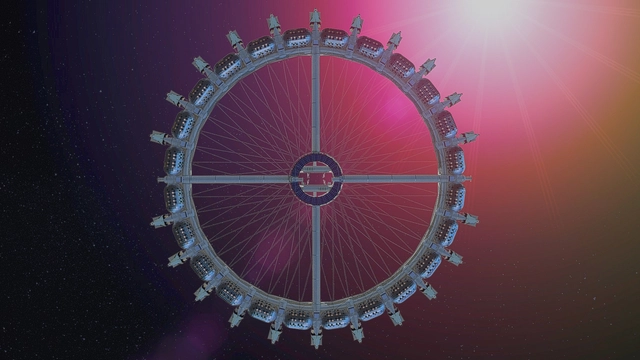
As California makes strides in sustainability, the Von Braun Space Station is taking rather large steps for humankind. Exploring the great unknown does not have to mean abandoning our planet — it can mean just the opposite. In fact, this space station could be our most monumental step toward a sustainable future.
https://www.archdaily.com/925493/sustainability-in-space-what-california-green-building-standards-and-the-von-braun-space-station-have-in-commonSienna Mae Heath
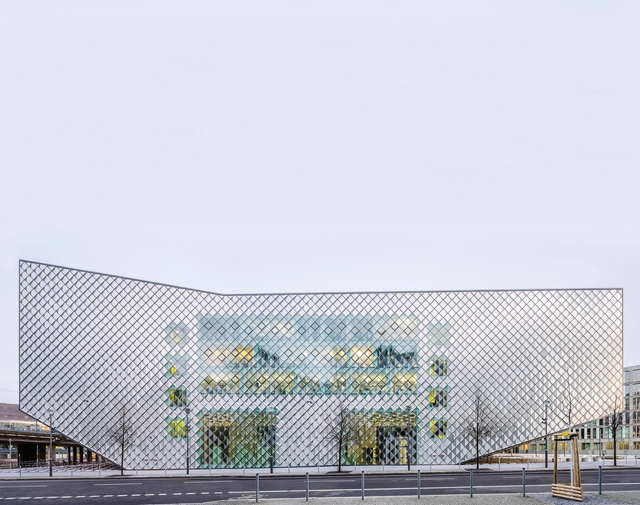
Facades are the interface between the interior and exterior of a building. They are the most striking and visible parts of a building, they protect it from external agents and are one of the main contributors to creating comfortable environments since it is where thermal gains and losses occur. Just like our skin, an extremely versatile organ of our body, it should be natural for it to be the part of the building which bears technology capable of becoming adaptable to the environmental conditions of the place where it is located.
In a study recently published by AIA, less than 13% of architectural firms have incorporated building performance as part of their practice. With buildings contributing 40% of total carbon emissions leading to climate change, just 25 projects are roughly equivalent to planting 1 million trees each year. In addition to that, teams that are able to showcase data-driven and performance-driven decision-making and feature an energy analysis in every pursuit are able to increase fees and generate more revenue. Although integrating building performance sounds like a no-brainer, it proves to be difficult at many firms, because in addition to the practical changes, it requires a culture shift. That culture shift can only happen if the tools are easy to use, accurate, and mesh well with current workflows. Right now is the perfect time to tackle these culture changes due to a few reasons:


.jpg?1576051979&format=webp&width=640&height=580)
.jpg?1576051840 "© Kuomin Lee")
.jpg?1576051957 "© Kuomin Lee")
.jpg?1576052609 "© Kuomin Lee")
.jpg?1576052676 "© Kuomin Lee")
.jpg?1576051979)