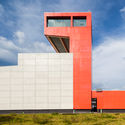
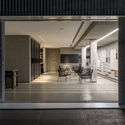
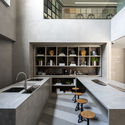
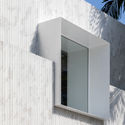
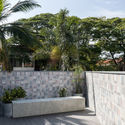
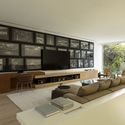
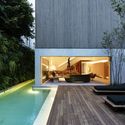
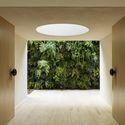
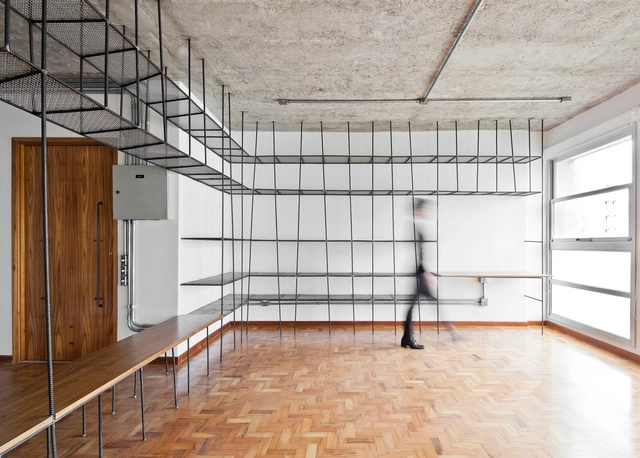
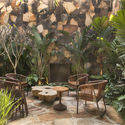
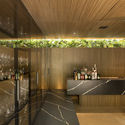
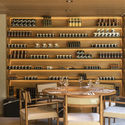
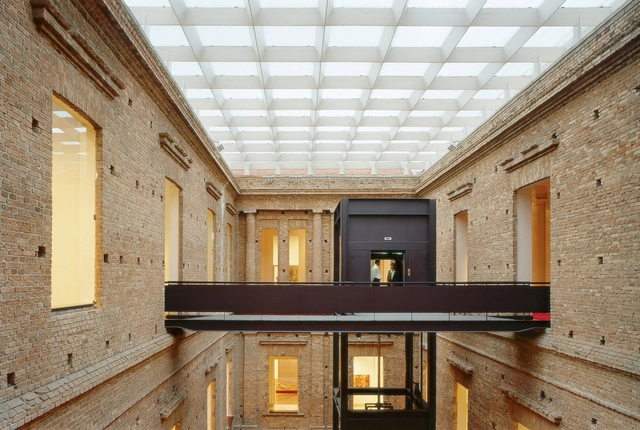
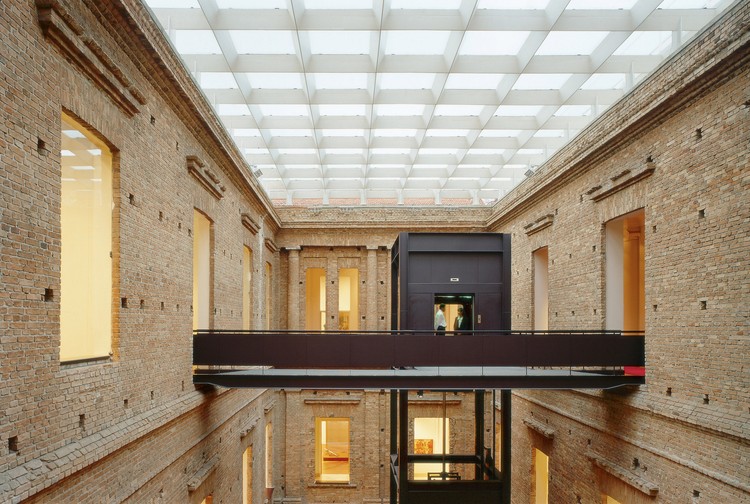
Vista do átrio. Image Cortesia de Safdie Architects
The first Brazilian project by Safdie Architects has broken ground in Sao Paolo's Morumbi neighborhood on November 6. Developed in partnership with Perkins+Will, The Albert Einstein Education and Research Center is part of the Albert Einstein hospital complex.
The new center, named Campus Cecilia and Abram Szajman, will be one of the most advanced institutions in Latin America for medical studies. It will feature innovations in learning methods and technologies, as well as flexible research laboratories capable of adapting to the advancement of hospital techniques.
This article was originally published on August 14, 2014. To read the stories behind other celebrated architecture projects, visit our AD Classics section.
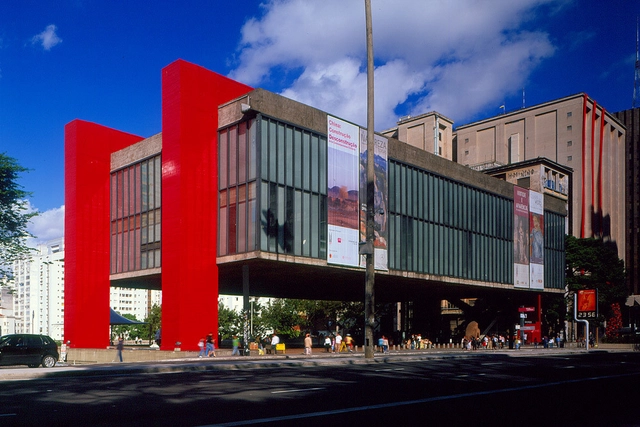
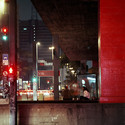
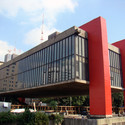
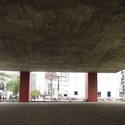
When Lina Bo Bardi received the commission to build a new museum of art on São Paulo’s Terraço do Trianon, she was given the job under one condition: under no circumstances could the building block the site’s panoramic vistas of the lower-lying parts of the city. This rule, instituted by the local legislature, sought to protect what had become an important urban gathering space along Avenida Paulista, the city’s main financial and cultural artery. Undeterred, Bo Bardi came up with a solution that was simple and powerful. She designed a building with a massive split through its midsection, burying half of it below the terrace and lifting the other half into the sky. As a result, the plaza remained open and unobstructed, and in 1968, the iconic São Paulo Museum of Art (MASP) was born.
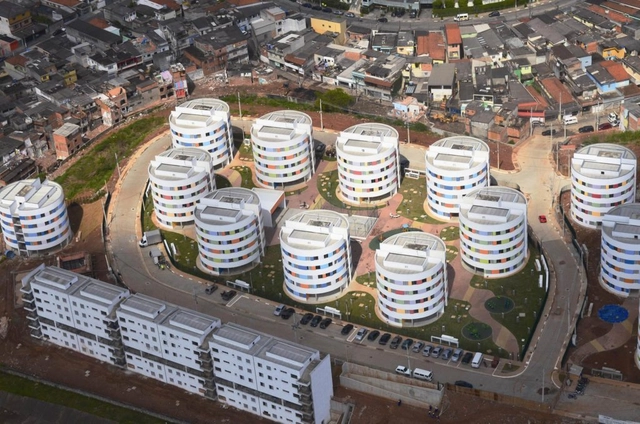
The story of the "Redondinhos" housing project in Heliópolis, São Paulo began with a misinterpreted quote by Ruy Ohtake. In 2003, a magazine published the following statement attributed to the prestigious architect and urban planner: "What I find most ugly in São Paulo is Heliopolis." After seeing the report, Ohtake clarified that his intention was to say that the ugliest in the city is the difference between rich and poor neighborhoods - "the difference between the Morumbi neighborhood and Heliopolis, the largest favela," he corrected.