1. ArchDaily
  2. Net Zero

Net Zero: The Latest Architecture and News

The Envelope's Role in Net-Zero or Positive Buildings

 | Sponsored Content
The Envelope's Role in Net-Zero or Positive Buildings - Featured Image
Powerhouse Brattørkaia / Snøhetta. Image © Ivar Kvaal

In the face of increasingly alarming predictions regarding the climate crisis, just increasing the efficiency of buildings is no longer enough. Zero energy buildings - or, better yet, energy positive buildings - make it possible to mitigate the negative impacts of the construction industry, which is responsible for 40% of all greenhouse gas emissions. These are buildings capable of producing more energy than they consume through the use of renewable sources. To reach this ambitious goal, it is necessary to follow three main steps:

  1. Install a renewable power system to provide clean energy;

  2. Include high efficiency systems, such as climatization equipment and low energy lighting.

  3. Improve the construction envelope to conserve energy and reduce loads.
Earth Day 2022: The World's Progress towards Achieving Sustainable Architecture

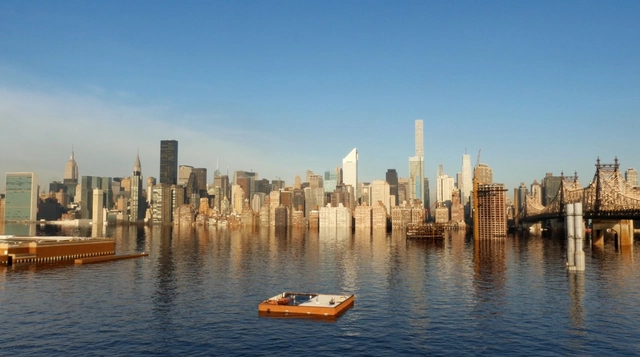
As the climate crisis continues to present itself as a significant threat to the future of the ecosystem and built environment, this year's IPCC report, titled Climate Change 2022: Impacts, Adaptation, and Vulnerability, found that while adaptation efforts are being observed across all sectors, the progress being implemented so far is greatly uneven, as there are gaps between the actions taken and what is needed. On this year's Earth Day, we explore the progress being made by governments and architects to achieve net-zero operations within the next decades.

Earth Day 2022: The World's Progress towards Achieving Sustainable Architecture  - Imagen 1 de 4Earth Day 2022: The World's Progress towards Achieving Sustainable Architecture  - Imagen 2 de 4Earth Day 2022: The World's Progress towards Achieving Sustainable Architecture  - Imagen 3 de 4Earth Day 2022: The World's Progress towards Achieving Sustainable Architecture  - Imagen 4 de 4Earth Day 2022: The World's Progress towards Achieving Sustainable Architecture  - More Images+ 1

NBBJ is Designing a Nature-Immersed Net Zero School in California for Neurodiverse Students

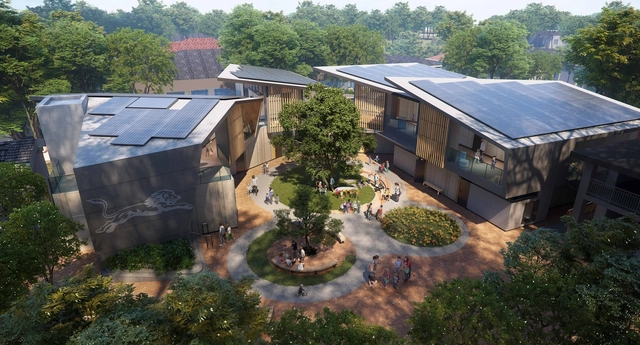
Aiming to transform the learning experience for neurodiverse students through a nature-centric environment, NBBJ has unveiled a net-zero school in Encino, California. Titled "Westmark Lower School", the new campus will foster an inclusive and engaging learning experience for students and teachers, responding to the critical condition of U.S students, where 2.3 million were diagnosed with learning differences between 2019 - 2020.

NBBJ is Designing a Nature-Immersed Net Zero School in California for Neurodiverse Students - Image 1 of 4NBBJ is Designing a Nature-Immersed Net Zero School in California for Neurodiverse Students - Image 2 of 4NBBJ is Designing a Nature-Immersed Net Zero School in California for Neurodiverse Students - Image 3 of 4NBBJ is Designing a Nature-Immersed Net Zero School in California for Neurodiverse Students - Image 4 of 4NBBJ is Designing a Nature-Immersed Net Zero School in California for Neurodiverse Students - More Images+ 4

The IPCC’s Latest Report Highlights the Impacts, Adaptations, and Vulnerabilities of Climate Change

Following an extensive report on the impacts of climate change last year, the second installment of the Intergovernmental Panel on Climate Change (IPCC), the United Nation's body for assessing the science related to climate change, addresses the current and anticipated impacts of climate change on ecosystems, biodiversity, and human communities across the globe, along with action plans on how the natural world and human societies could adapt to these changes before reaching an "irreversible" state.

The IPCC’s Latest Report Highlights the Impacts, Adaptations, and Vulnerabilities of Climate Change - Image 1 of 4The IPCC’s Latest Report Highlights the Impacts, Adaptations, and Vulnerabilities of Climate Change - Image 2 of 4The IPCC’s Latest Report Highlights the Impacts, Adaptations, and Vulnerabilities of Climate Change - Image 3 of 4The IPCC’s Latest Report Highlights the Impacts, Adaptations, and Vulnerabilities of Climate Change - Image 4 of 4The IPCC’s Latest Report Highlights the Impacts, Adaptations, and Vulnerabilities of Climate Change - More Images+ 1

A Space Transportation Hub in Japan and a Humanitarian Response in Egypt: 10 Unbuilt Projects Submitted by our Readers

Subscriber Access | 

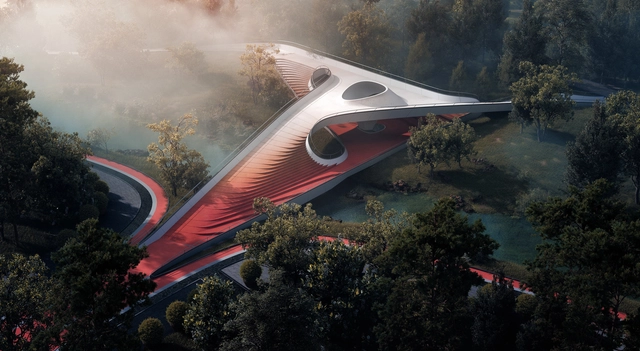
This week’s curated selection of Best Unbuilt Architecture encompasses conceptual proposals submitted by our readers. It features diverse functions and tackles different scales, from a spiraling bridge in China to a transportation hub dedicated primarily to space travel in Japan.

Comprising uncommon design approaches, this article introduces a humanitarian architectural response to the needs of the residents in an informal Egyptian settlement. In the master plan category, a Green city proposal highlights how we should develop our cities and neighborhoods in the future, and the first net-zero energy airport in Mexico reinterprets holistic design approaches. Moreover, the roundup presents different cultural interventions, from a museum in Botswana, an installation at the Burning Man festival by AI Studio, and an observatory in Vietnam.

A Space Transportation Hub in Japan and a Humanitarian Response in Egypt: 10 Unbuilt Projects Submitted by our Readers - Image 21 of 4A Space Transportation Hub in Japan and a Humanitarian Response in Egypt: 10 Unbuilt Projects Submitted by our Readers - Image 23 of 4A Space Transportation Hub in Japan and a Humanitarian Response in Egypt: 10 Unbuilt Projects Submitted by our Readers - Image 31 of 4A Space Transportation Hub in Japan and a Humanitarian Response in Egypt: 10 Unbuilt Projects Submitted by our Readers - Image 35 of 4A Space Transportation Hub in Japan and a Humanitarian Response in Egypt: 10 Unbuilt Projects Submitted by our Readers - More Images+ 51

Plant Prefab and Koto Design Unveil Two Net-Zero Prefabricated Houses

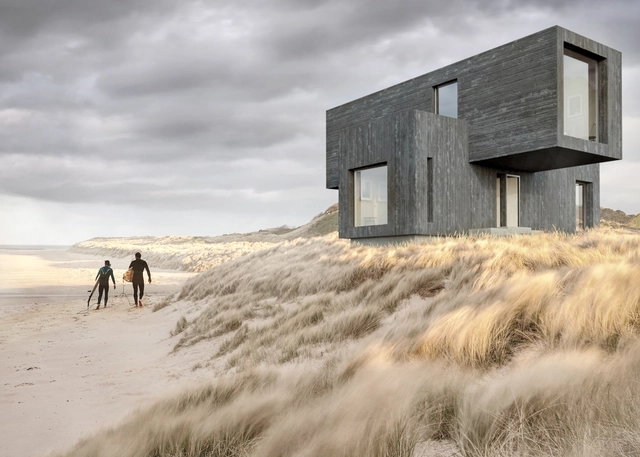
Dedicated to sustainability, Plant Prefab has partnered up with Koto Design to create 2 new Net-Zero LivingHomes. The prefabricated modular homes inspired by Scandinavian architecture, embrace biophilic and sustainable living.

Rwanda’s Bugesera International Airport to Set Records for Sustainability

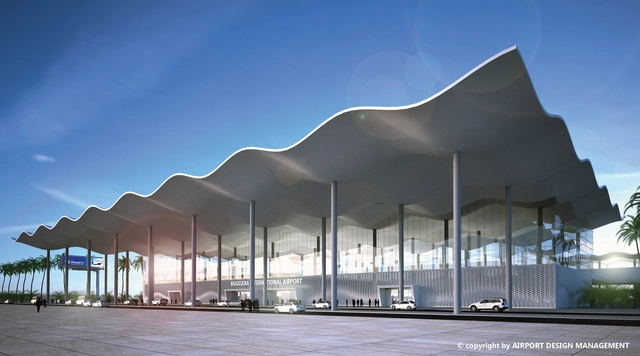
Rwanda’s largest publicly funded project, Bugesera International Airport is on track to be the first certified green building in the region. A few pieces of this net zero emission complex include: a 30,000 square metre passenger terminal, 22 check-in counters, ten gates, and six passenger boarding bridges. Funded by Public Private Partnership, the project is cost estimated at $414 million USD. The international hub was only one of several initiatives discussed by the Africa Green Growth Forum (AGGF) in Kigali at the end of last year.

The Trends that Will Influence Architecture in 2019

It is, once again, the time of year where we look towards the future to define the goals and approaches that we will take for our careers throughout the upcoming year. To help the millions of architects who visit ArchDaily every day from all over the world, we compiled a list of the most popular ideas of 2018, which will continue to be developed and consolidated throughout 2019.

Over 130 million users discovered new references, materials, and tools in 2018 alone, infusing their practice of architecture with the means to improve the quality of life for our cities and built spaces. As users demonstrated certain affinities and/or demonstrated greater interest in particular topics, these emerged as trends. 

U.S. Mayors Join Coalition for New Buildings to be Net-Zero by 2030

U.S. Mayors Join Coalition for New Buildings to be Net-Zero by 2030 - Image 1 of 4
Cornell Tech Campus. Image © Iwan Baan

A coalition of 19 U.S. mayors have joined together with C40, a group dedicated to climate action. The coalition has proposed a plan to ensure that all new buildings be net-zero by 2030. The cities are joining forces with the World Green Building Council (WorldGBC) to achieve their emissions goals. All cities in C40 have signed the pledge to ensure new buildings will be required to produce as much energy as they consume by 2030. The initiative is part of a larger plan to make all buildings net-zero by 2050.

Sustainability on Roosevelt Island: How Morphosis and Arup Are Making Cornell's Bloomberg Center Net Zero

Subscriber Access | 
Sustainability on Roosevelt Island: How Morphosis and Arup Are Making Cornell's Bloomberg Center Net Zero - Featured Image
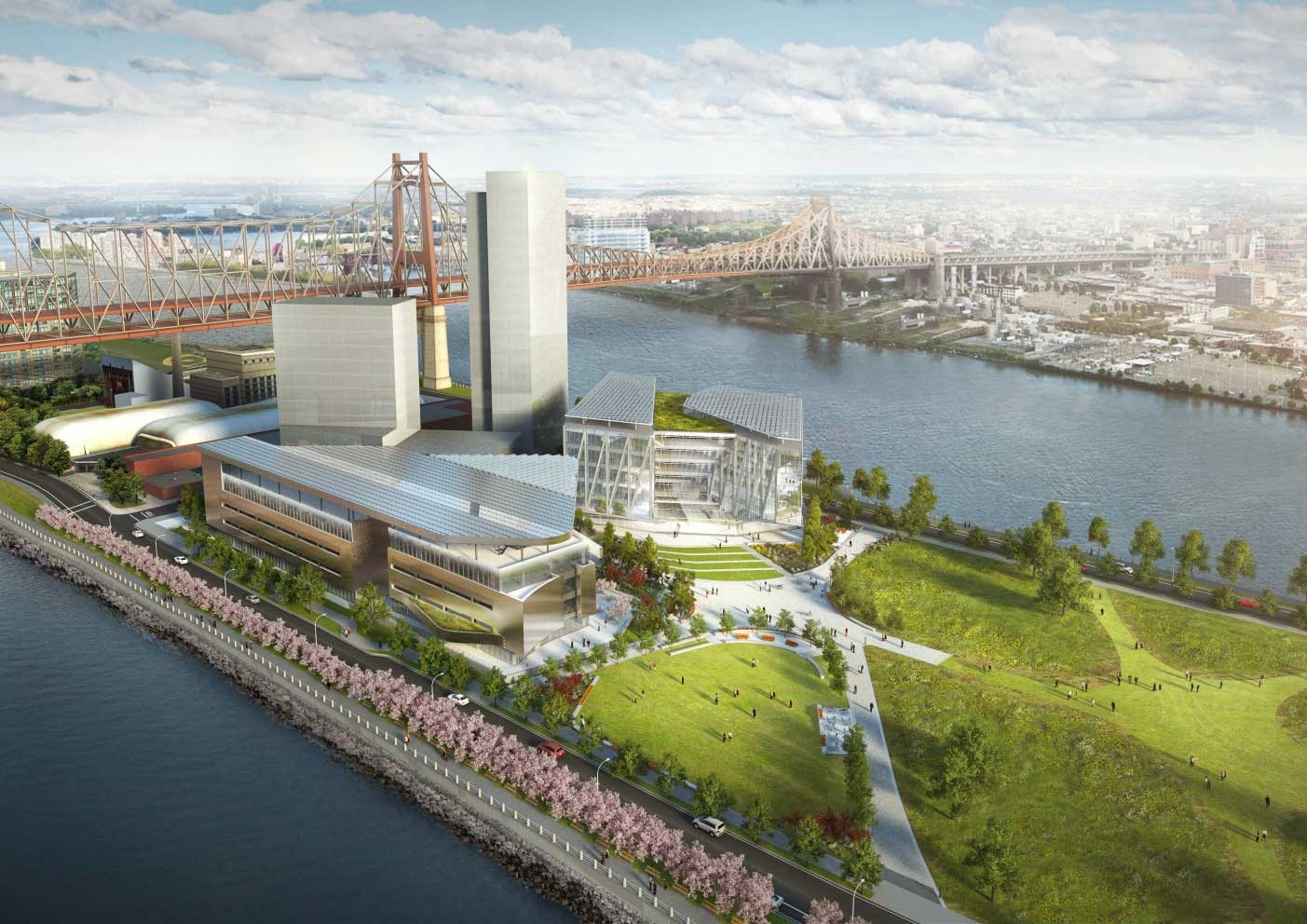
© Cornell University / Kilograph

When the first images of Cornell University's new campus on Roosevelt Island were unveiled last year, the First Academic Building (now known as the Bloomberg Center) was highlighted as a design driven by sustainability. In this interview, originally published by Arup's newly-revamped online magazine Arup Doggerel as "Net zero learning," Sarah Wesseler talks to members of the team from Morphosis, Arup and Cornell about how they designed the building to be one of the most sustainable education facilities in the world.

For its new tech-focused New York City campus, Cornell University set out to create one of America’s most sustainable university centers. With the net zero Bloomberg Center now in construction, I interviewed three leaders of the design team — Diana Allegretti, Assistant Director for Design and Construction at Cornell; Ung Joo Scott Lee, a principal at Morphosis; and Tom Rice, a structural engineer and project manager at Arup.

Sustainability on Roosevelt Island: How Morphosis and Arup Are Making Cornell's Bloomberg Center Net Zero - Image 1 of 4Sustainability on Roosevelt Island: How Morphosis and Arup Are Making Cornell's Bloomberg Center Net Zero - Image 2 of 4Sustainability on Roosevelt Island: How Morphosis and Arup Are Making Cornell's Bloomberg Center Net Zero - Image 3 of 4Sustainability on Roosevelt Island: How Morphosis and Arup Are Making Cornell's Bloomberg Center Net Zero - Image 4 of 4Sustainability on Roosevelt Island: How Morphosis and Arup Are Making Cornell's Bloomberg Center Net Zero - More Images+ 9