
-
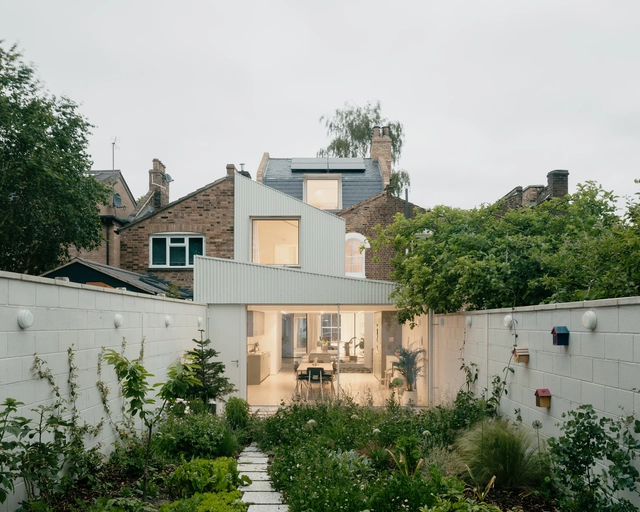
Architects: ConForm Architects
- Area: 188 m²
- Year: 2022
-
Manufacturers: Another Country, Direct Wood Flooring
-
Professionals: AroBuild
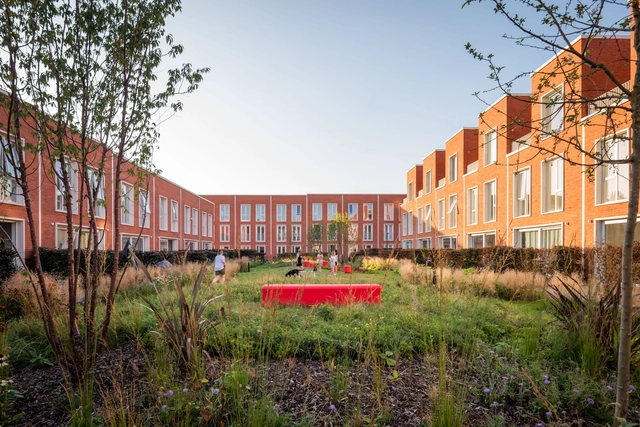
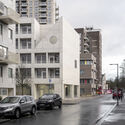
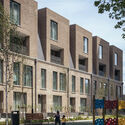
The Royal Institute of British Architects (RIBA) has announced the 30 winners of the 2023 RIBA National Awards for Architecture, providing an insight into the country’s architecture, design, and social trends. Among the key themes observed this year, the need to rebuild communities and to find sustainable ways of practicing stand out as the main concerns of the participant architects. The response to these themes is varied, ranging from buildings that aim to offer opportunities for collaboration for students to creating stimulating social spaces for the elderly or providing creative programs at a neighborhood scale. All the projects selected have been in use for at least one year and have provided data regarding their environmental performance. Examples of sustainable design include both new buildings, following the Passivhaus certification, and renovation of existing structures.
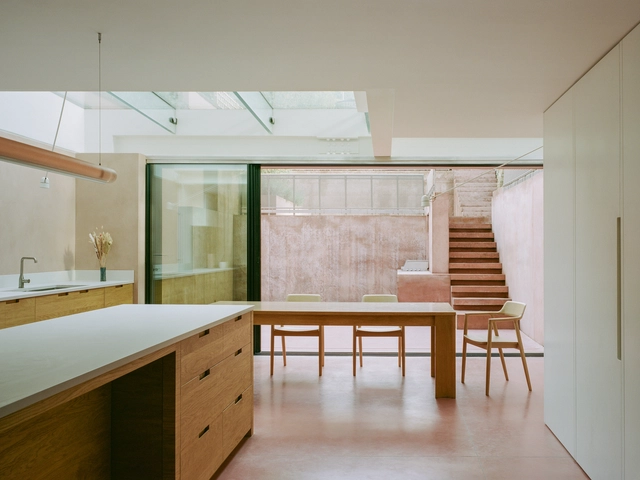
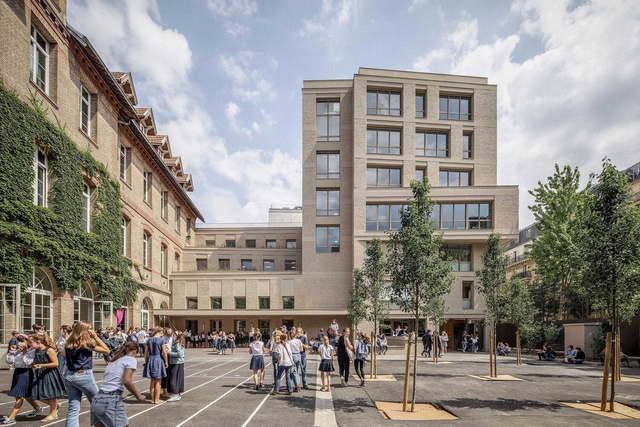
I always consider myself fortunate to have grown up outside the city, where my ‘cross-country’ lessons, for example –national right of hardship for 11-16-year-olds– were through the actual countryside rather than the high street. For many children, however, modern school life is not so close to nature.
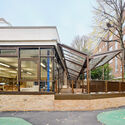
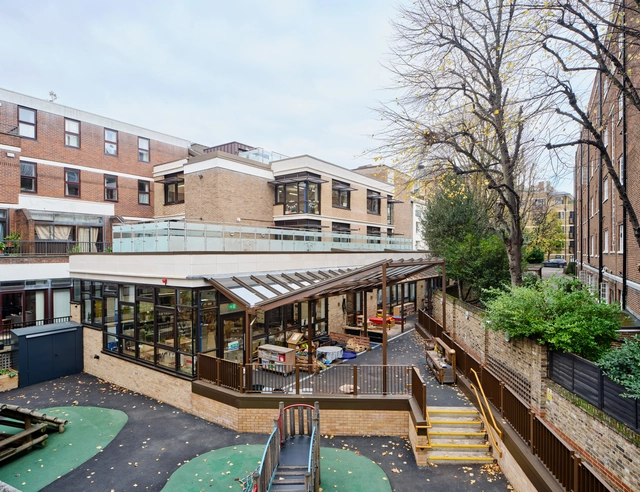
Already over-populated cities are continuing to expand, meaning more schools are suffering from the limitations presented by inner-city architecture including noise, air, and light pollution; a lack of space, especially green space; restrictive budgets and building regulations resistant to change.
With innovative and considered design solutions, however, these four inner-city schools show the rest of the class how to work through their architectural answers and provide quality, green spaces for all.

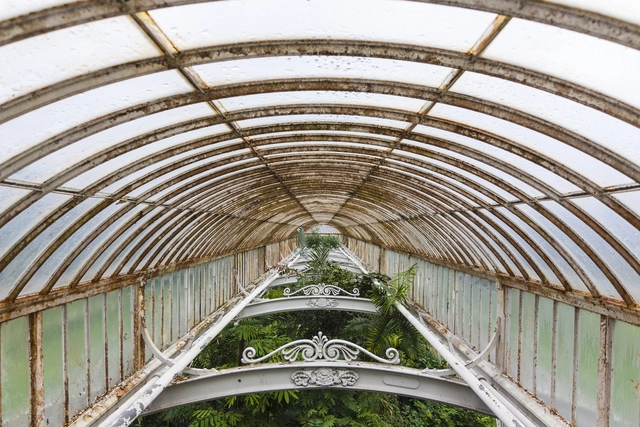
The greenhouse is a commonplace architectural typology, a frequent fixture in a host of cities, built to shield plants from the elements — from excess heat or cold or to prolong the growing season of crops. Evidence of the presence of greenhouses in some form stretches as far back as the 1450s during the Korean Joseon dynasty, but it is in the 1700s that the greenhouse was born as a specific architectural form. Glassmaking improved, and thus the largely transparent, wide-span structures we know today were born. Nestled under the intricate iron metalwork of greenhouses are also wider stories — of control and undeserved wealth, and resistance.

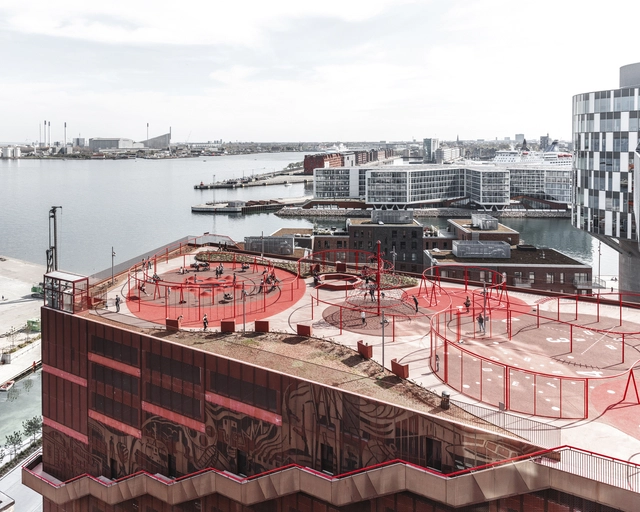
In increasingly denser urban environments, there is a new-found interest in underused spaces as opportunities for further development. Representing up to 25% of cities' land area, rooftops are among the most exciting spatial resources. From sustainable infrastructure and urban farming to social spaces and cultural venues, the article looks into the potential of creating a multi-layered city through the activation of urban rooftops.


The simple activity of taking a walk in the evening can easily turn from a relaxing leisurely activity to a dangerous endeavor by removing just one element from the streetscape: public lighting. While not often recognized as defining aspect of urban environments, artificial illumination has played an essential role in defining the character of modern cities. Crime control, the appeal of nightlife, the rise of the shop window, revolutionary movements, utopias, and ideals of social equity are all concepts whose development is tightly linked to the history of public lighting. Technological advancements over the past centuries have continuously shaped the appearance and symbolism of streetlamps. Still, the this element has remains a constant throughout its history.
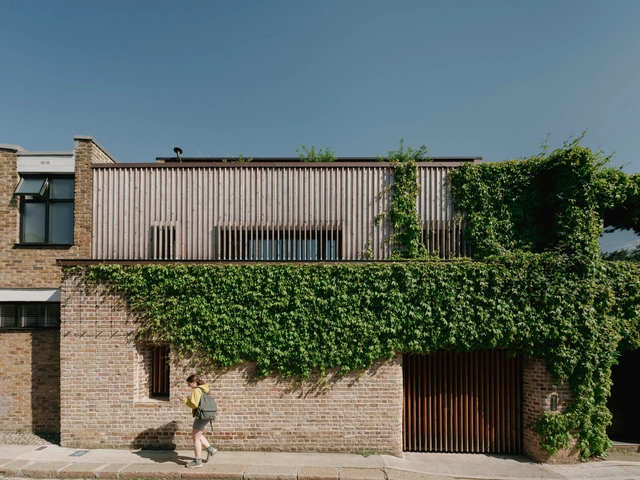
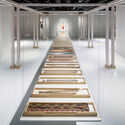
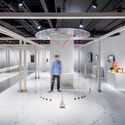
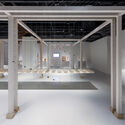
Max Fordham is pleased to announce a special exhibition celebrating the life and work of its founder, Max.
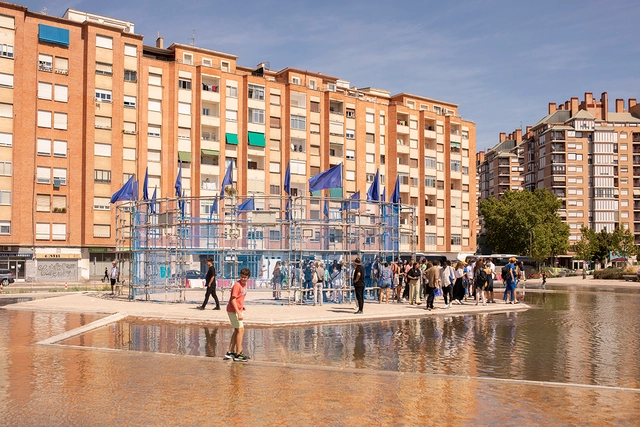
Biennales, exhibitions, and architecture focused festivals provide a platform for opening debates, conducting research, and driving innovation, but they can also contribute to the incremental changes that shape the image and the character of a city. Through temporary installations and experiments, this type of events have the opportunity to open lines on inquiry into the quality of urban spaces, inviting visitors and residents to slow down, break away from their daily routine and interrogate their local environments. The effects might not be immediate, but by cumulating these impressions and moments of contemplation, architecture and design festivals can have a long-lasting impact on the cities that welcome them.