The 22nd of March 2022 saw the twenty-ninth commemoration of World Water Day – as a worldwide water crisis continues to leave populations vulnerable. It is an extremely multi-faceted issue. Governance sadly determines water accessibility, with marginalized people disproportionally affected. Urban typologies are another factor. The over-pumping of groundwater sources to meet the water demands of Hanoi, for instance, has resulted in arsenic being drawn into Vietnam’s village wells.
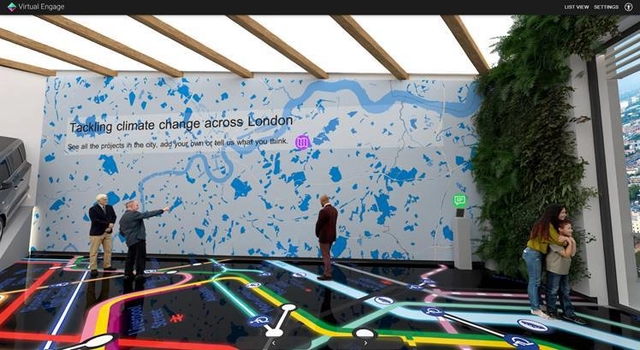
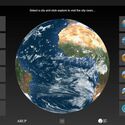
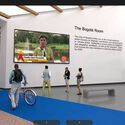
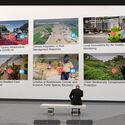
This week, the C40 global network of cities and engineering and sustainability firm Arup launched a virtual exhibition showcasing examples of climate initiatives and resiliency strategies from 11 cities committed to addressing climate change. Given that cities account for more than 70% of global carbon emissions, the Global Cities Climate Action Exhibition aims to highlight the role of cities in reaching climate targets through local policies and urban development plans, achieving tangible emission reductions and increasing social equity.
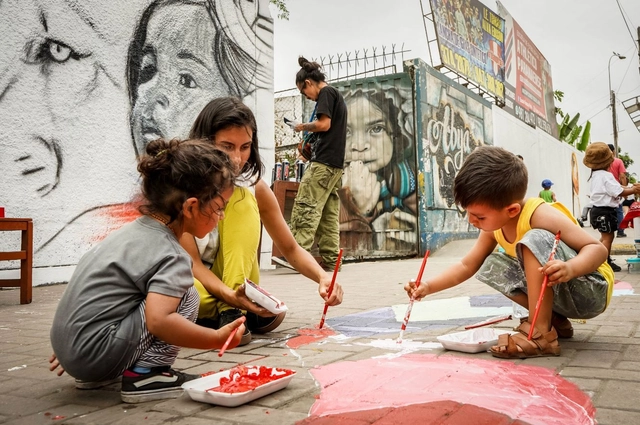
Lucía Nogales is the general coordinator of Ocupa tu Calle (Occupy your Street) —an UN-Habitat, Avina Foundation-supported initiative promoted by Lima Como Vamos— which focuses on 'citizen urbanism' for inclusive and resilient cities in Latin America.
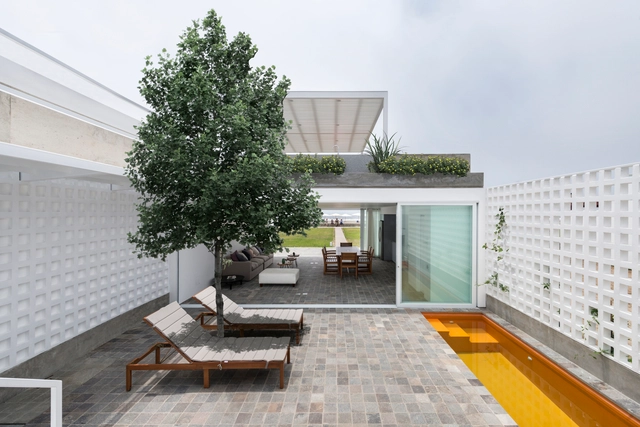
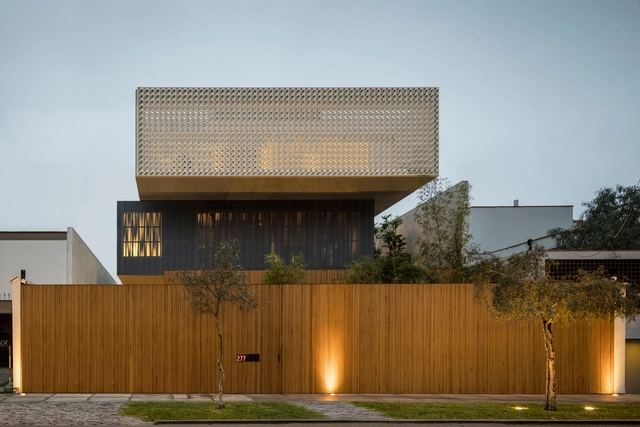
Manufacturers: Valcucine, Anonymous XVIII century, Carlos Cruz-Diez, Charlotte Perriand, Design Studio MK27, +27Erwin Hauer, Fernando de Szyszlo, Finn Juhl, Flos, Gervasoni, Gio Ponti, Greta Magnusson-Grossman, HAY, Hans Wegner, Hemp, Jader Almeida, Jean Prouvé, Jorge Cabieses, Jorge Zalszupin, Kalmar, Kettal, Kilim, Lina Bo Bardi, Lissoni, Living Divani, Muuto, Paola Lenti, Projecteur 365, Serge Mouille, Sérgio Rodrigues, Vico Magistretti, ZANOTTA-27
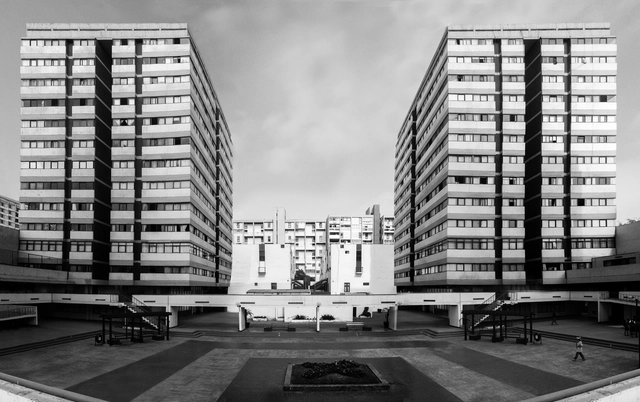
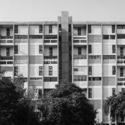
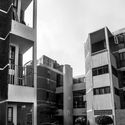
The San Felipe residential complex (Residencial San Felipe), designed and built by a team of architects from the National Housing Board between 1962-1969, is nestled on a 27 hectare lot in the Jesús María District in Lima, Peru. Dubbed as one of the most important infrastructure projects under President Fernando Belaúnde Terry, the housing complex is representative of the modernist ideology of the time that looked to traditional urban concepts to address the country's contemporary housing needs.
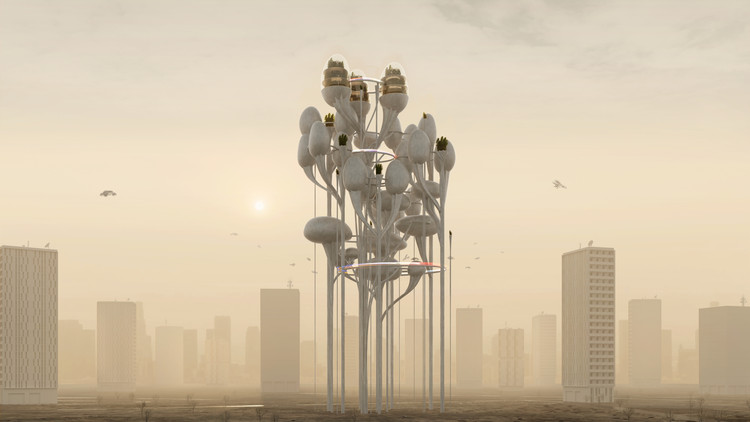
Force Majeure - Futura. Image Courtesy of Jeanne Schultz Design Studio
Putting together competition entries from all around the world, this week’s curated feature for Best Unbuilt Architecture showcases inspiring approaches and concepts. Submitted by our readers, the selection highlights uncommon proposals, part of international contests. While some are winning projects, others received honorable mentions.
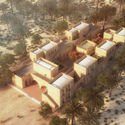
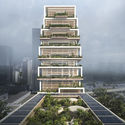
Serie imagines stacked timber pavilion-like offices, Schlaich Bergermann Partner, LAVA, and Latz + Partner design new pedestrian and cycle bridge over the Neckar River in Heidelberg, Germany and Aidia Studio create an Oculus in the Emirati desert. Other competition entries include a landscaped avenue by ZXD Architects in Hangzhou, a community school in Egypt by Hand Over, a winning pavilion for the Singapore’s Archifest 2020 by ADDP Architects and OWIU Design Studio; and a Baha’i House of Worship by SpaceMatters in India.
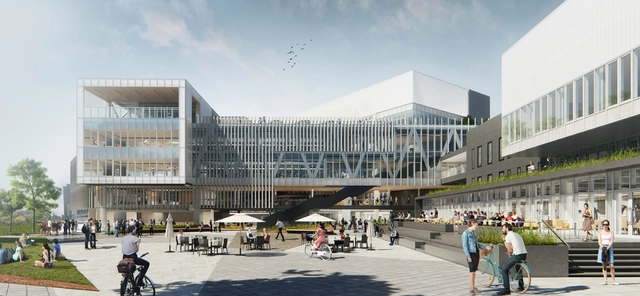
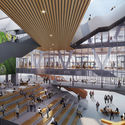
The Universidad de Lima, the most influential institution in Peru, is expanding its campus, in the heart of the capital, to offer a new learning experience, a never seen before novelty amongst the schools in Latin America.
The project’s main purpose is to create the whole college town, usually found abroad, in its central location in Lima. This innovative approach comes from the understanding of the importance of the concept of “university-cities” as a key economic driver. In fact, the master plan suggests making the campus as inclusive as possible, by putting in place all the facilities needed for students to actually linger.
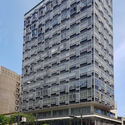
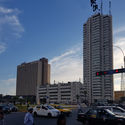
As tends to occur in various Latin American capitals, the historical center of Lima —also known as Cercado de Lima— faces simultaneous processes of deterioration, conservation and transformation. Wandering through its streets, its neo-colonial and republican architecture mixes with some major architectural projects which came about during Peru's modernist movement: "golden age" of public architecture during the mid 20th century.
In 1947, the invasion of Agrupación Espacio, the remodeling Lima's Plaza de Armas and the widening of streets such as Tacna Avenue and Wilson Avenue kickstarted Peru's entrance into the modern movement. In Lima's historic center the works of Enrique Seoane Ros and Walter Weberhofer introduced a new formal and structural language to the streets, with projects that reveal the city's structural elements, functional designs, windows, terraces and commercial buildings, exemplified by an optimistic vision of the future. Despite initial reluctance, all of these projects were backed by a state that enthusiastically focused on planning for over two decades in the design of its cities and the construction of large neighborhood units, such as PREVI and the San Felipe Residential.
Architects Alejandra Acevedo and Michelle Llona explain that despite its undisputed legacy, the modernist movement in Peru is not legally protected. As authors of the important text CAMMP, the two aforementioned architects authored a book that informed the approach of this article. In this new addition to our Spanish-language guides of modern Latin American architecture, we present 16 historical projects from the historic center of Lima, complete with a map and suggestion for a 3-hour walking tour.
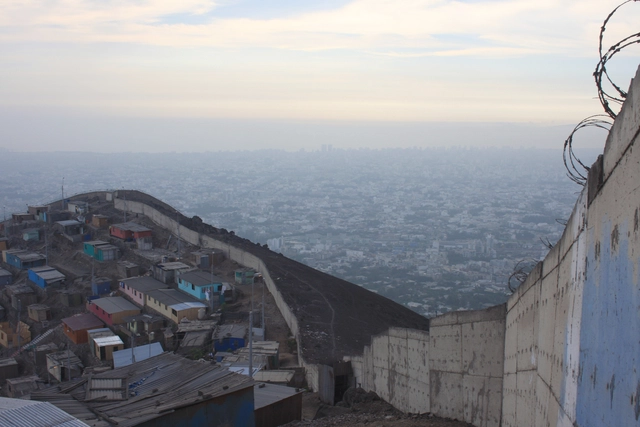
Warning: this article proposes a narrative according to the route taken from one side to the other of the wall, from the predictable to the most unpredictable. To better situate ourselves, the narrative will be told through my personal experience.
"Do you know the wall that divides the rich from the poor?," asked three Greek travelers who, after visiting the "pretty" side of Lima, suspected that something was hiding behind appearances. But, "how is it that from, even though you're from the other side of the world, you knew about the wall?" Well, news travels. And "why is this wall something that has to be seen in our city?" if it's not a cause for pride. I knew exactly what they were talking about. I spelled it out: the wall of shame. Certainly, I wasn't familiar with it in situ either, since I hadn't left my urban bubble, like many of those who live in these parts, so with the same curiosity, as a tourist of my own city, we made our way.
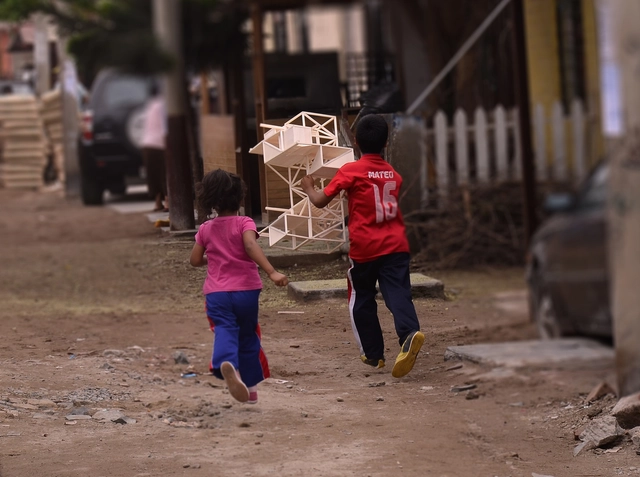
The architectural model: a tool, a sculptural artifact, a prized possession, and yet in the digital age of BIM and Virtual Reality, perhaps becoming an enigma, a relic for settling dust. And yet, we are still making them. If you imagine that famous photo of earth from space, of every model ever made in a single image, it raises the question - where are they all? Where does the architectural model go to die?



.jpg?1607385552 "© Fernando Guerra | FG+SG")
.jpg?1607382369 "© Fernando Guerra | FG+SG")
.jpg?1607382663 "© Fernando Guerra | FG+SG")
.jpg?1607382845 "© Fernando Guerra | FG+SG")