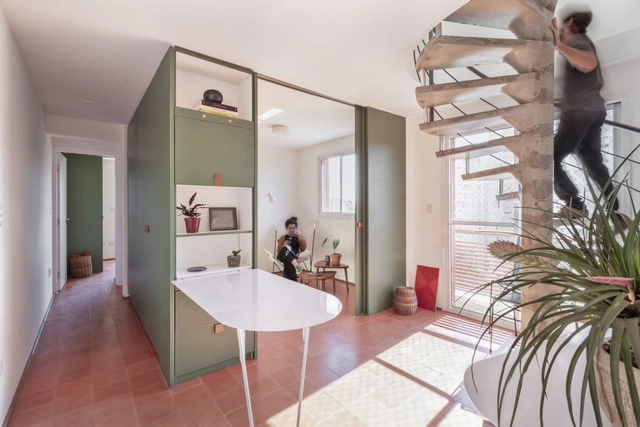
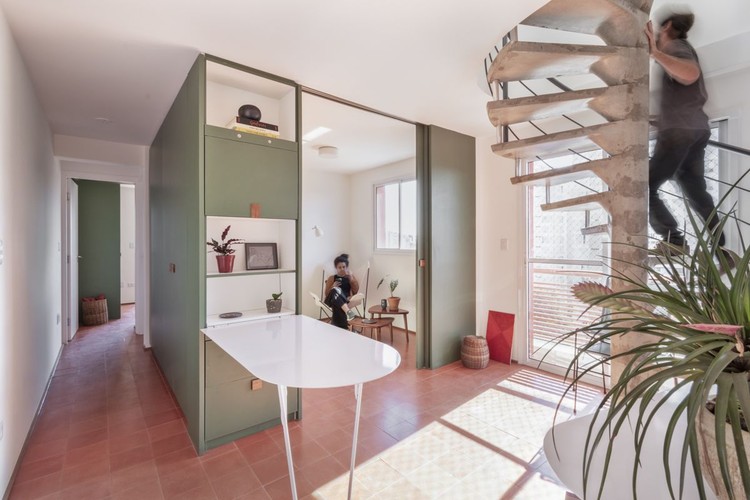
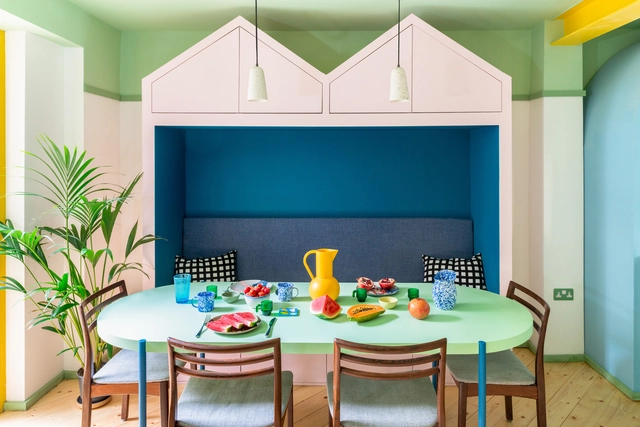
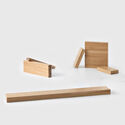
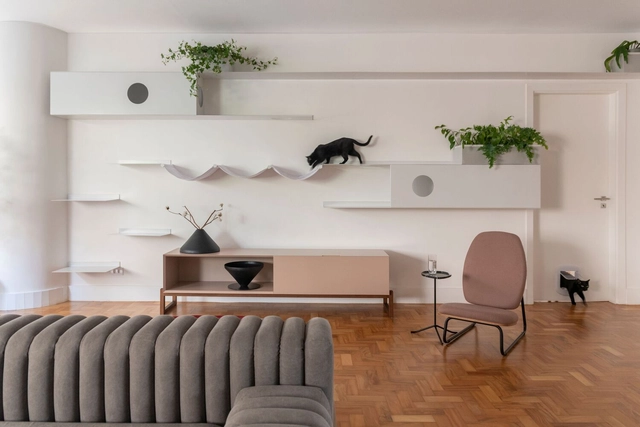
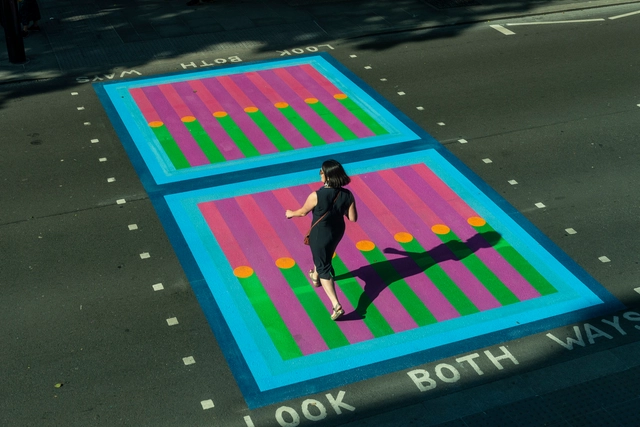
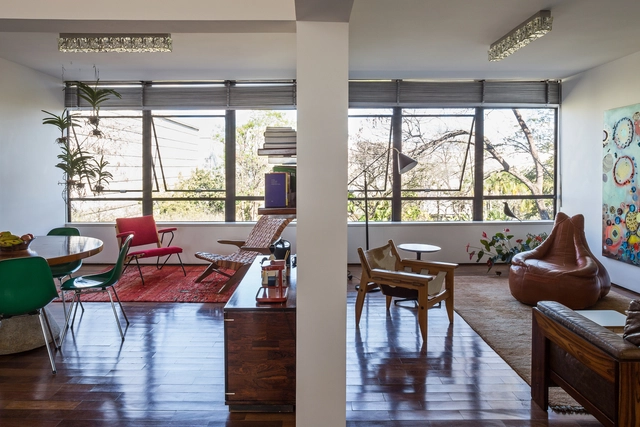
Many architectural projects have been giving special attention to cabinetry and built-in furniture. These custom-made wood pieces are designed for specific purposes and can be used to organize the space, which can be living rooms, bedrooms, studies, kitchens, and bathrooms. Besides functionality, these elements also introduce different materials, textures, and colors into the environments. This article will explore some examples of how colorful cabinets and furniture can make architectural projects more vibrant.
Sun protection is a universal need for human beings. While sunlight benefits our health and mood, it is also essential to protect ourselves from its harmful effects on our well-being and comfort. Throughout history, architecture has provided solutions to this need by offering shelter and comfort in shaded areas. Since ancient Egypt, sunshades made of palm leaves attached to a pole have been used to protect against the sun in open spaces.
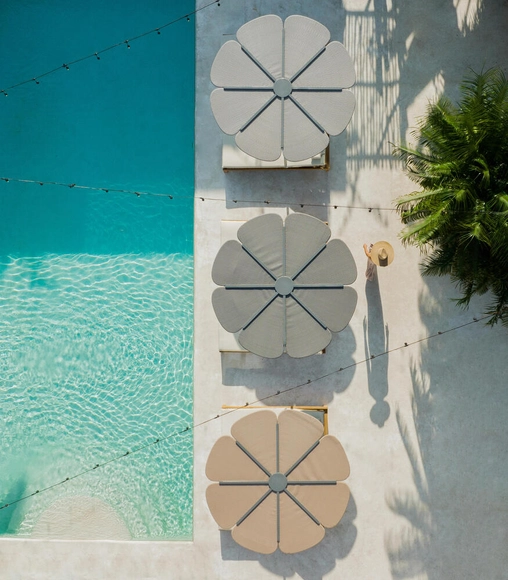
Thanks to contemporary materials, we can now develop more durable outdoor structures and furniture than the palm leaves used by the Egyptians 4000 years ago. This has resulted in lightweight and aesthetically pleasing structures that resulted from the designs and materials that emerged in the 20th century. Although these designs are not made from natural elements, they incorporate pieces that replicate their characteristics, providing shade with unique shapes and a distinctive design. In this context, cbdesign has created the Daisy umbrella. This flower-shaped parasol reproduces the colors found in natural surroundings, such as the sea, yellow frangipani, the blue sky, and purple bougainvillea.
https://www.archdaily.com/1002858/aesthetic-accents-flower-shaped-umbrellas-that-fuse-beauty-and-utilityEnrique Tovar
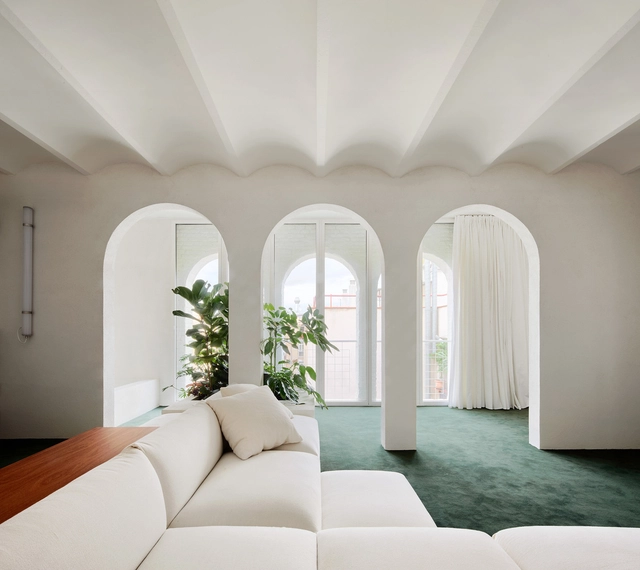
Although the use of arches in architecture dates back to the 2nd millennium B.C., it was the Romans who solidified them as both an engineering element and a symbol of military victories, which we now see excessively as memorial arches. Shortly after, different civilizations and cultures adopted the arch for their own purposes, bridging together structural necessity and aesthetics. In this article, we look at how arches evolved from significant structural elements to captivating decorative details.
As true spatial orchestrators, architects’ expertise extends beyond the mere construction of buildings, often transcending the physical realm of design. They possess the unique ability to craft spaces that are not only visually appealing, but that also feel welcoming, harmonious, and, above all, functional. Embracing this vital role involves careful consideration of all the bits and pieces that make up a project; from a building’s foundations to a sofa, architects must ensure that all the elements, in every scale, tie together in a way that is cohesive and positively influences our everyday lives.
Social by Snohetta for Varier. Image Courtesy of Mishael Phillip Fapohunda
Milan Design Week is an annual festival that returned to Milan this April, with as a main event, The Salone del Mobile, which runs from April 18 to 23, 2023, at the Fiera Milano exhibition venue. Over 370,000 people attended the furniture fair this year, while thousands of design studios presented furniture, lighting, appliances, kitchen, bathroom, outdoor and workstation products. To highlight furniture and object design and the broader context of Milanese architecture and culture, many architectural offices collaborated with various businesses to make architect-designed items and construct architectural installations.
Reputable architects participated in the week-long event as they do every year, using products, furniture, and installations to share their expertise, address some of the most pressing issues facing the field, and demonstrate how their work can benefit the environment and society. Many firmly established architecture studios, from Foster + Partners, Mario Cucinella, and Hassell, designed various products. Furthermore, architects such as The New Raw, Snøhetta, and Studio Etienne Bastormagi have designed products focusing on efficient and sustainable systems that can inform future decision-making.
If anyone can be said to know about the wishes and dreams of brides-to-be, surely it's those behind the creation of that mythical matrimonial object, the wedding dress. For more than 30 years, one of Sweden’s most famous fashion designers, Lars Wallin, has created dresses for women about to live, what is for many, the ultimate romantic experience. And with his design for a recently finished bridal suite at Gothenburg's SAS Radisson, Wallin has demonstrated not only his haute couture finesse in realising dreams of glamour and romance, but also an ability to seamlessly transfer his creative talents from the boutique to the bedroom.
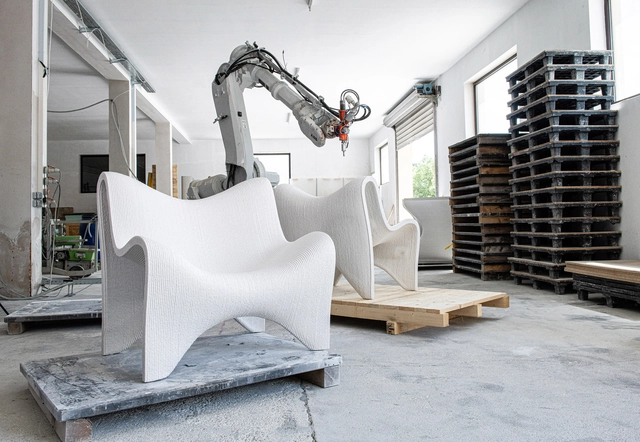
Can you imagine being able to prototype a piece of furniture at the touch of a button and testing it in just a few hours? This might become a common practice sooner than we may think. Fueled by material innovation, automation and cutting-edge technology, a new era in home decor is emerging; one where 3D printing opens up a world of creative possibilities that transcend the bounds of traditional design. Yes, furniture is still mass-produced using conventional methods –molding, cutting, bending–, but 3D printing continues to disrupt the industry. As the revolutionary technology evolves and becomes more accessible, it has unleashed an unparalleled level of creative expression and efficiency. The concept is simple: a digital design is created using 3D modeling software and then printed, layer by layer, in the form of a physical object, bringing complex geometries to life. It’s a whole new kind of digital craftsmanship.
Playfulness is a concept often attributed to children and hardly connected with adult life. In architecture, projects dedicated to childhood propose a combination of objects, colors and solutions to encourage imagination and break the rigidity of spaces. In contrast, most conventional projects are limited to regularity and stamp the sobriety of adult life.
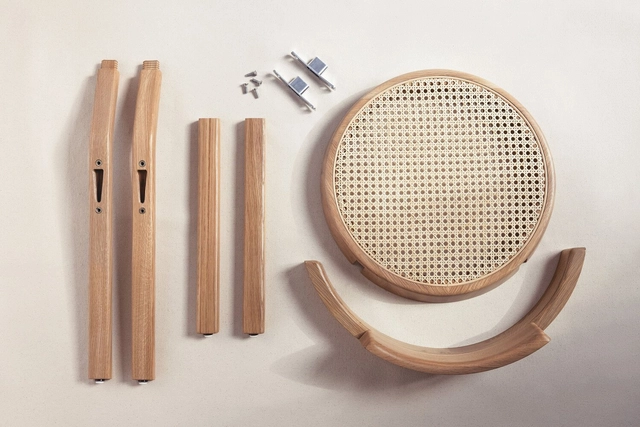
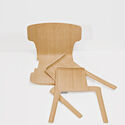
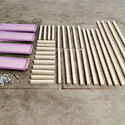
Design for assembly (DFA) is hardly new. Thonet’s 1859 No. 14 chair, when disassembled, could be shipped in batches of 36 per 40-square-inch box.
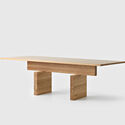
Those cost savings tied to DFA are still valuable. And as it helped revolutionize shipping in the industrial era, it now carries prestige as a powerful carbon-reduction tool. In fact, DFA is currently the distinguishing feature of at least six highly visible product launches among commercial furniture manufacturers in just the past year.
In architecture, the most common is to design for humans only. However, covering the scope of the project for other species is an exercise that has been proposed in several orders. From specific furniture to interior design planned for the animal, the possibilities of creating a more playful and comfortable ambience, both for humans and animals, are diverse.
LetsBringLondonTogether. Image Courtesy of Yinka Ilori
PARABLES FOR HAPPINESS by the London-based British-Nigerian designer Yinka Ilori features for the first time at the Design Museum in London. Exhibited from September 25, 2022, to June 25, 2023, essential aspects of Ilori’s work will be placed beside key influences, including artworks, photographs, and furniture, to Nigerian textiles. Curated by Priya Khanchandani, the exhibition celebrates Ilori’s mix of cultural influences and unpacks the ingredients of a diasporic visual language.
In the architectural conversations we are having in today’s world, conversations on materials are widespread. There is discussion on the viability of concrete in the contemporary context, how timber can be more sustainably sourced, and on how biodegradable materials such as bamboo should be more common sights in our urban environments.
But we also need to be talking about what goes into these buildings – that is, the furniture that decorates, enhances, and makes habitable the buildings around us. The materials used to craft these objects have constantly evolved over centuries, and as we approach the end of 2022, it’s worth asking – what does the future hold for what our furniture will be made from?
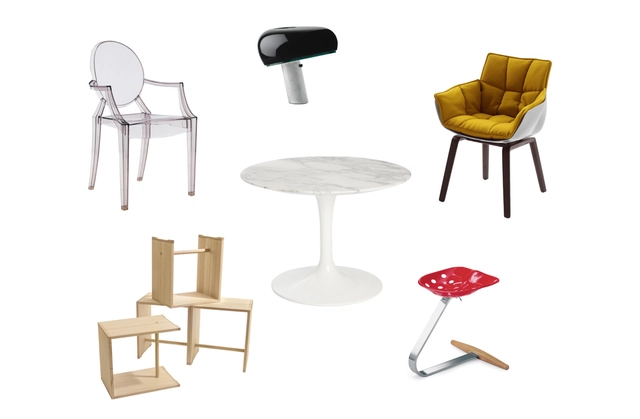
Never not en vogue: Philippe Starck’s Ghost chair by Kartell, the Snoopy lamp by Achille Castiglioni for Flos, Patricia Urquiola’s Husk Chair by B&B Italia, the iconic Zanotta Mezzadro stool by Castiglioni, Eero Saarinen’s Tulip table as part of the Pedestal Collection for Knoll International and Max Bill’s Ulmer stool, produced by wg form
Sustainability is on everyone's lips these days – but mostly with a view to the future and the question of how it is possible to use fewer resources, produce more sustainably and reduce waste. However, sustainability can also be lived with a view to the past or the present – namely with a domestic environment that consists of durable furniture designs that outlast trends and never go out of fashion. In the third part of our series on design icons, we put Philippe Starck, Eero Saarinen, Achille Castiglioni, Patricia Urquiola and Max Bill in the spotlight with their evergreen furniture icons, which can be found on architonic.com.
With all of the strange residential interior design trends that are making a comeback, conversation pits are probably one that you wouldn’t expect. This well-known 1970s design feature feels both very retro and modern, providing a comfortable place to lounge and a complete escape from the distractions of television and cinema. Instead of a design that supports and enhances a digital connection, having a large area to sit, and quite literally conversate, might be the space that we all need.
Alphabet of light by BIG x Artemide. Image Courtesy of Artemide
Following two years of delays and cancellations, this year's Milan Design Week saw thousands of designers, artists, and craftsmen put their skills on display and present different solutions for the future of manufacturing, interior design, materials, and the environment. As every year, renowned architects also took part of the week-long event, using products, furniture pieces, and installations to share their professional angle and answer some of the biggest questions of the practice, showcasing how it can contribute to the betterment of the environment and society as a whole.
Focusing on sustainability and environmental awareness with respect to furniture production, this year's architectural contributions at Salone del Mobile saw innovative takes on “inclusive” design.
This year's architectural contributions, which were on display across the busy streets of Milan, Brera design district and botanical garden, Alcova, BASE, and other cultural venues, highlighted this year's Milan Design Week theme of sustainability and environmental awareness with respect to furniture production.
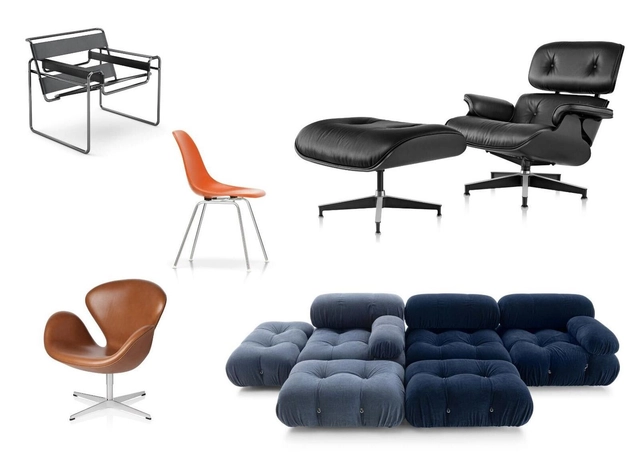
The Wassily Chair by Knoll Int. next to the VITRA/Herman Miller Eames Lounge Chair, B&B Italia's Camaleonda Sofa and the VITRA Plastic Side and Fritz Hansen's Egg Chair
In a way, classic furniture is like a mixture between a work of art and a gold bar: it is a safe investment and can often even increase in value with age. In our second selection of design icons from the 20th century, we present Ray and Charles Eames, Marcel Breuer, Arne Jacobsen and Mario Bellini and some furniture pieces from the past century that remain more modern today than ever, in terms of not only design but also comfort. Find out more on the Architonic Platform.
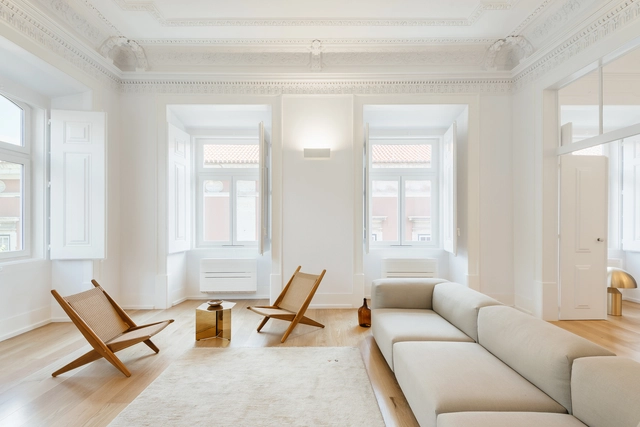
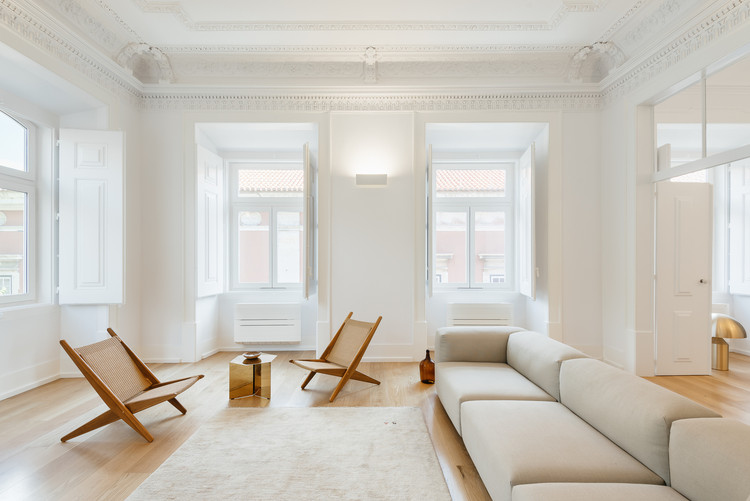
Furniture has a direct impact on the quality of interior design projects. Among other features, its presence blends with the function of the spaces, setting a boundary between them.
An internal space with neutral colors, for example, might highlight certain furniture that, beyond fulfilling their function, also assumes a contemplative profile. These pieces of furniture have become iconic by their design, which, in some cases, were created by great names of architecture that explored this field and drew pieces that represented their style.