


-
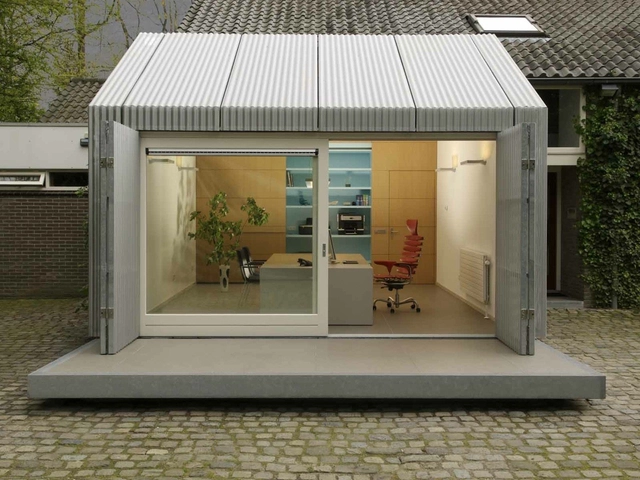
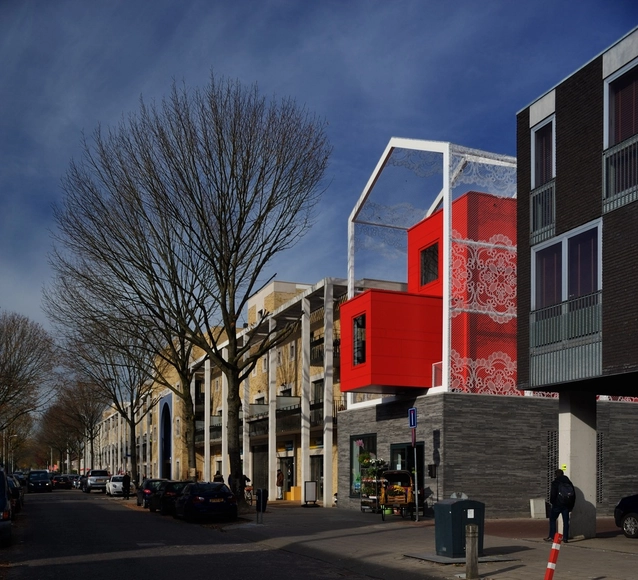
Architects: Bas Termeer Architect
- Area: 173 m²
- Year: 2015
-
Professionals: Stam + De Koning
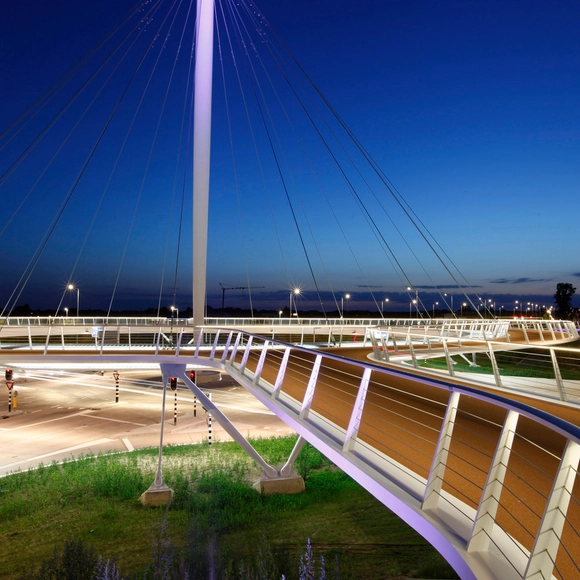
WIRED Magazine has created a list of Eight Cities That Will Show You What The Future Will Look Like in the latest edition of their design issue. In the relatively short span of time that humans have been planning cities, more and more decisions have been made that have shaped the path of new technologies and methods that will make cities better. Such projects—like new streetlights, bicycle infrastructure, and traffic-sensitive museums—highlight some of these advances in the urban lifestyle.
"The cities of tomorrow might still self-assemble haltingly, but done right, the process won’t be accidental. A city shouldn’t just happen anymore. Every block, every building, every brick represents innumerable decisions. Decide well, and cities are magic," writes Wired author Adam Rogers. Read on after the break to see how 8 different cities from around the world are implementing innovative projects.
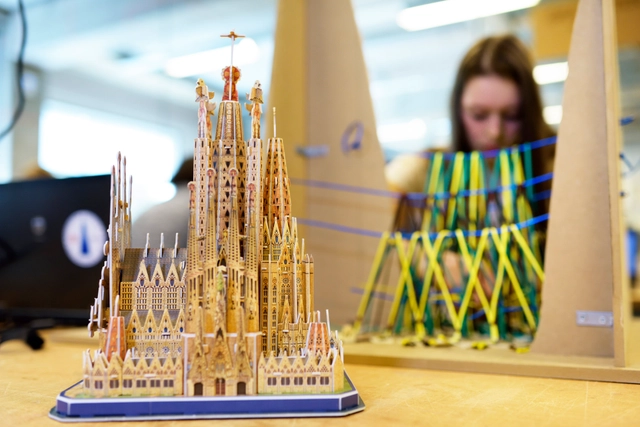
A team of students from Eindhoven University are set to build a forty metre high model of Antoni Gaudí’s Sagrada Familia out of 'ice'. The project, which follows their completion of the world’s biggest ice dome last year, will be constructed from pykrete and reinforced with wood fibres. The fifty-strong team will head to Finland on the 28th December 2014 to begin construction of the impressive 1:5 scale model, which will be built in only four weeks in order to officially open in the last week of January 2015.
Read about their unique construction method and see photos of the preparatory work after the break.
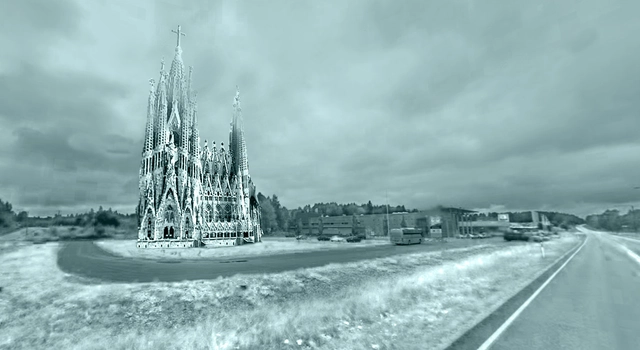
A team of students from Eindhoven University are to build a forty metre high model of Antonio Gaudí's Sagrada Familia. The project, which follows the completion of the world's biggest ice dome last year, will be constructed from pykrete and reinforced with wood fibres. Impressively, the 1:4 scale model will be built in only three weeks. Thin layers of water and snow will be sprayed onto large, inflated molds. The pykrete (water mixed with sawdust) will be immediately absorbed by the snow before freezing. According to the organisers, "the wood fiber content makes the material three times as strong as normal ice, and it’s also a lot tougher." Find out more about the project here.