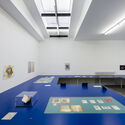

-
Architects: Meyer-Grohbrügge
- Area: 1558 m²
- Year: 2020
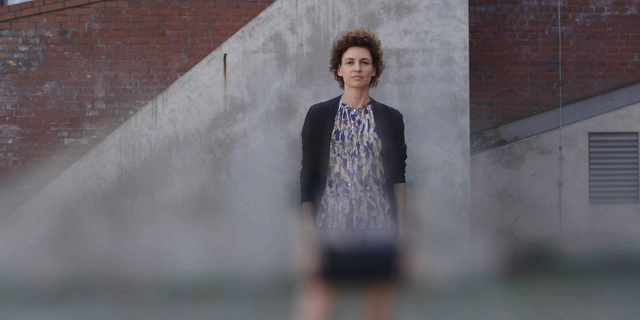
From ending up by accident in architectural studies, to eventually falling in love with the complexity of the field and the multitude of its layers, Johanna Meyer-Grohbrügge was amazed by the dual nature of architecture; its intellectual aspect, and physical outcome. Founder of Meyer-Grohbrügge in Berlin, the architect, and her studio seek to spatialize content, create relationships, and find solutions for living together.
With Toshiko Mori and Gabriela Carrillo, Johanna Meyer-Grohbrügge is part of a new documentary titled "Women in Architecture", premiering on November 3rd. The film by Sky-Frame, in collaboration with ArchDaily, and directed by Boris Noir is a catalyst for debate on one of the most pressing topics in architecture.
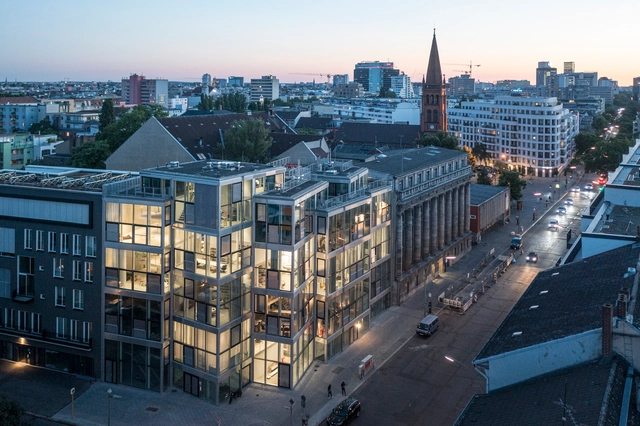
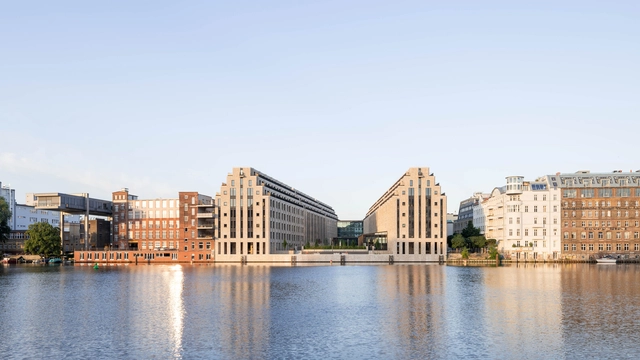
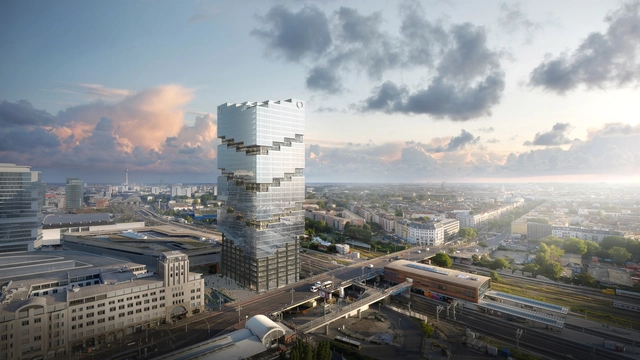
The third tallest building in Berlin, a 142 meters high-rise by Bjarke Ingels Group (BIG), is expected to be completed by 2023. Located close to the Warschauer station and the Mercedes-Benz Arena, The EDGE East Side will be a vertical hub of 65,000 square meters that connects two of Berlin's most vibrant and artistic suburbs: Friedrichshain and Kreuzberg.
Blending contemporary urban requirements and natural elements, the structure will feature 360 views of East Berlin and 36 floors of shared and dedicated workplaces. Some building sections will serve organizations or individuals focusing primarily on sustainability, education, or social issues. The tower will also host Amazon's offices, with room for up to 3400 employees.


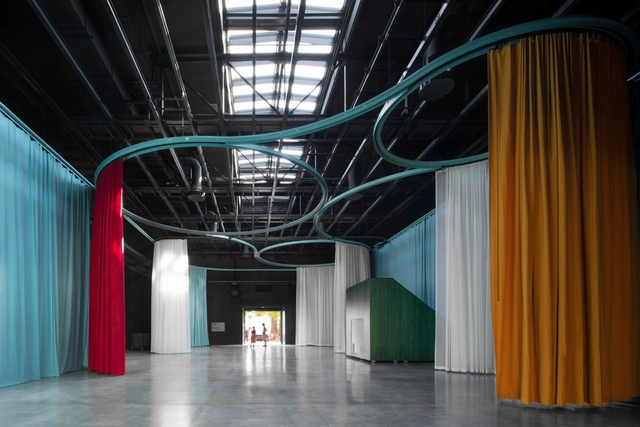
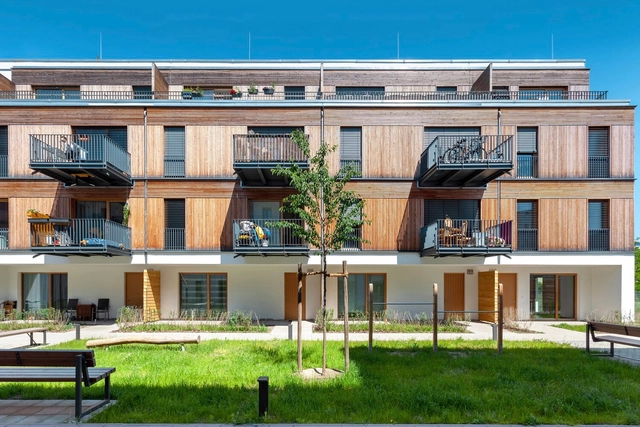
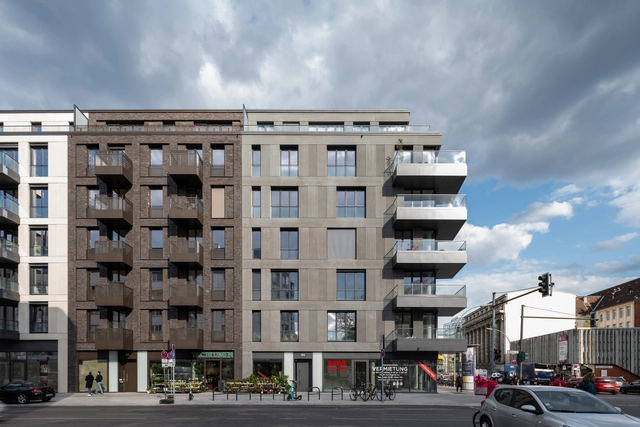
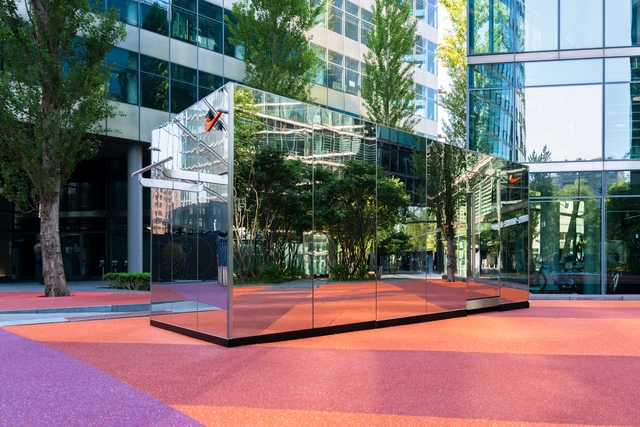

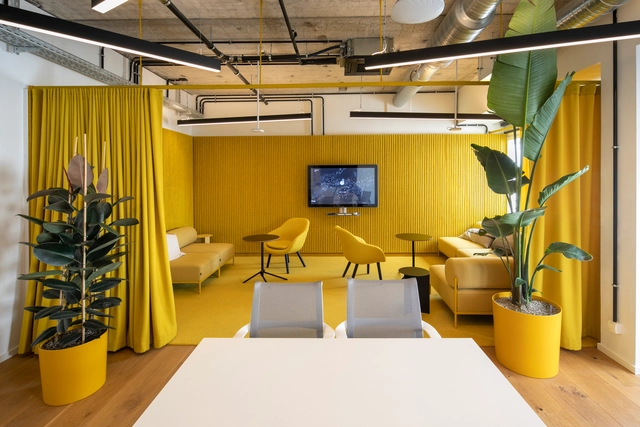
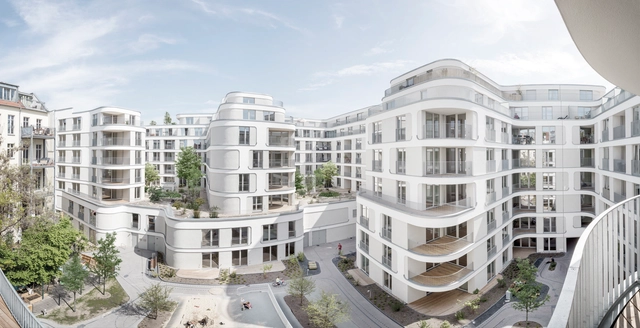
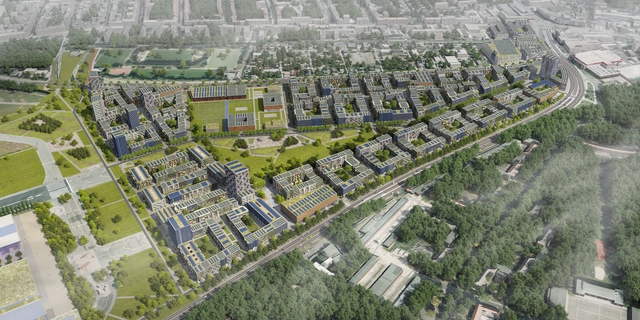
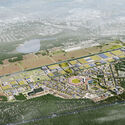
The former Berlin-Tegel Airport is set to be redeveloped. The master plan includes the Schumacher Quartier, a new residential district with 200 hectares of landscaped area, and a research and industrial park for urban technologies, Berlin TXL – the Urban Tech Republic. Besides creating a space for industry, business, and science, the innovation park aims to research and test urban technologies. The park will focus on major themes in the development of cities: the efficient use of energy, sustainable construction, eco-friendly mobility, recycling, networked control of systems, clean water, and the application of new materials.

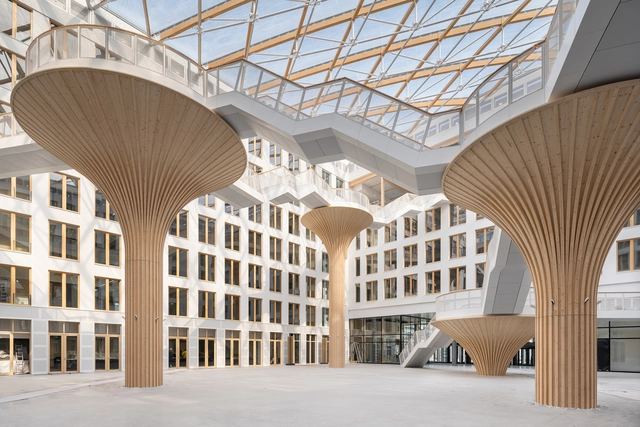
Located in the area between Sachsendamm and Berlin Südkreuz S-Bahn train station in Schöneberg, a new mixed-use complex, EDGE Suedkreuz Berlin, was completed last month by Berlin-based architect Sergei Tchoban and his firm Tchoban Voss Architekten with additional offices in Hamburg and Dresden. The complex comprises two freestanding structures—a larger Carré Building and a smaller Solitaire Building. Together they occupy their own block. The pair is now the largest hybrid-timber complex of buildings in Germany and one of the largest in Europe.

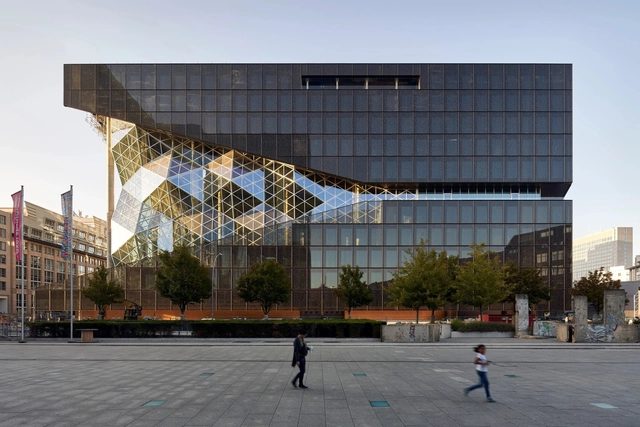
Berlin is a city defined by an eclectic mix of style and a rich history. It's built environment has been dramatically shaped by a series of municipal construction programs, and in turn, a past of extensive demolition, planned residential areas, and diverse new cultural projects. Combined with influences across Europe, Berlin's contemporary architecture showcases new ideas on building concepts, forms and facades.
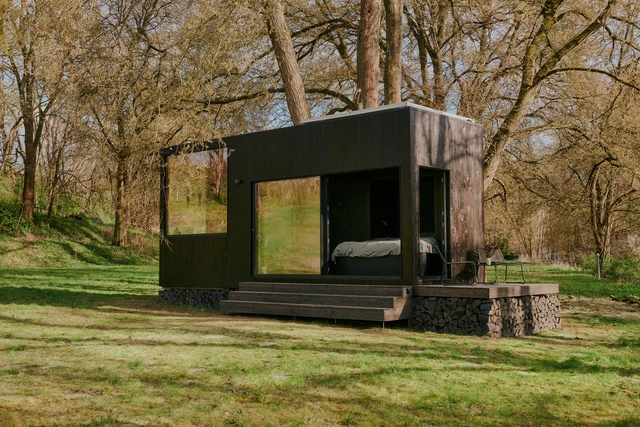
Berlin-based hospitality tech start-up Raus has collaborated with Danish designer and architect Sigurd Larsen to create nature-inspired cabins in the middle of nature. The small retreats are designed with eco-friendly features, offering city dwellers the opportunity to escape the bustling city life, and stay in a chalet that combines art, culture, and nature. The cabin will be temporarily located on the grounds of Wehrmuehle in Biesenthal, Brandenburg, and will soon expand beyond Germany and its borders.