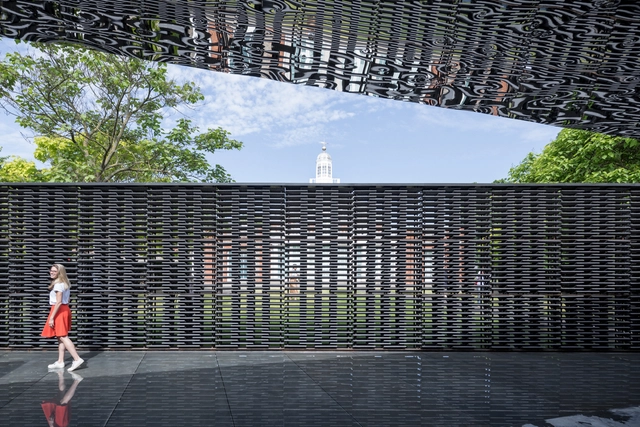
The Metropolitan Museum of Art in New York has selected Mexican architect Frida Escobedo to design the new $500 million modern and contemporary art wing. The Met does not have, until now, a thematic area that would house pieces corresponding to this temporality in art.
Ever since the period of the Renaissance in Europe, the indivisible relationship between art and architecture has long been heatedly discussed and vividly reflected in numerous classical books and buildings. With the deep connection that unites art and architecture together, designers, artists, and architects have been actively collaborating and came up with solutions on how we can house and exhibit art in the form of changing spaces.
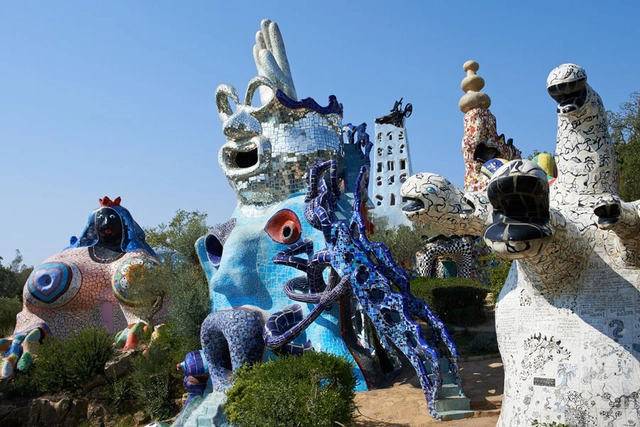
Tarot is often described as a mirror of the soul. Much like the spaces we inhabit, we can look at the symbols housed within the 72-card deck and see reflections of ourselves and our belief systems. The object and practice itself contain many architectural associations: It’s not uncommon for words like “structures,” “foundations,” and “home” to come up in a tarot reading. Traditional cards depict towers, castles, and churches. Sometimes the cards are described as keys, sometimes as gateways.
https://www.archdaily.com/959469/the-fantastic-architecture-of-niki-de-saint-phalleLeilah Stone
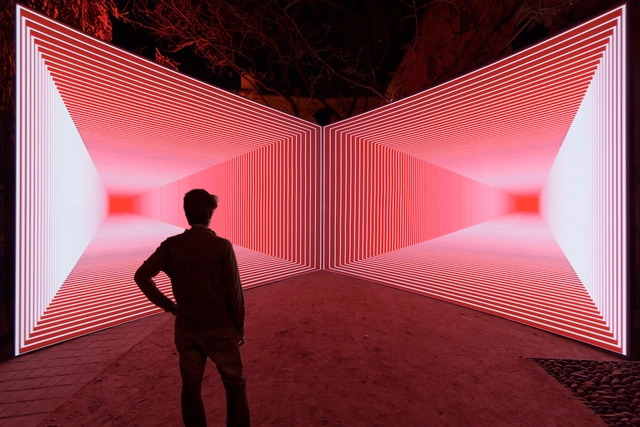
Using and controlling light can change the perception of a place; users perceive and feel the space differently depending on factors such as the type of light switch, color variations, and combinations. When used in temporary installations, light can break the boundaries between art and architecture, and also between tangible and intangible, transforming the elements of the project and creating new shapes and patterns.
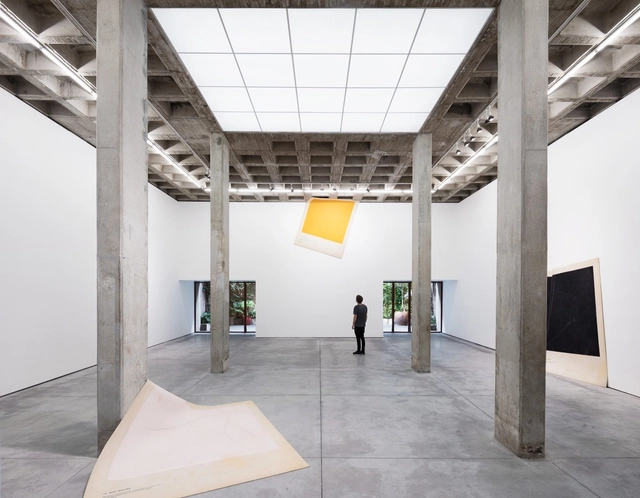
Overall, when designing exhibition spaces, certain aspects contribute to an effective display of the pieces: diffuse lighting, spatial distribution, and high ceilings are some of them. The combination of these features with rooms that are able to transform themselves (using elements that can be perforated, repainted, and adapted according to each exhibition), is common in many art galleries, expressing the dialogue between art and architecture.
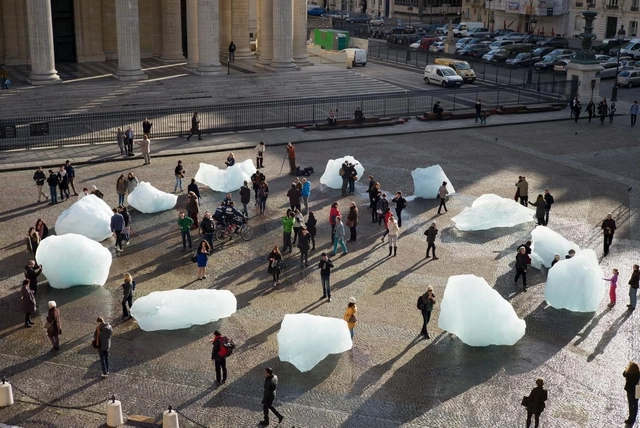
Studying the data that indicates a climate crisis that has been affecting the whole planet for the last decades, the reactionary attitudes may sound disappointing. However, at the same time that the news indicates a global average temperature rise, the political focus on the climate crisis is also intensified, according to the UN Environment report released in 2019, which is a reflection not only of the occurrence of manifestations and protests around the world but also of the so-called activist art expression.
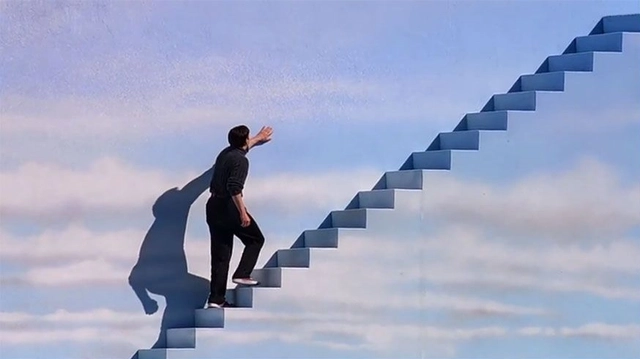
"Films have been studied by architects and other professionals who are interested in the field of architecture and urbanism because they offer a more subtle and responsive perspective of our discipline," Finnish Architect and Professor Juhani Pallasmaa tells us. Through its technical and aesthetical particularities, the cinema can go beyond simple representation to be a powerful instrument for conveying ideas and concepts related to architecture and urban space.
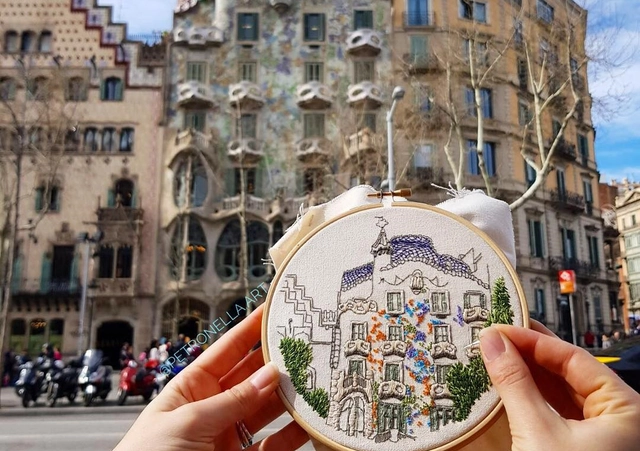
Elin Petronella and Charles Henry record the architecture and urban landscapes of European cities on vibrant, colorful, and even monochromatic embroideries. Classical Danish buildings, the bohemian streets of Paris, Lisbon's cable cars, and even the iconic Casa Batlló de Gaudí in Barcelona are some of the locations illustrated in the duo's work. See more of the textile artists/couple's work on Instagram: @petronella.art and @_charleshenry_.
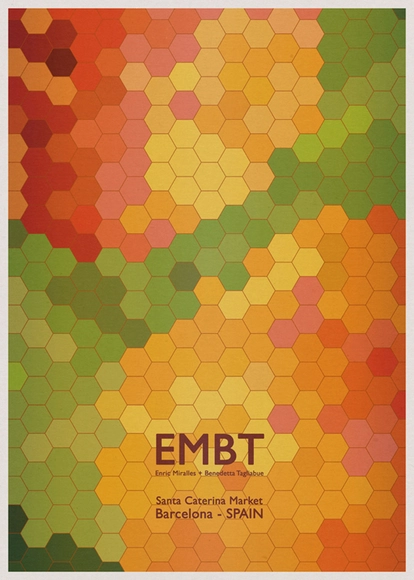
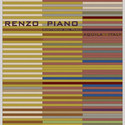
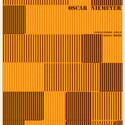
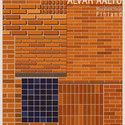
Portuguese architect Andre Chiote has shared with us his latest illustration series, this time exploring the graphic potential of surface’s patterns from some of architecture’s most iconic structures.
“Each building holds an aesthetic essence by which it stands recognizable. Some stand out for its volumetric expression while others remain in our memory because of their skin, the texture which builds its surface,” describes Chiote. “The universe of those textures is extremely rich and plays with different elements which alone or combined create expressive compositions. Colors, materials of diverse nature, light and shadow set in a random way or organized according to geometric rules, form patterns with such a visual impact that allows them to stand as icons themselves.”