

-
Architects: META-Project
- Area: 277 m²
- Year: 2017
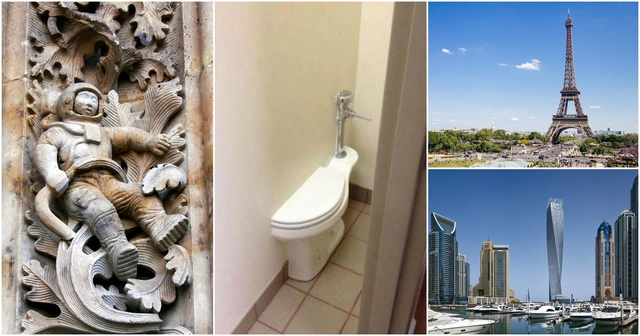
Fact-checking website Snopes (also known as the internet's first fact-checking website) has now been debunking Urban Legends and setting the record straight when it comes to "questionable" and/or fantastic stories for 23 years. In its two decades of operation, it has amassed not only thousands of well-researched explanations to perplexing myths but has also garnered the praise of news outlets like The New York Times, CNN, and Forbes. So what can Snopes tell us about our dear profession? Get your facts right with our list of dubious (and some not-so-dubious) claims about architecture, buildings, and city design.


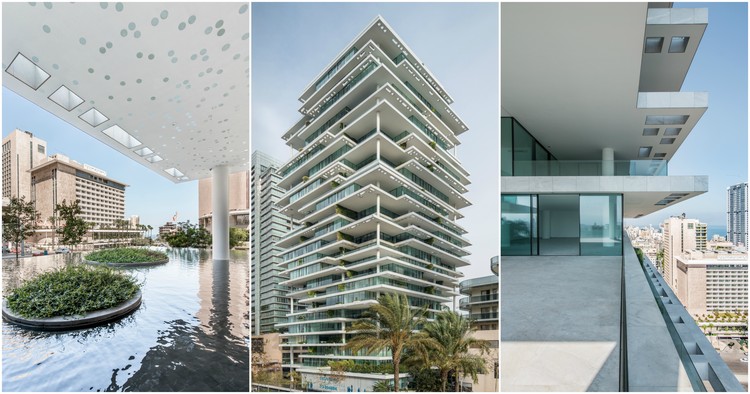
In the rapidly burgeoning city of Beirut, the post-war building boom is far from over. Much like its middle-eastern neighbors, it boasts of a plump share of designer architecture—as critic Oliver Wainwright refers to it, “a diverse shopping list”. It is here that the Beirut Terraces, a residential complex designed by Herzog & De Meuron, rises up to 119 meters, occupying a prominent place in the city’s skyline. In this collection of photographs by Bahaa Ghoussainy, one sees the Beirut Terraces from within, getting a glimpse of both the interior, as well as the multiple, unique views offered from inside the building.
If you are missing the capacity to create emotion, then it doesn’t work, it’s not enough.
– Renzo Piano
In this in-depth biographical video by the Louisiana Channel, Renzo Piano talks about his earliest influences, why traveling is essential, the pleasures of drawing, what creativity really means, how “computers are a bit stupid,” the way “beauty can change the world,” and more.


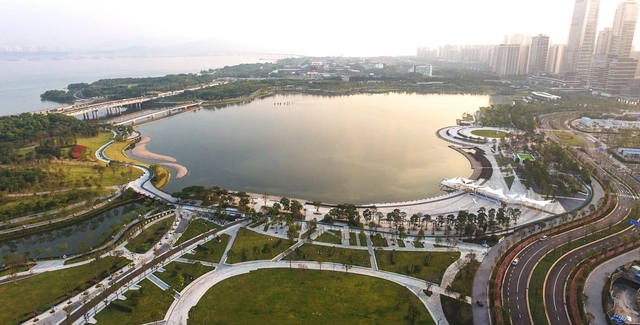
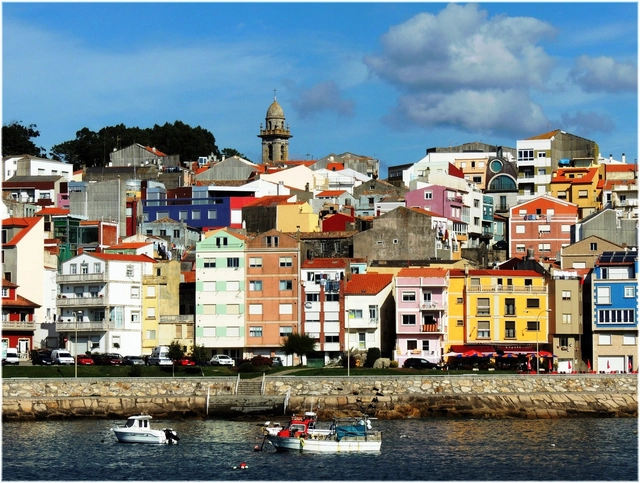
Last October 23, in the small Galician city of Ares (Spain), the "Guide of colors and materials" was publicly presented, with which the administration of the Galician community - in collaboration with the Galicia College of Architects (COAG) - aims to establish aesthetic criteria and recommendations in the search for a better image and urban quality of Galician populations.
This document is composed of fourteen volumes and its publication was made possible by a laborious process in which, for a year, architects, historians, and graduates of Fine Arts, had analyzed more than 3,800 buildings in rural, urban and peri-urban areas, as well as in industrial properties in the four Galician provinces.

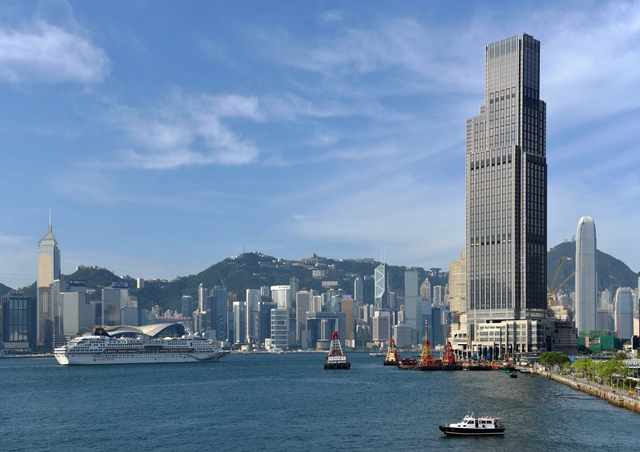

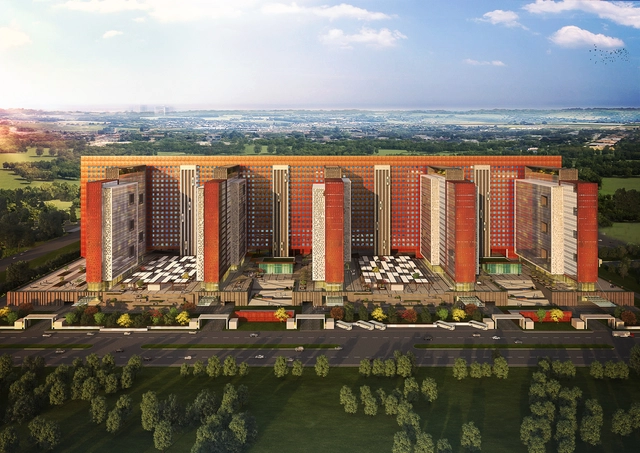
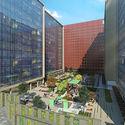
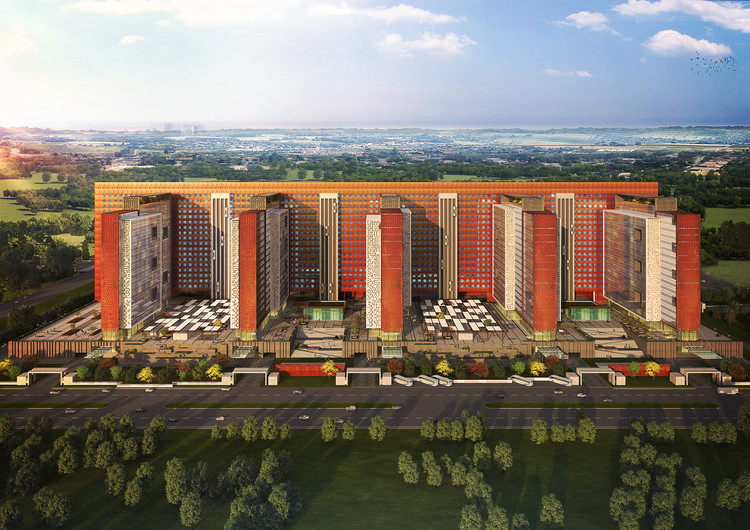
Could you ever imagine working in a small city? A new massive office building by Morphogenesis is being built to accommodate over 45,000 people for the Surat Diamond Bourse office in Surat, Gujarat, India. At 6.5 million square feet, and housing over 4,000 offices, it will be the second largest office building in the world, placing only behind the Pentagon in Washington D.C. Although its physical footprint may be large, the office building was designed in a manner to minimize its ecological footprint. Passive design strategies such as day-lit workspaces, natural ventilation, and indoor/outdoor spaces not only make the Surat Diamond office an efficient climate-responsive design, but also a key player for achieving aesthetic and comfortable working spaces.


Earlier this month, Abu Dhabi’s much-awaited “universal museum,” the Louvre Abu Dhabi designed by Pritzker Prize-winner Jean Nouvel, was opened to the public. After several years of delays and problems including accusations of worker rights violations, revisions in economic strategies, and regional turmoil, the completion of the museum is a feat in itself. Critics, supporters, naysayers, artists, economists, and human rights agencies, have all closely followed its shaky progress, but now that it’s finally open, reviews of the building are steadily pouring in.
Read on to find out how critics have responded to Nouvel’s work so far.