Yoshihiro Koitani

BROWSE ALL FROM THIS PHOTOGRAPHER HERE

These Are the Winning Projects of the Pan American Biennial of Architecture of Quito 2022 (BAQ2022)

The Pan American Biennial of Architecture of Quito (BAQ2022) ended on November 18th. Organized by the Pichincha Provincial College of Architects of Ecuador (CAE-P), it has been held since 1978 with the aim of promoting dialogue, exchange, and reflection on architecture and the contemporary city. During this edition, the intention was to address the theme "Inflections: Seeing again", with the aim of providing a space for discussion and debate on architecture around the moments of inflection in history.

On the closing day, the winning projects for both the National Award and the Pan American Award were announced from among the nearly 60 selected finalists. At the same time, the winners of the Social Habitat and Sustainability Award were announced from among 8 selected finalists, as well as the two works that jointly won the Biennial Grand Prize. See all the winners below.
Discover the finalist projects of the Pan-American Architecture Biennial of Quito 2022 (BAQ2022)

The Pan-American Architecture Biennial of Quito (BAQ2022) will take place at the Casa de la Cultura Ecuatoriana until November 18. Organized by the Colegio de Arquitectos del Ecuador, Provincial de Pichincha (CAE-P), the biennial has been held since 1978, aiming to foster dialogue, exchange, and reflection on architecture and the contemporary city. This edition's theme, "Inflexions: Looking Back," aims to provide a space for discussion and debate on architecture surrounding turning points in history.

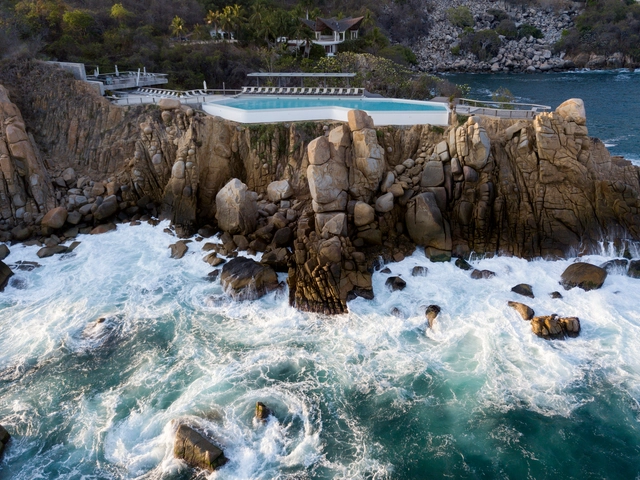
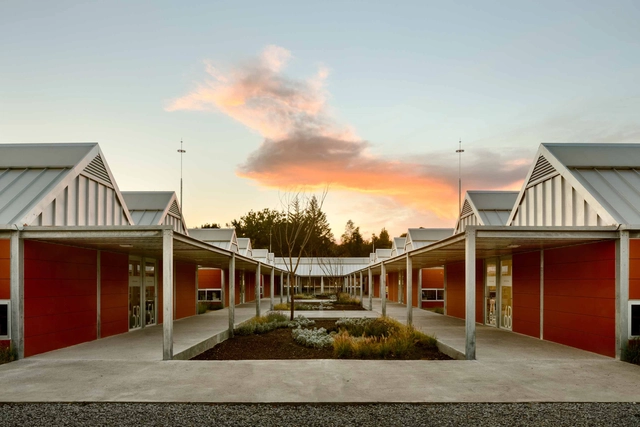
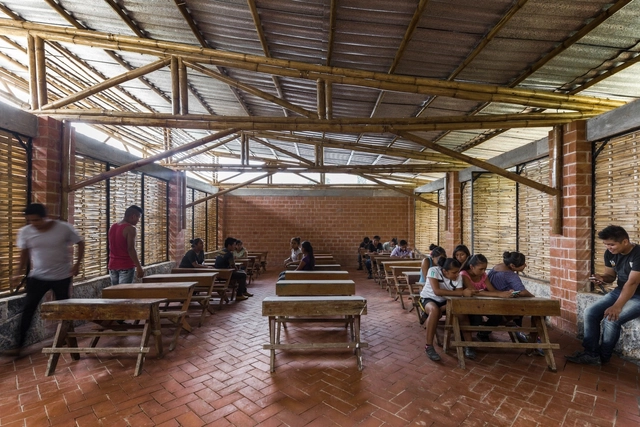
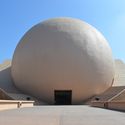
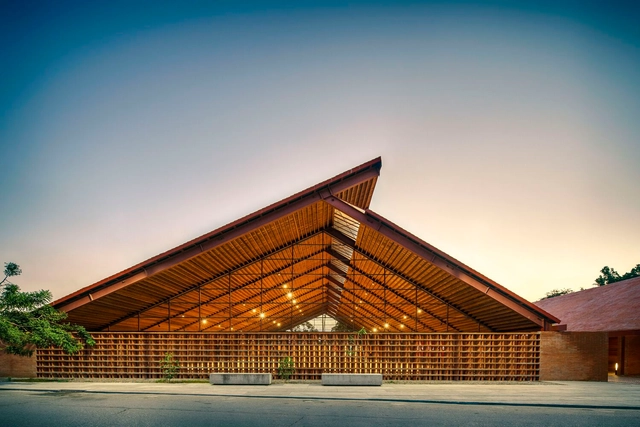
Music House / Colectivo C733

Music House / Colectivo C733 - More Images+ 24

  • Architects: Colectivo C733 Team
  • Area Area of this architecture project Area:  1325
  • Year Completion year of this architecture project Year:  2021

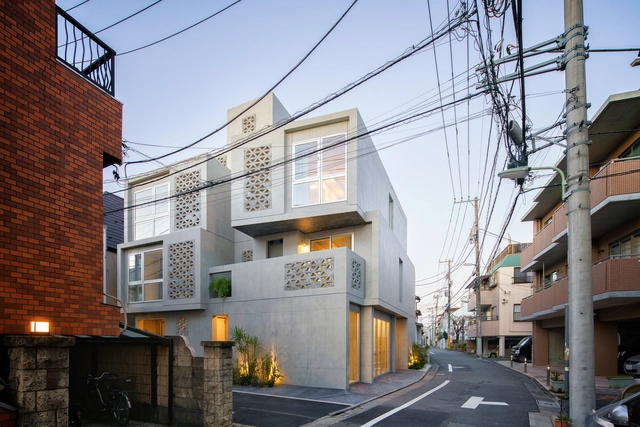
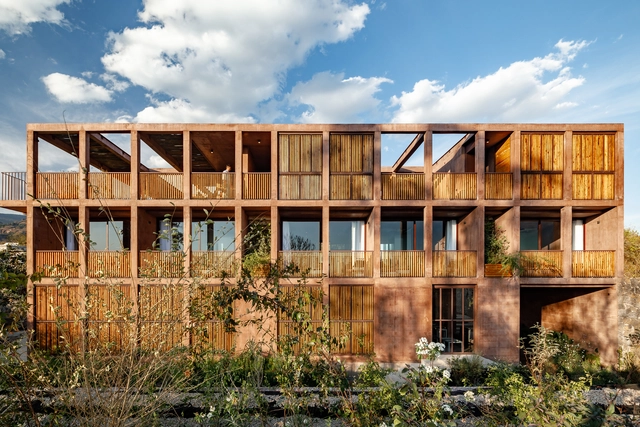
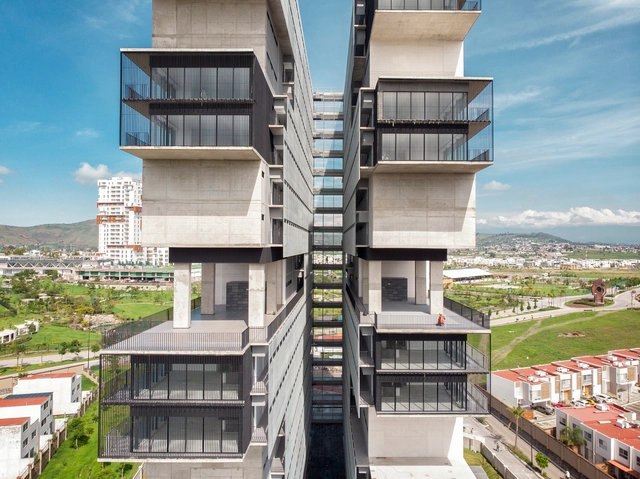
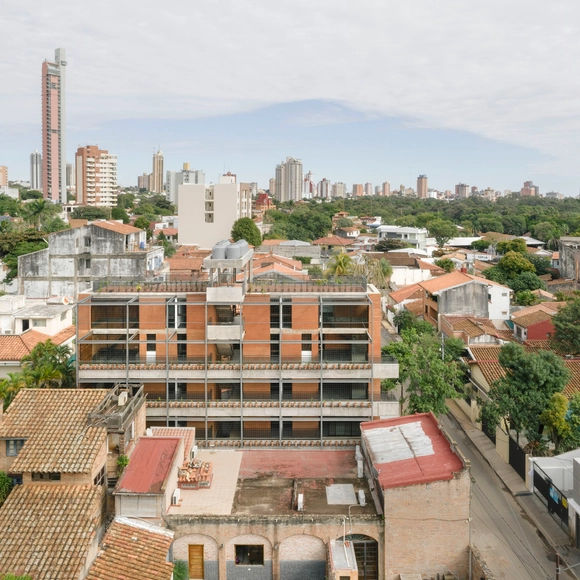
FUTABASOU Apartments / Masashi Miyamoto Architects / mmar

FUTABASOU Apartments / Masashi Miyamoto Architects / mmar - More Images+ 32

  • Area Area of this architecture project Area:  298
  • Year Completion year of this architecture project Year:  2021
  • Manufacturers Brands with products used in this architecture project
    Manufacturers:  Kaikousya, LIXIL , MUJI, Ressources, Yamauchi Concrete Blocks
  • Professionals: Frameworks

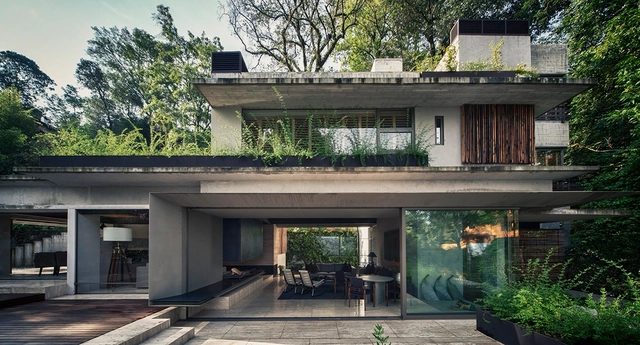
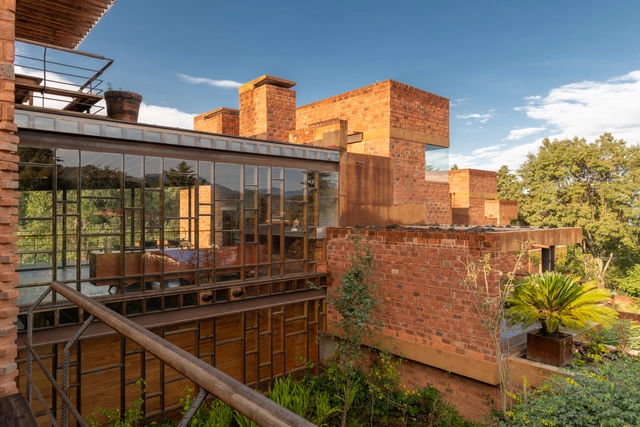
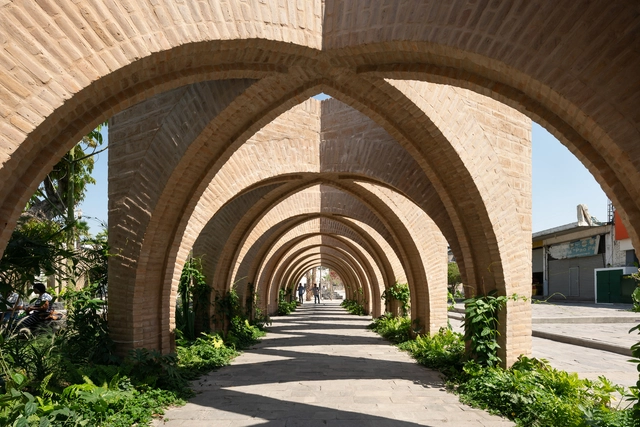
House Maza / CHK arquitectura

House Maza / CHK arquitectura - More Images+ 43

Valle de Bravo, Mexico
  • Architects: CHK arquitectura
  • Area Area of this architecture project Area:  489
  • Year Completion year of this architecture project Year:  2012
  • Manufacturers Brands with products used in this architecture project
    Manufacturers:  Hansgrohe, Cemex, Comex, Cristalum, IUSA

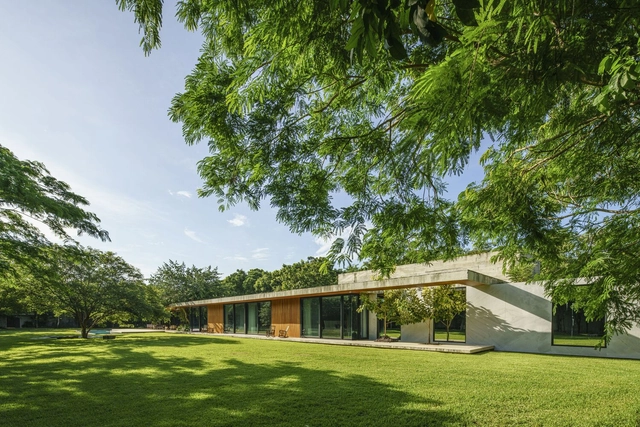
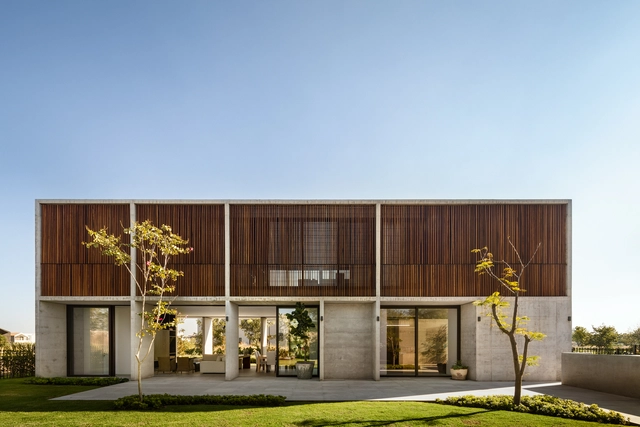
Casa Akúun / Arkham Projects

Casa Akúun / Arkham Projects - More Images+ 11

Merida, Mexico
  • Architects: Arkham Projects
  • Area Area of this architecture project Area:  11065 ft²
  • Year Completion year of this architecture project Year:  2020
  • Manufacturers Brands with products used in this architecture project
    Manufacturers:  Cemex, MIDO, Millet

Architecture in Mexico: Projects that Highlight the Coast of Guerrero

Subscriber Access | 

Architecture in Mexico: Projects that Highlight the Coast of Guerrero  - More Images+ 8

Guerrero is a state in the southwest corner of Mexico that shares land borders with the State of Mexico, Morelos, Puebla, Oaxaca, and Michoacán and a coastline with the Pacific Ocean. With over 64,281 km² of territory, it is the twelfth most populated state in Mexico. It's capital city is Chilpancingo de Juárez and it's most populated city is Acapulco de Juárez.

Architecture in Mexico: Emblematic Houses of Valle de Bravo

Subscriber Access | 

Architecture in Mexico: Emblematic Houses of Valle de Bravo - More Images+ 26

Mexico's Valle de Bravo region, to the southeast of Mexico City, is characterized by the Presa Miguel Alemán lake, created in 1947 as a reservoir for Mexico City and Toluca's water supply. Thanks to its proximity to the capital, Valle de Bravo is a popular weekend destination for residents of surrounding cities. This in turn has sparked the interest of various architects, who have aimed to create projects that enhance visitors' experience such as offering an optimal view of the lake, or an immersive experience in the surrounding forest. 

Architecture in Mexico: Projects to Understand the Territory of Tepoztlán

Subscriber Access | 

Architecture in Mexico: Projects to Understand the Territory of Tepoztlán - More Images+ 7

Tepoztlán is a region located in the state of Morelos, in the south-central part of the country, bordered by the states of Guerrero, Puebla, the State of Mexico, and Mexico City. Spanning an area of 242.646 square kilometers, it is one of the 111 Pueblos Mágicos (Magical Towns) designated to boost tourism by highlighting the unique attributes of each destination.

Architecture in Mexico: Projects to Understand the Territory of Puebla

Subscriber Access | 

Architecture in Mexico: Projects to Understand the Territory of Puebla - More Images+ 36

The state of Puebla is located in the central highlands of Mexico, bordering the states of Tlaxcala, Hidalgo, Veracruz, Oaxaca, Guerrero, Morelos, and the State of Mexico. Covering an area of 34,251 km², it is one of the country's most densely populated states. Its capital is Puebla de Zaragoza, and it is one of the leading landlocked states for tourism, featuring 9 "Pueblos Mágicos" (Magical Towns) and 3 UNESCO World Heritage Sites.

Architecture in Mexico: Projects to Understand the Territory of Querétaro

Subscriber Access | 

Architecture in Mexico: Projects to Understand the Territory of Querétaro - More Images+ 24

The state of Querétaro is located in the north-central region of Mexico, bordered by the states of San Luis Potosí, Guanajuato, Hidalgo, Estado de México, and Michoacán. Covering an area of 11,684 km², it is one of the most expansive regions in the country. Its capital is Santiago de Querétaro, which is also the state's most populous city. Among its most popular Pueblos Mágicos (Magical Towns) are Bernal, Tequisquiapan, Jalpan de Serra, Cadereyta de Montes, San Joaquín, and Amealco de Bonfil. Additionally, the state boasts four UNESCO World Heritage sites and one entry on the Intangible Cultural Heritage list: the Historic Monuments Zone of Santiago de Querétaro, the Franciscan Missions of the Sierra Gorda, the Otomí Chapels, and the living traditions of the Otomí-Chichimeca culture, respectively.

30 Projects That Will Represent Mexico in the Oscar Niemeyer Award for Latin American Architecture

30 Projects That Will Represent Mexico in the Oscar Niemeyer Award for Latin American Architecture - Image 1 of 430 Projects That Will Represent Mexico in the Oscar Niemeyer Award for Latin American Architecture - Image 2 of 430 Projects That Will Represent Mexico in the Oscar Niemeyer Award for Latin American Architecture - Image 3 of 430 Projects That Will Represent Mexico in the Oscar Niemeyer Award for Latin American Architecture - Image 4 of 430 Projects That Will Represent Mexico in the Oscar Niemeyer Award for Latin American Architecture - More Images+ 13

The call for entries for the Third Edition of the Oscar Niemeyer Award for Latin American Architecture, presented by the Network of Architecture Biennials of Latin America, has successfully concluded. A total of 101 works from 12 Latin American countries are participating, with Mexico represented by 30 high-quality and diverse projects—all clear examples of outstanding contemporary architectural production.

7 Spaces in Plan to Understand Wine Production in Mexico

Subscriber Access | 

7 Spaces in Plan to Understand Wine Production in Mexico - More Images+ 10

Given its diverse climate and geography, Mexico's wine production has steadily gained recognition in states such as Aguascalientes, Baja California, Baja California Sur, Chihuahua, Coahuila, Durango, Guanajuato, Nuevo León, Puebla, Querétaro, Sonora, and Zacatecas. In these regions, vineyards are increasingly in the spotlight, alongside wine festivals and curated experiences that offer visitors an immersive look into the various stages of production.

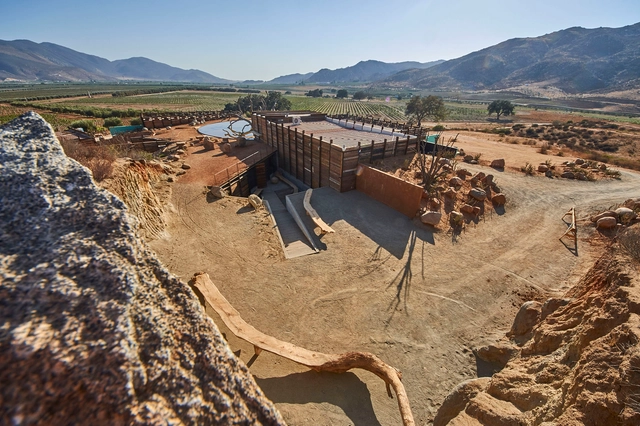
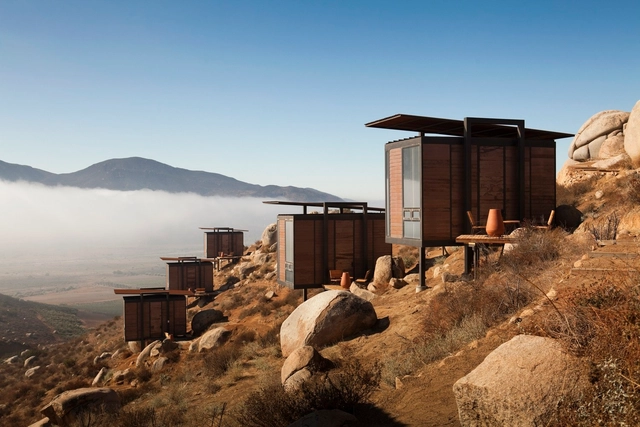
Architecture in Mexico: Projects to Understand the Territory of Baja California Norte

Subscriber Access | 

Architecture in Mexico: Projects to Understand the Territory of Baja California Norte - Imagem 1 de 4Architecture in Mexico: Projects to Understand the Territory of Baja California Norte - Imagem 2 de 4Architecture in Mexico: Projects to Understand the Territory of Baja California Norte - Imagem 3 de 4Architecture in Mexico: Projects to Understand the Territory of Baja California Norte - Imagem 4 de 4Architecture in Mexico: Projects to Understand the Territory of Baja California Norte - More Images+ 22

Located in the country's northwestern region, the state of Baja California Norte borders California (in the United States), Sonora, and Baja California Sur (in Mexico). Along with Baja California Sur, these are the only two Mexican states flanked by the Pacific Ocean to the west and the Sea of Cortez to the east, harboring some of the most breathtaking landscapes and coastlines in the country.

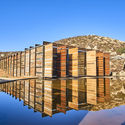
Amani Building / Archetonic

Amani Building / Archetonic - More Images+ 18

Puebla de Zaragoza, Mexico
  • Architects: Archetonic
  • Area Area of this architecture project Area:  34000
  • Year Completion year of this architecture project Year:  2019
  • Manufacturers Brands with products used in this architecture project
    Manufacturers:  AutoDesk, Sika, Cemex, Comex, Irving, +1

Estudio MMX: "We are a generation of architects open to criticism, we like working as a team"

Subscriber Access | 

Estudio MMX: We are a generation of architects open to criticism, we like working as a team - More Images+ 10

Today, Mexico’s contemporary architecture scene is shaped by architects who work daily to address the evolving conditions of their surroundings. Various events—such as the 2017 earthquakes—have brought critical issues to the forefront, prompting a rethinking of the profession at different levels, gathering lessons that have redefined the role of the discipline and, above all, the place that architectural objects occupy in the world. This paradigm shift has heightened architects' awareness regarding materiality, regional processes, and urban issues, opening up space for the collective. This involves multidisciplinary teams providing new answers but, above all, asking new questions.

50 Impressive Details Using Wood

Subscriber Access | 

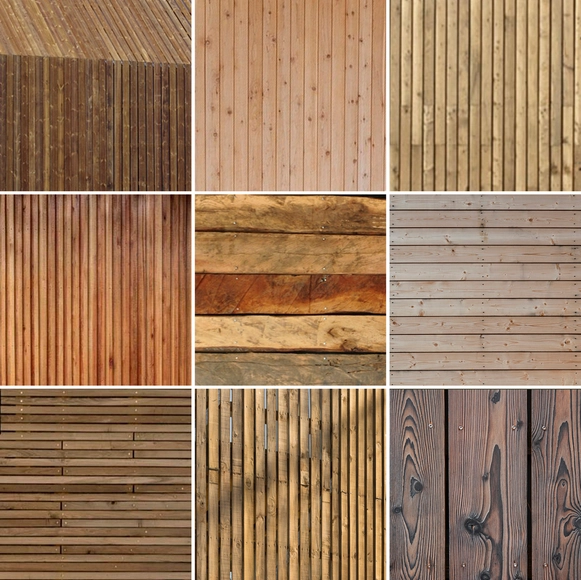
Over the course of history the unique characteristics of wood, which are dependent upon the species of the tree and the location in which it has grown, have enabled humanity to flourish in all parts of the globe. The architectural details of wooden construction therefore show a great diversity of meetings and joints, showing not only a project's constructive and structural logic, but also embodying the value and complexity of each project.

Take a look at these 50 construction details of projects that stand out for their clever use of wood.

Why Do Architects Love Designing Houses?

Home. Our shelter. Our private space. In an urbanized world with dense megalopolises like Tokyo, Shanghai, and São Paulo, homes are getting smaller and more expensive than ever. If you are claustrophobic, Marie Kondo is your best ally in the quest to earn some extra space.  And even though private backyards have become a luxury for most, our data shows that single-family houses are still the most popular project type on ArchDaily. Why is this? (Especially when it seems incongruous given the reality of today’s crowded cities.) Why do some universities still insist on designing and building houses as academic exercises? Wouldn’t it be more creative—and more useful—to develop architecture in small-scale spaces? Would it be more rewarding to develop solutions on bigger scales?