

-
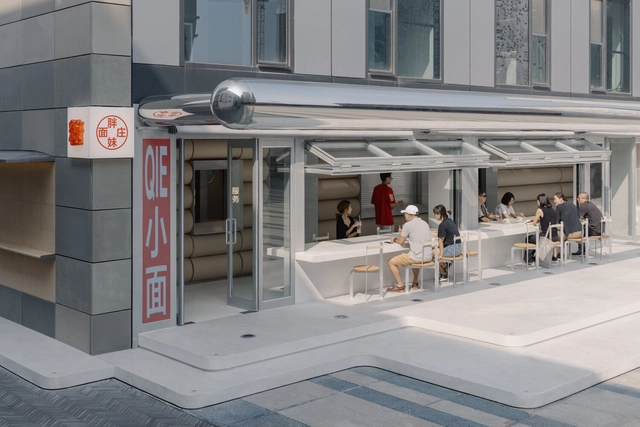
Architects: llLab.
- Area: 270 m²
- Year: 2024
-
Professionals: LuAnLu Partner Structure Consulting, Studio EMCC, ELA Lighting
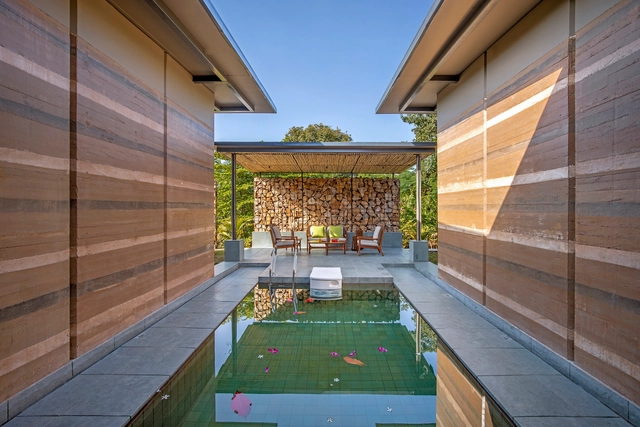
With the proper know-how, readily available earth, sand, chalk, lime, or gravel can yield a versatile, strong, and durable construction material. Its colorful results vary from region to region, depending on the natural soil component, climate, and treatment. While some prefer to minimize any added processing, others relish the exploration of rammed earth surfaces. Different textures and mesmerizing layers of multitoned or multicolored earth can be used to create a solid surface that enriches the visual quality of a space and carries a sense of warmth to any project.
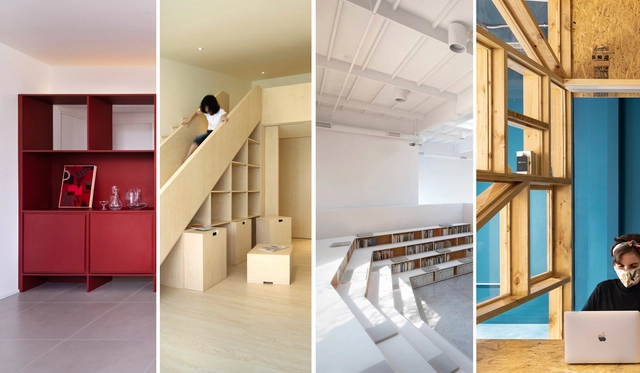
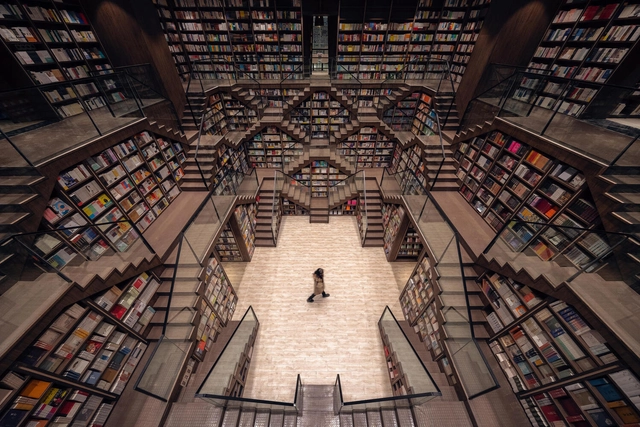
With the rise of small houses and dense cities, we were forced to sacrifice a good amount of storage space. Ironically, we did not compromise our purchasing habits, so with a few square meters to work with, architects and designers had to come up with efficient storage solutions and make the best of the limited space they have. However, if you were lucky enough to be occupying a large, unobscured space with a generous budget, your storage design possibilities are endless. In this article, we look at how architects and designers found creative ways to store their belongings in spaces with different functions, scales, and spatial constraints, ranging from completely invisible units to sculptural centerpieces.
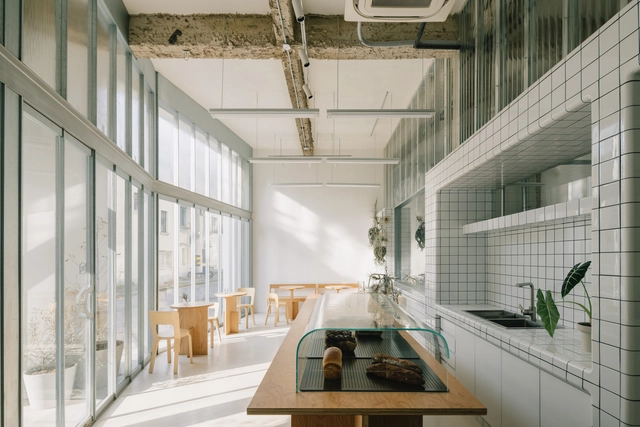
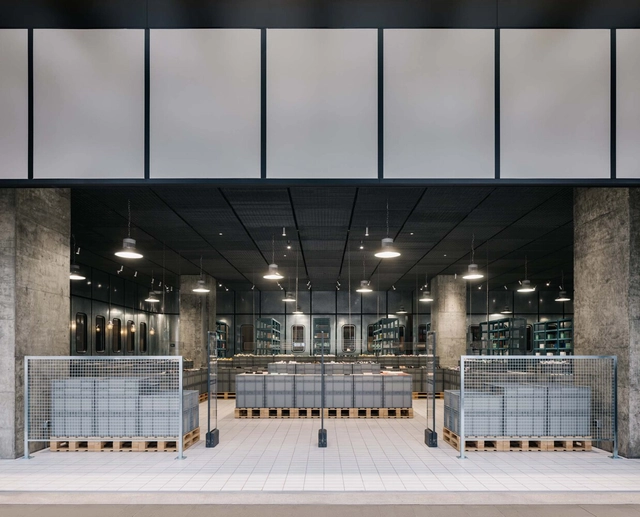
At first, adding a mezzanine floor to a layout either seems like a complete waste of good floorspace or a clumsy attempt to squeeze two stories into one – like wearing skinny jeans after Christmas – both spaces end up feeling constricted and uncomfortable.
But whether the intermediate-level floor is achieved by addition – erecting an extra level in a high-ceilinged room, or by subtraction – removing part of the floor to connect with the one below, mezzanines are a relatively simple way to dramatically change and improve how we use and interact with our existing environments.





.jpg?1627408898&format=webp&width=230&height=230&crop=true)