

-
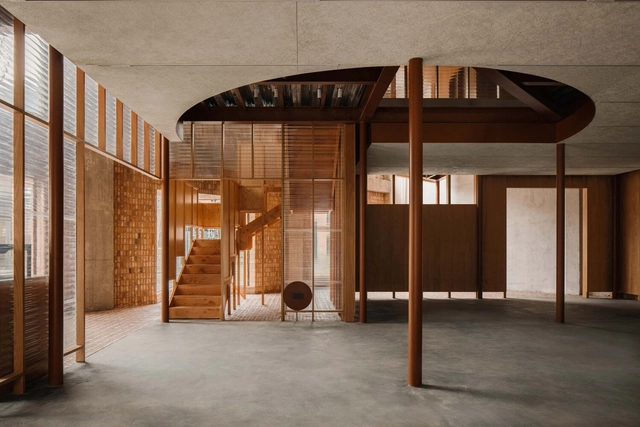
Architects: atelier tao+c
- Area: 186 m²
- Year: 2022
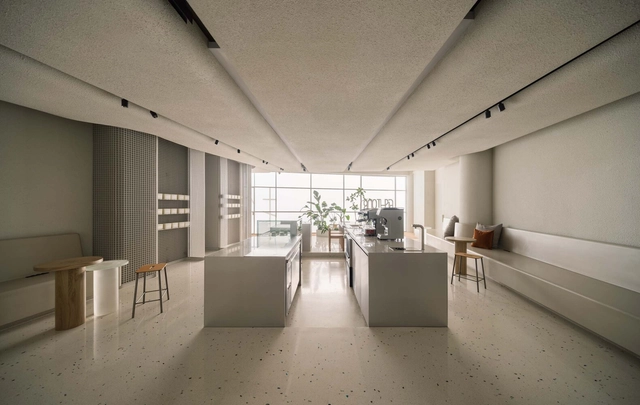
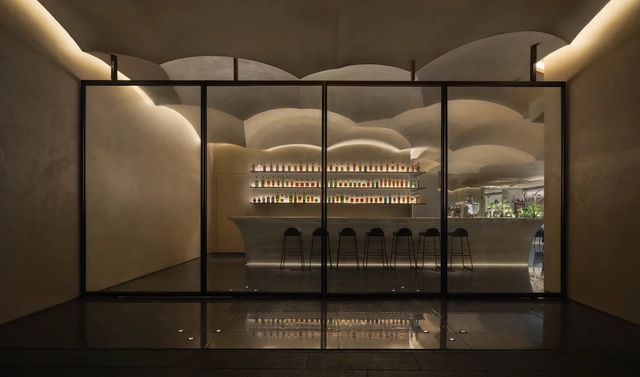
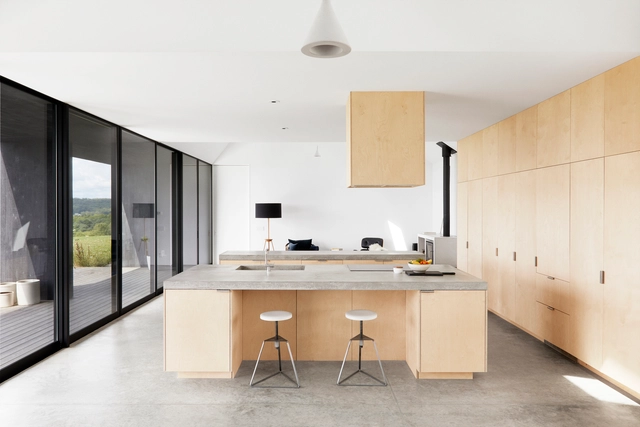
In addition to their aesthetic appeal, the use of raw materials can save resources by bypassing the use of additional coatings and processes. This type of solution was most commonly used in utility buildings, such as infrastructure, factories, and warehouses. Exposed concrete floors, for example, were primarily found in industrial spaces, parking lots, and gas stations. However, they are increasingly being used in structures of different programs due to their appearance, durability, resistance, and vast possibilities for finishes. But what are the main factors to be aware of when using a concrete floor for a project?
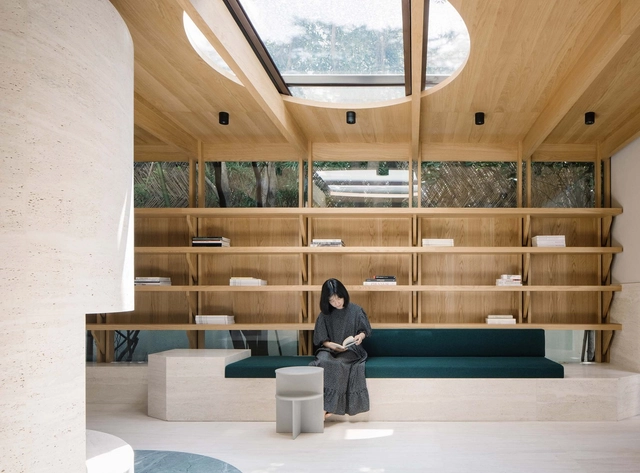
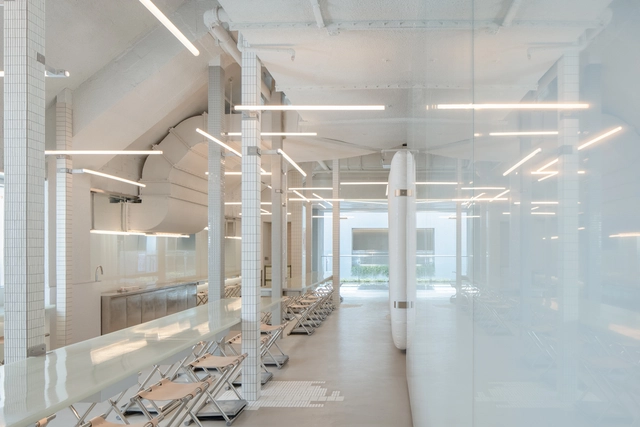


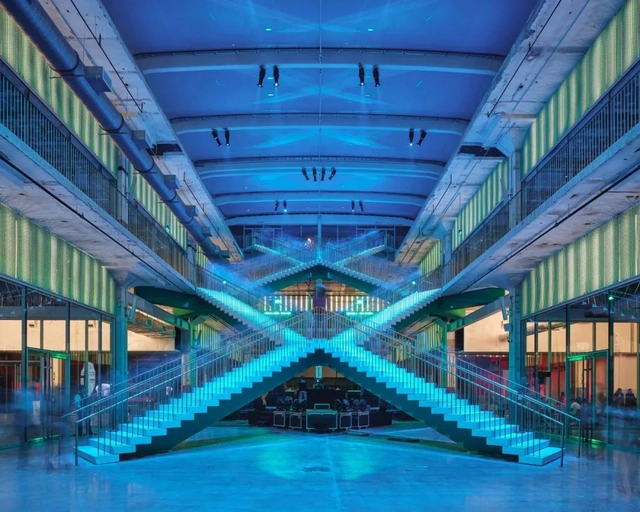
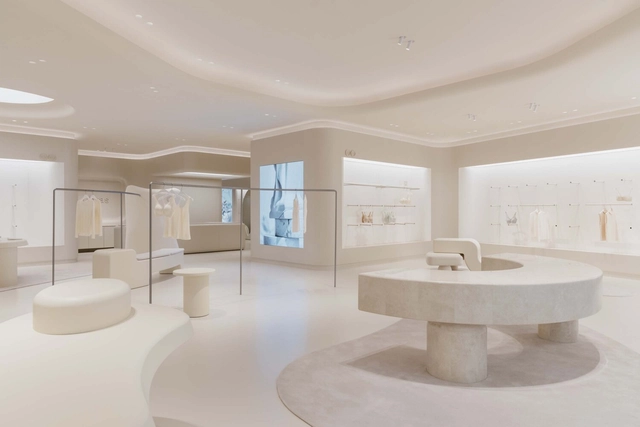
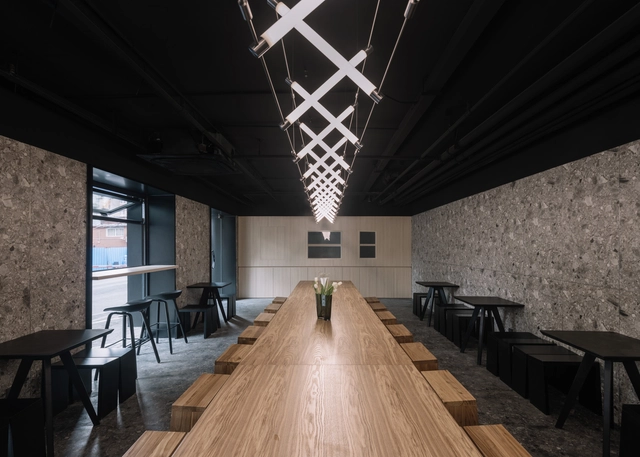
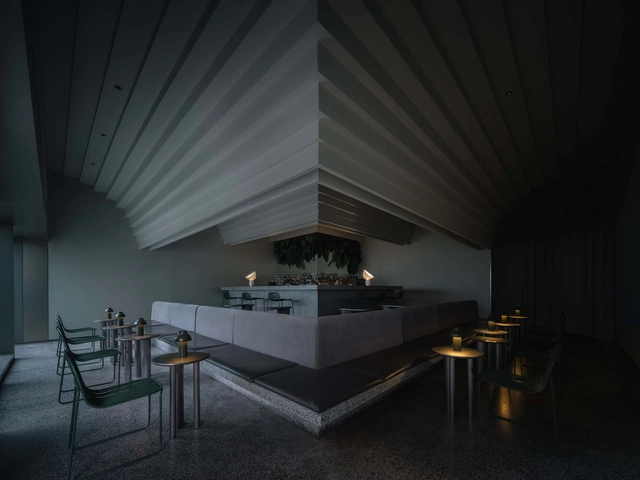
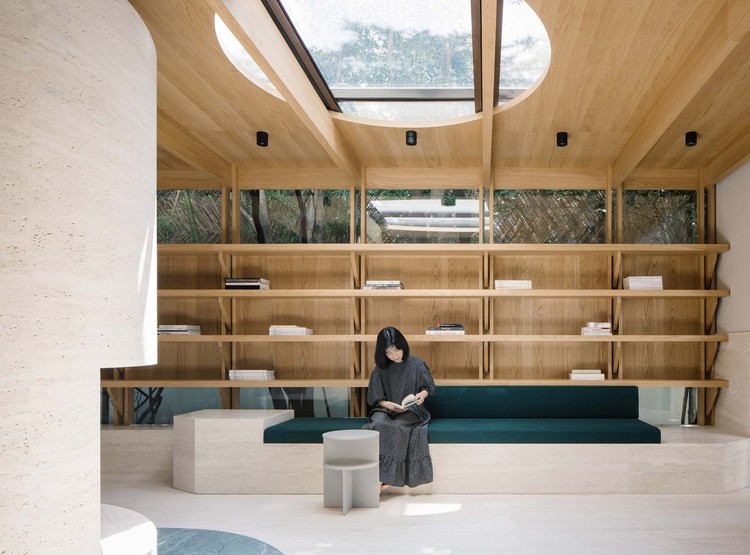
Against the backdrop of a global culture steeped in consumerism, every aspect of our lives is being consumed. As the physical medium of consumer behavior, commercial architecture is undeniably a vital link in this consumer society. "Insta-worthy" spaces—embodying trends, spectacle, and the culture of the gaze—are a direct manifestation of this influence. Yet, looking back at architectural history, we must also acknowledge that the rise of consumerism has largely driven architectural development. The influx of capital and the keen interest of real estate developers have, in some ways, granted architects more opportunities to realize their creative ideals within commercial projects.
Whether in cities or rural areas, "consumer architecture" functioning as public space often serves as the most prominent gathering point. To explore how to create comfortable, inviting commercial spaces, this article presents a curated collection of the best "consumer architecture" of 2021, offering design inspiration for your next project.
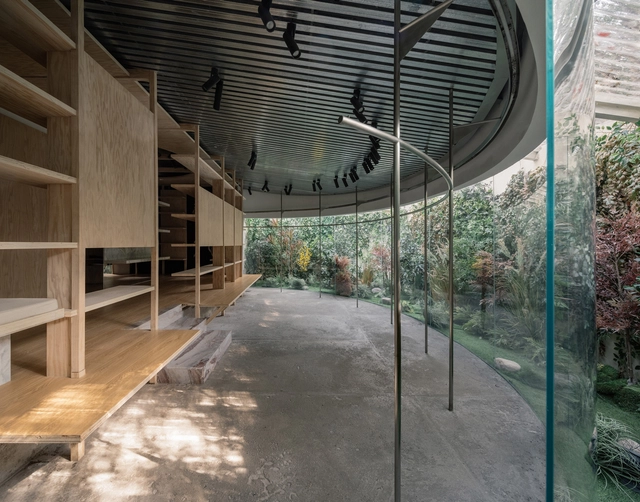

Bringing the latest contemporary furniture from Milan Design Week straight to Shanghai, B&B Italia curated the setting at Villa 17 in Amanyangyun, an impressive Chinese antique architecture.










.jpg?1639435789 "© Wen Studio")

