

-
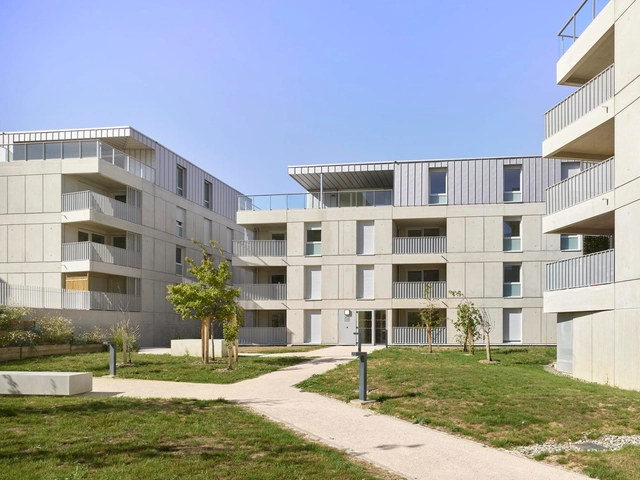
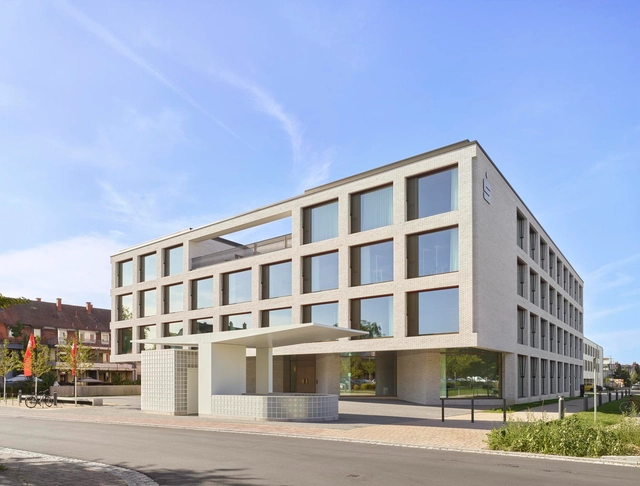
Architects: Taillandier Architectes Associés
- Area: 6258 m²
- Year: 2023

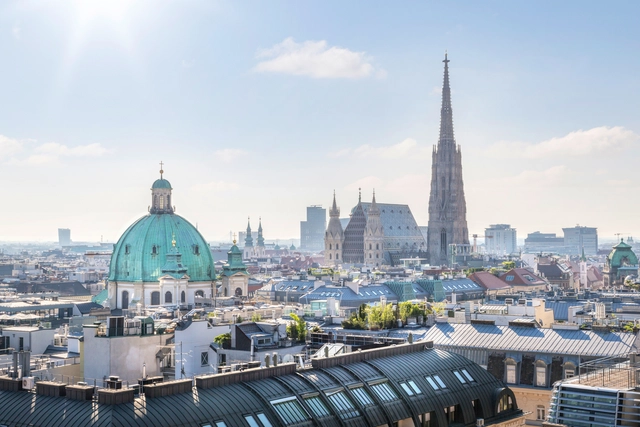
Often referred to as the “City of Music,” Vienna stands as a living testament to architectural evolution across centuries. Bring together an array of styles, ranging from the grandeur of Baroque palaces to the innovative Art Nouveau designs and the Vienna Secession movement, visitors are drawn to the city for its architectural marvels. Vienna's eventful past is reflected in its architectural landscape, which has withstood wars, imperial expansions, and the changes of numerous artistic trends while managing to maintain its unique identity as a symbol of resilience and reinvention.
From Adolf Loos, whose radical ideas challenged the trends of his time, to Otto Wagner, a pioneer of Viennese Modernism, Vienna's architectural legacy continued to evolve. Fast-forwarding to contemporary times, Vienna's skyline bears the mark of internationally renowned architects like Zaha Hadid, whose fluid and futuristic designs push the boundaries of architecture. Hadid's work, including the Library and Learning Center at the University of Economics and Business, offers a dynamic contrast to the city's historic landscape. Moreover, firms like CRAB Studio, founded by Sir Peter Cook and Gavin Robotham, bring experimentalism to Vienna's architecture, infusing contemporary concepts into the urban fabric. These architects and firms contribute to Vienna's architectural richness, adding new chapters to its storied history while honoring its innovation and artistic legacy.
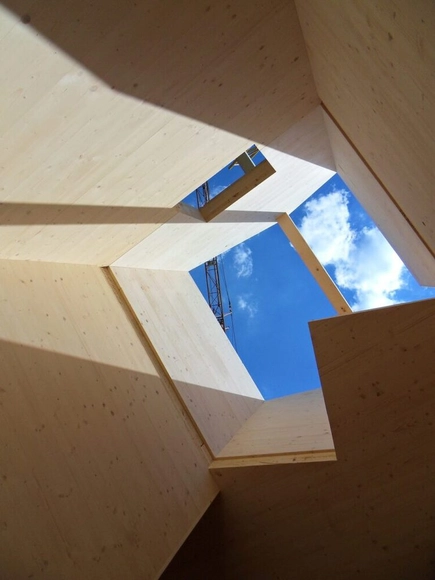
The growth of the world's population has led to an increase in housing and building construction around the globe. Considering that today the construction industry is responsible for 40% of the planet's CO2 emissions, and according to the Chilean Chamber of Construction, by 2035, Chile will need housing for 2.6 million people, it is necessary to guide this sector toward an environmentally friendly alternative. The answer to this challenge can be found in nature itself, where there are various efficient and sustainable construction solutions. Such is the case with wood: a noble and renewable material capable of capturing CO2 and contributing to a better environmental future.
Today, thanks to technological advances, engineered wood or laminated wood, composed of layers of structural wood oriented perpendicularly to each other, has positioned itself as a trending construction material worldwide, and Chile should not be the exception.
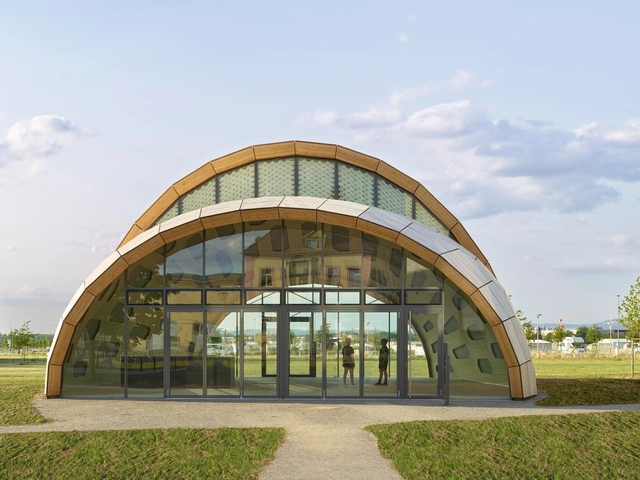
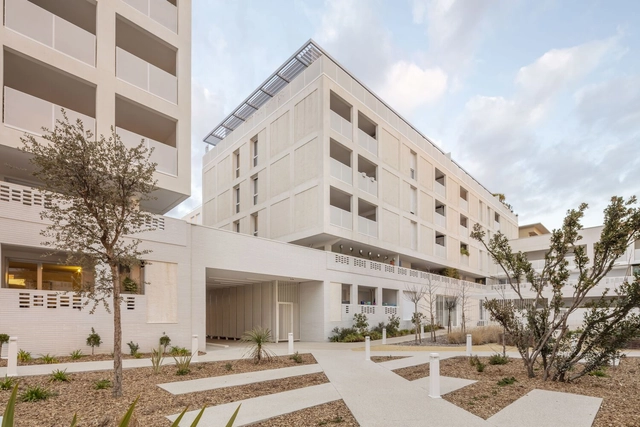
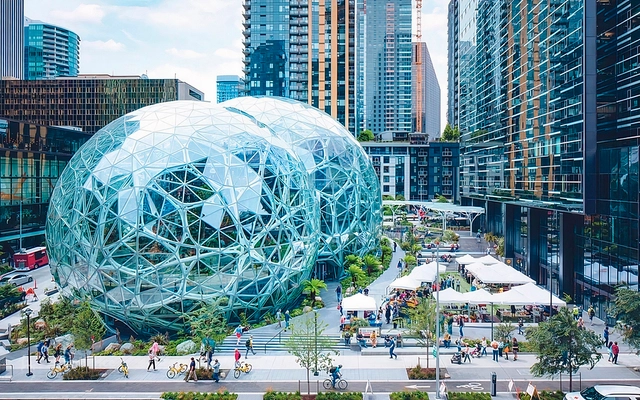
Cities are defined as densely populated geographic areas characterized by urban development. They serve as economic, political, and cultural centers, offering various services, infrastructure, and opportunities. However, urban densification has been associated with negative aspects such as health issues, pollution, and social problems. Countries like India and China, with their massive populations exceeding billions, face a significant demand for services and housing.
Recent research, including studies by institutions like the Berkeley Cool Climate Network, has brought about a paradigm shift in our perception of urban densification. This shift aims to reduce cities' carbon footprint and support collaborative efforts to achieve Sustainable Development goals. Densification is proposed as a crucial strategy for promoting social prosperity, and well-being, and combating climate change. However, a relevant question arises: How can we effectively achieve densification while addressing global warming? Companies like Holcim have responded to this challenge by developing sustainable building solutions and engaging in meaningful discussions with architects, such as Shajay Bhooshan, Associate Director at Zaha Hadid Architects. These collaborations provide valuable insights into the concept of urban densification as a catalyst for climate action.
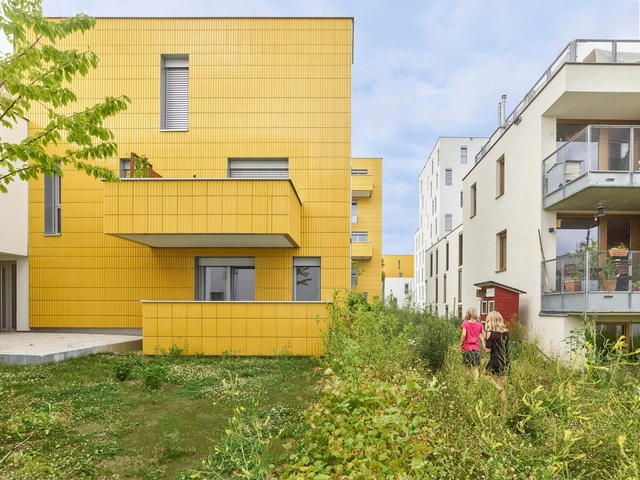
The nine winning projects of the second edition of the ARQUITECTURA Awards, organized by the Superior Council of Colleges of Architects of Spain (CSCAE), have been announced. Showcasing fundamental values of architecture and urbanism—such as social responsibility, cultural preservation, and environmental sustainability—the awards received a total of 429 submissions. In the first stage, the Official Colleges of Architects and Regional Councils selected 177 proposals, which were narrowed down to just 21 finalists.
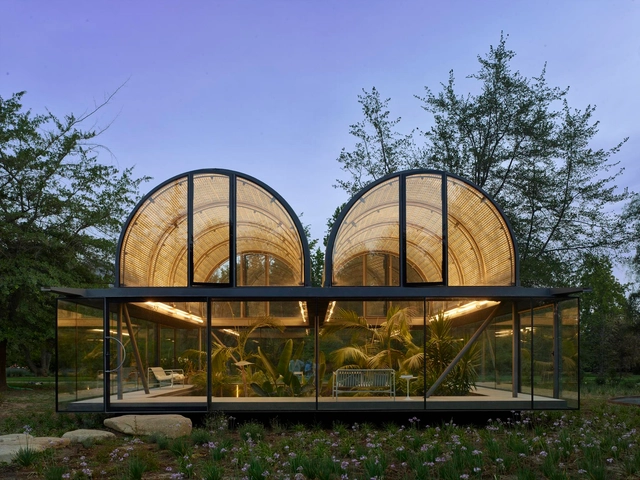
Roland Halbe came into photography entirely by accident, discovering it at the age of 15 in a class on optics. His physics teacher presented camera obscura effects, which immediately triggered his fascination. He then started borrowing his father’s old camera quite regularly. While still in high school, Roland worked part-time at a camera shop, eagerly discovering everything there is to know about photography. Those were the circumstances that kindled Halbe’s lifelong romance, first with black and white, and, eventually, color photography with a focus on the built environment.
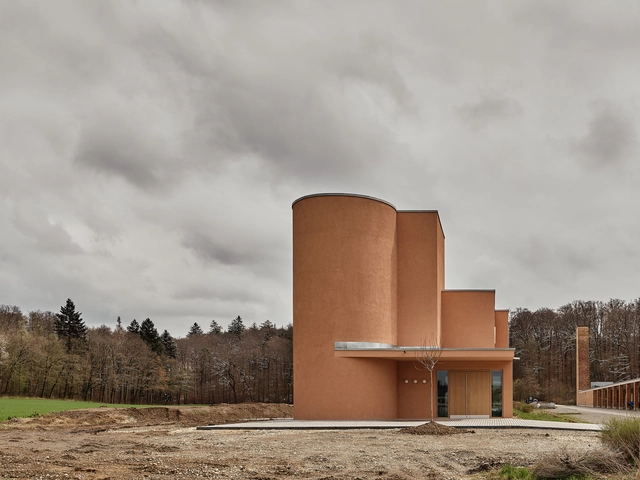
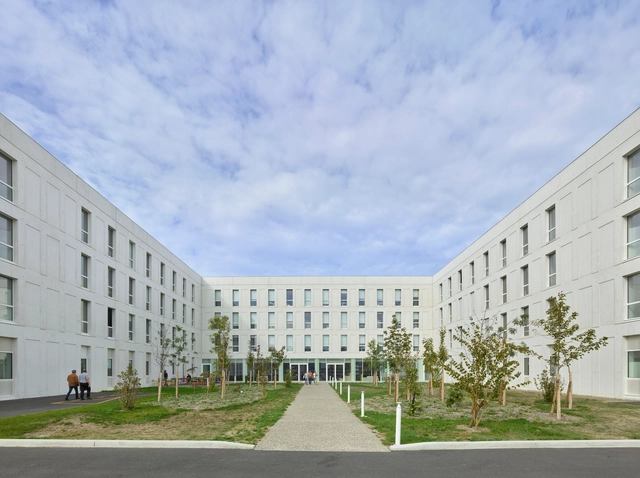
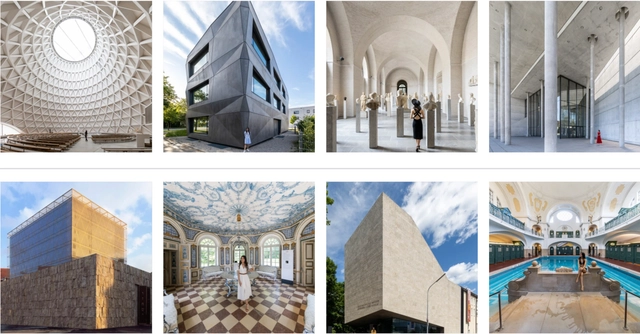
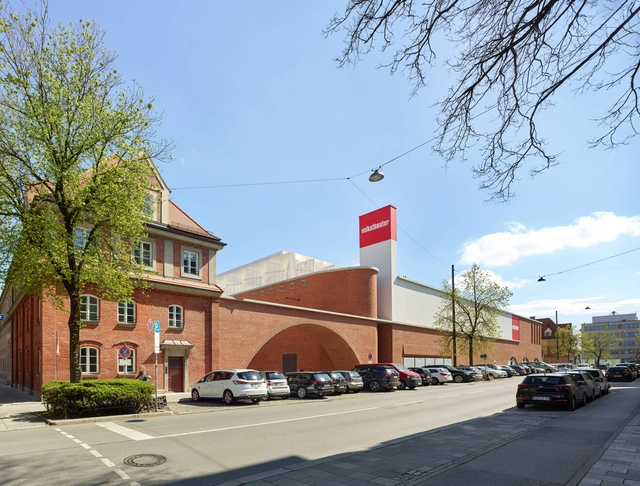
Munich – Bavaria’s capital since 1506 – is a city with layers and layers of history. Its many years as a rising architectural epicenter have left an interesting and unique mix of buildings. From Middle Age churches and cathedrals to contemporary synagogues. From skyscrapers to small pavilions. Brutalism to Art Nouveau. Munich’s architecture is truly extensive and marvelous.
Though not acknowledging Munich’s beer wonders would be wrong, the only mention of this substance would be in the stunning buildings (like the new Paulaner HQ by Hierl Architekten) that contain them. Yes, other aspects of the city are grandiose, but let’s focus on Munich’s top attraction: its architecture.